


 All Products

.svg)





Articles
The voice of Voiso
Read the latest product updates, tips to build better CX
and sales teams, and essential news from the Telco industry.
By clicking "Get Started" you agree to Voiso's Privacy Policy and Terms of Service.
19 Oct 2026
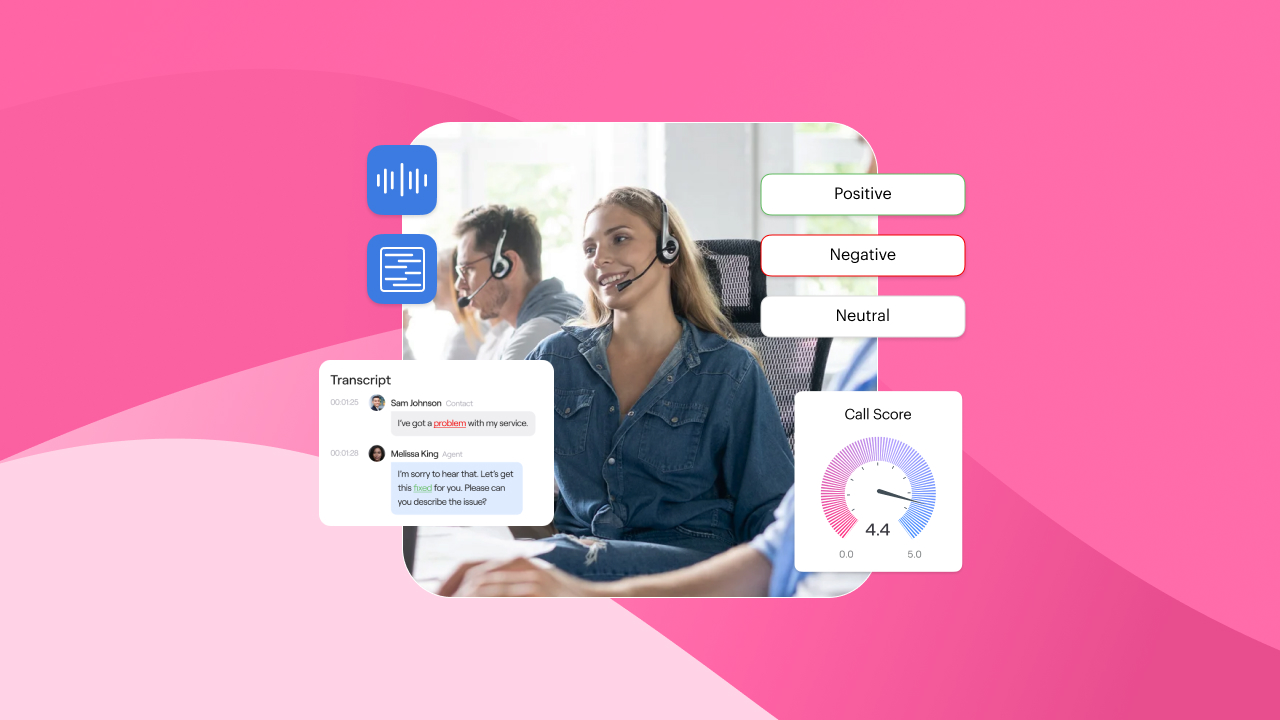
NLP in customer service is the use of natural language processing, the branch of AI that lets software understand and generate human language, to read, make sense of, and respond…


13 Oct 2026
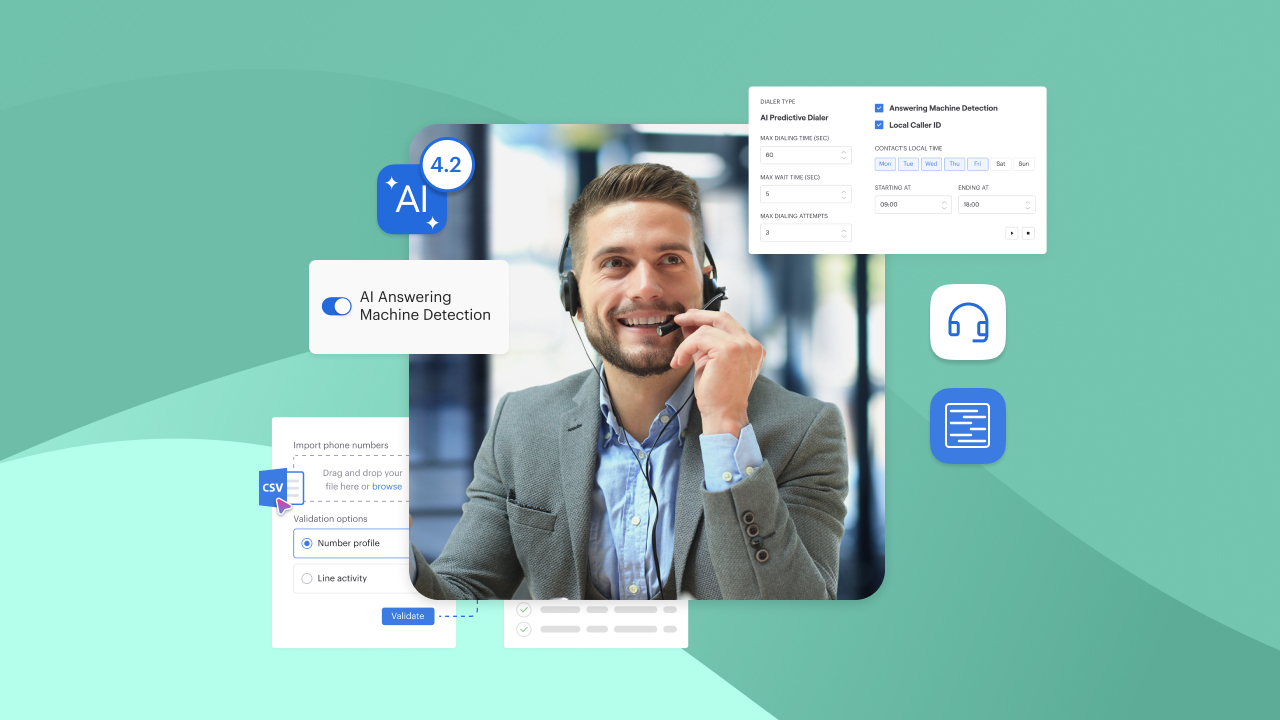
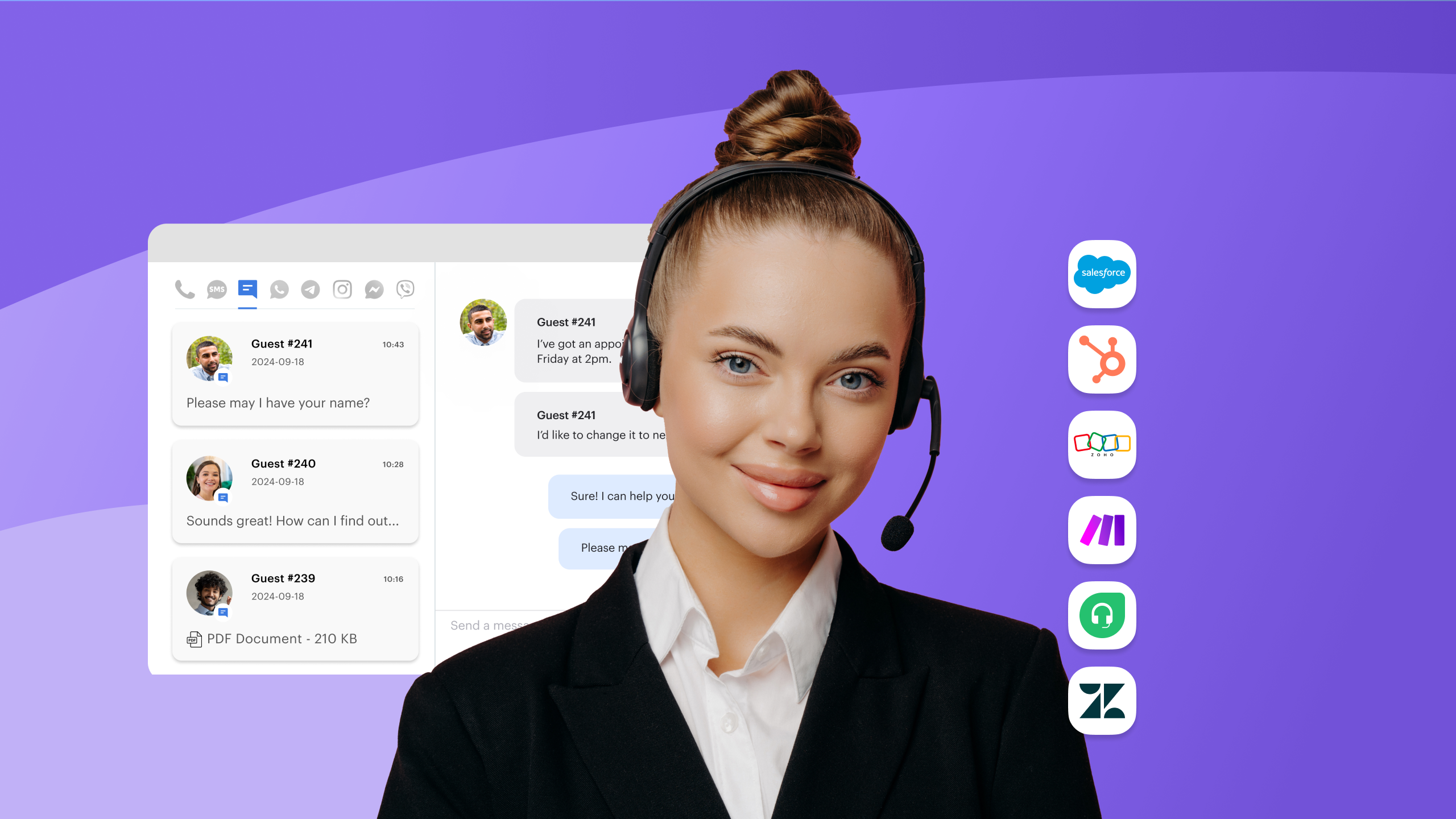
The best customer satisfaction survey questions are short, specific, and tied to a decision you plan to make with the answer. A good survey measures how people feel about a product, a service, or a single support interaction, then points clearly at what to fix. A bad one asks a dozen vague questions, annoys the […]
12 Oct 2026
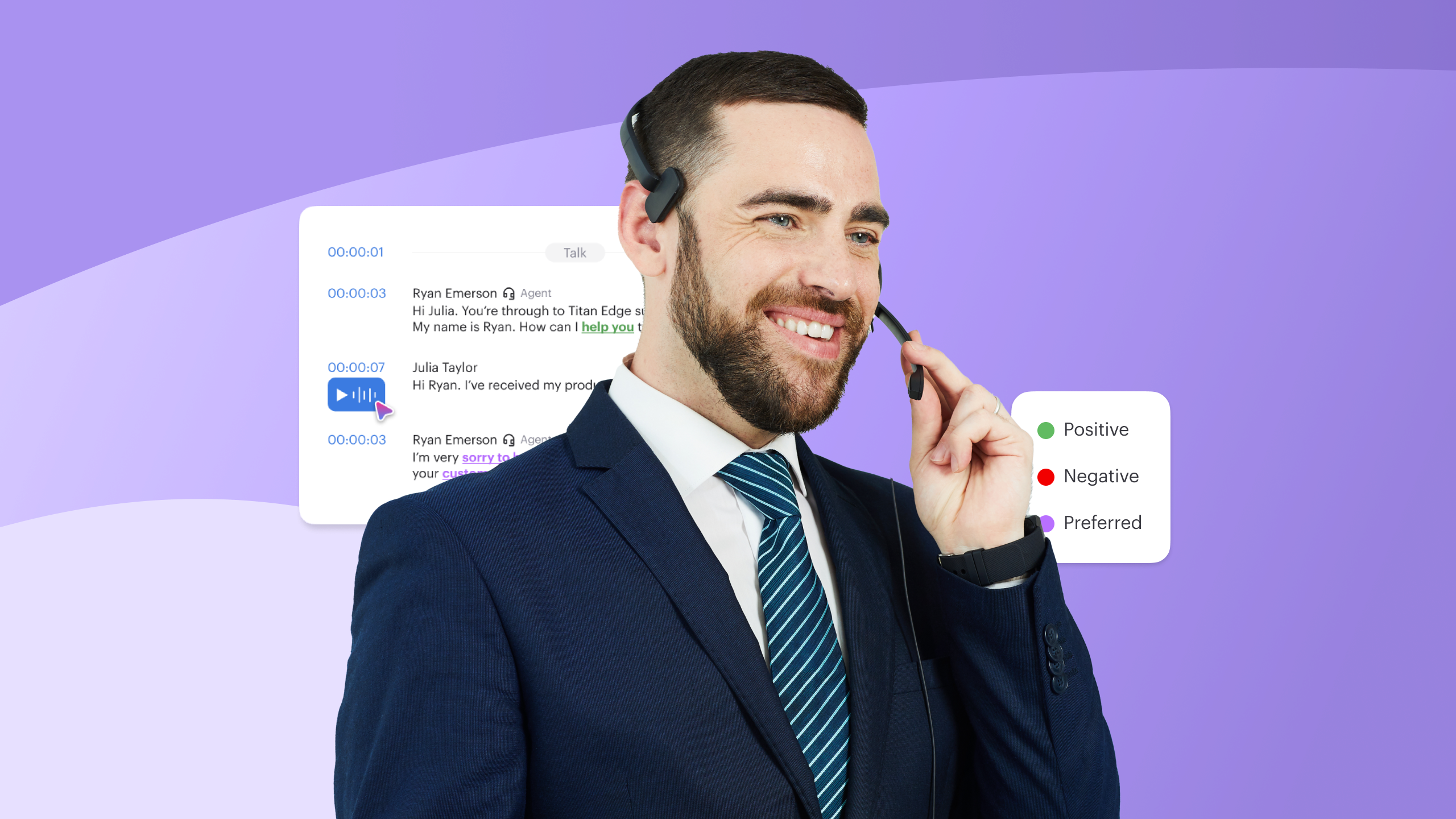
Probing questions in customer service are follow-up questions that move past a vague first statement to uncover what a customer really needs. When someone opens with “your app isn’t working,” a good probing question turns that into something an agent can actually solve. Used well, they cut repeat contacts, lift first contact resolution, and make […]

9 Oct 2026
AI cold calling is the use of conversational voice AI to automate or support outbound sales calls, from dialing a list to handling the opening exchange and booking a meeting. It ranges from AI that coaches a human rep mid-call to an autonomous voice agent that holds the whole conversation. For a sales or growth […]

8 Oct 2026
Inbound calls are started by the customer, who reaches out to a business for help; outbound calls are started by the business, reaching out to customers or prospects. That single difference in who dials first shapes almost everything else: the goal of the call, the skills an agent needs, the technology behind it, and the […]
7 Oct 2026
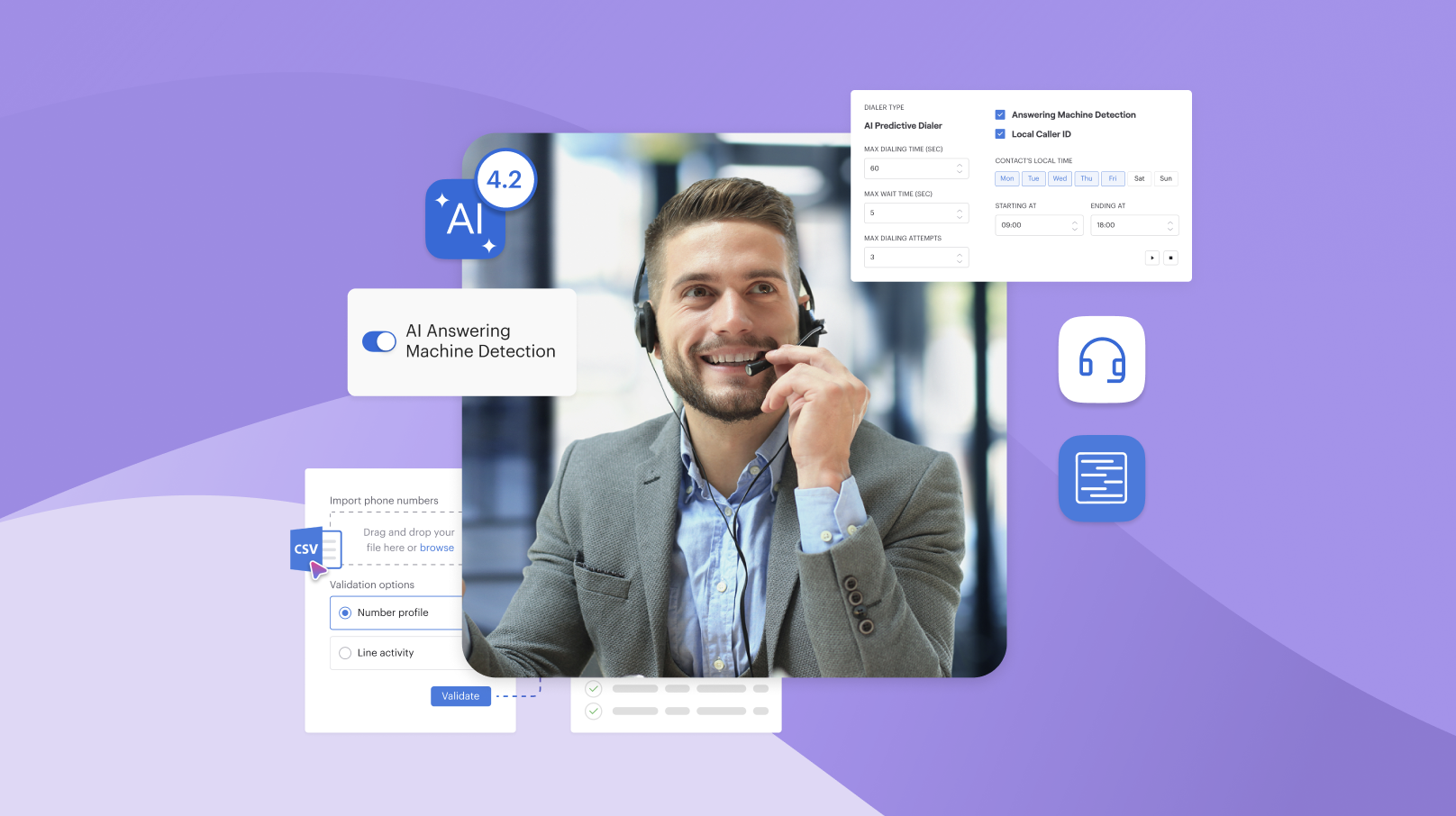
An AI call center is a customer service operation that uses artificial intelligence to handle, route, and support voice conversations, either on its own or alongside human agents. It applies technologies like speech recognition, natural language understanding, and generative AI to tasks that once needed a person for every step: answering routine questions, sending calls […]

6 Oct 2026
A brand is not what you say about yourself when the room is quiet. A brand is what still holds up when the client starts talking. That is the part many companies forget. We spend so much time polishing the message, refining the positioning, improving the visuals, preparing the campaigns, writing the website, shaping the […]


6 Oct 2026
For the past two years the standard prediction about sales development has been that AI would remove the role. The work looked like an obvious candidate. It was repetitive, high in volume, and easy to measure: build a list, find the addresses, write the email, send it, process the replies that say no. Most of […]

6 Oct 2026
SIP trunking is a way to carry phone calls over an internet connection instead of physical phone lines, by linking a company’s phone system to the public telephone network through a data connection. It replaces the copper wires and rigid line bundles of old telephony with virtual channels that scale up or down on demand. […]

5 Oct 2026
Customer service scripts are pre-written guides that help agents open a call, work through a problem, and close it well, without missing a step or a required disclosure. Used lightly, they give a new agent confidence and keep a whole team consistent. Used badly, they turn a person into a robot reading from a card. […]
2 Oct 2026
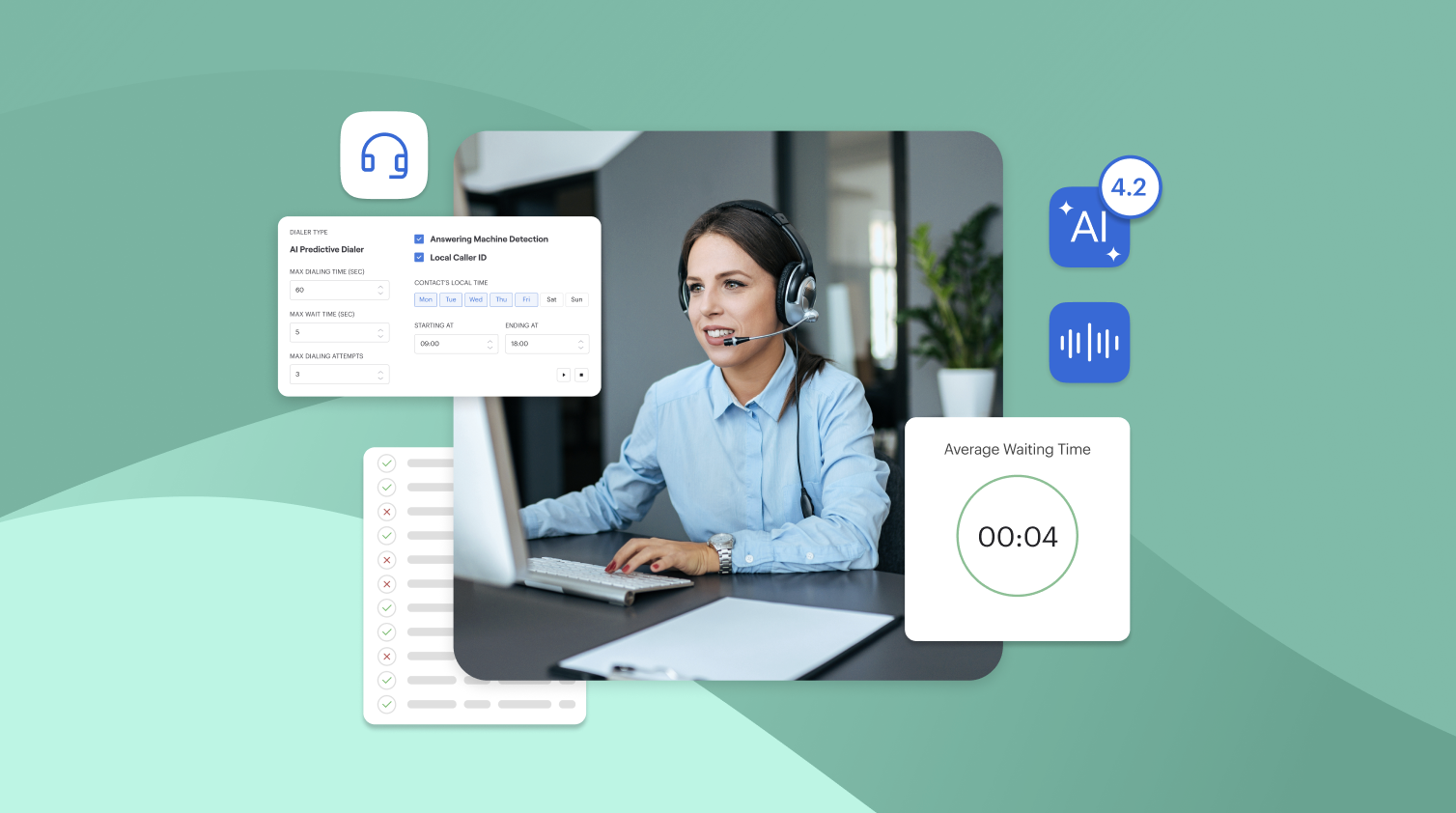
Contact center management is the practice of running the people, processes, and technology that handle customer conversations, so that service stays consistent whether a customer calls at 9am in Dubai or sends a chat at midnight in Toronto. It sits above the day-to-day work of answering calls. The manager’s job is to make the whole […]

1 Oct 2026
The skills needed for customer service in 2026 fall into three groups. First come the human abilities, such as active listening, empathy and emotional steadiness. Next are working skills like plain writing, diagnosis and fluency with contact center software. The third group is newer: compliance literacy and the ability to work alongside AI. Most published […]

30 Sep 2026
Quick answer: Most training methods used in call centers perform about as well as each other on paper, which is why ranked lists of them make such unsatisfying reading. What separates a method that changes behavior from one that fills a morning is how closely the practice resembles a real call, how quickly the agent […]
29 Sep 2026
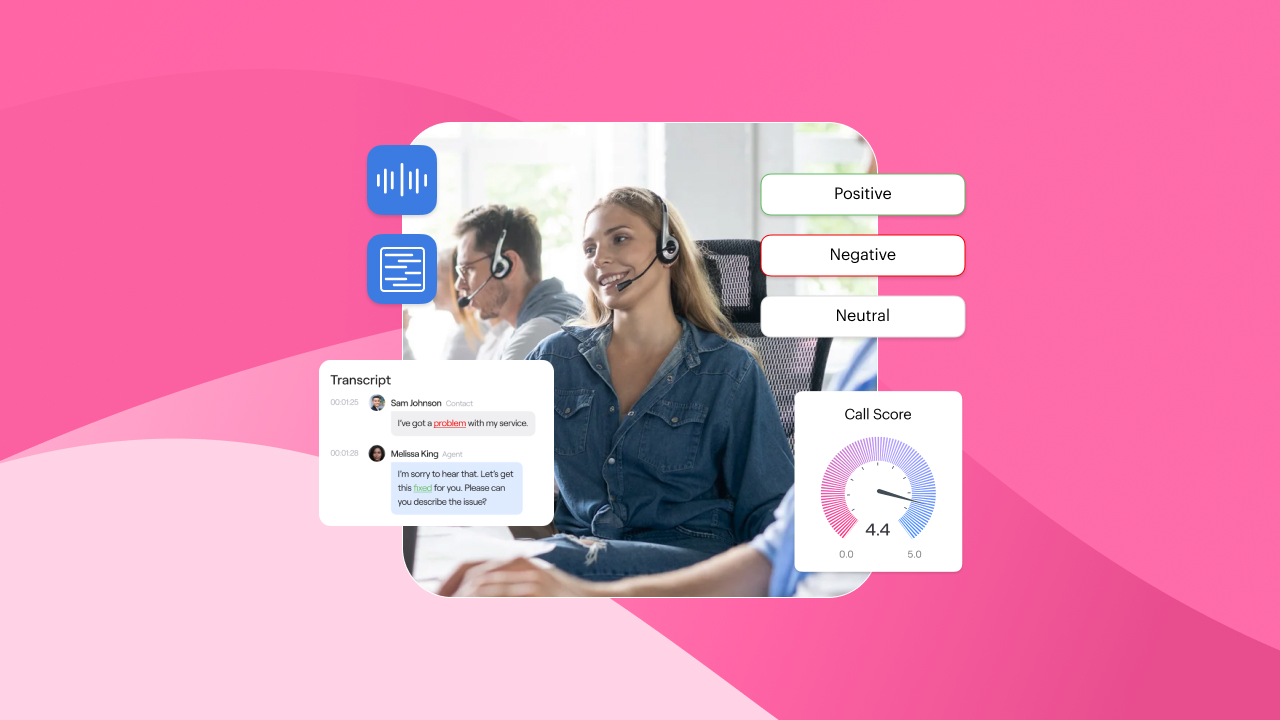
Quick answer: Both turn recorded language into structured data you can search, count, and report on. AI speech analytics analyzes spoken words from calls, which makes it the narrower predecessor covering voice calls only. Conversation analytics extends the same idea across chat, email, messaging apps, and voice together. The difference lies in what goes in […]
28 Sep 2026
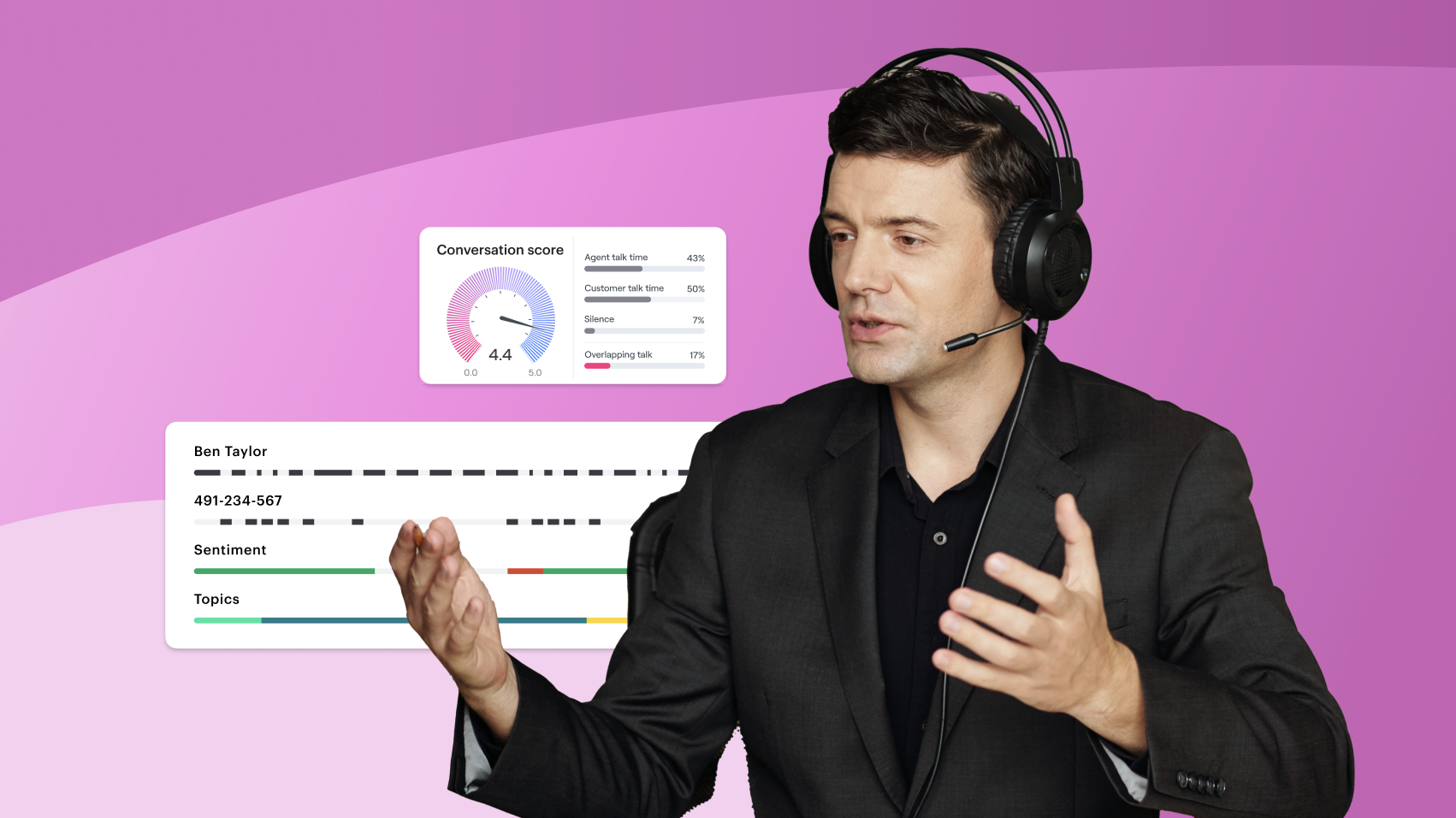
Quick answer: Call forwarding is simple redirection: an instruction attached to a number that sends every incoming call, or calls meeting one of a few fixed conditions, to one specific number elsewhere. Call routing is a decision made when the call arrives, evaluated against rules that can see who is logged in, how busy the […]

25 Sep 2026
Quick answer: A transcript is a record. A call summary is an interpretation. The transcript is derived from audio and imperfect, but every line can be checked against the recording it came from. The condensed version is a claim about what mattered, and nothing inside it tells you what was left out. That difference is […]

24 Sep 2026
Remote work, cross-border sales, and international communities aren't edge cases anymore. Statista research shows the number of people working remotely across national borders has climbed year over year, and app-based voice calling has grown right alongside it. GSMA data tells a similar story: global voice traffic keeps moving away from traditional carriers and toward internet-based calling apps, especially for international calls.

24 Sep 2026
Quick answer: These control different parts of what a recipient may see. Local caller ID usually means presenting a geographically relevant number, selected at origination to match the area being contacted. CNAM means the name associated with that number, which the receiving side typically resolves separately rather than receiving from you. The key difference is […]
23 Sep 2026
If you’re tired of rigid, overpriced call center software that never quite fits your workflow, open source might be the game-changer you need.

23 Sep 2026
Quick answer: Both terms usually refer to the same core function: deciding whether an outbound call was answered by a live person or by a recording. Answering machine detection (AMD) is the more traditional telephony term, predating widespread mobile voicemail, while some vendors use the newer label for the same or a closely related capability. […]

22 Sep 2026
Thanks to VoIP, making calls no longer means being tied to a clunky desk phone or worrying about your cell signal dropping in the middle of an important conversation.
22 Sep 2026
Quick answer: CSAT measures satisfaction with something that just happened, usually on a 1 to 5 scale, asked right after the moment. NPS asks how likely a customer is to recommend you, on a 0 to 10 scale, and reports the share of promoters minus the share of detractors. Use CSAT for diagnosing specific interactions […]