All Products

.svg)






Strong candidate communication sits at the centre of successful recruitment. Every message, call, update, reminder, and feedback conversation shapes how candidates view both the recruitment agency and the employer. When communication breaks down, trust declines, engagement falls, and talented people often move elsewhere.
Understanding how recruitment agencies can improve candidate communication has become increasingly important as hiring markets remain competitive and candidate expectations continue to rise.
The most successful agencies combine clear expectations, timely updates, personalised communication, and structured workflows to create a better candidate experience throughout the hiring process.
Quick Answer: How Can Recruitment Agencies Improve Candidate Communication?
Recruitment agencies can improve candidate communication by setting expectations during first contact, providing regular updates, using the candidate’s preferred communication channel, delivering timely interview feedback, and maintaining human interaction during important moments.
Agencies should also align with clients on feedback timelines so candidates aren’t left waiting without context.
Practical actions include:
- Set expectations before candidate submission
- Send updates even without a final decision
- Use calls for sensitive conversations
- Personalise messages around candidate priorities
- Track follow-ups in a CRM or ATS
- Monitor response times and feedback delays
- Maintain consistent communication throughout the process
Candidate Communication by Hiring Stage
| Hiring Stage | What Candidates Need | Best Channel | Agency Action |
| First contact | Why the recruiter is reaching out | Phone, email, LinkedIn | Explain relevance and next step |
| Application received | Confirmation and timeline | Send acknowledgement | |
| Screening completed | Summary and submission status | Email and phone | Confirm expectations |
| CV submitted | Review timeline | Explain process | |
| Interview scheduled | Preparation guidance | Email and SMS | Send details |
| Waiting for feedback | Status update | Email or phone | Send holding update |
| Rejection | Outcome and feedback | Phone or personalised email | Share useful feedback |
| Offer stage | Salary and next steps | Phone and email | Guide decision-making |
| Onboarding | Documentation and start details | Email and phone | Maintain engagement |
Why Candidate Communication Matters for Recruitment Agencies
Recruitment agencies act as the bridge between candidates and clients.
Poor communication can damage candidate trust, client reputation, employer branding efforts, and future referrals.
Strong communication improves:
- Candidate experience
- Candidate engagement
- Offer acceptance rates
- Long-term talent pipelines
- Referral opportunities
Candidates frequently judge both the agency and the employer based on how they are treated during recruitment.
Why Candidate Communication Is Harder for Agencies Than Internal Hiring Teams
Agency recruiters often depend on client feedback before providing answers.
Candidates may blame recruiters for delays even when the client creates the bottleneck.
Agencies must balance:
- Transparency
- Client confidentiality
- Candidate expectations
- Employer branding concerns
Strong communication helps agencies become trusted advisors rather than CV suppliers.
Poor Communication Creates Candidate Drop-Off
Long gaps between updates can cause candidates to:
- Lose interest
- Accept alternative opportunities
- Question employer commitment
- Stop responding
Poor communication often increases candidate ghosting and weakens future relationships.
Good Communication Builds Trust
Trust develops when candidates receive:
- Clear timelines
- Regular updates
- Useful feedback
- Honest explanations
- Human conversations
Consistent communication strengthens long-term candidate relationship management.
Everything your team needs in one platform
Set Communication Expectations Early in the Hiring Process
Many communication problems begin because expectations weren’t established at the start.
Candidates should understand:
- What happens next
- Who will contact them
- When updates will arrive
Avoid vague promises such as “we’ll be in touch soon.”
Explain the Recruitment Process Clearly
Cover every stage:
- Initial contact
- Application review
- Recruiter screening
- Client submission
- Client review
- Interviews
- Feedback
- Offer or rejection
- Onboarding
Candidates should understand where the agency’s responsibilities end and where client decision-making begins.
Give Realistic Timelines
Provide clear update dates whenever possible.
Common delay factors include:
- Client availability
- Hiring manager schedules
- Interview coordination
- Internal approvals
- Offer sign-off
When delays occur, send a holding update.
Ask for the Candidate’s Preferred Communication Channel
Candidates may prefer:
- Phone
- SMS
- Candidate portals
Urgent discussions generally work best over the phone.
Detailed information often belongs in email.
Keep Candidates Informed at Every Stage
Consistent communication should become part of the recruitment process.
Candidates should always know where they stand.
After Application or First Contact
Confirm:
- Receipt of application
- Review process
- Expected response timeline
Example:
“Thanks for your application. We’re reviewing profiles this week and will update you by Friday.”
After Recruiter Screening
Summarise:
- Salary expectations
- Notice period
- Location preferences
- Work model preferences
- Career motivations
- Availability
Explain whether submission to the client will occur.
After CV Submission to the Client
Tell candidates:
- Their profile has been submitted
- The review process timeline
- When the next update should arrive
Avoid guaranteeing interviews before confirmation.
Before Interviews
Provide:
- Date and time
- Interview format
- Interviewer details
- Location or video link
- Job description
- Notes about your client’s culture
- Preparation guidance
A reminder before the meeting can reduce no-shows.
After Interviews
Contact candidates quickly.
Discuss:
- Their perspective
- Interest level
- Expected feedback timing
Avoid leaving applicants uncertain after interviews.
Use Two-Way Communication, Not One-Way Updates
Communication should involve conversation rather than broadcasting updates.
Two-way communication improves candidate engagement and helps recruiters identify risks early.
Ask Candidates What They Need to Know
Useful questions include:
- What would help you evaluate this opportunity?
- What concerns do you have?
- What information would support your decision?
- What would make this role attractive?
Answers often reveal hidden concerns.
Invite Candidate Feedback During the Process
Ask candidates how the process feels after:
- Screening
- Interviews
- Offer discussions
Track recurring issues such as:
- Slow feedback
- Salary concerns
- Weak job descriptions
- Unclear next steps
Use Candidate Feedback to Improve Client Communication
Feedback can help agencies advise clients regarding:
- Interview delays
- Employer branding
- Compensation competitiveness
- Interview quality
This positions agencies as communication partners rather than simple recruiters.
Personalise Candidate Communication Without Slowing Recruiters Down
Personalisation doesn’t require writing every message from scratch.
Instead, recruiters should make communication relevant.
Personalise Messages Around Candidate Priorities
Reference information gathered during screening:
- Salary expectations
- Career goals
- Notice period
- Work-life balance preferences
- Location preferences
- Competing opportunities
Candidates should feel remembered, not processed.
Personalise Communication Around Your Client’s Culture
Help candidates understand:
- Team structure
- Management style
- Company values
- Growth plans
- Workplace expectations
This becomes especially valuable in remote and hybrid environments.
Use Templates Carefully
Templates save time.
However, recruiters should personalise:
- Candidate names
- Role titles
- Client information
- Hiring stage
- Next steps
Generic messages reduce engagement.
Choose the Right Communication Channels for Different Candidate Updates
Channel selection influences engagement and response rates.
A strong communication strategy uses different channels appropriately.
When to Use Phone Calls
Phone calls work best for:
- Interview feedback
- Offer discussions
- Salary concerns
- Counteroffer situations
- Sensitive conversations
Human interaction matters most when decisions carry emotional weight.
When to Use Email
Email suits:
- Application confirmations
- Interview details
- Job descriptions
- Formal updates
- Document requests
Candidates can refer back to information later.
When to Use SMS or Messaging
Best uses include:
- Interview reminders
- Schedule changes
- Quick confirmations
- Short updates
Avoid delivering sensitive feedback through text messages.
When to Use Candidate Portals or ATS Updates
Useful for:
- Application status
- Document uploads
- Compliance tasks
- Automated reminders
Portals should support human communication rather than replace it.
Improve Candidate Feedback After Interviews and Rejections
Feedback remains one of the biggest communication gaps in recruitment.
Rejected applicants still matter.
Many become future candidates, referral sources, or even clients.
Give Feedback Even When the Client Is Slow
Holding updates help maintain trust.
Example:
“We’re still waiting for final feedback from the hiring team. I’ll update you again by Thursday, even if there’s no final decision yet.”
Make Rejection Messages More Helpful
Where appropriate, share feedback regarding:
- Skills alignment
- Experience levels
- Salary fit
- Location considerations
- Interview themes
Avoid vague or careless comments.
Keep Strong Rejected Candidates Engaged
Consider:
- Future opportunities
- Talent communities
- Job alerts
- Future follow-up discussions
Strong candidates remain valuable even after rejection.
Align Candidate Communication With Client Communication
Candidate communication often fails when client communication lacks structure.
Agencies should establish expectations before submitting candidates.
Client Feedback Agreement Checklist
Clarify:
- Who provides feedback
- Feedback timelines
- Shareable feedback
- Salary approval ownership
- Interview stages
- Delay procedures
- Offer-stage responsibilities
Clear agreements improve communication consistency.
Improve the Hiring Brief Before Speaking to Candidates
Confirm:
- Responsibilities
- Required skills
- Salary range
- Benefits
- Work arrangements
- Hiring process
- Start date
- Decision-makers
Unclear briefs create unclear communication.
Translate Client Feedback Into Candidate-Friendly Language
Recruiters should convert internal feedback into language candidates understand.
Keep explanations:
- Respectful
- Professional
- Useful
- Appropriate
How Better Communication Reduces Candidate Ghosting
Candidates often ghost when trust disappears or communication weakens.
Better communication cannot prevent every case, but it reduces avoidable drop-off.
Confirm Motivation After Every Major Stage
Recheck:
- Interest levels
- Salary expectations
- Availability
- Competing interviews
Concerns become easier to address when identified early.
Keep Candidates Warm During Client Delays
Send regular updates.
Explain delays where appropriate.
Always provide the next update date.
Use Reminders to Reduce No-Shows
Include:
- Interview reminders
- Video links
- Location details
- Preparation guidance
- Contact information
Preparation improves attendance rates.
Candidate Communication Dos and Don’ts
| Do | Don’t |
| Give update dates | Promise vague follow-up |
| Explain delays honestly | Blame the client |
| Ask channel preferences | Assume every person prefers calls |
| Personalise messages | Send generic templates |
| Use calls for sensitive topics | Deliver major feedback by text |
| Track follow-ups | Depend on memory |
| Send holding updates | Wait for final decisions |
Example Candidate Communication Cadence
| Situation | Suggested Cadence |
| New applicant | Confirmation within 24 hours |
| Screened candidate | Summary same day |
| Submitted to client | Update within review window |
| Waiting for feedback | Every 2–3 business days |
| Interview scheduled | Confirmation plus reminder |
| Offer stage | Same-day discussion where possible |
| Rejected after interview | Prompt communication |
These are suggested standards rather than universal rules.
Communication frequency should reflect urgency, market conditions, and candidate preferences.
Use Automation Without Losing the Human Touch
Automation improves consistency.
Over-automation can harm trust.
What to Automate and What to Keep Human
| Communication Task | Automate? | Reason |
| Application confirmation | Yes | Immediate acknowledgement |
| Interview reminder | Yes | Reduces no-shows |
| Document request | Yes | Standard process |
| Feedback delay update | Partial | Needs personalisation |
| Final-stage rejection | No | Requires empathy |
| Offer negotiation | No | Needs judgement |
| Salary concerns | No | Sensitive topic |
| Onboarding reminder | Partial | Benefits from recruiter involvement |
Automate Routine Updates
Suitable examples include:
- Application confirmations
- Interview reminders
- Document requests
- Follow-up prompts
- Survey requests
Keep Human Contact for Important Moments
Human interaction remains essential for:
- Interview feedback
- Offer discussions
- Salary conversations
- Counteroffer risks
- Candidate concerns
Be Transparent About AI and Automated Messages
Candidates should know when automation is involved.
Always provide access to a real recruiter.
Measure Candidate Communication Performance
Recruitment agencies should track communication quality alongside placement performance.
Candidate Communication Metrics to Track
Monitor:
- Response time after application
- Time between updates
- Feedback turnaround
- Candidate drop-off
- Satisfaction scores
- Offer acceptance rates
- Referral rates
- Follow-up completion
Use Candidate Feedback Surveys
Short surveys can ask:
- Did you receive clear updates?
- Did you understand next steps?
- Was the recruiter easy to reach?
- Was the process respectful?
Results support continuous improvement.
Review Communication by Recruiter, Client, and Role Type
Analyse:
- Recruiter consistency
- Client delays
- Candidate drop-off patterns
- Communication effectiveness
Data reveals opportunities for improvement.
Candidate Communication Templates Recruitment Agencies Can Use
Application Acknowledgement Template
Use when: A candidate applies.
Message:
“Hi [Name], thanks for your application for the [Role Title] position. We’re reviewing profiles this week and will update you by [Date]. Please reach out if you have questions.”
Candidate Submission Update Template
Use when: A profile is submitted.
Message:
“Hi [Name], I’ve submitted your profile for the [Role Title] position. The client is reviewing candidates this week, and I’ll update you by [Date], even if there’s no final decision yet.”
Interview Confirmation Template
Use when: An interview is scheduled.
Message:
“Hi [Name], your interview is confirmed for [Date] at [Time]. I’ve included preparation notes and additional details below.”
Waiting for Client Feedback Template
Use when: Feedback remains pending.
Message:
“Hi [Name], we’re still waiting for feedback after your interview. I’ll update you by [Date], even if there’s no final decision yet.”
Rejection With Useful Feedback Template
Use when: A candidate is unsuccessful.
Message:
“Hi [Name], thank you for your time throughout the process. The client has chosen another candidate. The feedback I can share is [Feedback]. I’d be happy to discuss future opportunities if you’re interested.”
Offer Stage Communication Template
Use when: An offer arrives.
Message:
“Hi [Name], congratulations. The company would like to make you an offer. Let’s review salary, benefits, start date, and next steps together.”
Communication Quality Checklist for Recruiters
Before sending an update, confirm:
- Does the candidate know their current stage?
- Have next steps been explained?
- Have we provided an update date?
- Is this the right communication channel?
- Is the message personalised?
- Has the outcome been recorded?
- Is a follow-up task scheduled?
- Does the message protect candidate trust and client confidentiality?
How Recruitment Agencies Can Use Better Calling Workflows to Improve Candidate Communication
Communication often breaks down when conversations, notes, reminders, and follow-ups exist across separate systems.
Common Communication Problems as Agencies Grow
Challenges often include:
- Forgotten follow-ups
- Incomplete notes
- Missing call outcomes
- Delayed interview feedback
- Inconsistent recruiter messaging
- Limited manager visibility
High-volume outreach becomes harder to manage manually.
What Recruitment Agencies Should Look For in Communication Tools
Useful features include:
- Call tracking
- CRM integration
- Follow-up reminders
- Call disposition tracking
- Candidate notes
- Performance dashboards
- Team visibility
- Outbound outreach support
- Response-time reporting
Where Voiso Fits Naturally
As recruitment agencies grow, candidate communication often breaks down because calls, notes, reminders, and follow-ups are spread across different systems.
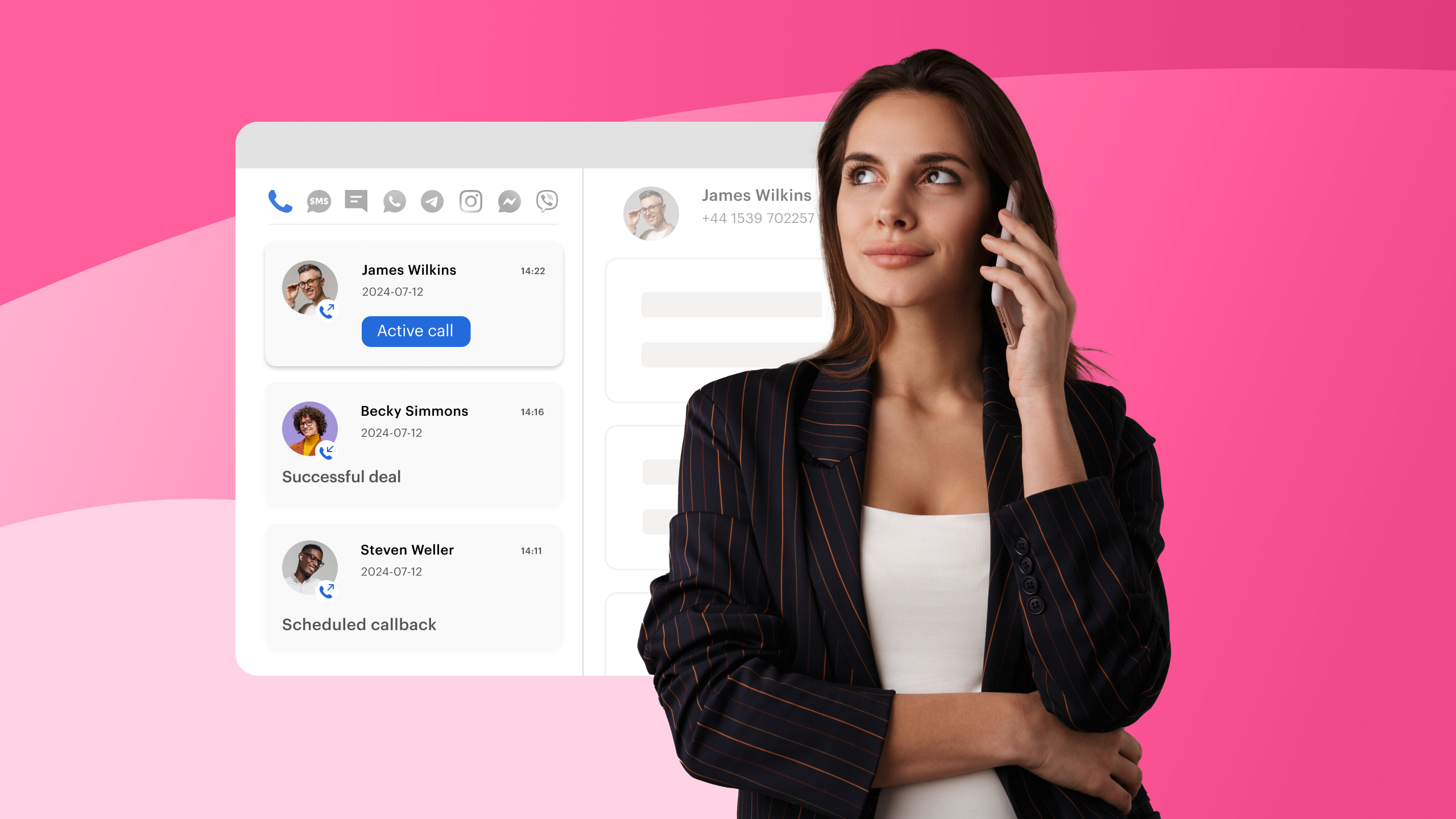
A cloud contact center platform such as Voiso can support recruitment teams by helping them track candidate conversations, log call outcomes, review communication quality, and manage follow-up activity more consistently across the hiring process.
FAQs
What Is Candidate Communication in Recruitment?
Candidate communication includes every message, call, update, reminder, and feedback exchange between recruiters and candidates. It covers the entire journey, from first contact and application through interviews, offers, rejection, and onboarding. Effective communication gives job seekers clarity and confidence throughout the process.
Why Is Candidate Communication Important for Recruitment Agencies?
Recruitment agencies represent both candidates and clients. Poor communication can damage trust, increase drop-off rates, and harm employer branding. Strong communication improves candidate engagement, referral opportunities, offer acceptance rates, and long-term relationship management with talented professionals.
How Often Should Recruiters Update Candidates?
Recruiters should communicate whenever a stage changes, a delay occurs, feedback becomes available, or a next step is confirmed. Even without a final decision, candidates should receive holding updates. Clear update dates work better than vague promises.
What Is the Best Communication Channel for Candidates?
No single communication channel works for every situation. Calls suit important discussions, email supports detailed information, and SMS works well for reminders. Candidate preference should guide channel selection whenever practical and appropriate.
How Can Recruitment Agencies Avoid Candidate Ghosting?
Set expectations early, confirm motivation regularly, discuss competing opportunities, align salary expectations, send reminders before interviews, and maintain communication during delays. Consistent follow-up reduces uncertainty and helps candidates remain engaged throughout the process.
Should Recruiters Give Feedback to Rejected Candidates?
Yes, whenever useful feedback can be shared appropriately. Respectful feedback helps candidates understand outcomes and preserves positive relationships. Even when detailed client feedback isn’t available, recruiters should communicate decisions clearly and professionally.
How Can Agencies Improve Candidate Communication When Clients Are Slow?
Set client expectations before submission, send holding updates regularly, avoid blaming the client, provide realistic update dates, and escalate recurring delays where necessary. Structured communication helps maintain trust during slower hiring processes.
Can Automation Improve Candidate Communication?
Yes. Automation can support application confirmations, interview reminders, document requests, and follow-up tasks. Sensitive conversations such as final-stage rejection, offer discussions, and salary concerns still require human interaction. The strongest approach combines automation with personal communication.
Conclusion
Recruitment agencies can improve candidate communication by being clear, consistent, personalised, and proactive throughout the hiring process.
Candidates should never wonder what happens next.
Better communication improves:
- Candidate experience
- Candidate engagement
- Candidate satisfaction
- Client reputation
- Offer acceptance
- Candidate nurturing
- Long-term talent pipelines
The strongest agencies combine human communication with structured workflows, templates, automation, and performance tracking.
For agencies managing frequent candidate conversations and follow-ups, tools such as Voiso can support more consistent communication by helping teams manage interactions, track outcomes, and improve visibility across the recruitment process.
Related Articles