All Products

.svg)




Healthcare organizations handle thousands of patient interactions every day. Appointment scheduling, prescription requests, nurse triage, follow-up care, billing inquiries, and emergency communications all depend on reliable voice infrastructure. A missed call can mean more than lost revenue. It can affect patient outcomes.
Traditional phone systems often struggle to support modern medical practices. Aging hardware, limited scalability, fragmented workflows, and insufficient support for remote care create operational bottlenecks. At the same time, healthcare providers face strict HIPAA requirements governing how Protected Health Information (PHI) moves through communication channels.
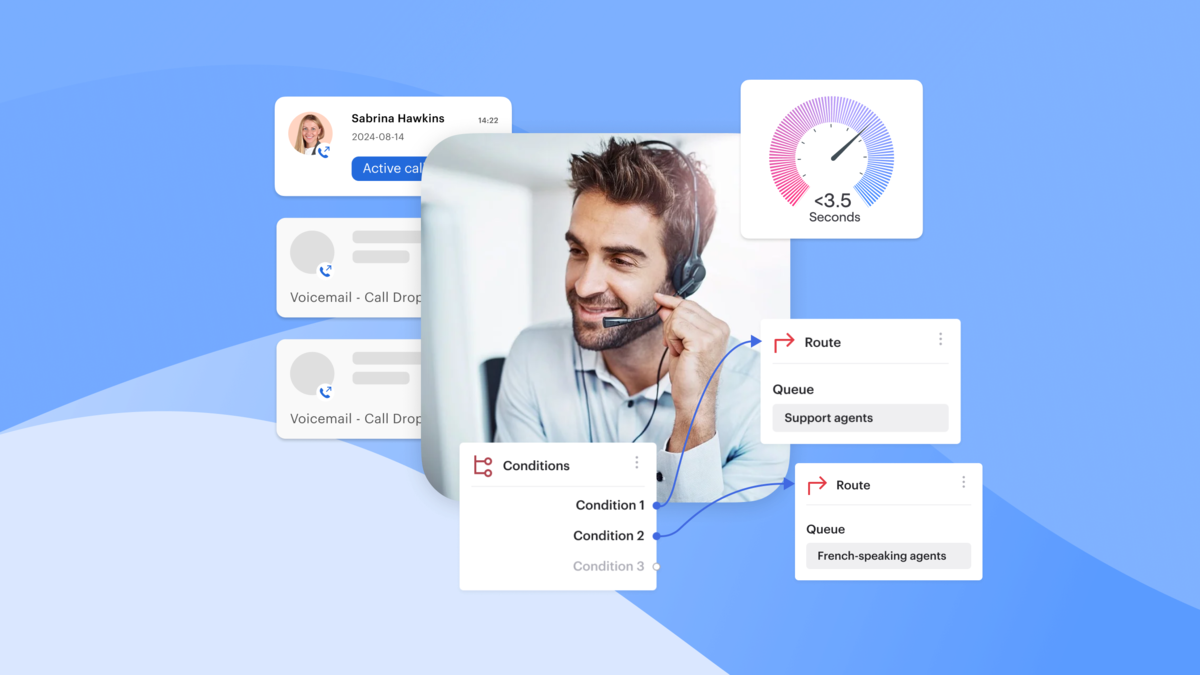
Cloud-based communications solve many of those challenges. Modern platforms deliver secure patient communication, intelligent call routing, telehealth support, EHR integrations, and business continuity capabilities without requiring costly on-premise infrastructure.
This guide examines the best healthcare cloud based phone systems available in 2026, compares leading providers, explores HIPAA compliance requirements, and outlines the features healthcare organizations should prioritize when evaluating a new solution. The structure, provider list, and evaluation criteria follow the uploaded content brief.
Understanding Healthcare-Specific Phone System Requirements
Healthcare communication differs significantly from other industries.
Medical practices must balance patient experience, operational efficiency, security, compliance, and clinical coordination.
HIPAA Compliance And Patient Privacy Protection
HIPAA governs how healthcare organizations protect PHI.
A compliant phone system should support:
- Secure voice communications
- Encrypted call recordings
- Protected voicemail storage
- Access controls
- Audit logging
- Data retention management
Providers handling PHI must also offer a Business Associate Agreement (BAA).
Without a signed BAA, healthcare organizations face unnecessary compliance risk.
Call recording introduces additional complexity. Medical practices must follow both HIPAA requirements and state-specific recording consent laws.
Security Features Essential For Medical Practices
Healthcare communications require multiple layers of protection.
Important capabilities include:
- End-to-end encryption
- Multi-factor authentication
- Role-based permissions
- Secure voicemail storage
- Audit trails
- Session management controls
- Compliance reporting
Healthcare organizations should also review vendor certifications such as:
- HIPAA support
- SOC 2
- ISO 27001
Security controls protect patient data while helping organizations satisfy regulatory obligations.
Reliability And Uptime Requirements
Communication downtime can affect patient care.
Healthcare providers should prioritize platforms offering:
- 99.99% or higher uptime
- Geographic redundancy
- Automatic failover
- Disaster recovery capabilities
- Emergency call routing
Hospitals, clinics, and urgent care centers cannot afford prolonged service interruptions.
Reliable infrastructure supports continuity during emergencies, natural disasters, and unexpected outages.
Key Benefits Of Cloud-Based Phone Systems For Healthcare
Healthcare providers increasingly adopt cloud communications because they solve operational challenges while supporting patient engagement.
Enhanced Patient Communication And Experience
Patient satisfaction often depends on communication quality.
Cloud-based phone systems help reduce friction through:
- Intelligent call routing
- Automated appointment reminders
- SMS notifications
- Virtual queues
- Callback options
Patients reach the right department faster while spending less time on hold.
Streamlined Clinical Operations
Clinical staff already manage complex workloads.
Integrated communication platforms simplify operations by connecting voice communications with healthcare software.
Benefits include:
- EHR integration
- Automated patient lookup
- Nurse triage routing
- On-call physician scheduling
- Department-specific workflows
Administrative burdens decrease while staff efficiency improves.
Cost Efficiency For Healthcare Organizations
Traditional PBX infrastructure requires significant investment.
Cloud solutions eliminate:
- Hardware purchases
- Maintenance contracts
- Upgrade expenses
- Dedicated telecom infrastructure
Subscription pricing creates predictable budgeting.
Multi-location organizations often realize additional savings through centralized communications management.
Support For Remote And Hybrid Healthcare
Healthcare delivery continues expanding beyond physical facilities.
Modern systems support:
- Telehealth consultations
- Remote scheduling teams
- Mobile physician access
- Distributed care coordination
- Secure remote communication
Staff can communicate effectively regardless of location while maintaining compliance requirements.
Quick Comparison: Top Healthcare Cloud Phone Systems At A Glance
| Provider | HIPAA & BAA | Best For | Key Features | EHR Integrations | Support |
| Voiso | Yes | Hospitals & patient support centers | Omnichannel communications, advanced routing, analytics | Extensive | 24/7 |
| CloudTalk | Yes | Small to medium clinics | Routing, recording, callback queues | Moderate | Strong |
| RingCentral | Yes | Large healthcare organizations | UCaaS, telehealth, collaboration | Extensive | 24/7 |
| Dialpad | Yes | AI-driven practices | Transcription, AI insights, telehealth | Good | 24/7 |
| Vonage | Yes | Multi-location medical groups | APIs, routing, scalability | Strong | 24/7 |
| RingRX | Yes | Specialized medical practices | Healthcare workflows, reminders | Healthcare-focused | Strong |
| 8×8 | Yes | Healthcare enterprises | UCaaS + contact center | Extensive | 24/7 |
| Nextiva | Yes | Growing clinics | Voice, messaging, patient communication | Good | Strong |
| GoTo Connect | Yes | Smaller healthcare providers | Simple deployment, collaboration | Moderate | Strong |
Everything your team needs in one platform
Best Healthcare Cloud-Based Phone Systems: Detailed Reviews
1. Voiso — Best For Healthcare Contact Centers And Patient Support
Overview
Voiso delivers a comprehensive contact center platform built to support high-volume healthcare communications.
The platform helps hospitals, clinics, patient support teams, nurse triage operations, and healthcare contact centers manage complex patient interactions efficiently.
Pros
- Advanced healthcare call routing
- HIPAA-compliant infrastructure
- Omnichannel communication capabilities
- EHR integration support
- Real-time analytics
- Strong scalability
- Dedicated healthcare onboarding
Cons
- Advanced functionality may exceed very small practice requirements
- Complex workflows require thoughtful implementation
Key Healthcare Features
- HIPAA-compliant call recording
- Intelligent patient routing
- Appointment reminder automation
- Callback management
- Care coordination workflows
- On-call physician routing
- Secure messaging
- Patient satisfaction tracking
HIPAA Compliance
Voiso supports HIPAA compliance with:
- Signed BAA
- Encryption
- Audit logging
- Secure storage
- Access controls
Best For
- Hospitals
- Healthcare systems
- Patient support centers
- Multi-location clinics
- Nurse triage operations
CloudTalk — Best Overall For Small To Medium Medical Practices
CloudTalk offers a balance of affordability, usability, and healthcare functionality.
Medical offices often appreciate the platform’s straightforward deployment process.
Pros
- User-friendly interface
- Competitive pricing
- Fast implementation
- Mobile accessibility
- Strong support
Cons
- Fewer enterprise-grade capabilities
- Smaller healthcare integration ecosystem
Best For
- Primary care clinics
- Specialty practices
- Dental offices
- Outpatient facilities
2. RingCentral — Best Enterprise Healthcare Communications Platform
RingCentral combines cloud telephony, messaging, collaboration, and video within a unified platform.
Large healthcare organizations frequently choose RingCentral because of its reliability and extensive integration library.
Pros
- Strong uptime guarantees
- Extensive integrations
- Telehealth support
- Enterprise scalability
- Team collaboration tools
Cons
- Higher pricing
- Greater implementation complexity
Best For
- Hospitals
- Multi-specialty groups
- Enterprise healthcare systems
3. Dialpad — Best AI-Powered Healthcare Communication
Dialpad differentiates itself through AI capabilities.
Healthcare providers can leverage real-time transcription, call summaries, and conversation insights to improve operational efficiency.
Pros
- AI transcription
- Automated documentation support
- Strong mobile experience
- Telehealth functionality
Cons
- Smaller healthcare market presence
- Advanced AI tiers increase costs
Best For
- Digital-first clinics
- Telehealth providers
- Technology-focused practices
4. Vonage — Best For Multi-Location Healthcare Organizations
Vonage supports complex healthcare networks requiring centralized management across multiple locations.
Pros
- Strong scalability
- Flexible APIs
- Multi-location routing
- Reliable infrastructure
Cons
- Administrative setup can be complex
- Certain features require add-ons
Best For
- Regional healthcare groups
- Distributed medical networks
- Multi-site clinics
5. RingRX — Best Specialized Healthcare Phone System
RingRX focuses exclusively on healthcare communications.
The platform includes numerous medical workflow capabilities not commonly found in general-purpose business communications platforms.
Pros
- Healthcare-specific workflows
- Appointment reminders
- On-call physician management
- Healthcare-focused support
Cons
- Smaller ecosystem
- Limited unified communications capabilities
Best For
- Family medicine
- Specialty clinics
- Dental practices
- Independent medical groups
6. 8×8 — Best For Healthcare Enterprises
8×8 combines UCaaS and contact center functionality within one environment.
Large healthcare organizations often benefit from its scalability and omnichannel communication capabilities.
7. Nextiva — Best For Growing Clinics
Nextiva provides a straightforward communications platform suitable for practices prioritizing ease of use and customer service.
8. GoTo Connect — Best For Smaller Healthcare Providers
GoTo Connect delivers reliable communication tools without excessive complexity.
Smaller clinics often appreciate its affordability and simplicity.
Essential Features For Healthcare Cloud Phone Systems
Choosing a healthcare cloud-based phone system requires more than comparing prices. Medical organizations need tools that support compliance, patient engagement, and clinical workflows.
HIPAA Compliance And Security Features
Every compliant phone solution should provide:
- Signed Business Associate Agreements (BAA)
- End-to-end encryption
- Secure voicemail storage
- Role-based permissions
- Audit trails
- Access management controls
- PHI protection safeguards
- Secure messaging capabilities
Healthcare providers should verify compliance documentation before deployment.
Patient Communication Tools
Patient communication directly affects satisfaction and operational efficiency.
Important features include:
- Intelligent call routing
- IVR menus
- Appointment reminders
- SMS notifications
- Callback queues
- Multilingual support
- After-hours routing
- Patient satisfaction surveys
These capabilities help reduce hold times and improve accessibility.
Clinical Workflow Integration
Healthcare staff work more efficiently when communications connect directly with patient data.
Useful integrations include:
- EHR connectivity
- Practice management software
- Patient records access
- Click-to-call functionality
- Automated documentation
- Secure provider messaging
Integrated workflows reduce administrative burden and improve care coordination.
Call Management For Medical Practices
Healthcare organizations often require specialized routing capabilities.
Examples include:
- Nurse triage routing
- Department call management
- On-call physician scheduling
- Emergency escalation procedures
- Specialty-based call distribution
- Secure call recording
Proper call management helps patients reach the right provider quickly.
Telehealth And Video Capabilities
Telehealth continues expanding across healthcare.
Modern platforms should support:
- HIPAA-compliant video consultations
- Virtual waiting rooms
- Screen sharing
- Secure file transfers
- Mobile video access
- Telehealth platform integrations
Virtual care increasingly depends on reliable communications infrastructure.
Reporting And Analytics
Analytics help organizations optimize patient experiences.
Key reporting capabilities include:
- Call volume analysis
- Wait time monitoring
- Abandoned call tracking
- Patient satisfaction metrics
- Appointment conversion reporting
- Staff performance insights
Healthcare leaders can use these insights to improve operations continuously.
How To Choose The Right Healthcare Phone System
Assess Your Practice Type And Size
Requirements vary significantly between organizations.
Small Practices (1–10 Providers)
Priorities often include:
- Ease of use
- Affordability
- Appointment management
- Basic integrations
Medium Practices (11–50 Providers)
Additional requirements may include:
- Department routing
- Multi-provider scheduling
- Analytics
- Telehealth capabilities
Large Healthcare Organizations
Enterprise environments often need:
- Contact center functionality
- Extensive integrations
- Advanced compliance controls
- Multi-location support
Determine Your Compliance Requirements
Every healthcare organization should evaluate:
- HIPAA obligations
- BAA requirements
- State regulations
- Recording consent laws
- Telehealth compliance standards
Compliance evaluation should occur before vendor selection.
Evaluate Integration Needs
The best phone system should fit seamlessly into existing workflows.
Verify compatibility with:
- Epic
- Cerner
- Athenahealth
- eClinicalWorks
- Practice Fusion
- Billing systems
- Patient portals
Integration capabilities often influence long-term ROI.
Consider Patient Volume And Call Patterns
Analyze:
- Daily call volumes
- Seasonal fluctuations
- Appointment scheduling demand
- After-hours requirements
- Language support needs
Understanding communication patterns helps identify appropriate platform capacity.
Budget And Total Cost Of Ownership
Evaluate:
- Monthly subscription fees
- Implementation costs
- Training expenses
- Hardware investments
- Support packages
- Contract terms
The lowest monthly price doesn’t always represent the best value.
Implementation Guide For Healthcare Phone Systems
Planning Your Migration
Healthcare deployments typically require four to eight weeks.
Preparation should include:
- Number porting plans
- EHR integration mapping
- User provisioning
- Staff communication
- Contingency planning
Careful planning minimizes disruption.
HIPAA Compliance Setup
Implementation teams should:
- Execute BAAs
- Configure encryption
- Establish permissions
- Define recording policies
- Create audit logging procedures
Security settings should be validated before launch.
Configuring Healthcare-Specific Features
Setup commonly includes:
- Department routing
- Appointment reminders
- Physician schedules
- Emergency workflows
- Patient callback systems
- Specialty routing paths
Configuration should reflect actual clinical operations.
Staff Training And Adoption
Training should cover:
- Call handling procedures
- HIPAA requirements
- Telehealth workflows
- Emergency escalation processes
- Patient communication standards
Adoption improves when employees understand both technology and compliance responsibilities.
HIPAA Compliance Deep Dive For Healthcare Phone Systems
Understanding BAA Requirements
A Business Associate Agreement defines responsibilities between healthcare organizations and vendors handling PHI.
A BAA should address:
- Data protection responsibilities
- Breach notification procedures
- Subcontractor obligations
- Compliance requirements
- Liability provisions
Healthcare providers should review BAAs carefully.
Technical Safeguards For PHI Protection
Important safeguards include:
- TLS encryption
- AES-256 encryption
- Secure recordings
- Authentication controls
- Session management
- Backup systems
Strong technical protections reduce compliance risk.
Administrative And Physical Safeguards
Organizations should also implement:
- User management policies
- Employee training programs
- Incident response procedures
- Security assessments
- Vendor reviews
Compliance depends on both technology and governance.
Documentation And Audit Requirements
Healthcare providers should maintain:
- Access logs
- Call records
- Consent documentation
- Security assessments
- Compliance reports
Comprehensive documentation supports regulatory audits.
Integrating Phone Systems With Healthcare Software
Electronic Health Record (EHR) Integration
EHR integrations often provide:
- Screen pop functionality
- Patient identification
- Click-to-call capabilities
- Call logging
- Appointment scheduling access
Staff gain faster access to critical information.
Practice Management System Integration
Practice management integrations support:
- Scheduling workflows
- Billing communication
- Insurance verification
- Patient demographics
- Revenue cycle operations
Integrated systems reduce manual work.
Patient Portal And Communication Platforms
Modern healthcare communications increasingly connect with:
- Patient portals
- Secure messaging platforms
- Telehealth systems
- Appointment management tools
Unified patient engagement improves accessibility and convenience.
Healthcare Phone System Best Practices
Patient Communication Excellence
Strong communication programs focus on:
- Reduced wait times
- Professional greetings
- Callback options
- Clear escalation paths
- Multilingual accessibility
Patient experiences improve when communication feels seamless.
Clinical Team Collaboration
Care coordination often requires:
- Secure provider messaging
- On-call scheduling
- Referral communication
- Escalation workflows
- Multi-location collaboration
Effective communication supports better patient outcomes.
Compliance And Quality Assurance
Organizations should regularly review:
- Recorded interactions
- Compliance performance
- Patient feedback
- Operational metrics
- Security controls
Continuous improvement strengthens service quality.
Emergency Preparedness
Healthcare organizations should establish:
- Disaster recovery plans
- Backup communication channels
- Emergency routing procedures
- Staff notification systems
Preparedness reduces risk during disruptions.
Cost Analysis: Healthcare Phone System ROI
Direct Cost Savings
Cloud-based systems reduce expenses associated with:
- PBX hardware
- Maintenance contracts
- Infrastructure upgrades
- Telecommunications complexity
Many organizations realize savings quickly.
Operational Efficiency Gains
Productivity improvements often result from:
- Automated reminders
- Reduced transfers
- Faster patient identification
- Integrated workflows
- Improved scheduling efficiency
Administrative teams spend less time managing communication tasks.
Revenue Enhancement Opportunities
Better communication can contribute to:
- Increased appointment bookings
- Reduced no-shows
- Stronger patient retention
- More telehealth visits
- Improved referral activity
Revenue benefits often extend beyond direct cost savings.
Calculating Total Cost Of Ownership
Organizations should compare:
- Subscription fees
- Setup costs
- Training expenses
- Hardware investments
- Support costs
Three- to five-year comparisons typically favor cloud solutions.
Specialty-Specific Healthcare Phone System Considerations
Primary Care And Family Medicine
Priorities often include:
- Appointment scheduling
- Prescription refill requests
- Patient recall campaigns
- After-hours triage
Dental And Orthodontic Practices
Important features include:
- Automated reminders
- Treatment follow-ups
- Insurance verification workflows
- Multi-location coordination
Mental Health And Behavioral Health
Behavioral health providers often require:
- Crisis escalation workflows
- Confidential communication safeguards
- Secure telehealth capabilities
- Sensitive appointment reminders
Urgent Care And Walk-In Clinics
Useful capabilities include:
- Real-time routing
- Wait time updates
- Multi-location coordination
- Emergency triage procedures
Specialty Practices
Specialists frequently benefit from:
- Referral coordination
- Procedure scheduling
- Test result communication
- Post-procedure follow-up workflows
Future Trends In Healthcare Communications
AI And Automation In Patient Communication
AI increasingly supports:
- Appointment scheduling
- Call summaries
- Patient routing
- Documentation assistance
- Sentiment analysis
Automation reduces administrative workload while improving responsiveness.
Enhanced Telehealth Integration
Future platforms will further connect:
- Virtual consultations
- Remote monitoring
- Care coordination
- Digital patient engagement
Telehealth will remain a major communication channel.
Omnichannel Patient Engagement
Patients increasingly expect communication through:
- Voice
- SMS
- Portals
- Mobile apps
Unified engagement strategies help deliver consistent experiences.
Common Mistakes To Avoid When Choosing A Healthcare Phone System
Avoid these common errors:
- Selecting a provider without HIPAA verification
- Failing to secure a BAA
- Ignoring EHR compatibility
- Prioritizing price over functionality
- Underestimating implementation requirements
- Skipping staff training
- Neglecting scalability considerations
- Overlooking emergency support availability
- Ignoring call quality testing
- Excluding clinical staff from evaluations
Conclusion
Healthcare communication requires far more than reliable phone service. Medical organizations need secure, compliant platforms capable of supporting patient engagement, care coordination, telehealth, and clinical workflows.
The best healthcare cloud based phone systems combine HIPAA compliance, intelligent call management, EHR integrations, robust security, and scalability.
Voiso stands out for hospitals, healthcare contact centers, and patient support operations requiring advanced communication workflows. CloudTalk offers excellent value for smaller clinics. RingCentral excels in enterprise healthcare environments, while Dialpad brings AI-powered capabilities to modern medical practices. Vonage supports complex multi-location organizations, and RingRX provides healthcare-specific functionality designed around clinical operations.
Selecting the right platform depends on practice size, compliance requirements, integration needs, patient volume, and long-term growth plans. Organizations that prioritize security, patient experience, and operational efficiency will gain the greatest value from cloud communications. The recommendations and evaluation framework align with the uploaded brief.
FAQs
What makes a phone system HIPAA-compliant for healthcare?
A HIPAA-compliant phone system protects PHI through encryption, secure storage, access controls, audit trails, and documented security policies. Providers must also offer a signed Business Associate Agreement. Compliance requires administrative, technical, and physical safeguards working together to protect patient information throughout every communication channel.
Is a Business Associate Agreement (BAA) required for all healthcare phone systems?
Yes, whenever a provider handles, stores, processes, or transmits Protected Health Information. A signed BAA establishes responsibilities for safeguarding patient data and responding to potential incidents. Healthcare organizations should avoid vendors unwilling to provide a Business Associate Agreement as part of their service.
Can we record patient calls legally and compliantly?
Yes, provided organizations comply with HIPAA requirements and applicable state recording laws. Patients may need notification depending on jurisdiction. Recordings should remain encrypted, access-controlled, securely stored, and tracked through audit logs. Healthcare providers should establish clear consent procedures before enabling recording functionality.
How do healthcare phone systems integrate with our EHR?
Most integrations support screen pops, click-to-call capabilities, automatic call logging, patient record access, and appointment scheduling workflows. Major systems such as Epic, Cerner, Athenahealth, and eClinicalWorks often offer established integrations. Organizations should verify compatibility before selecting a communications provider.
What internet speed do we need for a medical practice phone system?
Healthcare organizations should allocate approximately 100 to 150 kbps per concurrent voice call. Small practices typically need at least 10 to 15 Mbps dedicated bandwidth, while larger clinics require more capacity. Quality of Service settings help prioritize voice traffic and maintain call quality.
How do we handle phone system issues during patient emergencies?
Choose providers offering geographic redundancy, automatic failover, emergency routing, and uptime guarantees above 99.99%. Practices should also maintain backup internet connections, mobile forwarding procedures, and documented continuity plans. Preparation ensures critical patient communications continue during outages or unexpected service disruptions.
Can patients call our practice from the patient portal through the phone system?
Many modern healthcare communications platforms support patient portal integrations that enable click-to-call functionality, callback requests, appointment scheduling, and telehealth access. Integrations must maintain HIPAA compliance through authentication controls, encryption, and secure handling of patient information across connected systems.
What happens to our phone system if we switch EHR providers?
The phone system remains operational because it functions independently from the EHR. Only integration points require adjustment. Most major providers support multiple healthcare platforms and can help configure new connections. Numbers, routing rules, users, and communication workflows typically remain unchanged.
How do cloud phone systems handle multi-location medical practices?
Cloud-based platforms centralize administration while supporting location-specific routing, unified directories, shared schedules, and consistent patient experiences. Staff can manage communications across multiple facilities through a single interface. Patients benefit from simplified access regardless of which clinic or provider they need.
Are there special considerations for behavioral health and mental health practices?
Yes. Behavioral health organizations often require enhanced confidentiality, crisis escalation workflows, discreet messaging, secure telehealth capabilities, and after-hours support protocols. Providers should also support privacy-sensitive reminders and integrations with mental health-focused clinical systems where appropriate for patient care needs.
How long does it take to implement a healthcare phone system?
Small practices typically complete deployment within two to four weeks. Medium-sized organizations often require four to six weeks, while hospitals and complex healthcare systems may need several months. Implementation timelines depend on integrations, workflow customization, number porting, training requirements, and organizational complexity.
What are the contract terms typically required for healthcare phone systems?
Many providers offer annual agreements with discounted pricing, although month-to-month options exist for smaller practices. Healthcare organizations should review termination clauses, renewal terms, BAA provisions, support commitments, compliance obligations, and pricing adjustments carefully before signing long-term service agreements.
Related Articles