All Products

.svg)




Contact Center Management
Operational insights for modern contact centers, including technology, workflows, performance metrics, and service optimization.
By clicking "Get Started" you agree to Voiso's Privacy Policy and Terms of Service.

8 Oct 2026
Inbound calls are started by the customer, who reaches out to a business for help; outbound calls are started by the business, reaching out to customers or prospects. That single difference in who dials first shapes almost everything else: the goal of the call, the skills an agent needs, the technology behind it, and the […]
2 Oct 2026
Contact center management is the practice of running the people, processes, and technology that handle customer conversations, so that service stays consistent whether a customer calls at 9am in Dubai or sends a chat at midnight in Toronto. It sits above the day-to-day work of answering calls. The manager’s job is to make the whole […]

10 Sep 2026
Quick answer: Most VoIP faults come down to four things: jitter, lost packets, latency under load, or a misconfigured firewall. Insufficient raw bandwidth is a far less common cause than timing variation, loss, or queueing under load, since a single voice stream needs only about 85 to 100 kbps. The quickest route to a working […]
9 Sep 2026
Quick answer: In a multi-tenant setup, many organizations share one running instance of the software, with their records separated at the software layer. In a single-tenant setup, your organization gets a dedicated instance. Shared infrastructure is cheaper and patches faster; dedicated infrastructure gives you more say over timing and configuration. The harder question, and the […]
8 Sep 2026
Quick answer: Call calibration is the practice of having several reviewers assess the same recorded customer conversation independently, then comparing what they marked and resolving the differences. The goal is not to agree for its own sake. It is to make sure that a score means the same thing regardless of who assigned it, because […]

28 Aug 2026
Quick answer: People abandon a queue when the wait feels uncertain, silent, or endless. You keep them on the line by setting expectations early (position and estimated wait announcements), filling the hold with useful audio instead of dead air, routing overflow before it backs up, and offering a callback once the wait crosses a threshold. […]
15 Jul 2026
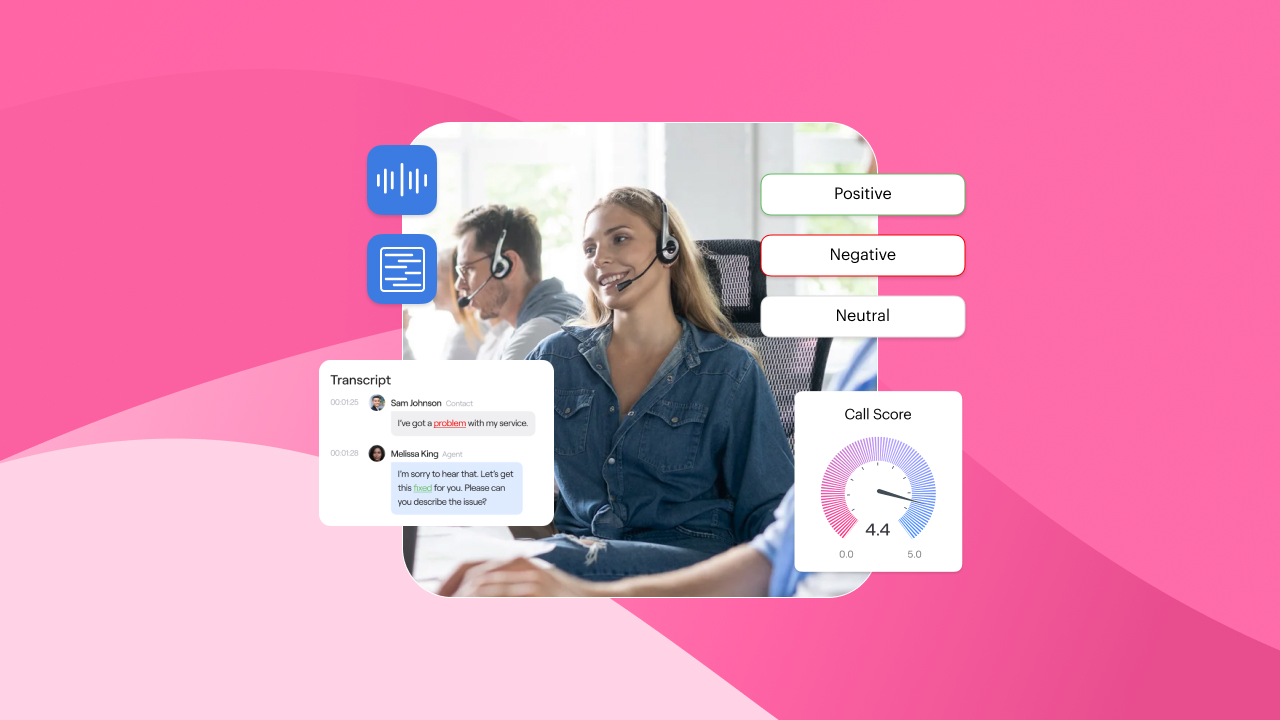
Agent burnout remains one of the biggest challenges facing modern contact centers. High call volumes, repetitive tasks, demanding customers, and strict performance targets can gradually erode motivation. The result often includes declining engagement, rising absenteeism, lower productivity, and costly employee turnover. Traditional motivation methods frequently fall short. Annual bonuses, generic incentives, and occasional recognition programs […]

13 Jul 2026
How to Successfully Implement a Cloud Contact Center: From Planning to Optimization Customer expectations continue rising while traditional contact center technology struggles to keep pace. Businesses need greater flexibility, faster deployment cycles, seamless omnichannel experiences, and support for distributed workforces. Those requirements have accelerated the shift toward cloud contact centers, giving organizations a modern foundation […]

10 Jul 2026
Customer expectations change faster than ever. New communication channels emerge overnight. Demand spikes appear without warning. Competitive pressures intensify. Economic conditions shift rapidly. Customer service teams that once had months to adapt now have days, or sometimes hours. Traditional contact centers often struggle in this environment. Rigid processes, legacy technology, hierarchical decision-making, and inflexible workforce […]

6 Jul 2026
In 2024, major outages continued to make headlines. Delta Air Lines reported losses exceeding $150 million following a technology disruption, while other enterprise incidents demonstrated how quickly downtime can escalate from a technical problem into a business crisis. Even organizations with mature infrastructure remain vulnerable to outages that affect revenue, customer experience, and operational continuity. […]

2 Jul 2026
Every contact center leader faces the same challenge. Customers expect faster service, better experiences, and shorter wait times. At the same time, businesses face pressure to reduce operating expenses and improve efficiency. Many organizations attempt to solve the problem by cutting resources. Unfortunately, reducing headcount or limiting support channels often damages service quality, increases customer […]

27 Jun 2026
For years, contact center leaders treated WhatsApp as a simple addition to their digital portfolio. Across EMEA and other key markets, the logic was straightforward: meet customers where they already are. However, this availability-first approach is no longer sufficient in a landscape defined by complex customer journeys and AI-driven expectations. Today, the strategic priority has […]

4 Jun 2026
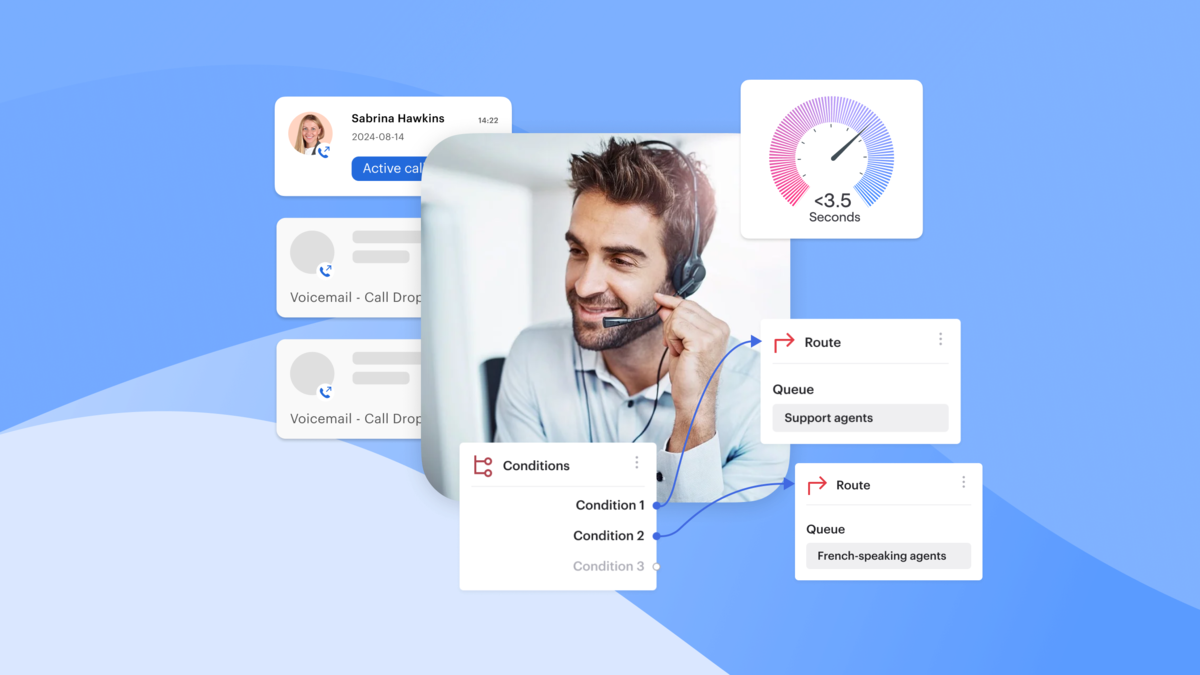
Setting up an efficient inbound call center workflow starts with mapping your current call flow and tying it to one or two clear business goals. From there, route each caller on context, keep self-service shallow with an easy path to a human, offer callbacks when queues fill, and unify agent tools so first call resolution climbs. Track real-time and historical data, fix one bottleneck at a time, and the workflow holds when call volume spikes.
30 May 2026
Improving corporate calling services means closing three gaps in order: whether calls connect, whether they get resolved in one conversation, and whether the operation learns from each call. Reachability comes first: local caller ID and number reputation decide if anyone answers, then first-call resolution through CRM context and smart routing, then conversation intelligence that turns every call into coaching. Audit your metrics to find the biggest leak, fix that gap first, and let follow-up messaging, mobile support, stack consolidation, and built-in compliance reinforce the loop rather than distract from it.

28 May 2026
An automated phone answering system greets, routes, and follows up on calls automatically, catching the leads small teams lose to voicemail and after-hours gaps. The right choice depends on call volume and team size: Google Voice or Grasshopper suit solo operators, RingCentral or Nextiva fit office teams, and a platform like Voiso fits teams where calls drive sales and support. Setup comes down to mapping why people call, building a shallow IVR with an easy path to a human, setting business-hours rules, and tuning the flow from real data.
3 May 2026
Inbound support SLAs fail when response targets ignore caller behavior, queue design, staffing limits, and reporting gaps. A five-phase framework shows how to design realistic SLA targets, build queue architecture around them, measure performance correctly, and respond to live demand before service levels collapse. Practical examples explain how forecasting, IVR leakage, routing logic, interval reporting, and governance reviews affect abandonment rates, wait times, and customer experience.
21 Apr 2026
Workflow design drives call center performance by controlling routing, automation, data flow, and compliance across the full interaction lifecycle. The guide provides a structured framework, core components, and AI-driven strategies to reduce costs, increase conversions, and improve operational control. It also shows how to measure success, avoid common failures, and adapt workflows for omnichannel, industry-specific, and scalable growth scenarios.

15 Apr 2026
The 80/20 rule in call centers means answering 80% of inbound calls within 20 seconds, not the Pareto Principle. The article shows how service level is calculated, why 80/20 became the default SLA, what benefits it offers, and where it fails as a measure of real performance. It also explains when 80/20 is the wrong target and how to choose a better service level based on queue behavior, staffing cost, caller urgency, and business goals.

2 Apr 2026
Over 60% of customers still prefer calling a business when the issue is urgent or complex, according to McKinsey. Phone calls remain one of the strongest signals of buying intent you can get. But high-intent calls lose their value fast when they hit the wrong queue, go untracked, or end without a clear next step.

1 Apr 2026
Blended contact centers merge inbound support and outbound sales into one operation to keep agents in productive conversations throughout the day. By linking queue conditions with outbound dialing, companies can protect service levels while increasing revenue per agent hour. This model works best for teams with fluctuating inbound demand and active outbound campaigns.

30 Mar 2026
Call volumes keep climbing, but most teams aren't hiring to match. McKinsey estimates automation can handle about 30% of customer interactions without a human, yet plenty of businesses are still running rigid phone trees that do little beyond routing.
24 Mar 2026
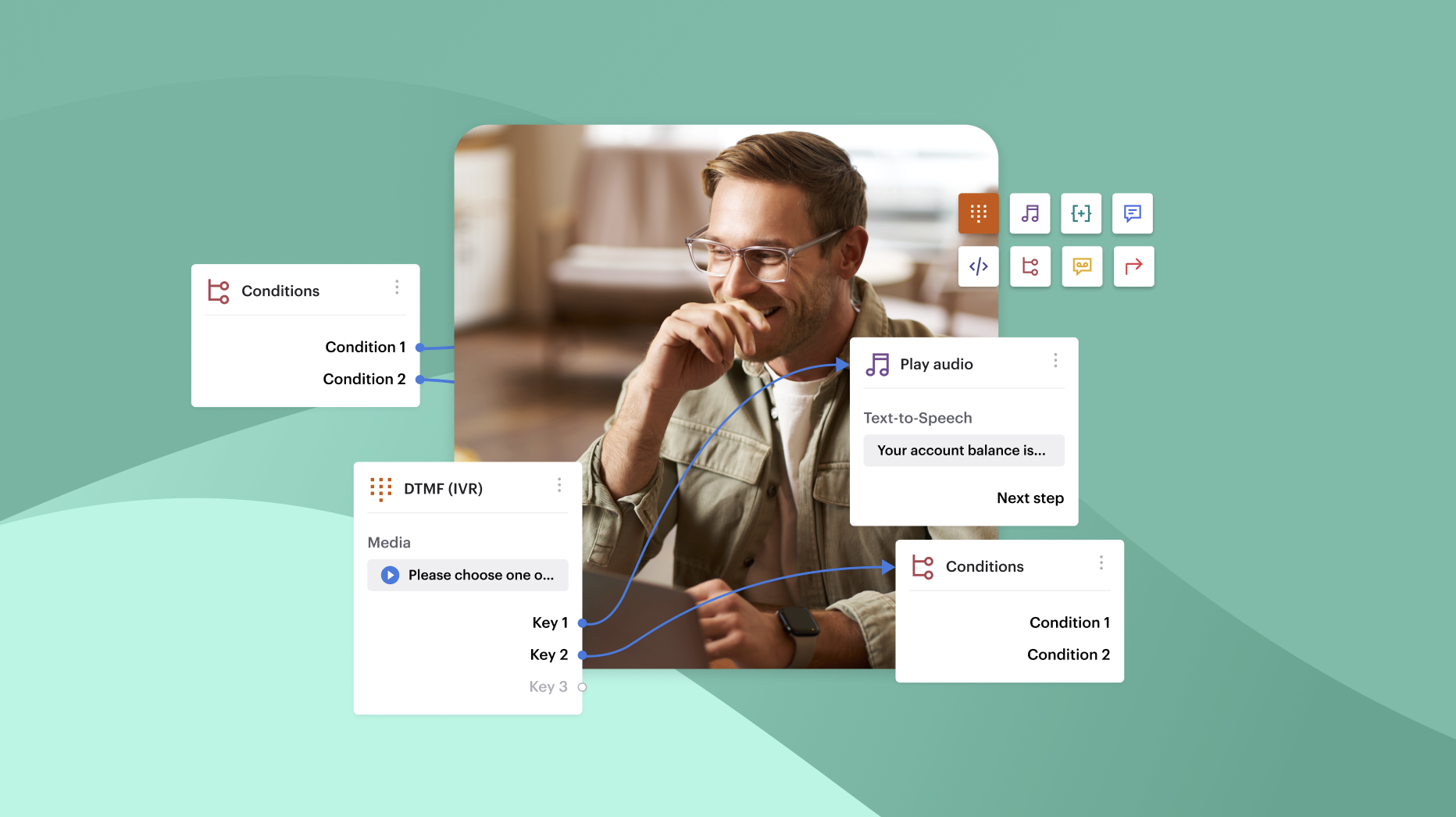
Call center IVR systems are often treated as a simple routing layer. In practice, they shape how quickly customers reach resolution and how efficiently agents spend their time.
18 Mar 2026
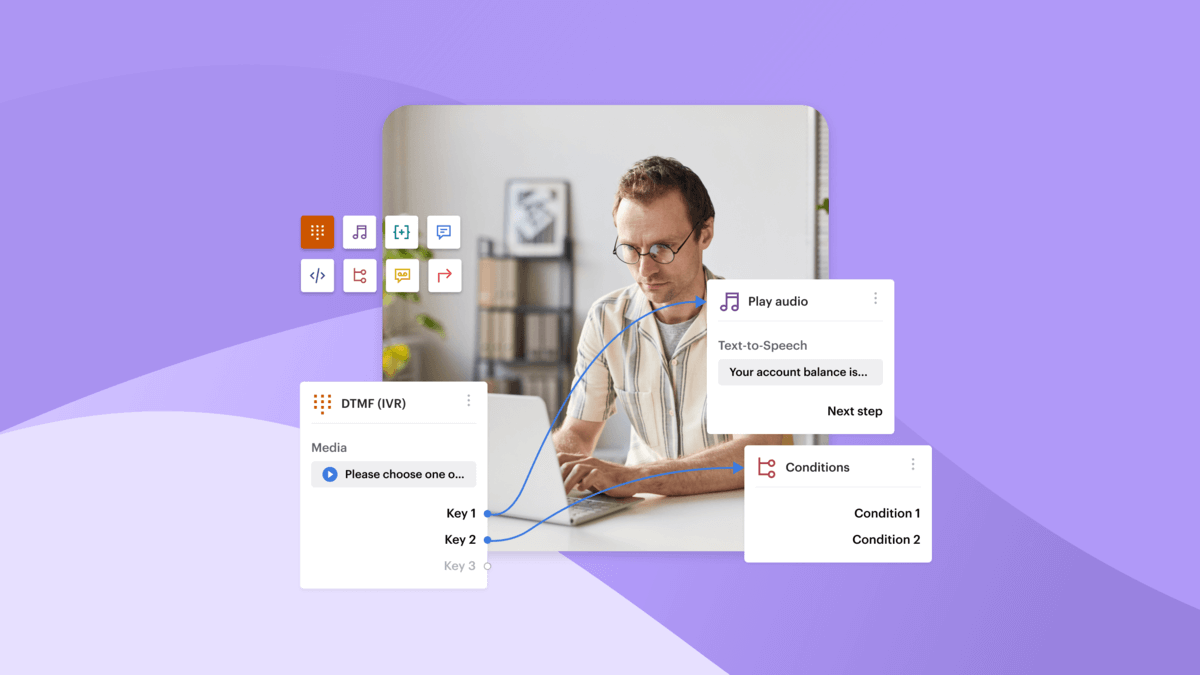
Interactive Voice Response (IVR) systems manage the crucial first interaction with customers in call centers. With advancements in AI, omni-channel communication, and data integration, IVR solutions now include dynamic, AI-powered, and multi-language options, among others, ensuring personalized experiences, operational efficiency, and seamless CRM integration to meet evolving business needs.
5 Feb 2026
Most contact centers now run on 6 to 10 separate tools just to handle daily operations, according to Metrigy. The industry calls it "tool sprawl," and it's exactly what it sounds like: fragmented tech stacks that cost more and slow everyone down.