


 All Products

.svg)




Ani Mazanashvili
Content Marketing & SEO
Follow:

Content marketing and search engine optimisation strategist with a 10-year history of working in SaaS, education, entertainment, finance and tourism industries.

Read more from this author:

September 18, 2026
Lead response time is one of the most powerful drivers of sales performance, responding within 5 minutes can increase conversion rates by up to 100x compared to a 30-minute delay. Despite this, many businesses rely on manual workflows and average response times over 42 hours, leading to missed revenue and eroded trust. By automating lead routing, enabling mobile access, and using AI tools like Voiso’s speech analytics and SMS follow-ups, contact centers can respond instantly and convert more leads, faster.
June 4, 2026
Setting up an efficient inbound call center workflow starts with mapping your current call flow and tying it to one or two clear business goals. From there, route each caller on context, keep self-service shallow with an easy path to a human, offer callbacks when queues fill, and unify agent tools so first call resolution climbs. Track real-time and historical data, fix one bottleneck at a time, and the workflow holds when call volume spikes.

June 2, 2026
CPaaS makes cloud communications programmable, letting businesses embed voice, SMS, and video directly into the apps and workflows they already run. Its main purpose is to put communication where work happens, triggered automatically by events, controlled through your own logic, and scaled without new infrastructure. Unlike prebuilt UCaaS and CCaaS platforms, it hands you building blocks rather than a finished tool, making it the right choice when you need to shape behavior and embed communication into your own systems.

May 30, 2026
Improving corporate calling services means closing three gaps in order: whether calls connect, whether they get resolved in one conversation, and whether the operation learns from each call. Reachability comes first: local caller ID and number reputation decide if anyone answers, then first-call resolution through CRM context and smart routing, then conversation intelligence that turns every call into coaching. Audit your metrics to find the biggest leak, fix that gap first, and let follow-up messaging, mobile support, stack consolidation, and built-in compliance reinforce the loop rather than distract from it.

May 28, 2026
An automated phone answering system greets, routes, and follows up on calls automatically, catching the leads small teams lose to voicemail and after-hours gaps. The right choice depends on call volume and team size: Google Voice or Grasshopper suit solo operators, RingCentral or Nextiva fit office teams, and a platform like Voiso fits teams where calls drive sales and support. Setup comes down to mapping why people call, building a shallow IVR with an easy path to a human, setting business-hours rules, and tuning the flow from real data.
May 25, 2026
VoIP only carries voice over the internet, whereas a cloud phone system layers the routing, omnichannel messaging, analytics, and CRM tools that actually run a sales or support team. Call quality depends on your network rather than the technology itself, so the targets to hit are latency under 150 ms, jitter under 30 ms, and packet loss under 1%. Basic VoIP is enough for low-volume, single-channel calling, but a cloud contact-center platform becomes the right choice once queues, agent visibility, multichannel support, or compliance start to matter.
May 22, 2026
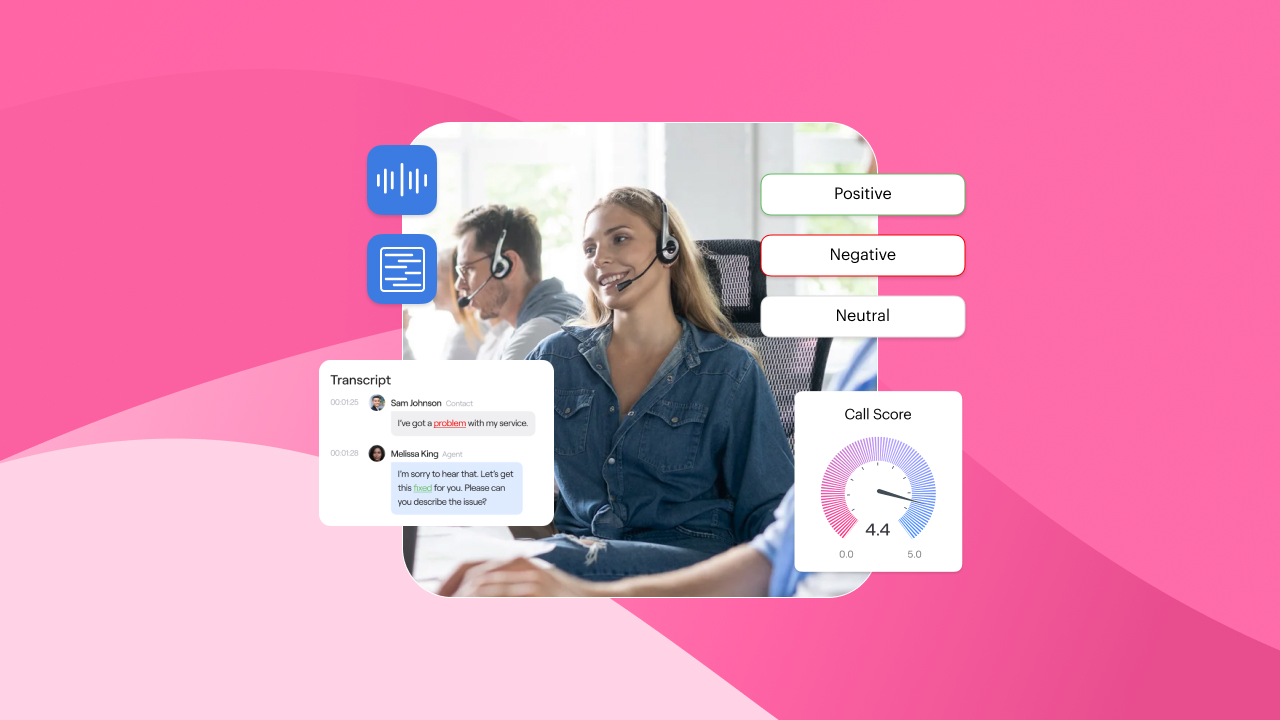
Support call abandonment rarely comes from a single issue, so reducing it requires diagnosing wait times, IVR friction, routing gaps, staffing mismatches, channel switching, and reporting errors separately. The breakdown explains how to identify the real drivers behind rising abandonment rates using interval analysis, transfer patterns, IVR behavior, and clean reporting practices. Practical fixes cover callbacks, skills-based routing, omnichannel context, workforce planning, and platform capabilities that help contact centers lower abandonment without guesswork.
May 20, 2026
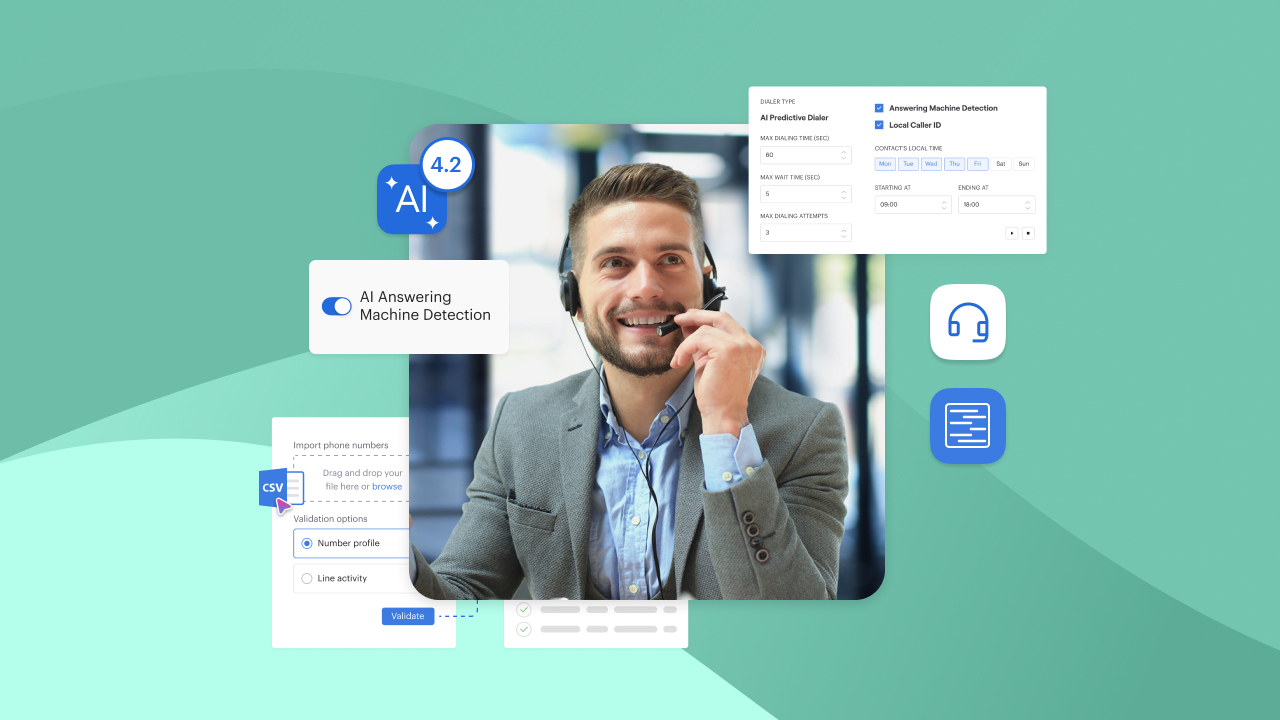
Cloud telephony migration failures often stem from overlooked risks in network readiness, routing logic, integrations, compliance, and user adoption. Clear migration planning, parallel testing, resilient infrastructure, and reliable provider support help teams avoid downtime, data loss, hidden costs, and operational disruption. Detailed frameworks, practical checklists, and real-world migration scenarios show how contact centers can move to cloud calling with stronger performance, scalability, and long-term stability.

May 18, 2026
AI-enabled cloud telephony uses real-time transcription, sentiment analysis, intelligent routing, automation, and CRM integrations to turn customer conversations into actionable business intelligence. AI improves customer experience, agent productivity, compliance visibility, outbound efficiency, and revenue growth through features like voice agents, omnichannel workflows, live agent assist, speech analytics, and automated QA. Clear comparisons between AI-powered and traditional cloud phone systems, alongside provider evaluation criteria, use cases, challenges, and industry applications, help businesses choose the right platform for scaling communication operations.

May 14, 2026
Contact center AI has moved beyond basic adoption, with enterprises now focused on control, governance, observability, and real-time performance monitoring. The piece explains why unmanaged AI creates risks through hallucinations, poor escalation logic, compliance gaps, and disconnected human-agent workflows. It shows how reliable AI in customer operations depends on accountable systems, human oversight, flexible infrastructure, and measurable value at scale.

May 12, 2026
A lean cloud phone system needs stable internet, role-based devices, and headsets built for daily calls, not a full desk-phone refresh.
Clear thresholds for latency, jitter, packet loss, QoS, wired connections, and failover help teams prevent VoIP call quality issues before migration. Softphones, mobile apps, Flow Builder, CRM integrations, and AI Speech Analytics replace much of the legacy PBX stack, while optional hardware only belongs where a real operating problem exists.

May 10, 2026
Regional conflict drives urgent customer demand across GCC contact centers. Resilient teams need real-time visibility, flexible routing, remote access, and clear escalation paths. The strongest operations balance automation with human care to protect trust during uncertainty.
May 6, 2026
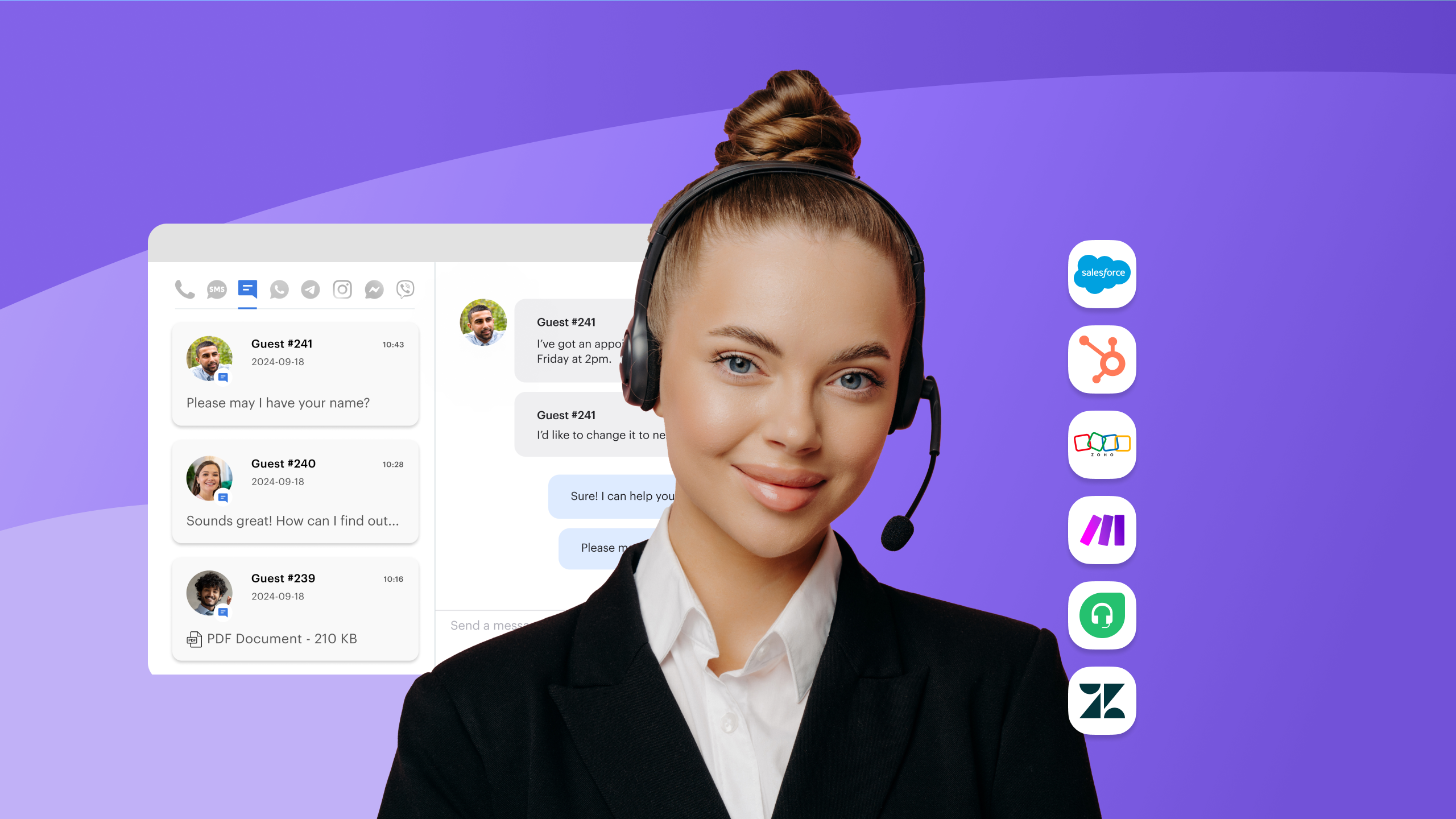
Cloud telephony in healthcare helps clinics reduce no-shows, route urgent calls faster, manage after-hours demand, and support phone-based telehealth. It shows where automated reminders, dynamic waitlists, intelligent routing, secure mobile access, and call analytics improve daily patient communication. It also explains the operational and compliance checks healthcare teams should run before replacing legacy phone systems.

May 3, 2026
Inbound support SLAs fail when response targets ignore caller behavior, queue design, staffing limits, and reporting gaps. A five-phase framework shows how to design realistic SLA targets, build queue architecture around them, measure performance correctly, and respond to live demand before service levels collapse. Practical examples explain how forecasting, IVR leakage, routing logic, interval reporting, and governance reviews affect abandonment rates, wait times, and customer experience.

April 30, 2026
Remote teams need more than cloud calling because disconnected tools, weak CRM integration, and limited visibility slow down communication, productivity, and decision-making at scale. The comparison breaks down which cloud phone systems work best for different remote team types, including BPOs, sales teams, support operations, startups, and global enterprises, while analyzing strengths, weaknesses, pricing, automation, analytics, and omnichannel capabilities. It also explains how modern operational platforms reduce workflow friction through AI analytics, routing logic, CRM-native workflows, and real-time performance tracking, while helping teams evaluate cost, scalability, and long-term fit before choosing a provider.

April 28, 2026
Cloud-based and on-premise business phone systems differ in scalability, cost structure, security, maintenance, and flexibility, making each model better suited to different operational needs. Fast-growing and remote-first businesses benefit from cloud platforms with AI analytics, CRM integrations, omnichannel communication, and rapid deployment, while regulated or legacy-heavy organizations may still prefer on-premise control and infrastructure ownership. Hybrid setups, AI-driven communication, and unified cloud platforms are reshaping business telephony by improving reliability, automation, customer experience, and global scalability.
April 25, 2026
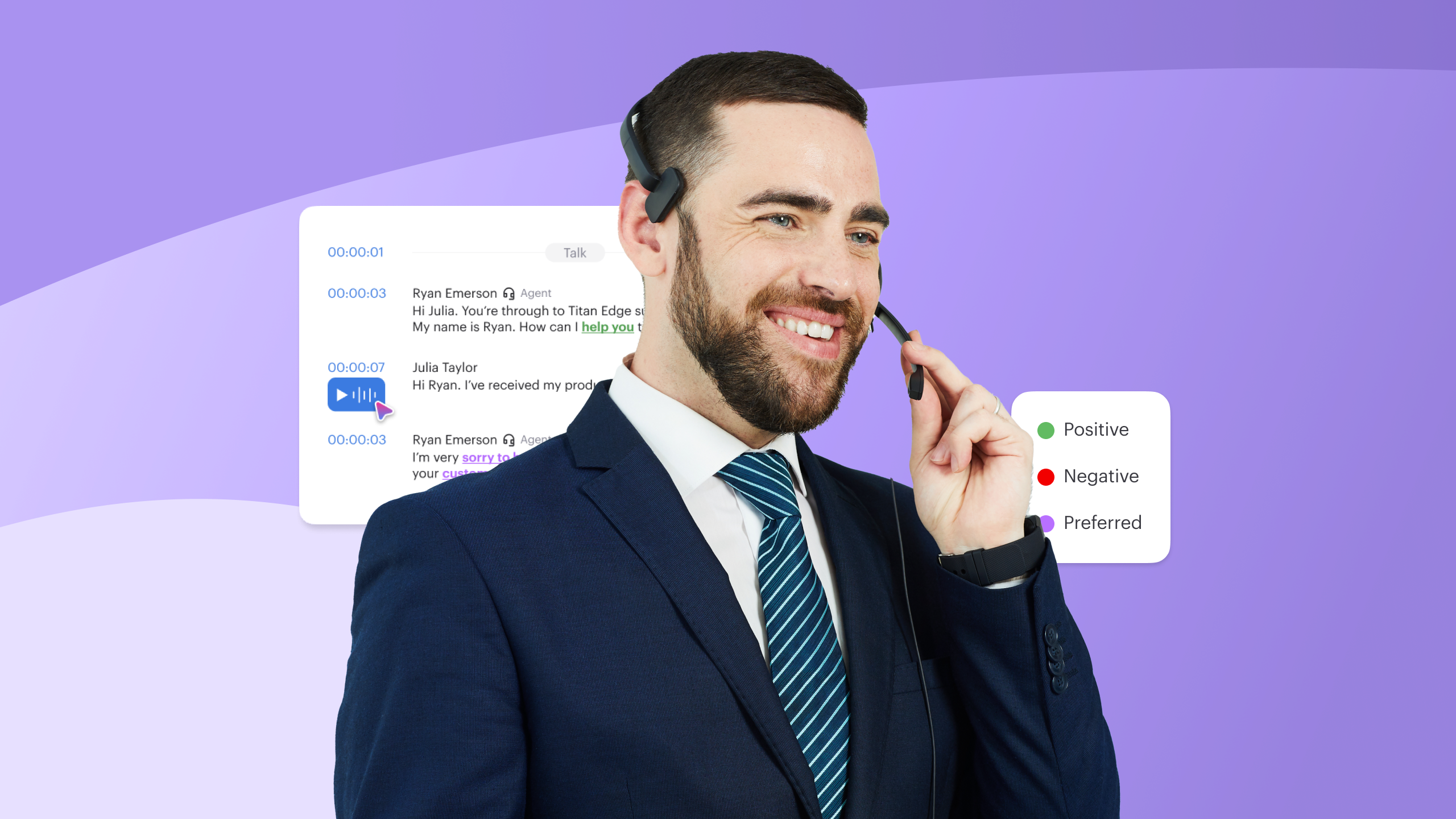
VoIP is the underlying technology that moves voice data over the internet, cloud phone systems build on top of it to add routing, automation, analytics, CRM integration, and omnichannel communication. Businesses that treat VoIP as a complete solution end up with fragmented tools, hidden costs, and workflows that can't scale.

April 21, 2026
Workflow design drives call center performance by controlling routing, automation, data flow, and compliance across the full interaction lifecycle. The guide provides a structured framework, core components, and AI-driven strategies to reduce costs, increase conversions, and improve operational control. It also shows how to measure success, avoid common failures, and adapt workflows for omnichannel, industry-specific, and scalable growth scenarios.

April 20, 2026
Omnichannel customer support connects voice, messaging, and data into one continuous conversation, with shared customer identity, unified history, and context-aware routing across channels. It explains the architecture, operational model, and implementation steps needed to reduce friction, improve resolution speed, and increase agent productivity while lowering costs. It also outlines key benefits, industry use cases, common challenges, and how AI enhances routing, analytics, and decision-making to turn support into a scalable, revenue-driving system.

April 17, 2026
Cold calling, warm calling, and hot calling each serve a different role in the sales funnel, and the right choice depends on deal size, lead source, and acquisition cost. The article compares how each strategy affects connect rates, conversion speed, sales effort, and cost per acquisition, while showing when to use each one in real sales operations. It also explains how to turn cold outreach into warmer follow-up through multi-touch sequences, CRM discipline, and tools like dialers, AMD, SMS, and AI analytics.

April 15, 2026
The 80/20 rule in call centers means answering 80% of inbound calls within 20 seconds, not the Pareto Principle. The article shows how service level is calculated, why 80/20 became the default SLA, what benefits it offers, and where it fails as a measure of real performance. It also explains when 80/20 is the wrong target and how to choose a better service level based on queue behavior, staffing cost, caller urgency, and business goals.

April 8, 2026
Avoid costly CCaaS mistakes with a structured framework that defines success metrics, evaluates technology, and aligns vendors with real operational needs. Compare providers using clear criteria across performance, scalability, integrations, pricing, and risk, supported by a 3-year TCO model and 50+ evaluation questions. Make a confident, long-term decision with a weighted scorecard, risk assessment, and post-implementation plan to ensure adoption, performance, and ROI.

April 6, 2026
PBX systems limit growth by wasting agent time, restricting channels, and blocking automation, analytics, and CRM-driven workflows that modern contact centers rely on. The article identifies 10 clear operational and financial warning signs, from high voicemail rates to poor visibility and slow campaign execution, showing how these gaps reduce revenue and efficiency. It then outlines the measurable cost of staying on PBX and provides a practical framework for moving to cloud or hybrid models to improve performance, scalability, and conversation management.

April 3, 2026
Network jitter disrupts VoIP call quality by causing voice packets to arrive unevenly, which leads to robotic audio, overlap, silence gaps, and repeated conversations. The article shows how to measure jitter correctly, what jitter levels are acceptable, and which network issues usually cause poor call quality in contact centers, remote teams, and international operations. It also breaks down the most effective fixes and prevention strategies so teams can improve call clarity, protect agent performance, and reduce revenue loss from poor conversations.

April 1, 2026
Blended contact centers merge inbound support and outbound sales into one operation to keep agents in productive conversations throughout the day. By linking queue conditions with outbound dialing, companies can protect service levels while increasing revenue per agent hour. This model works best for teams with fluctuating inbound demand and active outbound campaigns.

March 27, 2026
A practical ROI guide for contact center leaders who need to measure cloud investments using cost savings, revenue uplift, productivity gains, and risk reduction, not just subscription fees. It shows how to build a financial model with formulas for payback period, agent productivity, automation impact, downtime risk, and revenue per agent, plus industry-specific ROI frameworks for fintech, BPOs, microlenders, travel, and D2C teams. The value is in turning cloud migration into a clear business case that finance and operations leaders can use to justify investment and identify the fastest sources of return.

March 22, 2026
A practical guide to reducing cloud contact center costs by fixing operational inefficiencies rather than cutting tools or headcount. It breaks down where costs actually come from: labor, low productivity, poor routing, repeat contacts, and channel mix and shows how to reduce cost per resolution using automation, AI, dialing technology, CRM integrations, SMS, and workforce optimization. The article is designed for contact center leaders who want a clear cost-reduction roadmap, real cost models, and specific strategies that lower costs while maintaining performance and revenue.
March 18, 2026
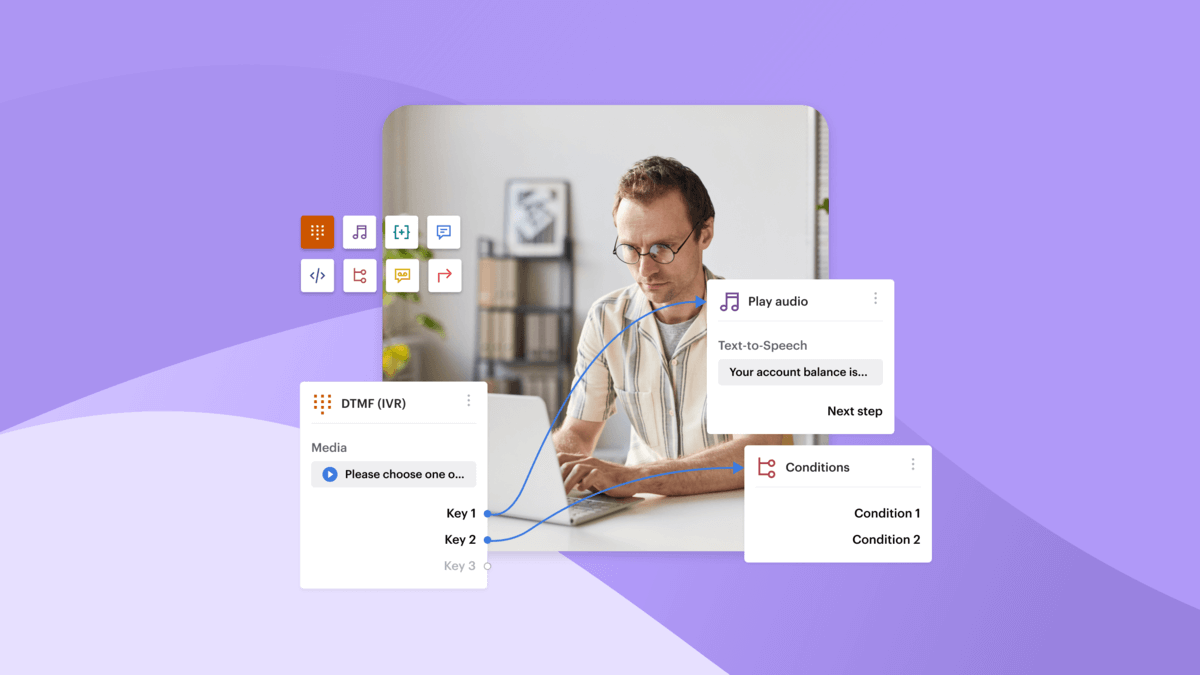
Interactive Voice Response (IVR) systems manage the crucial first interaction with customers in call centers. With advancements in AI, omni-channel communication, and data integration, IVR solutions now include dynamic, AI-powered, and multi-language options, among others, ensuring personalized experiences, operational efficiency, and seamless CRM integration to meet evolving business needs.

March 12, 2026
Identifies the key operational, regulatory, and cost pressures pushing Singapore companies to adopt cloud contact center platforms instead of legacy PBX systems. Compares the top contact center software options in Singapore for 2026 including Voiso, Genesys, NICE CXone, and others, based on telephony, AI automation, compliance, omnichannel support, and pricing. Helps businesses evaluate which platform best fits their model, BPO, fintech, e-commerce, or enterprise, while highlighting the features that actually impact performance and ROI.
March 12, 2026
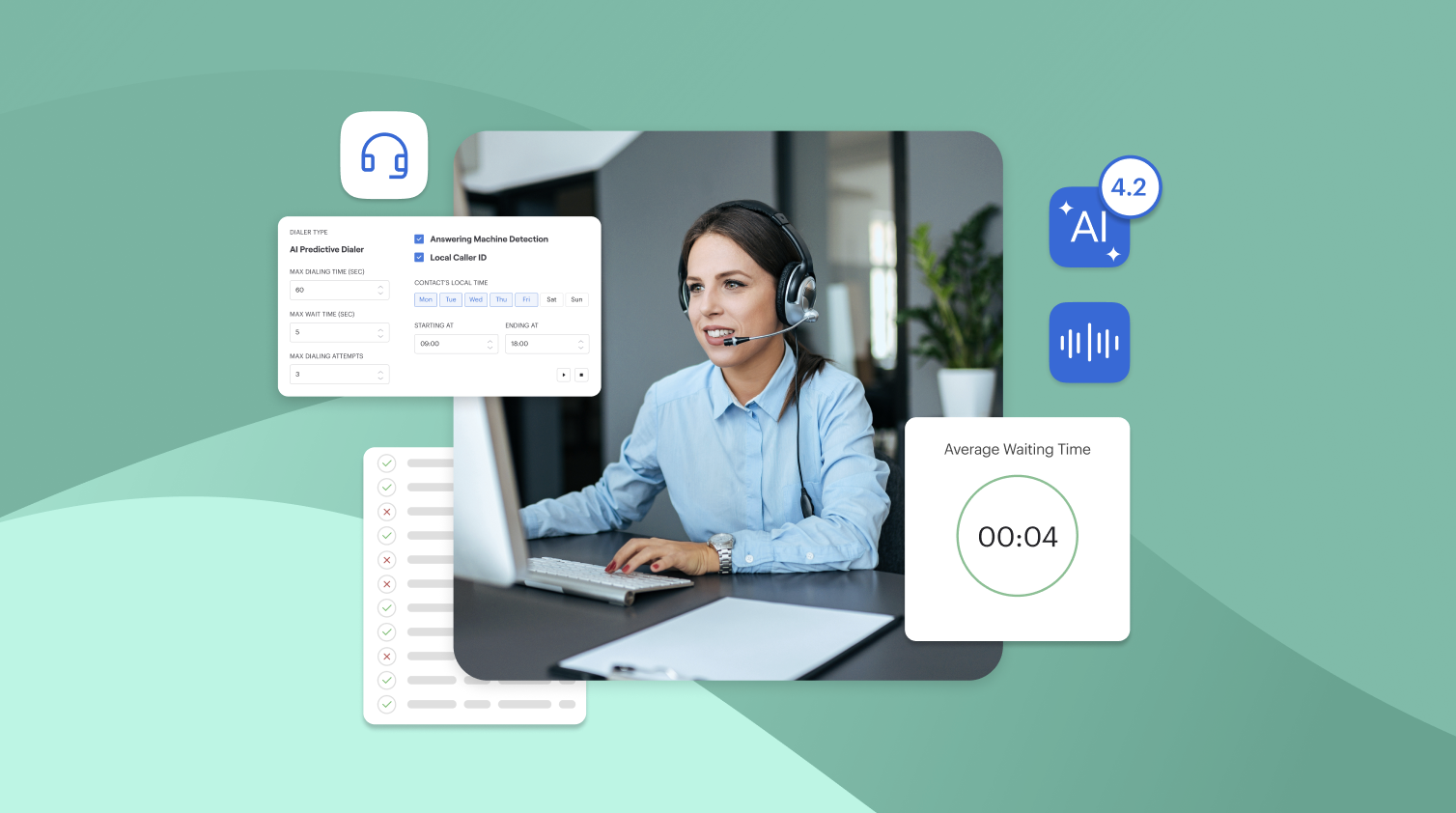
Compares the leading unified communication platforms for medium-sized businesses, evaluating scalability, analytics, integrations, pricing models, and operational trade-offs. Provides detailed reviews of major UCaaS providers alongside industry-specific recommendations, cost expectations, and a practical feature checklist to help decision-makers select the right system. Helps mid-sized companies identify platforms that unify voice, messaging, video, and contact center tools while supporting growth, compliance, and measurable ROI.