

That’s where UCaaS and CCaaS come in.
But here’s the thing: the lines between them are starting to blur. What used to be separate worlds (internal comms for your team, and customer-facing platforms for your contact center) are now overlapping.
And if you’re trying to choose between the two (or wondering if you need both), it can feel like trying to compare apples to slightly different apples.
That’s why we’ve created this guide: to break down UCaaS and CCaaS side by side. We’ll walk through what each platform does, who they’re built for, and how to know which one’s right for your business, or when it makes sense to combine them.
Let’s start with UCaaS.
Key Takeaways
- UCaaS (Unified Communications as a Service) streamlines internal communication, bringing together voice, video, messaging, and collaboration tools to keep remote or hybrid teams aligned and productive.
- CCaaS (Contact Center as a Service) is built for customer-facing operations, providing omnichannel communication, intelligent routing, and analytics to power support, sales, and service teams.
- While UCaaS focuses on employee communication and CCaaS centers on customer engagement, many businesses benefit from integrating both, creating seamless workflows between internal teams and external interactions.
What Is UCaaS? (Unified Communications as a Service)
UCaaS is your go-to solution for keeping teams connected no matter where they are. It brings together all the communication tools your employees use every day into one platform.
Core features
UCaaS combines tools like:
- VoIP phone systems.
- Video conferencing.
- Team messaging.
- File sharing.
- Presence indicators (so you know who’s available).
- Unified inboxes that house chat, voicemail, and emails in one place.
Basically, it’s everything your team needs to talk, meet, and collaborate without jumping between a dozen apps.
Key benefits
The biggest perk of UCaaS is that it makes internal communication smooth and seamless. When your tools work together, so do your people.
You cut down on scattered conversations and duplicated work; everyone’s on the same page, whether they’re in the office, remote, or on the go.
It’s especially helpful for remote or hybrid teams that rely on digital touchpoints to stay in sync. And by replacing multiple tools with a single solution, it simplifies IT management (and saves money while you’re at it).
What Is CCaaS? (Contact Center as a Service)
Now let’s flip to the customer-facing side of the coin.
CCaaS is designed to power modern contact centers. It’s what your customer support and sales teams use to manage conversations across every channel—phone, chat, email, social media, and more.
Core features
A solid CCaaS platform will give you:
- Omnichannel customer communication (so no matter where a customer reaches out, your team can respond from one interface).
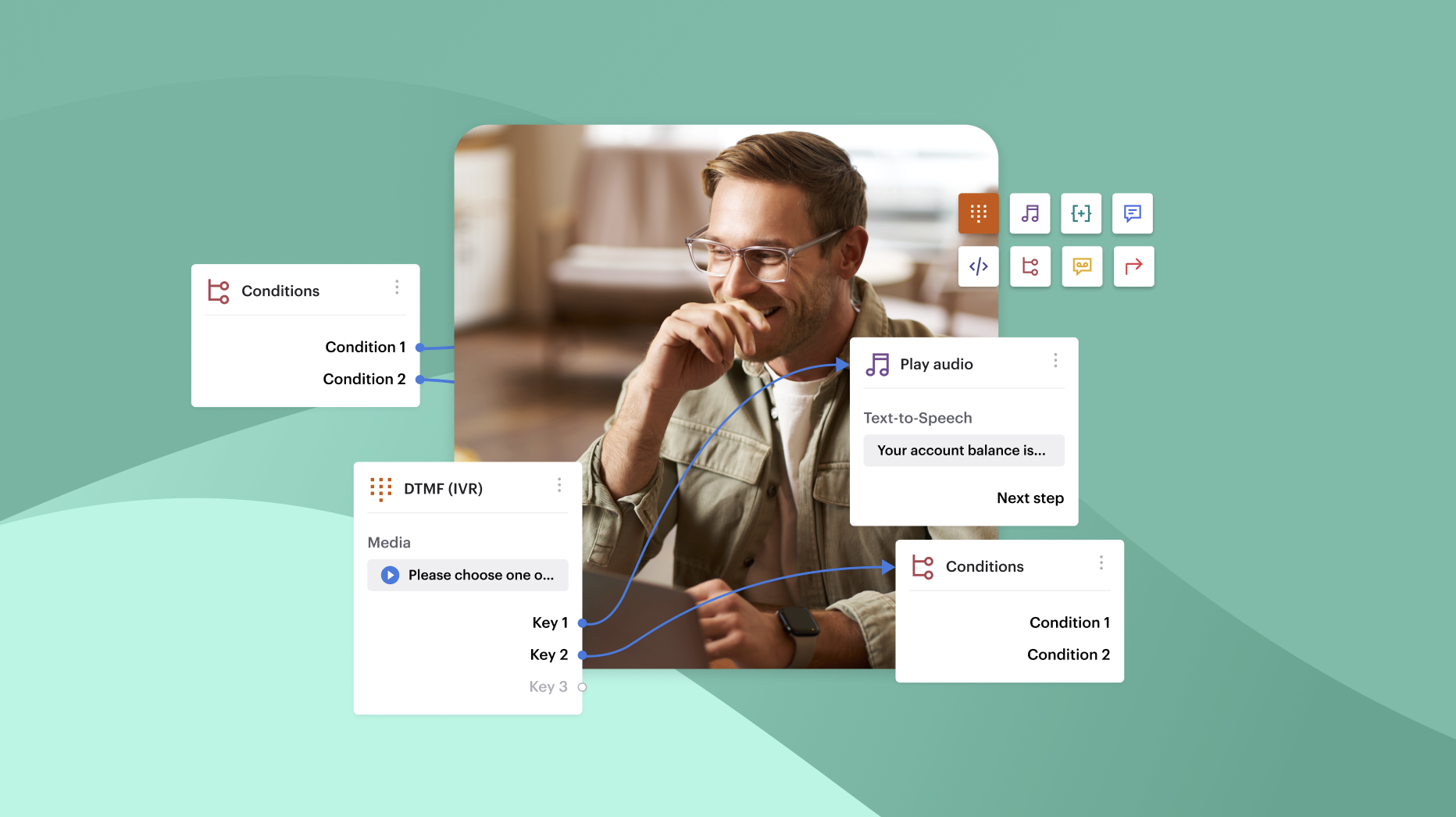
- Intelligent call routing and IVR systems to direct callers to the right place quickly.
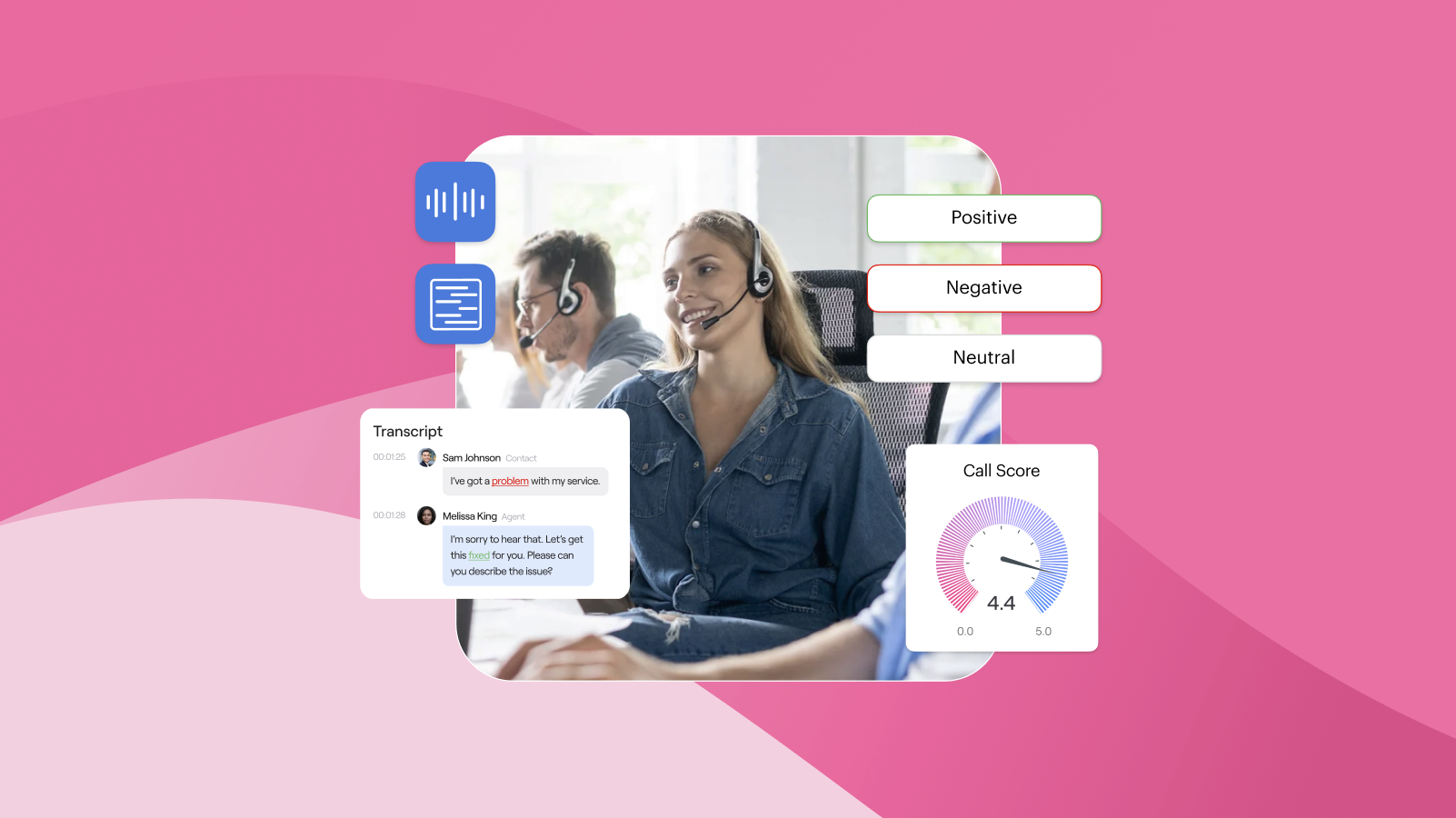
- Real-time dashboards and analytics for agents and supervisors
It’s all about delivering a better customer experience while giving your team the tools they need to succeed.
Key benefits
CCaaS centralizes your customer engagement strategy and grows with you, whether you’re running a small support team or a global contact center, it scales in tandem.
It helps you respond faster, personalize interactions, and resolve issues more efficiently, which means happier customers and more streamlined operations.
And when customer expectations are sky-high, having a flexible, cloud-based contact center isn’t just nice to have, it’s mission-critical.
UCaaS and CCaaS: Key Differences
| Category | UCaaS | CCaaS |
| Purpose and end users | Built for internal communications between employees, departments, and leadership. | Designed for external communications for support, sales, and service teams. |
| Features and tools | Prioritizes productivity tools: video conferencing, messaging, file sharing. | Focuses on customer tools: omnichannel messaging, IVR, analytics. |
| Integrations | Connects with calendars, email, project and collaboration platforms. | Integrates with CRMs, helpdesks, ticketing systems, and analytics. |
| Scalability & customization | Easier to deploy, user-friendly for teams of any size. | Highly customizable with advanced routing, automation, and reporting |
When to Use UCaaS or CCaaS (Or Both)
UCaaS use cases
UCaaS is great for environments where seamless internal communication is essential. If your teams are spread across time zones or work in hybrid or fully remote settings, UCaaS helps maintain alignment without friction. It supports daily operations like cross-department meetings, quick team check-ins, and document sharing, all in one centralized workspace.
It’s also a great fit for breaking down communication silos. By giving every department access to shared tools and real-time messaging, UCaaS promotes a more connected, informed workforce. Whether it’s HR coordinating with finance, or marketing syncing up with product, everyone stays in the loop.
CCaaS use cases
CCaaS, on the other hand, is your frontline solution for customer engagement. It’s ideal for teams managing high volumes of inbound support or outbound sales, offering tools like intelligent call routing, real-time dashboards, and omnichannel inboxes. CCaaS empowers agents to deliver fast, effective service across voice, chat, email, SMS, and social media.
It’s also a strong choice for sales organizations that rely on performance tracking as supervisors can monitor metrics like average handle time or conversion rates, while agents get clear insights into their performance and goals.
If your business prioritizes customer experience, CCaaS provides the control, visibility, and flexibility to make that experience consistent no matter the channel.
Combined UCaaS + CCaaS deployments
For many businesses, the sweet spot lies in combining both platforms.
A unified UCaaS + CCaaS approach aligns both internal and external communication strategies for smoother handoffs between departments; like when a product team supports sales on a demo, or when marketing works closely with customer service to align messaging.
Integrated systems also reduce the friction between internal planning and external execution. Agents can loop in specialists in real time, while leadership gains a full view of both team collaboration and customer experience.
Industries like healthcare, finance, education, and e-commerce are especially well-suited to integrated setups, where clear communication across multiple channels (and teams) is mission-critical.
Deployment Considerations for UCaaS and CCaaS
Implementation timeline and technical requirements
If you’re looking for a quick, low-lift setup, UCaaS tends to be the simpler option. Most solutions are plug-and-play with minimal technical setup, especially if you’re just looking to upgrade internal communication tools across teams.
CCaaS deployments, however, often take more time and planning since they touch core customer experience workflows, and typically require CRM integration, IVR configuration, and some initial routing logic design. It’s not necessarily complex, but it does call for a thoughtful rollout to get the most value.
Security and compliance
Security is non-negotiable for both systems, but their priorities differ.
UCaaS platforms usually come with end-to-end encryption for calls, messages, and shared files to keep internal conversations safe and secure, even in remote setups.
CCaaS platforms, on the other hand, are held to stricter standards depending on your industry. If you’re handling payment info, medical records, or personal data, you’ll want a provider that meets compliance frameworks like GDPR, HIPAA, or PCI-DSS out of the box.
Cost and pricing models
Pricing for UCaaS and CCaaS can look pretty different.
UCaaS is typically billed per user per month, making it predictable and easy to scale across growing teams. You might also see bundled pricing that includes calling minutes, messaging, and video.
CCaaS often uses a per-agent or per-interaction pricing model, which can scale based on usage. Features like speech analytics or AI routing often come as add-on modules, so your total cost depends on how robust your setup is.
Leading UCaaS and CCaaS Providers Compared
UCaaS leaders
Some of today’s top UCaaS players include:
- Voiso.
- RingCentral.
- Zoom Phone.
- Microsoft Teams.
Each offers strong collaboration tools and reliable voice quality, but they differ in areas like third-party integrations, pricing tiers, and ease of onboarding. If you’re already in a Microsoft or Google ecosystem, that might heavily influence your choice.
CCaaS leaders
For CCaaS, leading providers include:
- Voiso.
- Genesys.
- Five9.
- NICE CXone.
These platforms specialize in customer-facing workflows, offering features like advanced routing, workforce management, and agent performance tracking. They’re especially popular among midsize and enterprise teams managing multiple communication channels.
Key differentiators to watch
When comparing platforms, look beyond just features. Keep an eye on:
- AI capabilities like intelligent routing or sentiment analysis.
- Speech and conversation analytics for QA and coaching.
- Real-time dashboards for visibility and performance.
- Customisation options, especially for larger teams.
- Customer journey orchestration to track and enhance every touchpoint.
Such features can make a major difference in long-term value—especially if you’re investing in tools for scale.
Making the Right Choice for Your Business
When it comes down to it, UCaaS and CCaaS solve different problems, but they’re both vital to modern communication.
UCaaS supports internal collaboration and keeps your teams in sync, whereas CCaaS focuses on delivering excellent customer experiences at scale. The best solution for you depends on where your communication priorities lie: internal productivity or external engagement—or maybe both.
If you’re still on the fence, many vendors offer free trials or demos, and some even provide consultation services to help you design a tailored setup. Don’t be afraid to test-drive a few platforms or talk to peers in your industry before committing.
FAQs
Can UCaaS and CCaaS be integrated into a single solution?
Yes, many vendors (like Voiso and RingCentral) offer both in an integrated package, allowing seamless collaboration between internal teams and customer-facing agents.
Are there industries where one is clearly better than the other?
It depends. UCaaS is great for industries with heavy internal coordination (like tech or education), while CCaaS is essential for businesses that rely on high-volume customer support (like e-commerce, telecom, or healthcare).
Do small businesses need CCaaS or is UCaaS enough?
For small teams focused on internal ops, UCaaS might be all you need. But if you’re regularly interacting with customers across multiple channels, a lightweight CCaaS platform could still deliver strong ROI.
How do pricing models differ between UCaaS and CCaaS providers?
UCaaS typically charges per user per month. CCaaS pricing is more usage-based, often billed per agent, per interaction, or by specific feature tiers.
What’s the difference between a call center platform and a CCaaS solution?
A traditional call center platform is usually on-premise and voice-only. CCaaS is cloud-based, omnichannel, and far more scalable—supporting everything from live chat to social media.
Are UCaaS and CCaaS solutions compatible with legacy phone systems?
Many providers offer integrations or SIP trunking options to bridge cloud platforms with older on-prem phone systems, making phased migration possible.
Further Reading
- What Is Contact Center As A Service?
- VoIP vs PSTN vs PBX
- VoIP vs Landline Costs
- How To Make Phone Calls From Computer
- Phone Greetings For Businesses
- What Is CTI
- Best Phone Systems For Businesses
- VoIP system set up
- Best VoIP solutions for small businesses
- Free vs paid VoIP services
- Business SMS messaging