


 All Products

.svg)




Articles
The voice of Voiso
Read the latest product updates, tips to build better CX
and sales teams, and essential news from the Telco industry.
By clicking "Get Started" you agree to Voiso's Privacy Policy and Terms of Service.
29 Sep 2026
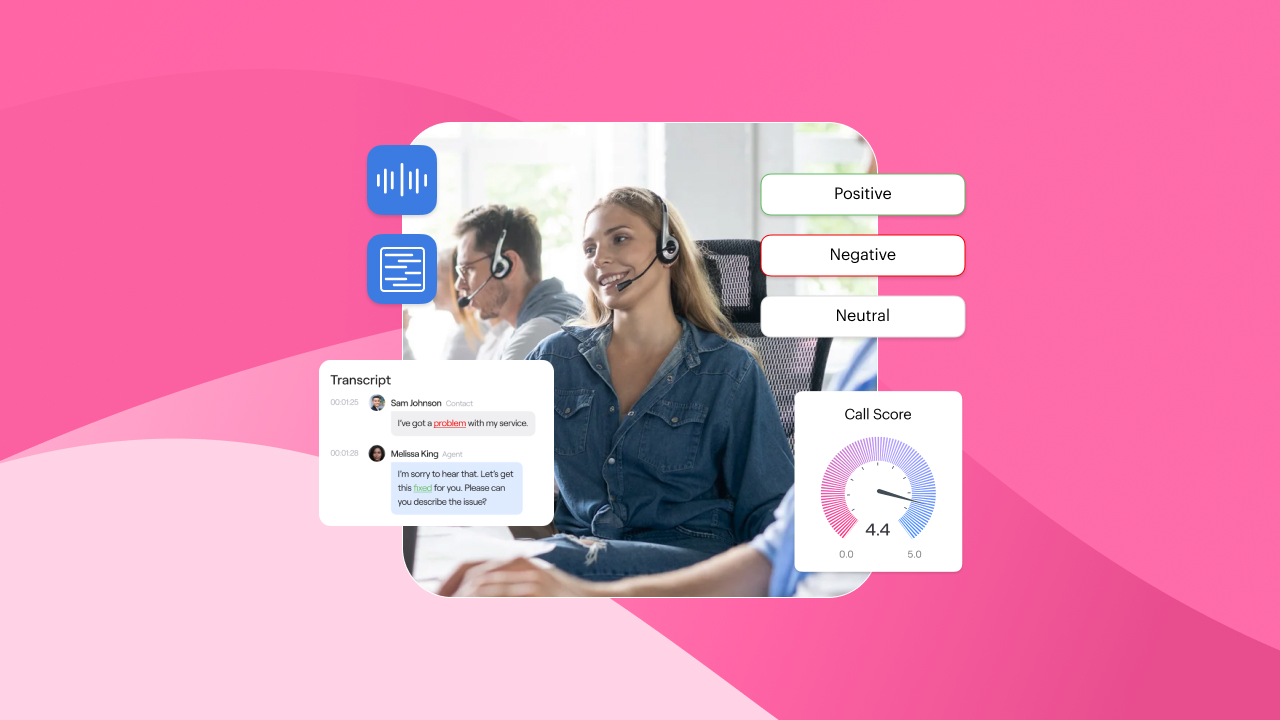
Quick answer: Both turn recorded language into structured data you can search, count, and report on. AI speech analytics analyzes spoken words from calls, which makes it the narrower predecessor…



24 Sep 2026
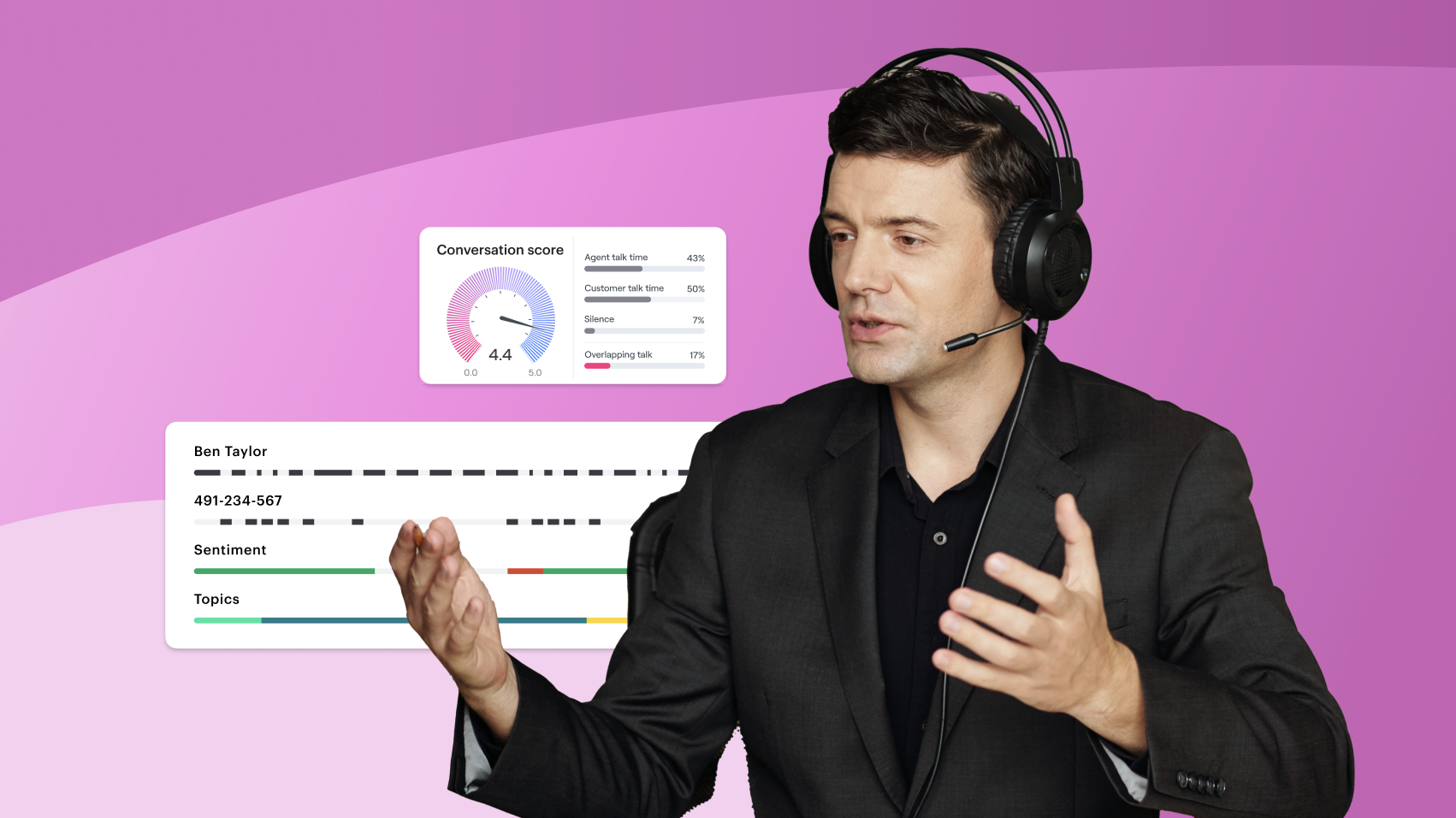
Quick answer: These control different parts of what a recipient may see. Local caller ID usually means presenting a geographically relevant number, selected at origination to match the area being contacted. CNAM means the name associated with that number, which the receiving side typically resolves separately rather than receiving from you. The key difference is […]

23 Sep 2026
If you’re tired of rigid, overpriced call center software that never quite fits your workflow, open source might be the game-changer you need.

23 Sep 2026
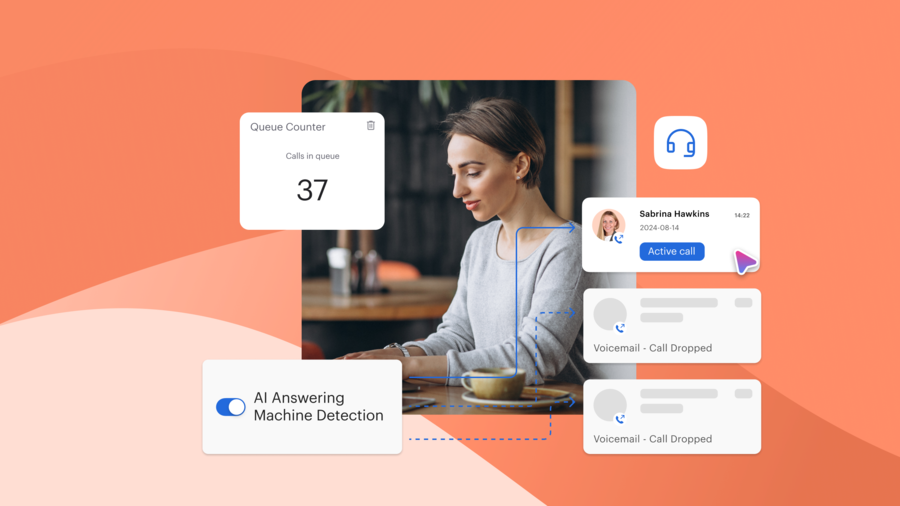
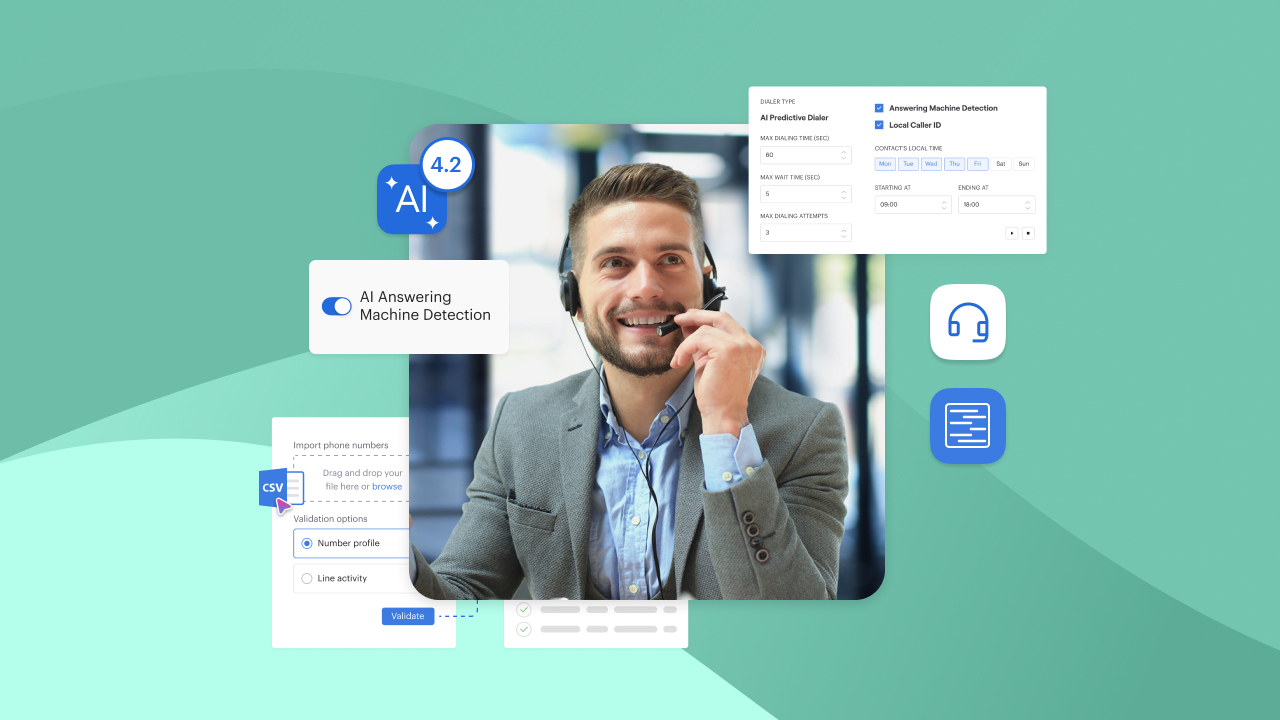
Quick answer: Both terms usually refer to the same core function: deciding whether an outbound call was answered by a live person or by a recording. Answering machine detection (AMD) is the more traditional telephony term, predating widespread mobile voicemail, while some vendors use the newer label for the same or a closely related capability. […]

22 Sep 2026
Thanks to VoIP, making calls no longer means being tied to a clunky desk phone or worrying about your cell signal dropping in the middle of an important conversation.
22 Sep 2026
Quick answer: CSAT measures satisfaction with something that just happened, usually on a 1 to 5 scale, asked right after the moment. NPS asks how likely a customer is to recommend you, on a 0 to 10 scale, and reports the share of promoters minus the share of detractors. Use CSAT for diagnosing specific interactions […]
21 Sep 2026
Well-crafted sales scripts are the maps guiding your teams’ voyage. They provide direction for sales agents in a role that involves large volumes of outbound calls, to both warm and cold leads.


21 Sep 2026
Quick answer: Most advice on this topic points at the storefront, which is the part online retailers already invest in most heavily. The larger opportunities sit either side of it: the certainty problem before checkout, the unowned window between order confirmation and delivery, and the returns process that decides whether somebody buys from you a […]

18 Sep 2026
Lead response time is one of the most powerful drivers of sales performance, responding within 5 minutes can increase conversion rates by up to 100x compared to a 30-minute delay. Despite this, many businesses rely on manual workflows and average response times over 42 hours, leading to missed revenue and eroded trust. By automating lead routing, enabling mobile access, and using AI tools like Voiso’s speech analytics and SMS follow-ups, contact centers can respond instantly and convert more leads, faster.
18 Sep 2026
Quick answer: An IVR routes people through a fixed menu they navigate with their keypad or a few spoken keywords. An IVA, short for intelligent virtual assistant, listens to what somebody says in their own words, works out the intent, and either resolves it or hands off with context attached. The genuine difference is not […]
17 Sep 2026
Quick answer: Agent onboarding is the structured period between a new hire’s first day and the point where an agent handles customer contacts independently at expected quality. Most programs run between two weeks and a month and a half depending on product complexity, and most are designed around covering material rather than building capability. That […]

16 Sep 2026
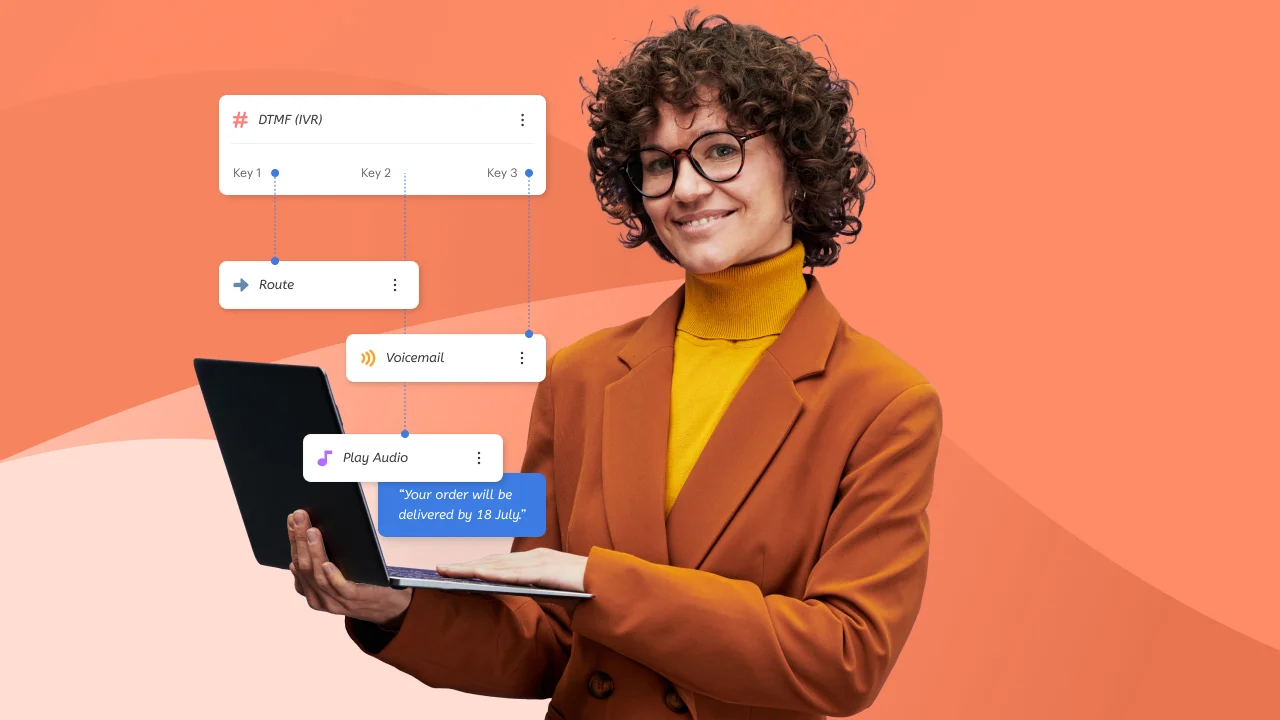
Quick answer: An auto attendant answers inbound calls and routes them to a colleague, an extension, a queue, or voicemail. IVR, short for interactive voice response, can do that too, but it can also collect input, check connected records, verify who is calling, and finish tasks such as reading an order status without an agent. […]
15 Sep 2026
Quick answer: Digital customer experience (DCX) is a customer’s overall perception of the interactions they have with a brand through digital channels, including websites, mobile apps, messaging, email, self-service tools and online customer support. Unlike user experience, which usually concerns the usability of one product or interface, digital CX spans the digital touchpoints that make […]
14 Sep 2026
Quick answer: Insurance is unusual because most people experience the product exactly once, during a claim, usually on a bad day. Everything else is administration. So the fastest way to improve customer experience is not to spread effort evenly across the lifecycle but to concentrate it on the claim itself, on proactive updates while it […]
11 Sep 2026
Quick answer: VoIP is the outcome, meaning voice carried over data networks instead of copper. SIP is the signaling protocol that sets up, changes, and ends those sessions. They are not competing options. Asking whether to choose one over the other is a bit like asking whether to choose email or SMTP, since almost every […]

10 Sep 2026
Quick answer: Most VoIP faults come down to four things: jitter, lost packets, latency under load, or a misconfigured firewall. Insufficient raw bandwidth is a far less common cause than timing variation, loss, or queueing under load, since a single voice stream needs only about 85 to 100 kbps. The quickest route to a working […]
9 Sep 2026
Quick answer: In a multi-tenant setup, many organizations share one running instance of the software, with their records separated at the software layer. In a single-tenant setup, your organization gets a dedicated instance. Shared infrastructure is cheaper and patches faster; dedicated infrastructure gives you more say over timing and configuration. The harder question, and the […]
8 Sep 2026
Quick answer: Call calibration is the practice of having several reviewers assess the same recorded customer conversation independently, then comparing what they marked and resolving the differences. The goal is not to agree for its own sake. It is to make sure that a score means the same thing regardless of who assigned it, because […]

7 Sep 2026
Quick answer: The best follow-up wording gives the buyer a new reason to reply, requests one specific decision, and arrives fast. Templates fail when they only remind somebody you exist. Below are fourteen you can lift directly, grouped by channel and situation, plus the reasoning behind each so you can adapt them without breaking what […]

4 Sep 2026
Quick answer: Call whisper is a call-monitoring feature that lets a supervisor speak privately to an agent mid-call, audible to that agent alone. The person on the other end hears nothing. It is the middle option between silent listening and taking over, and it works best in short, rare, well-timed doses rather than as a […]
3 Sep 2026
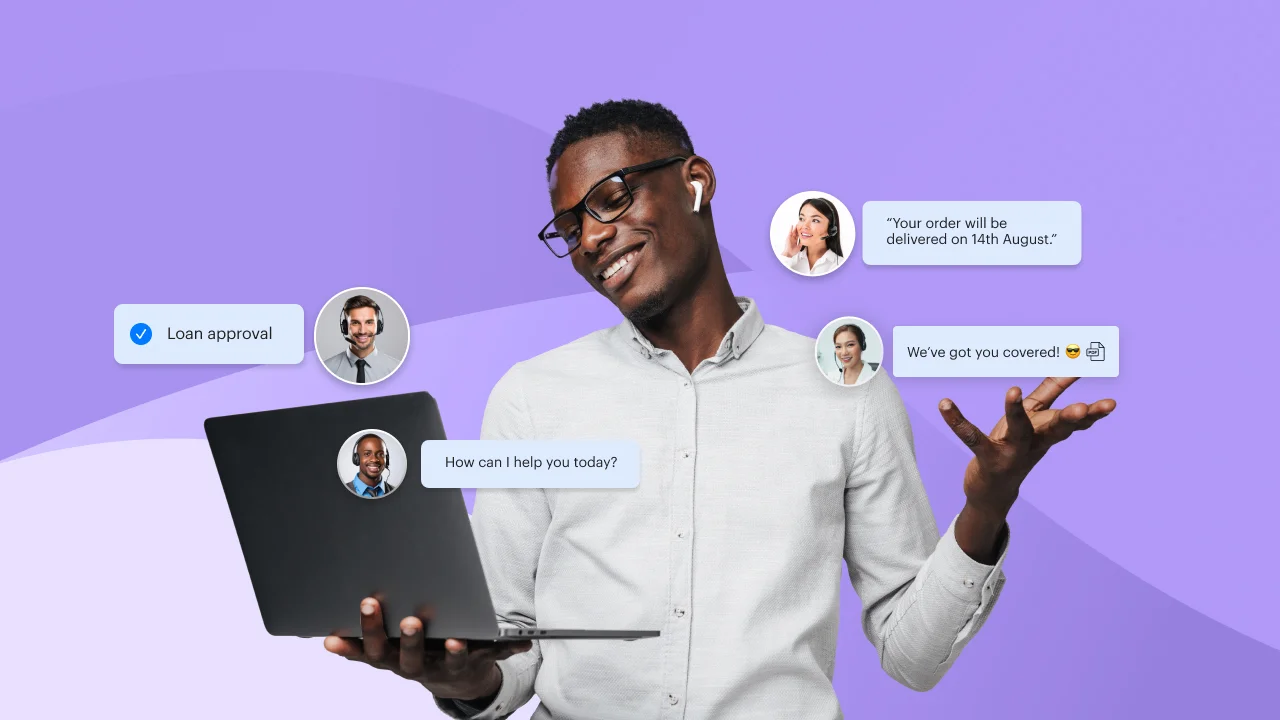
Quick answer: Proactive customer service means reaching a customer with information or a fix before they contact you about it. Done well, it lowers effort, raises perceived value, and takes predictable volume out of your queues. Done badly, it does the opposite: Gartner found that two-thirds of consumers pick up the phone anyway after receiving […]
2 Sep 2026
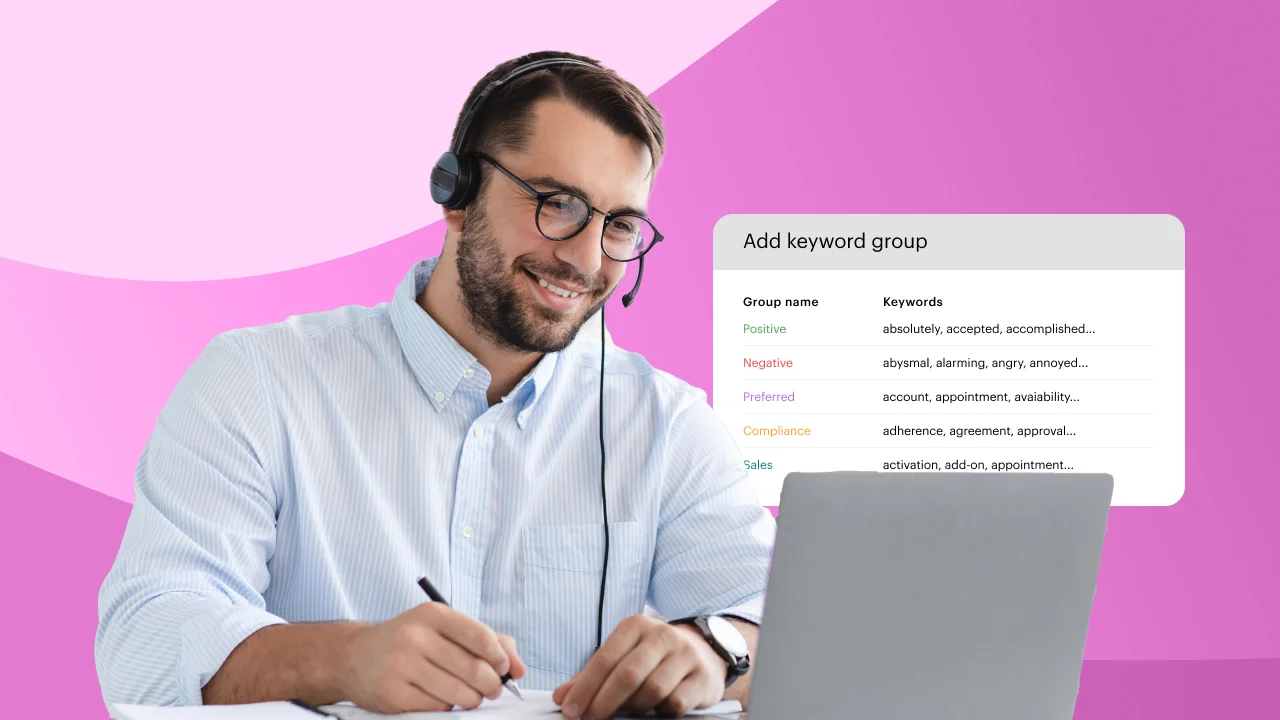
Quick answer: There is no single best option, and any list that ranks these products against each other without asking where your text lives is comparing things that solve different problems. Sentiment analysis tools split into roughly five families: conversation platforms that score voice and chat, survey and comment analytics, social listening suites, multi-source experience […]