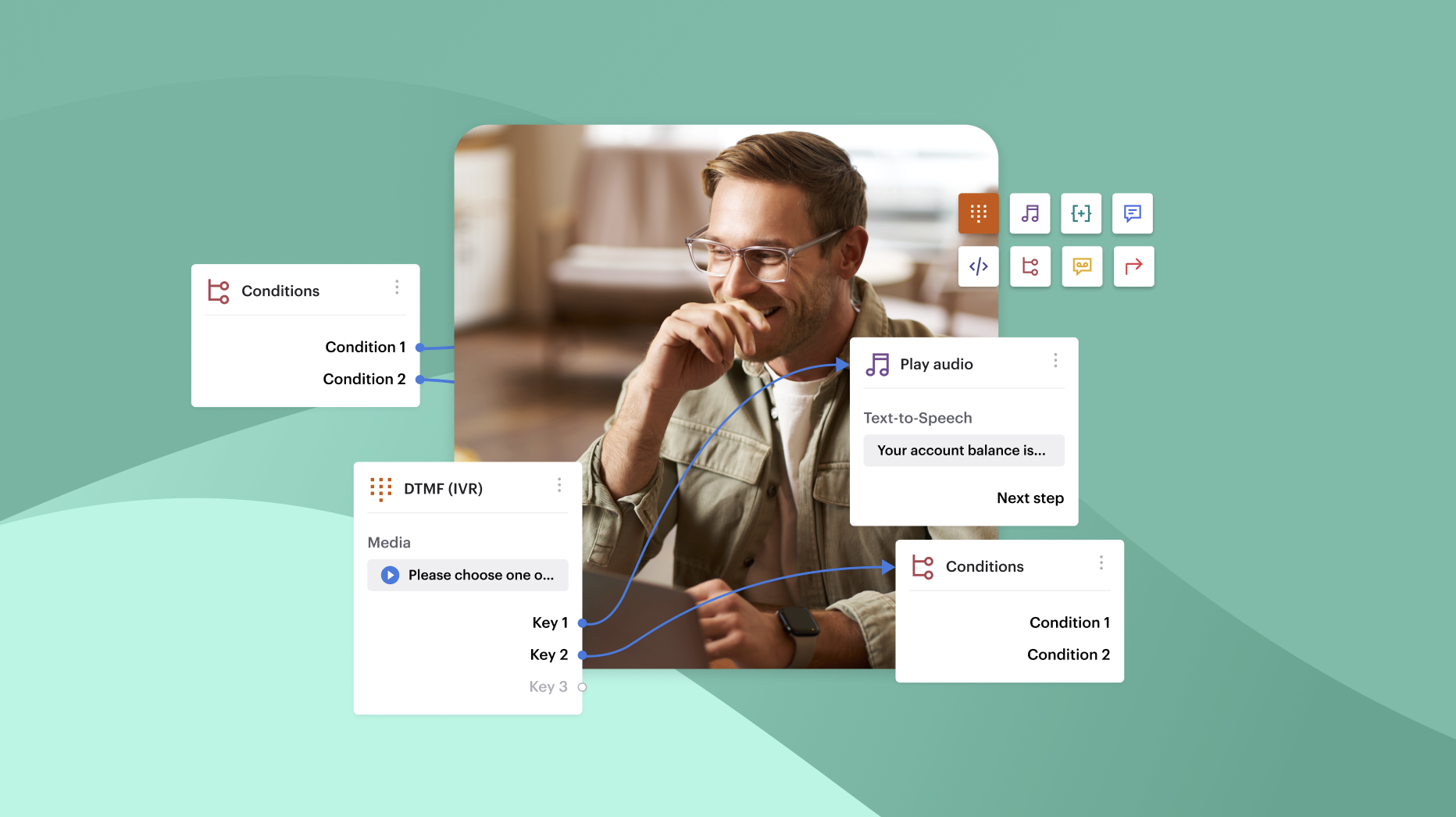


At the core of it all? The queue. It’s more than just a line callers wait in; it’s the system that organizes, prioritizes, and connects each customer to the right person, as quickly and smoothly as possible.
Ever wondered how some businesses seem to handle huge call volumes without sacrificing great service? Or why your team always feels overwhelmed when call spikes hit? Understanding how to optimize your call queues might be the key to improving both customer satisfaction and operational efficiency.
In this guide, we’re diving into how call center queues actually work, why they matter, and how you can manage them to keep customers happy while making life easier for your team.
Key Takeaways
- Call queues are more than lines, they’re strategic systems that organize, prioritize, and route customers to the right agent at the right time.
- Modern queues include features like virtual hold, priority routing, callbacks, and omnichannel support to improve customer experience and reduce agent overload.
- Smart queue management boosts efficiency by aligning staffing with volume, lowering abandonment rates, and reducing customer frustration with clear communication and alternative options.
- Technologies like ACD, real-time dashboards, and AI-powered routing play a key role in optimizing call flows and anticipating customer needs.
- Personalized, flexible waiting experiences, via scheduled callbacks, self-service, or progress updates, turn queues into opportunities for brand loyalty and satisfaction.
What Are Customer Waiting Systems?
Think of a call center queue as the system that holds and sorts customer inquiries when all your reps are busy, ensuring people are helped in an organized, fair, and efficient way, even during the busiest hours. It’s how businesses manage fluctuating contact volumes without letting customer service crumble when demand spikes.
What makes a good waiting system?
An effective waiting system has a few key building blocks that keep things running smoothly while customers hold the line:
- Virtual holding space: The digital “line” where calls or messages sit until a rep is free.
- Distribution logic: Rules that decide which rep gets which customer based on skill, availability, or other factors.
- Priority framework: A system for deciding who moves to the front of the line, maybe based on urgency or customer status.
- Messaging during waits: Updates that let customers know where they are in line or how long they might wait, reducing frustration.
- Overflow management: Plans for what happens if the line gets too long, like routing calls elsewhere or offering callbacks.
- Performance metrics: Data tracking wait times, abandonment rates, and how well the system is performing.
- Customer options: Features like “press 1 to get a callback” so customers can avoid waiting on hold altogether.
These elements work together to keep things organized while making the wait as painless as possible for your customers.
Different types of waiting systems (and when to use them)
There isn’t just one way to set up a call center queue. Here are some common approaches:
- First-in-first-out (FIFO): The simplest system in which customers are helped in the exact order they’re called. This works well when most inquiries are similar and straightforward.
- Skills-based routing: Customers are connected to the right rep with the right expertise, ideal for centers with a variety of complex issues.
- Priority-based queues: Calls are prioritized by urgency or customer value, perfect for tiered service models or industries handling urgent requests.
- Callback systems: Instead of waiting on hold, customers keep their spot in line and get a call back when it’s their turn, reducing frustration during long waits.
- Omnichannel Queues: Calls, chats, and emails all flow through a unified system, giving customers the same wait experience no matter how they reach out.
In short, customer waiting systems aren’t just about keeping people in line– they’re about managing demand in a smarter way, matching customers with the right help, and reducing frustration during busy periods.
By understanding the building blocks and choosing the right type of system for your business, you can keep service levels high, even when your lines are full.
The Business Impact of Waiting Line Management
Effective organization of customer contacts affects multiple business dimensions, from operational costs to customer loyalty. Understanding these relationships helps justify investment in improved waiting line strategies and technology.
Customer experience implications
How you manage waiting lines shapes how customers feel about your business from the very first moment. Long, unexplained waits can frustrate customers, while clear communication about expected wait times and position in line can ease concerns and reduce perceived delays.
Customers also notice whether wait handling feels fair, and providing options like callbacks or estimated wait notifications can make them feel respected and in control. Ultimately, the waiting experience often becomes the customer’s first impression of your service quality, setting the tone for the entire interaction.
Operational efficiency considerations
Managing wait times well isn’t just about keeping customers calm– it’s a big deal for how teams work behind the scenes too. Smart queue systems help match the right number of agents to fluctuating call volumes, which means less wasted time and fewer panicked rushes to add extra staff. When calls are distributed properly, agents can handle them faster and more smoothly, reducing overall resolution times and keeping the backlog manageable.
Better queue management also helps cut down on hang-ups and abandoned calls, which protects both revenue and the customer relationship. For many teams, modern queue analytics are key to staying lean without sacrificing quality.
Competitive differentiation opportunities
A well-run waiting line can even become a competitive edge. Companies that treat hold time as part of the customer experience, rather than a necessary evil, stand out fast in crowded industries. Offering callbacks instead of forcing customers to wait on hold shows you respect their time, while providing priority service or premium waiting options for loyal or high-value customers can boost satisfaction and revenue.
Businesses that innovate how customers wait don’t just reduce complaints, they build loyalty by proving they understand what good service really means.
Essential Technologies Supporting Modern Waiting Lines
Technology is the engine behind effective waiting line management in contact centers. It’s what turns chaotic call surges into organized queues, empowers agents to handle inquiries efficiently, and ensures customers feel seen and informed while they wait.
From smart routing systems to real-time dashboards, these tools help businesses balance operational efficiency with positive customer experiences.
Automatic contact distribution systems
Smart routing is the backbone of any effective waiting line strategy, ensuring customers are connected to the right people as quickly as possible, using:
Skills-based routing
Directs each contact to agents who actually have the expertise to handle the inquiry, reducing transfers and frustration.
Priority assignment rules
Uses factors like customer value, urgency, and issue complexity to decide who gets helped first, ensuring important matters aren’t left waiting.
Channel integration
Allows calls, chats, emails, and social messages to feed into the same system, creating a seamless queue no matter how customers reach out.
Business rule implementation
Automates complex decisions, such as sending VIP customers to senior agents, without manual intervention to keep the flow efficient.
Volume-based distribution
Spreads incoming contacts evenly across available staff, preventing overload on some agents while others are idle.
Customer communication technologies
How you communicate with customers while they wait can transform the waiting experience from a pain point into a positive touchpoint. Consider the following:
Position announcement systems
Lets customers know exactly where they are in the queue, reducing uncertainty and frustration.
Estimated wait calculators
Provides realistic wait times so customers can decide whether to hold, call back, or choose another channel.
Alternative channel offers
Suggests chat, email, or self-service options for issues that don’t require a live call, giving customers flexibility.
Scheduled callback systems
Allows customers to keep their place in line without waiting on hold, showing respect for their time.
Self-service suggestions
Proactively offer automated solutions for simple tasks like checking a balance or updating contact details, helping customers get quick resolutions without waiting.
Analytics and forecasting tools
Data-driven tools enable proactive management, helping contact centers adjust quickly to demand and optimize resources:
Volume prediction systems
Uses historical data to forecast peak times, ensuring the right number of agents are available when needed.
Real-time monitoring dashboards
Gives live visibility into wait times and queue lengths, helping supervisors make quick decisions to prevent bottlenecks.
Historical pattern analysis
Reveals trends in contact volumes and issue types, informing long-term staffing and technology planning.
Staffing requirement calculators
Converts forecasts into actionable staffing plans, reducing under- or overstaffing issues.
Customer behavior modeling
Analyzes when customers are likely to abandon the queue, allowing you to adjust callback offers or staffing to improve retention.
Strategies for Optimizing Queue Performance
Improving how customers experience waiting is about using technology, smart processes, and thoughtful communication to make wait times feel shorter, provide flexibility, and ensure resources are used effectively. Here are key strategies that consistently elevate waiting line management:
1. Wait time perception management
How customers feel about waiting often matters more than the actual wait:
- Engaging hold content: Share useful tips, updates, or light entertainment during hold times to keep customers engaged and reduce the frustration of silence.
- Progress communication: Let customers know their place in line and update them regularly, so they feel informed rather than forgotten.
- Distraction techniques: Use interactive options like quick surveys or knowledge quizzes during waits to shift focus away from the passing time.
- Expectation setting: Clearly communicate realistic wait times upfront to reduce uncertainty and manage expectations.
- Choice provision: Offer options like callbacks or self-service alternatives, giving customers control over how they spend their time instead of waiting on hold.
2. Alternative waiting options
Providing customers with flexibility during busy periods can transform the waiting experience, using:
- Virtual queuing systems: Let customers keep their place in line without being tethered to the phone, allowing them to continue their day while they wait.
- Scheduled callback windows: Enable customers to choose a callback time that works best for them, reducing the frustration of indefinite holds.
- Channel shifting offers: Suggest faster digital channels like chat or email when appropriate, especially for inquiries that don’t require a call.
- Self-service redirections: Guide customers with simple issues to automated self-service options for immediate resolution without waiting.
- In-queue self-help: Share links to FAQs or troubleshooting guides during waits, allowing customers to potentially resolve their concerns before an agent answers.
3. Staff optimization techniques
The right staffing approach ensures customers aren’t waiting longer than necessary:
- Skills-based scheduling: Align agent schedules and skillsets with predicted contact types to ensure customers connect with the right expertise quickly.
- Flexible staffing models: Adapt staffing in real time to match sudden spikes in contact volumes without leaving customers stranded.
- Blended agent approaches: Empower agents to handle calls, chats, and emails as demand shifts, maximizing efficiency while maintaining quality.
- After-contact work management: Streamline post-call tasks to reduce idle time and free up agents to handle more inquiries.
- Real-time adherence monitoring: Track availability and responsiveness throughout the day to keep service levels consistent and queues moving.
Measuring and Monitoring Queue Performance
You can’t improve what you don’t measure. Effectively managing customer waiting experiences requires consistent tracking and thoughtful adjustments, helping you spot bottlenecks, understand customer sentiment, and refine processes to keep service levels high. Here’s how to measure and monitor your waiting lines effectively:
Key Performance Indicators (KPIs)
Tracking the right metrics gives you a clear picture of how your queues are functioning, such as:
Average wait time
Measures how long customers typically wait before speaking with a representative, helping you gauge whether staffing levels align with customer demand.
Service level achievement
Tracks the percentage of calls answered within your target timeframe (like answering 80% of calls within 30 seconds), providing a clear benchmark for your team’s responsiveness.
Abandonment rate analysis
Examines how often customers hang up before reaching an agent, indicating where wait times may be too long and where interventions are needed.
Queue distribution patterns
Analyzes when and how contact volumes fluctuate during the day or week, allowing you to align resources with peak demand periods effectively.
First-contact resolution impact
Evaluates how waiting times influence the ability to resolve issues on the first interaction, connecting the dots between wait experiences and overall service quality.
Real-time management approaches
Monitoring your queues in real time allows you to address issues before they escalate, with:
Visual dashboard implementation
Use clear, live dashboards to give supervisors immediate insight into current queue lengths, wait times, and service levels, enabling faster decisions.
Threshold alert systems
Set up automated alerts to notify managers when wait times exceed acceptable limits, prompting immediate investigation and action.
Dynamic staffing adjustments
Allow managers to adjust staffing schedules or reassign agents in real time to match sudden spikes in call volumes without sacrificing service quality.
Queue modification capabilities
Enable the ability to temporarily adjust routing priorities, ensuring urgent matters are handled promptly during high-volume periods.
Overflow activation protocols
Have pre-planned procedures ready to activate backup teams or alternative channels when call volumes exceed standard handling capacity.
Voice of customer integration
Customer feedback is a goldmine for understanding how your waiting lines impact overall satisfaction. Consider implementing the following:
Post-contact surveys
Collect immediate feedback from customers after their interactions, capturing fresh impressions of their wait and service experience.
Wait experience questions
Include targeted questions in surveys specifically about how customers felt about their waiting experience, providing actionable insights for improvement.
Abandonment follow-up
Reach out to customers who disconnected while waiting to understand their reasons for leaving and whether they still need assistance.
Alternative preference research
Ask customers if they would prefer callbacks, digital channels, or other options during waits, helping you prioritize which alternatives to implement.
Improvement suggestion collection
Encourage customers to share ideas on how to improve the waiting experience, tapping into their perspective for practical enhancements.
Industry-Specific Waiting Line Strategies
Managing customer waiting lines isn’t a one-size-fits-all scenario. Different industries face unique challenges based on their business models, the nature of contacts they receive, and what their customers expect. Because of this, tailored waiting line approaches help ensure that organizations can meet these specific needs effectively, balancing efficiency with customer satisfaction.
Financial services approaches
In financial services like banking and insurance, managing waiting lines requires special attention to security and regulatory compliance. For example, many calls involve sensitive transactions that demand thorough verification, which can lengthen handling times. High-value clients often receive priority treatment, so tiered waiting systems are common, ensuring these customers reach representatives quickly without neglecting others.
Compliance with strict regulations also limits some communication options, requiring careful navigation. On top of that, the complexity of financial inquiries means representatives need specialized expertise to resolve issues efficiently.
Successful institutions often use sophisticated systems that enable around 80% of their most valuable client contacts to connect with agents within 30 seconds, striking a careful balance between speed and service quality across all segments.
Healthcare waiting line management
Healthcare contact centers operate in a highly sensitive environment where clinical urgency plays a major role in how waiting lines are managed. Patients with urgent medical needs must be prioritized to ensure timely assistance, while non-urgent inquiries require thoughtful communication to ease anxiety during waits.
Scheduling appointments and coordinating with insurance providers adds layers of complexity that affects contact duration and handling. Privacy concerns also shape how and what can be communicated during waiting periods, requiring extra care in messaging.
Leading healthcare organizations typically implement clinical priority systems that base waiting order on medical need, combined with enhanced communication strategies that provide reassurance to patients during inevitable delays in less urgent cases.
Retail and e-commerce strategies
Retail and e-commerce businesses deal with dynamic waiting line challenges driven by seasonal spikes and diverse inquiry types. These operations often face sudden surges in contact volume during sales events or holidays, demanding flexible staffing and capacity planning.
Many routine inquiries, like order status or shipping updates, are prime candidates for automation, allowing customers to get quick answers without waiting for a representative, helping to preserve the purchasing intent of shoppers by minimizing frustration.
Waiting periods also present opportunities for cross-selling or promoting related products, adding value to the customer experience. Because of the variety of issues that customers bring, retailers often combine automated deflection techniques with human support, successfully handling 40-50% of routine requests through AI-powered systems while reserving live agents for complex or high-value interactions.
The Future of Customer Waiting Systems
Contact center waiting management is evolving fast, driven by new technology and shifting customer expectations. As businesses look ahead, several key trends are emerging that will reshape how waiting lines are handled, making the experience smarter, smoother, and more personalized.
AI enhancement
AI is changing the game when it comes to managing waiting lines. Conversational AI systems can now handle many routine questions entirely without making customers wait in a queue. Beyond that, sentiment analysis tools help detect when a customer is frustrated or upset, allowing the system to prioritize those calls more quickly.
Predictive routing uses data to guess the best path for each contact, improving the chances of fast, effective resolution. Systems can also predict when someone might hang up out of impatience and take steps to prevent it.
On top of that, AI is even helping to match agents and customers based on communication styles and personalities, aiming to create more comfortable, productive conversations. Intelligent automation means financial services firms, for example, are able to handle 30-40% of routine contacts automatically, freeing up agents to focus on more complex issues, all while enhancing the overall experience.
Omnichannel integration advancement
The future of waiting lines is unified across all communication channels. Customers expect that whether they’re reaching out via phone, chat, email, or social media, their place in line stays the same, no matter if they switch channels mid-interaction, ensuring customers aren’t stuck explaining their issue repeatedly or losing their spot.
Complete history visibility across channels means agents have the full context whenever they pick up the conversation, no matter how the customer arrived. Consistent priority rules apply regardless of the channel, keeping fairness intact.
On top of that, smart systems can even recommend the best way for customers to connect based on their needs and preferences.
Personalization evolution
Personalizing the waiting experience is becoming a major focus. Today’s systems recognize individual customer preferences, tailoring the experience based on past behavior and interactions. They also customize wait times and options based on the value of the relationship, giving VIP clients faster paths or special choices.
The technology adapts in real time to how customers behave, changing messaging and options to keep them engaged; even communication styles are matched, offering a more natural and comfortable interaction. This extends to the choices presented during waiting periods, making sure customers see alternatives that really fit their needs.
Building your Queue Strategy
Managing customer wait times well takes a balanced approach across technology, processes, and communication. The best organizations see waiting line management as a strategic advantage, not just an operational task.
They focus on designing with the customer in mind, keeping communication clear and transparent, offering alternatives that respect customers’ time, leveraging advanced technology, and continuously refining their approach based on data.
By adopting these principles, businesses turn wait times from a pain point into a chance to impress, boosting satisfaction, improving efficiency, reducing abandonment, and strengthening their brand.
Further Reading
- What Is Omnichannel Contact Center?
- Contact Center Vs Call Center
- Contact Center Vs CRM
- What Is Contact Center As A Service?
- On Premise Vs Cloud Contact Center
- Change Management In Contact Centers
- How To Migrate Contact Center To Cloud
- Top Contact Center Challenges
- Digital Transformation In Contact Centers
- Building A Scalable Contact Center