

But here’s where many small business owners and solopreneurs get stuck: should you stick with free VoIP tools that handle the basics, or is it worth investing in paid VoIP services for advanced features and reliability?
This guide will help you cut through the noise, showing what’s possible with free tools, where paid services add value, and how to make the right choice based on your current needs and future plans.
Key Takeaways
- Free VoIP services (e.g., Google Voice, Skype) are best for individuals, freelancers, and low-call-volume needs, offering no-cost calling but limited features and scalability.
- Paid VoIP platforms (e.g., Voiso, RingCentral, Dialpad) include call routing, CRM integration, analytics, and enterprise-grade support, ideal for growing teams and customer-facing operations.
- Free tools are fast to set up and easy to use, but often lack call reliability, compliance, and advanced call management capabilities needed by businesses.
- Costs for paid VoIP range from $10–$40 per user/month, with ROI driven by improved customer service, efficiency, and integration with existing tools.
- Before choosing, ask: Do you need CRM integration? High call reliability? Team-wide user management? If yes, paid VoIP is likely the better fit.
- Migration tips: Test in stages, port numbers carefully, upgrade your internet if needed, and train your team before full rollout.
What Is VoIP and How Does It Work?
VoIP, or Voice over Internet Protocol, lets you make phone calls using your internet connection instead of relying on traditional phone lines. Rather than sending your voice as analog signals over copper wires, VoIP converts your voice into digital packets and transmits them over the internet.
It’s made phone systems more flexible, cost-effective, and accessible. Whether you’re taking a client call from your laptop or hosting a team huddle from your phone while traveling, VoIP makes it seamless, turning nearly any internet-connected device into a business phone.
In the past decade, VoIP has moved from a tech novelty to a mainstream communication tool, with millions of businesses adopting it for its affordability and feature-rich capabilities.
Key components of a VoIP system
While VoIP sounds high-tech, its structure is straightforward. A typical VoIP system involves:
- Devices: Smartphones, laptops, tablets, or dedicated VoIP phones.
- Internet connectivity: A stable broadband connection to maintain clear call quality.
- Software and protocols: Softphone apps, VoIP platforms, and protocols like SIP (Session Initiation Protocol) to manage and route calls.
Together, these components give you a reliable phone system that’s easy to manage, scale, and adapt as your business evolves.
What Are Free VoIP Services?
Popular free VoIP platforms
Free VoIP services have opened the door for anyone to make calls over the internet without paying hefty phone bills. Some well-known free VoIP platforms include:
- Google Voice: Offers a free US number with voicemail and call forwarding.
- Skype: Provides free voice and video calls between users.
- WhatsApp and Viber: Popular for personal and occasional team calls.
- Signal: Privacy-focused calling and messaging for individuals and small teams.
Such tools generally include basic calling, messaging, and voicemail features and are designed for personal use, occasional business calls, or micro-teams that don’t need advanced call handling.
Pros and cons of free VoIP services
| Pros | Cons |
| No upfront costs: Perfect for freelancers, bootstrapped startups, or personal projects. | Restricted features: Advanced call routing, CRM integration, analytics, and call recording are typically unavailable. |
| Quick setup: Create an account, download an app, and you’re ready to make calls. | Branding and ads: Some free services display ads or platform branding, which may not project a professional image. |
| Low maintenance: Little to no configuration needed, with updates handled automatically. | Limited support: No service level agreements (SLAs), priority support, or guaranteed uptime, which can be risky for client-facing businesses. |
| Good enough for basic use: For occasional calls, quick check-ins, or teams with very light call volume, free VoIP services get the job done. | Scalability issues: Free platforms may struggle to handle growing call volumes, multi-user management, or team-wide configurations as the business expands. |
What Are Paid VoIP Services?
Unlike free tools that focus on personal or occasional calls, paid VoIP platforms offer advanced features, higher call reliability, and scalable management capabilities that support a company’s day-to-day operations, customer service, and growth goals.
They typically replace traditional landlines while adding layers of flexibility and functionality. Paid VoIP systems can be used on existing devices like laptops and smartphones or paired with dedicated VoIP desk phones for teams that prefer a traditional calling feel with modern backend technology.
Leading paid VoIP providers
Several providers stand out in the paid VoIP space, each catering to different business needs and budgets:
- Voiso focuses on scalable, cloud-based VoIP with built-in AI call routing and analytics, making it popular among growing sales and support teams.
- RingCentral offers an all-in-one communications platform with voice, video, and messaging, making it ideal for hybrid and remote teams.
- Nextiva combines VoIP calling with CRM and customer service tools, providing a comprehensive system for service-heavy businesses.
- Dialpad features AI-powered voice intelligence, live transcription, and analytics, appealing to startups and teams that prioritize productivity and insight.
- 8×8 provides a unified communications suite with a global footprint, making it a fit for businesses handling international calls regularly.
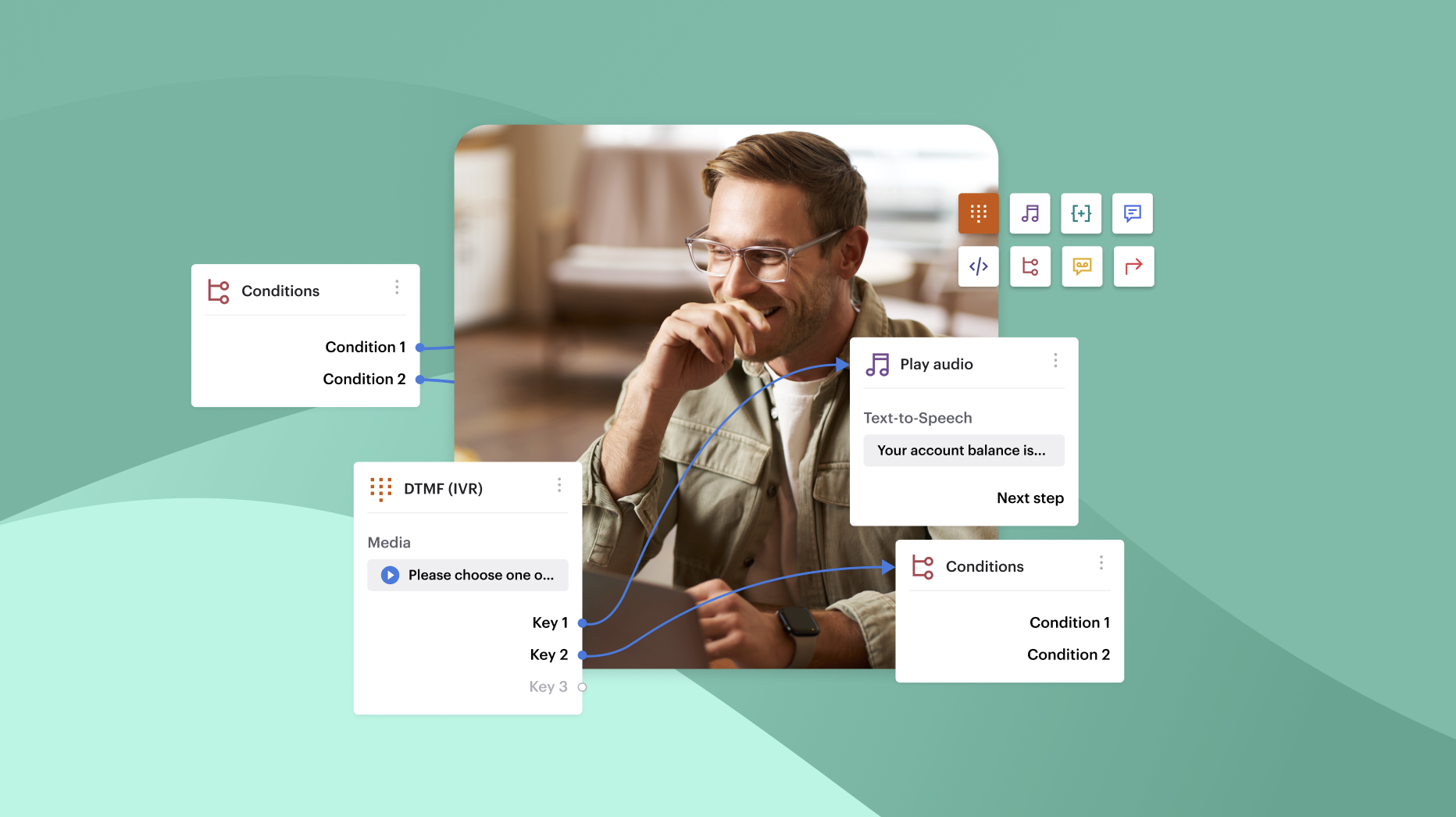
Every provider is different, but they usually include call management features like voicemail-to-email, interactive voice response (IVR) systems, call recording, mobile and desktop apps, and integration with CRMs and helpdesk software.
Advantages of paid VoIP
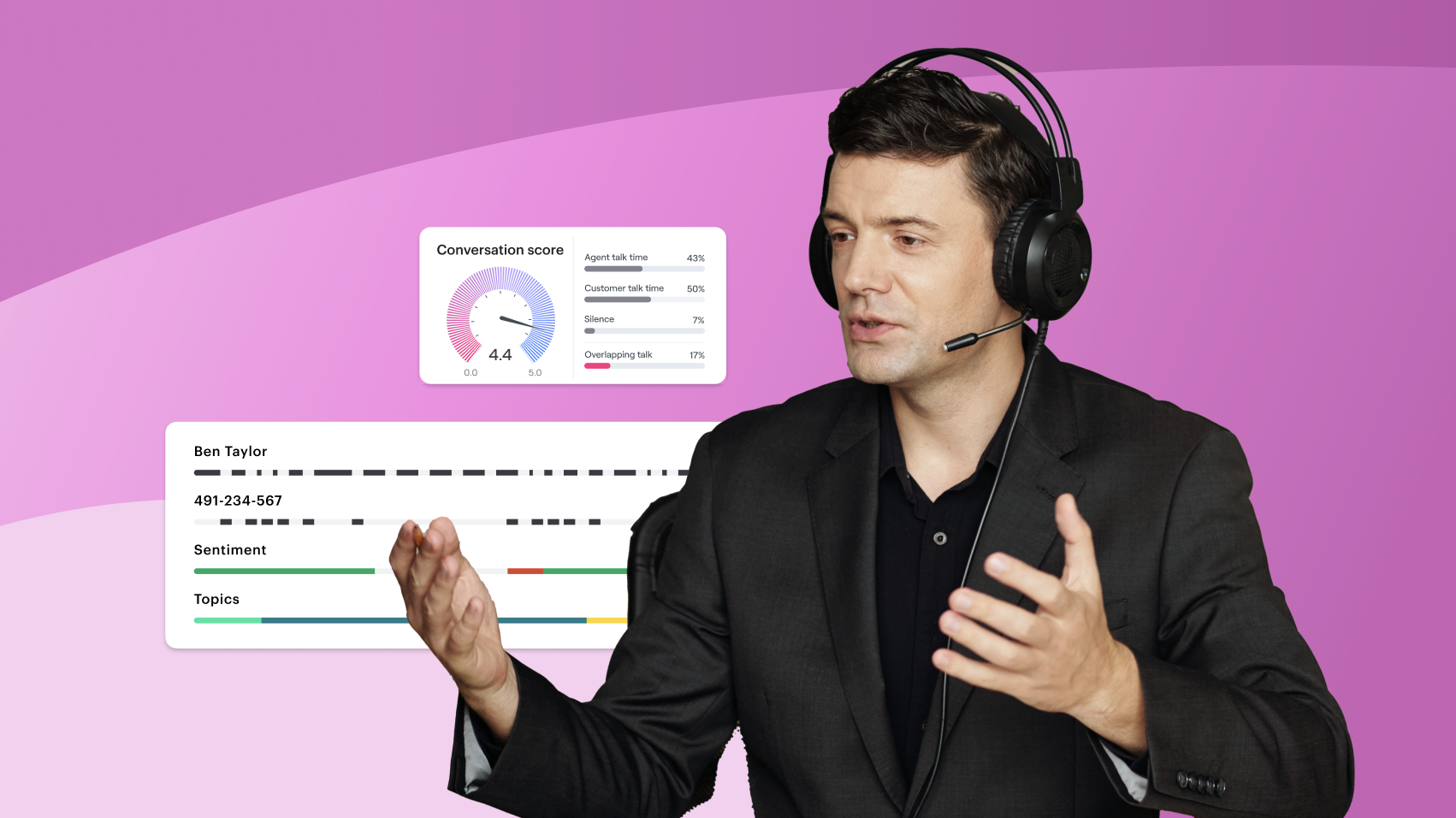
One of the biggest benefits of paid VoIP services is the access to a full-featured phone system that supports your team’s workflow rather than limiting it. Features like call analytics, automated call routing, voicemail-to-email, and integrations with productivity apps help teams handle calls efficiently and capture valuable data for training or customer insights.
Paid VoIP platforms also deliver more reliable call quality with dedicated infrastructure and prioritized traffic, reducing the chances of dropped calls or poor audio that can frustrate customers. Plus, businesses gain access to customer support teams that provide onboarding assistance, troubleshooting, and guidance for optimizing the system as the team grows.
And for industries with strict compliance requirements, such as healthcare or finance, many paid VoIP services offer HIPAA or GDPR-compliant solutions to protect sensitive data while ensuring legal obligations are met.
Potential drawbacks of paid services
While the benefits are clear, paid VoIP services come with trade-offs. There are monthly or annual subscription costs to consider, typically charged on a per-user, per-month basis. For very small teams or solopreneurs with minimal call volume, the investment might feel excessive if advanced features aren’t needed.
Additionally, while many paid VoIP systems are designed to be user-friendly, there may be a learning curve for teams moving from simple phone systems to a feature-rich VoIP platform. Implementation can require setup time, user training, and occasionally upgrading network bandwidth to support high-quality calls.
Free vs Paid VoIP Cost Comparison
Upfront and ongoing costs
Free VoIP platforms are appealing for their low barrier to entry, since the only costs involved are your internet connection and any hardware you choose to use, like a headset or microphone. There are no monthly fees, making them ideal for individuals, freelancers, or very small teams who need basic calling capabilities without additional expenses.
Paid VoIP services operate on a subscription model, with costs generally ranging from $10 to $40 per user per month, depending on the provider and the features included. Some platforms offer discounted annual pricing, while others allow you to add or remove users flexibly as your team changes. As your business grows, costs will scale with the number of users, which is important to factor into your budget.
Beyond subscription fees, there may be setup charges for advanced features or for porting numbers, though many providers include these at no extra cost to attract small businesses.
Feature ROI for businesses
The key question is whether the features offered by paid VoIP services justify the cost. For businesses that need call routing, analytics, CRM integrations, or consistent call quality, the investment can pay off quickly by improving team efficiency and customer experience.
Advanced VoIP systems can help reduce missed calls, shorten response times, and provide valuable data for sales and support teams. Features like voicemail-to-email, call recording, and analytics can save time and ensure accountability within the team, which is difficult to achieve with free tools.
In the long run, paid VoIP services support a higher level of professionalism in customer interactions, provide flexibility for hybrid or remote work environments, and integrate with your business’s existing systems to streamline communication. For growing businesses, the value of improved service quality, reliability, and customer trust can far outweigh the monthly costs.
Which VoIP Option Is Right for Your Business?
Questions to ask before choosing
Before deciding on a specific provider, ask yourself:
- Do you need to connect your calls with CRMs, helpdesk, or productivity apps?
- How many team members will need access now and in the next year?
- Do you need advanced call routing, call analytics, or voicemail-to-email?
- Are you in an industry that requires call logging, encryption, or compliance with HIPAA or GDPR?
Asking yourself the most basic questions will help to clarify whether a simple free VoIP tool is enough or if a paid system will better support your workflow and growth plans.
Ideal use cases for each type
Free VoIP services work well for freelancers, solopreneurs, and teams making occasional client calls or managing temporary projects, or as a backup system during travel.
Paid VoIP services are a better fit for growing businesses, customer-facing teams, and distributed workforces that need reliability, advanced call handling, and integrations to stay efficient and professional.
How to Transition from Free to Paid VoIP Seamlessly
Upgrading from a free VoIP tool to a paid system can feel intimidating, but it doesn’t have to be. A structured approach will help you move without losing call functionality or causing confusion for your team and customers.
What to look for in a paid provider
Not all paid VoIP services are created equal, so take time to evaluate:
- Free trial availability: A provider offering a 7–30 day free trial lets you test call quality, user interfaces, and advanced features in your daily operations before committing.
- Customer support reputation: Check if the provider offers 24/7 support, live chat, and dedicated onboarding assistance, as you’ll want a responsive team during migration to resolve issues quickly.
- Portability of existing numbers: Confirm that the provider can port your current business numbers so your clients and partners don’t need to update contact details. And make sure to ask about the timeline and any potential downtime during porting.
- Scalability: Ensure the system can grow with your team, allowing you to easily add or remove users without complex setup each time.
- Compliance and security options: If your business handles sensitive data, confirm the platform supports encryption and meets industry compliance standards like HIPAA or GDPR.
Best practices for migration
Once you’ve chosen your provider, following these steps will make the transition smoother:
- Set up a test environment: Before rolling out to your entire team, deploy the new VoIP system with a few users to test call quality, CRM integrations, and advanced features like call routing or voicemail-to-email.
- Review your current workflows: Map out how your team currently handles calls, messages, and customer inquiries so you can replicate or improve these workflows in the new system.
- Ensure network readiness: Paid VoIP systems need stable internet connections for consistent call quality. Test your current bandwidth and, if necessary, upgrade your internet plan or implement QoS (Quality of Service) settings on your router to prioritize voice traffic.
- Plan number porting carefully: Work with your provider to schedule number porting during off-peak hours to minimize disruption. Keep your free VoIP system or existing phone lines active until the porting process is confirmed complete.
- Train your team: Provide a walkthrough of the new system’s key features, such as how to transfer calls, check voicemail, and use call analytics. And look out for providers that offer training materials or onboarding webinars to help employees get comfortable.
- Communicate with clients if needed: If there will be any downtime or a new number in use temporarily, inform your customers in advance to maintain trust and service continuity.
- Monitor and adjust: After migration, monitor call performance and team feedback closely. Fine-tune call routing rules, user permissions, and integrations based on your team’s workflow to maximize the benefits of your new system.
Making an Informed VoIP Decision
Choosing between free and paid VoIP depends on your needs. Free VoIP services keep costs low for light, personal, or temporary use, while paid VoIP systems deliver advanced features, reliability, and support that help growing businesses operate efficiently.
Consider the trade-off between cost and the features you truly need. If you’re unsure, trial both options before committing to see which aligns best with your daily workflow and future plans.
FAQs
Is it possible to upgrade from a free VoIP service to a paid version with the same provider?
Yes, many providers offer easy upgrades from free to paid plans, preserving your contacts and history.
Do paid VoIP services guarantee better call quality than free ones?
Generally, yes, as paid services often prioritize call traffic and offer better infrastructure for stability.
Are free VoIP services safe for sensitive business calls?
They can be, but many lack encryption and compliance guarantees needed for sensitive industries.
How do VoIP services handle emergency (911) calling?
Paid services typically support E911 capabilities, while many free services do not handle emergency calls reliably.
Can you use both free and paid VoIP services simultaneously?
Yes, some businesses use free services as a backup alongside their main paid system.
What is the minimum internet speed recommended for high-quality VoIP calls?
At least 100 kbps upload/download per call is recommended, but higher speeds ensure better stability.
Further Reading