

In today’s world of instant everything, customers expect service to be fast, easy, and painless. But for many contact centers, long wait times remain a stubborn challenge, and nothing frustrates a customer faster than being stuck in an endless queue.
Key Takeaways
- Long wait times damage customer satisfaction and drive up costs, reducing them improves both CX and operational efficiency.
- Top causes include inefficient call routing, staffing mismatches, and high average handling times, solved with better forecasting, cross-training, and intelligent routing.
- Tech like ACD systems, IVRs, and omnichannel tools cut queues and give customers more self-service and communication options.
- Measuring ASA, abandonment rate, and CSAT helps track progress; callbacks and queue prioritization further reduce frustration.
- Long-term success depends on AI forecasting, CRM integration, and a continuously trained, well-supported team.
Why Reducing Wait Times Matters for Customer Experience
Wait times can make or break how customers feel about your business. Even the friendliest agent and the best resolution can’t erase the irritation caused by sitting on hold too long. When customers experience delays, they often perceive your brand as disorganized, under-resourced, or indifferent to their needs. On the flip side, fast responses create a sense of reliability and respect that builds loyalty over time.
Service level agreements (SLAs) play a big role. Customers may not know the exact terms of your SLA, but they feel its impact. If your SLA says 80% of calls will be answered in 20 seconds, missing that target directly shapes their expectations and satisfaction. Meeting or exceeding SLAs reinforces your commitment to their time and attention.
There’s also the financial side: long queues don’t just risk losing customers, but they can quietly drain your resources. Extended wait times often lead to call abandonment, repeat contacts, and more complex escalations—all of which increase costs and reduce efficiency. In short, reducing wait times is one of the rare moves that’s good for both the customer experience and your bottom line.
Analysing the Root Causes of Long Wait Times
If wait times are a problem in your contact center, guesswork won’t fix them; you need to understand exactly what’s causing the bottlenecks before you can take effective action. More often than not, the issue is a combination of technology limitations, staffing mismatches, and process inefficiencies. Let’s break down the most common culprits.
Inefficient call routing
Outdated or poorly configured routing systems can be a silent killer of speed. Calls end up bouncing between departments, customers repeat themselves, and the time to reach the right agent stretches far too long. Intelligent call distribution changes the game by matching customers with the right agent based on skills, language, or account type. Skill-based routing not only shortens wait times but also boosts first-call resolution rates, making every interaction smoother.
Staffing gaps and scheduling issues
You can have the best routing system in the world, but if there aren’t enough agents available at the right times, wait times will spike. Workforce management tools help forecast demand and schedule accordingly, so you’re not scrambling to cover peak hours. Seasonal surges and unplanned absences can still throw a wrench in the works, but proactive planning (and a bit of schedule flexibility) can keep your queues from spiraling out of control.
High Average Handling Time (AHT)
Sometimes the problem isn’t how fast calls are answered, but how long each one takes. Complex queries, lack of agent training, and slow systems can all inflate AHT, backing up the queue. The goal isn’t just to cut handling time but to make interactions more efficient without sacrificing quality. Faster, better-trained agents supported by streamlined systems can reduce AHT naturally, freeing them up to help the next customer sooner.
Technology Solutions to Reduce Waiting Time
When customers call your contact center, every extra second they spend waiting feels like an eternity—technology can change that. The right tools not only get calls to the right agents faster, but also give customers more ways to get help without being stuck on hold. Let’s break down the key technologies that can make long wait times a thing of the past.
Automated Call Distribution (ACD) systems
Think of ACD systems as traffic controllers for your contact center. Instead of letting calls pile up and get answered in random order, ACD uses rules to route each customer to the best available agent, whether that’s based on skills, language, or even past interactions. The result? Fewer transfers, less frustration, and faster resolutions.
And when integrated with your CRM or customer database, ACD can go a step further: instantly pulling up account details so agents are ready to help from the first hello. The combination of speed and context makes interactions more efficient and personal.
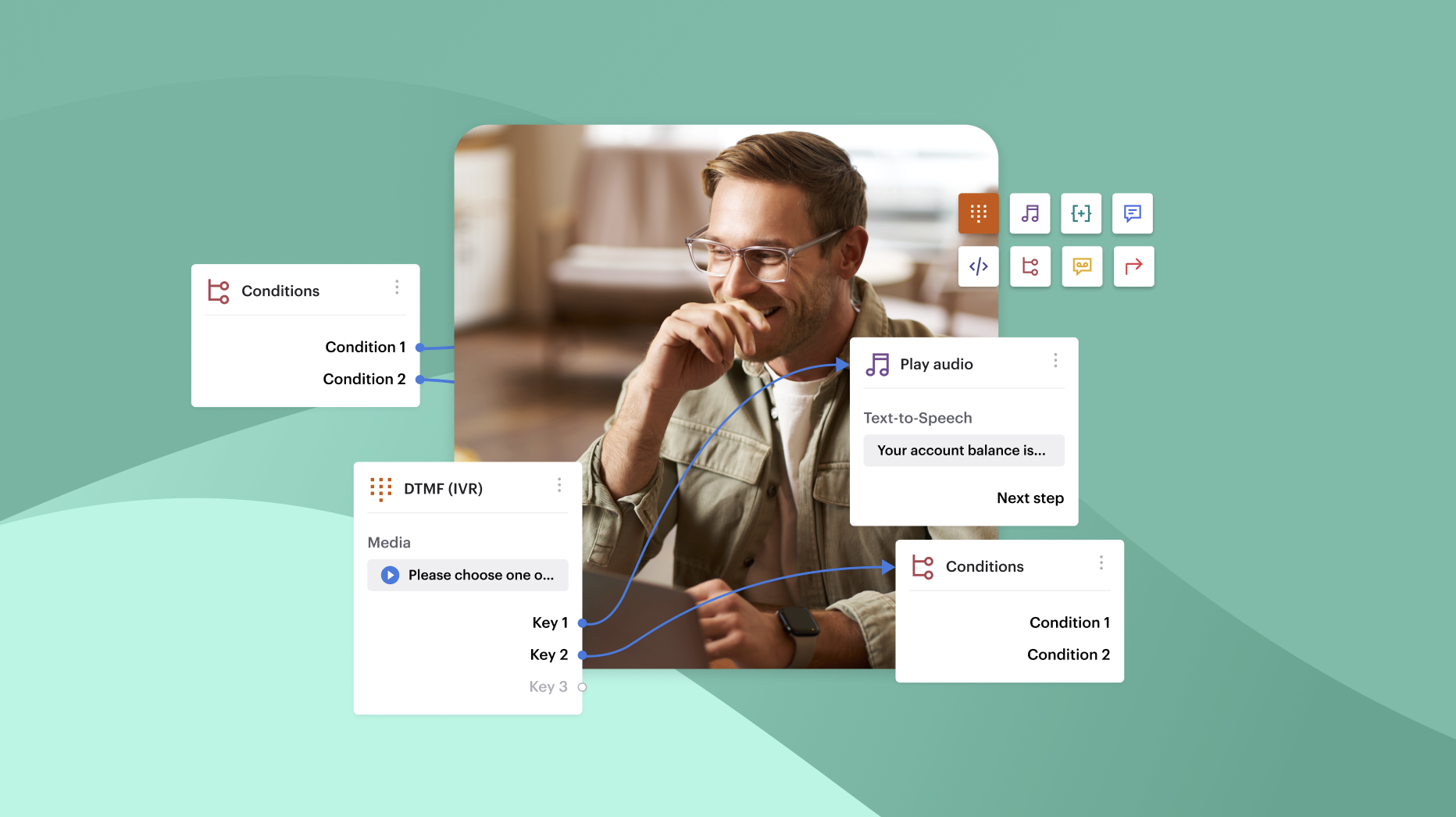
Interactive Voice Response (IVR)
A well-designed IVR can be a customer’s best friend (and a queue’s biggest relief). Instead of waiting to speak to a person for every issue, customers can navigate a simple menu, get quick answers, or be directed straight to the right specialist.
With modern speech recognition and AI, IVRs can feel less like “press 1 for this” and more like natural conversation. They can understand requests in plain language, anticipate needs, and even handle full resolutions for routine tasks like balance checks or password resets, freeing agents for more complex calls.
Omnichannel communication tools
Not every customer wants to wait on the phone, and they shouldn’t have to. Omnichannel tools let you offer live chat, email, and messaging alongside voice, giving customers options that fit their schedule.
The key is consistency; whether someone reaches out on WhatsApp, Facebook Messenger, or your website’s chat, they should get the same speed and quality of service. By spreading demand across channels, you naturally reduce pressure on your phone queues and keep more customers happy.
Workforce and Scheduling Strategies
Even the best tech won’t help if you don’t have enough people at the right times. Managing your workforce strategically is one of the most direct ways to reduce wait times without burning out your team.
Accurate forecasting and staffing
Historical call data is a goldmine for predicting when things will get busy. By analyzing patterns in call volume, you can build schedules that keep wait times low during peak hours without overstaffing during slow periods.
But forecasts aren’t perfect. That’s why dynamic scheduling (adjusting shifts in real time based on actual call volume) is so powerful. With the right tools, you can spot spikes early and bring in backup before queues start building.
Cross-training agents
A team that can handle multiple types of inquiries is a team that can pivot quickly. Cross-training agents to manage a mix of technical, billing, and customer service calls means you’re less likely to have queues forming in one area while other agents sit idle.
This flexibility is especially valuable during peak seasons or unexpected surges. Instead of scrambling to reassign calls, you already have a workforce that can adapt on the fly.
Process Improvements for Faster Service
Sometimes the problem isn’t the number of calls, but how they’re handled. Streamlining processes can shave valuable seconds or even minutes off each interaction, adding up to significantly shorter wait times across the board.
Streamlined call handling procedures
If your agents have to click through five different systems to answer a simple question, wait times will suffer. Standardizing workflows for common inquiries and giving agents quick-reference tools, like a centralized knowledge base, keeps things moving smoothly. The faster agents can find answers, the faster they can help the next person in line. It’s a win-win for customers and operations.
Prioritisation and queue management
Not all calls are created equal. Some customers, like VIP clients or those with urgent issues, need to be bumped to the front of the line, which queue management systems let you prioritize without throwing the whole schedule off. Another powerful option? Callbacks. Instead of forcing customers to sit on hold, let them reserve their place in line and receive a call when an agent is free. It’s a small change that makes a big difference in customer satisfaction.
Measuring and Monitoring Performance
You can’t fix what you can’t measure. Tracking the right metrics gives you a clear picture of where wait times are creeping up and whether your changes are working.
Key metrics to track
Average Speed of Answer (ASA) tells you how quickly calls are being picked up, giving an indication of how many customers are waiting at any given time, while abandonment rate measures how many callers hang up before speaking to an agent. These numbers mean even more when linked to customer satisfaction (CSAT) scores. If your ASA improves and your CSAT scores rise too, you know you’re on the right track.
Continuous improvement
Reducing wait times isn’t a one-and-done project, it’s an ongoing process that requires regular check-ins. Review your call handling processes quarterly, or even monthly, and see where you can trim delays. But customer feedback is also an invaluable tool: if people say they’re still waiting too long, it’s a sign to dig deeper into your data and find the next opportunity for improvement.
Long-Term Strategies for Sustained Efficiency
Quick fixes are great, but long-term success comes from building a contact center that can adapt and evolve, which requires investing in tools, training, and strategies that keep performance high year after year.
AI-powered analytics can help forecast future call trends and even recommend staffing adjustments before you hit trouble. Integrating your contact center software with your CRM ensures every agent starts each call with full context—no time wasted hunting for customer history.
Finally, don’t underestimate the power of ongoing training and agent engagement. A motivated, knowledgeable team supported by the right tools will keep wait times low and customer satisfaction high, long after the initial improvements are made.
FAQs
What is the ideal average wait time for a contact center?
Industry benchmarks vary, but many aim for an ASA of 20 seconds or less. The right target depends on your industry and customer expectations.
How does call routing help reduce wait times?
It ensures customers reach the right agent on the first try, cutting down transfers and hold time.
Can small contact centers benefit from automated queue management?
Absolutely. Even a few seconds saved per call can have a big impact on small teams.
What role does agent training play in reducing customer hold times?
Well-trained agents handle calls more efficiently, freeing them up to help the next customer sooner.
Is it better to focus on reducing wait time or average handling time?
Both matter, but start with whichever is creating the bigger bottleneck for your customers.
How can callbacks improve the customer experience in high-volume periods?
They let customers avoid sitting on hold while keeping their place in line, which reduces frustration.
What technology investments deliver the fastest results for wait time reduction?
ACD systems, well-designed IVRs, and omnichannel tools often make the quickest impact.
Further Reading
- Customer Experience Vs Customer Service
- Customer Service Strategies
- How To Master Customer Service
- How To Deal With Angry Customers
- AI In Customer Support
- Guide To Customer Service Automation
- Emotional intelligence and customer service
- De-escalation techniques for customer service
- Omnichannel customer journey mapping