

In business, phone greetings aren’t just a formality; they’re your frontline branding, customer reassurance, and a promise of professionalism. Whether you’re a small business owner, a quickly scaling startup, or a support manager refining customer experience, learning how to craft the perfect phone greeting can elevate your customer relationships and leave a lasting positive impression.
Key Takeaways
- Phone greetings are your brand’s first impression, they set the tone, reduce confusion, and shape customer trust before any conversation begins.
- Great greetings follow a simple formula: use a professional tone, identify your business, give clear instructions, and align the message with your brand voice.
- There are many types of greetings (e.g., voicemail, after-hours, holiday, IVR), each with specific use cases, and businesses should regularly update them for relevance and clarity.
- Tools like VoIP platforms and audio editing apps simplify greeting management, while avoiding mistakes like long messages, missing details, or poor audio quality helps maintain a professional image.
- Bonus Tip: Use sample scripts provided in the article to customize greetings based on tone, audience, and industry (from startups to legal offices).
Why phone greetings matter for business
When someone calls your business, your greeting sets the tone before a conversation even begins. It’s your chance to show professionalism, warmth, and clarity in the first few seconds, shaping how customers perceive your brand. A clear, friendly greeting builds trust, while a disorganized or monotone message can lead callers to question your reliability, even if your service is excellent.Remember: a well-crafted phone greeting reassures callers that they’ve reached the right place, reducing confusion and anxiety. Customers often call because they need quick answers or support, and hearing a confident, clear greeting lets them know you’re organized and ready to help. It also guides them on what to expect next, whether that’s waiting on hold, leaving a message, or navigating a menu to reach the right department.
Key Elements of a Great Business Phone Greeting
Professional tone and language
Your tone should be courteous, clear, and confident, reflecting your brand’s personality while maintaining professionalism, so avoid using jargon or overly casual language that might confuse or put off callers. Even if your business culture is laid-back, clarity and respect in your greeting ensure that customers feel valued from the moment they connect with you.
Identify your business and purpose
Always state your company name and offer a friendly greeting at the beginning of the call. Not only does it reinforce your brand identity, it reassures callers that they’ve dialed the right number. If the greeting is for voicemail or an automated message, explain its purpose, such as asking the caller to leave a message or informing them of what to expect while they’re on hold.
Provide clear instructions
A great phone greeting doesn’t leave callers guessing about what to do next. Let them know whether to leave a message, press a specific number for different departments, or call back during certain hours. If possible, mention your typical response time or your business hours to set clear expectations, reducing unnecessary follow-up calls and frustration.
Types of Phone Greetings for Businesses
Standard voicemail greeting
Voicemail is your fallback when you or your team can’t answer a call: a good voicemail greeting is clear, concise, and respectful, letting the caller know they’ve reached your business. You’re inviting them to leave a message with the necessary details so you can return their call promptly, assuring them that their query isn’t going unnoticed.
After-hours greeting
An after-hours greeting informs callers that they’ve reached your business outside of operating hours, while providing your standard business hours and alternative ways to reach you if necessary. It shows organization and care, assuring customers that you’ll return their call when you reopen.
Holiday or special closure greeting
During holidays or special closures, a customized greeting lets customers know you’re temporarily unavailable and when you’ll return. It prevents confusion, manages expectations, and reduces the risk of customers feeling ignored during busy or closed periods.
On-hold greeting or music
Have you ever sat in silence while waiting on hold? It can make the wait time seem so much longer; not to mention making you feel like you’ve been disconnected. An on-hold greeting, paired with light music, helps fill the dead air, reduces caller frustration, and can even be used to share brief promotions, FAQs, or updates about your business to keep callers engaged.
IVR/auto-attendant greeting
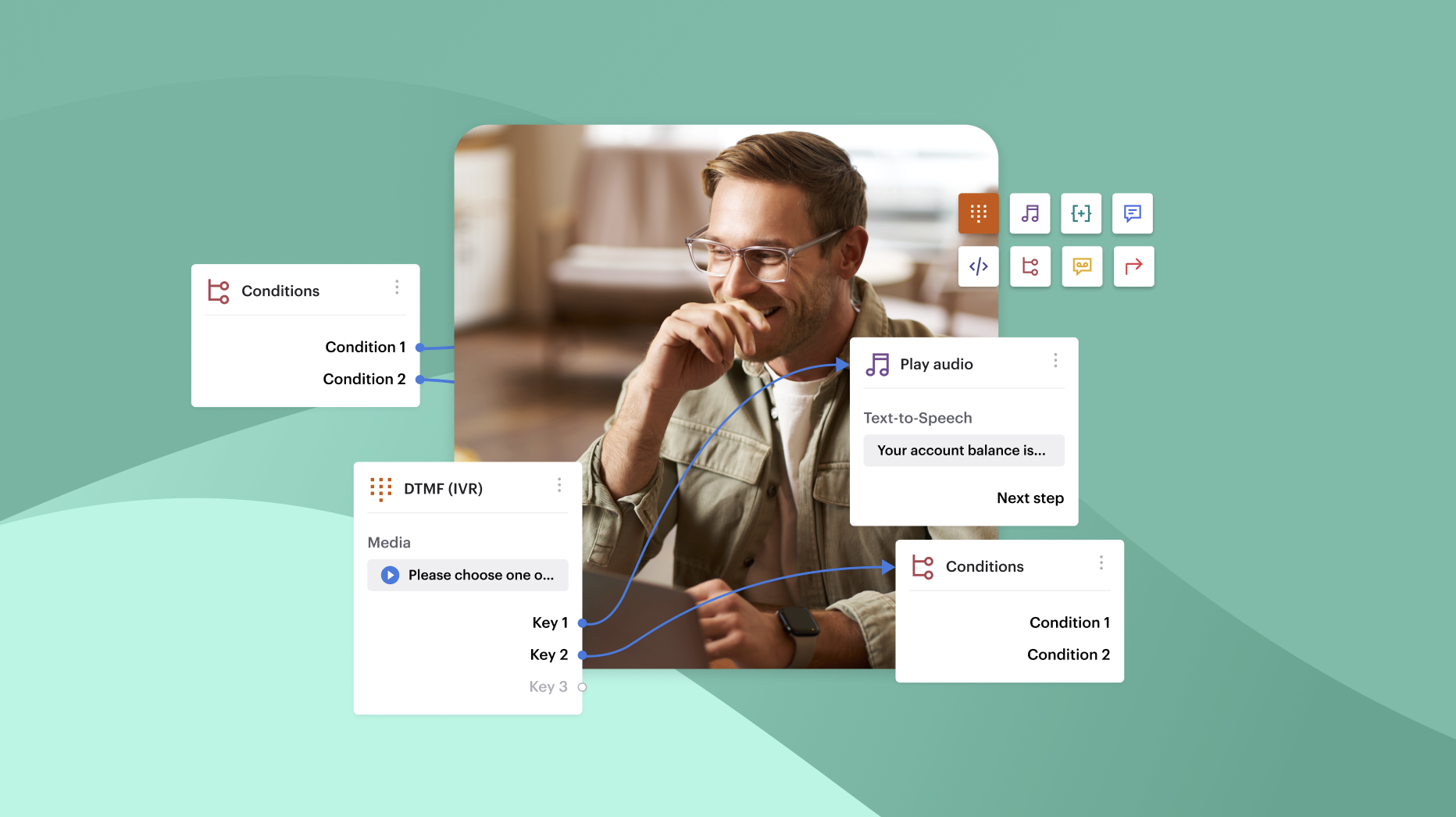
If your business uses a multi-line system, an IVR (Interactive Voice Response) or auto-attendant greeting helps route calls efficiently. It introduces your business, thanks the caller, and provides clear instructions to direct them to the right department or resource, reducing wait times and improving customer satisfaction.
10 Sample Business Phone Greeting Scripts
Need inspiration for your voicemail or on-hold messages? These scripts provide a variety of tones and use cases to match your brand and customer needs.
Script 1 – Professional voicemail greeting
“Hello, you’ve reached [Company Name]. Our phone support is currently unavailable, but your call is very important to us. Please leave your name, number, and a brief message, and we will return your call as soon as possible. Thank you for contacting us.”
A clear, respectful, and efficient script is perfect for most professional services that want to maintain a polished brand presence even when missing a call.
Script 2 – Friendly startup tone
“Hi! Thanks for calling [Startup Name]. Thank you for reaching out, but we can’t get to the phone right now. Please leave your name, number, and what you’re calling about, and we’ll get back to you as soon as we can. Have a great day.”
A warm, casual option for startups and small businesses that want to keep their personality in customer interactions.
Script 3 – Corporate client-facing
“Thank you for calling [Company Name], a leader in [industry] solutions. We appreciate your call. Please leave your name, number, and the reason for your call, and one of our representatives will get back to you as soon as possible.”
Demonstrating authority while staying approachable aligns with client-facing corporate environments that value both professionalism and customer care.
Script 4 – After-hours example
“You’ve reached us outside of business hours. Our office is open Monday through Friday, 9 AM to 6 PM. Please leave your name, number, and the reason for your call, and we’ll get back to you on the next business day. Thank you for calling [Company Name].”
An after-hours greeting informs customers of operating hours, and when they should expect a call back, reducing unnecessary follow-up calls and managing expectations.
Script 5 – Holiday closure
“Our office is currently closed for [holiday]. We will reopen on [date], and we look forward to assisting you then. Please leave a message with your name and number if you’d like us to return your call once we’re back. Thank you, and have a wonderful [holiday]!”
A clear and thoughtful message keeps customers informed during holidays, preventing confusion while maintaining a friendly tone.
Script 6 – Bilingual greeting
“Hello, you’ve reached [Company Name]. To continue in English, please stay on the line. Para continuar en español, por favor presione dos.”
Offering a bilingual greeting demonstrates inclusivity and ensures accessibility for your diverse customer base.
Script 7 – Sales-oriented voicemail
“Hi, you’ve reached [Sales Rep Name] at [Company Name]. Sorry I missed your call. If you’re interested in learning how we can help [solve a problem or provide a benefit], please leave your name, number, and the best time to reach you. I look forward to connecting!”
Prompting prospects to leave contact details while tying back to your value proposition can be a great way to increase lead conversion and show that you’re dedicated to helping them rather than meeting a quota.
Script 8 – Customer support queue
“Thanks for your patience. All our agents are currently assisting other customers, but your call is very important to us. Please stay on the line, and the next available representative will be with you shortly.”
When all lines are busy, it’s important to reassure callers while they wait, as it reduces frustration and lets them know they’re in a queue.
Script 9 – Medical or legal office
“Thank you for calling [Practice Name]. Please note that your call may contain confidential information and will be handled in compliance with HIPAA guidelines. If this is a medical emergency, please hang up and call 911. Otherwise, please leave your name, date of birth, and a brief message, and we will return your call as soon as possible.”
When it comes to medical appointments and legal issues, compliance, urgency filtering, and clear instructions specific to regulated industries are a priority.
Script 10 – Call center overflow
“We’re experiencing a higher volume of calls than usual. Please leave your name, number, and the reason for your call, and we’ll get back to you as soon as possible. We appreciate your patience.”
Ideal for busy periods, this script keeps your customers informed without sounding dismissive.
Tips for Customising Your Phone Greeting
Align with your brand voice
Your phone greeting should match how you want your customers to perceive your business. A law firm or financial services provider may use a formal, authoritative tone, while a lifestyle brand, creative agency, or startup can benefit from a warm, relaxed approach. Consistency in tone across your website, emails, and phone greetings strengthens your brand image.
Update regularly
A phone greeting shouldn’t be a “set it and forget it” tool. Your greetings should be updated during seasonal changes, staff transitions, rebrands, or when your business hours change. A stale greeting with outdated information can erode customer trust and make your business appear disorganized.
Use professional voice talent (optional)
If you want your phone greetings to sound exceptionally polished, consider hiring a voice-over professional who can provide clear, pleasant, and confident voices that can enhance your customer experience, especially for businesses that receive a high volume of calls or want to maintain a premium brand feel.
Tools to Create and Manage Greetings
VoIP and cloud communication platforms
Modern VoIP and cloud phone systems like Voiso, RingCentral, Grasshopper, and Aircall make managing your phone greetings easy and scalable. They often include features like voicemail-to-email so you never miss a message, greeting libraries for quick updates during holidays, and intelligent call routing tools to direct callers efficiently. If your business handles a high volume of calls, cloud phone systems can even help you stay organized while maintaining a professional caller experience.
Recording and editing apps
To ensure your greeting sounds polished, use recording and editing tools like Audacity or TwistedWave, or even the built-in recorder on your smartphone for quick updates. They help you capture clear, high-quality audio, trim out awkward pauses, and reduce background noise, ensuring your greeting is easy to understand and reflects your business’s attention to detail.
Mistakes to Avoid in Business Phone Greetings
Being too long or repetitive
One of the biggest mistakes businesses make is having greetings that drag on. Aim to keep your greeting under 30 seconds to respect your caller’s time, and avoid phrases like “Hi again” or overly repetitive thank-yous that add fluff without value. A concise greeting keeps callers engaged and reduces the chance they’ll hang up before leaving a message.
Not including key details
It’s surprisingly common for businesses to forget to include essential details in their greetings. Always state your company name, provide clear next steps (like leaving a message), and share your office hours if applicable. Omitting this information can confuse callers, leading to frustration or missed opportunities for your business.
Using distracting music or sound effects
While hold music can enhance the caller experience, overly loud or quirky tunes can quickly become irritating. Choose neutral, pleasant music if you use hold messages, and avoid unnecessary sound effects that distract from your message or sound unprofessional.
FAQs
What’s the ideal voicemail greeting length for businesses?
Aim for 20–30 seconds to keep it concise while covering key details.
Can I use background music in my voicemail greeting?
Yes, but keep it soft and neutral to avoid distracting or irritating callers.
Are there legal requirements for voicemail greetings in regulated industries?
Yes, industries like healthcare and legal services may require disclaimers (e.g., HIPAA notices) to ensure compliance.
Should I mention my personal name or just the company in a greeting?
If applicable, including your name adds a personal touch, especially for small businesses or direct contacts.
How often should I update my business phone greeting?
At minimum, review it quarterly, and update during holidays, staff changes, or if your business hours change.
What’s the difference between an IVR greeting and a standard voicemail?
IVR greetings guide callers through options to reach the right department, while voicemail simply records messages when no one answers.
Can I use AI-generated voices for my business phone system?
Yes, many businesses use AI voices for consistency, but ensure the tone aligns with your brand and sounds human-like.
How do I record a professional greeting from my computer?
Use a USB microphone or quality headset with recording software like Audacity, record in a quiet space, and test playback for clarity before uploading to your phone system.
Further Reading