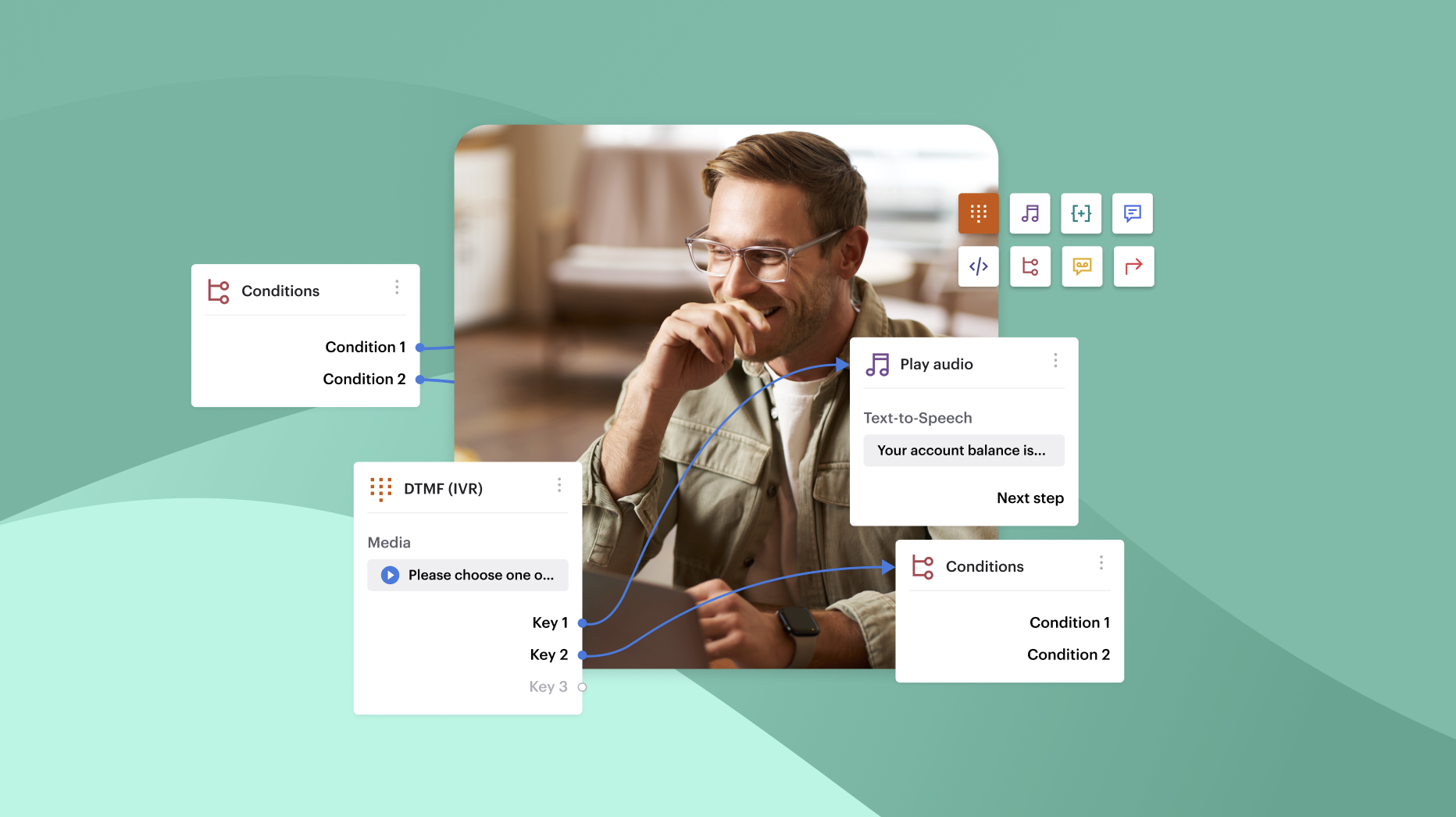



Instead of relying on physical hardware housed in your office, everything runs over the internet through virtual servers and applications.
So, what’s the real difference between on-premise and cloud-based contact centers? On-premise systems require dedicated equipment and software installed locally, which often means hefty upfront costs, ongoing maintenance, and limited flexibility. Cloud contact centers, on the other hand, operate in the digital realm, offering much more agility. They’re designed to scale up or down quickly, integrate new features seamlessly, and support remote work—something that’s become a game-changer in today’s workforce.
Businesses are making the move to cloud computing for customer service operations because it aligns perfectly with modern demands. Customers expect faster responses, seamless communication across channels, and support that’s available anytime, anywhere. Cloud-based platforms make all of this possible—and often at a lower cost.
The benefits of migrating to a cloud contact center speak for themselves: scalability that adjusts to your needs, flexibility to innovate without long lead times, significant cost savings on hardware and maintenance, and the ability to empower agents to work remotely without compromising security or performance.
Key Takeaways
- Cloud-based contact centers replace expensive, inflexible on-premise systems with scalable, internet-powered platforms that support omnichannel communication and remote work.
- Key benefits include cost savings, agility, AI-powered tools, seamless CRM integration, and support for hybrid work environments.
- Effective cloud migration starts with infrastructure assessment, goal setting, careful provider selection, and phased implementation planning.
- Migration steps include secure data transfer, system customization, agent training, and quality assurance testing to minimize downtime and ensure smooth transition.
- Post-migration, success depends on monitoring KPIs, optimizing workflows, innovating continuously, and maintaining strong data security and regulatory compliance.
Key Benefits of Migrating to a Cloud-Based Contact Center
Moving your contact center to the cloud isn’t just about changing technology, it’s about unlocking a whole new level of performance and flexibility. The right cloud platform can transform how you manage your team, interact with customers, and control costs. Let’s dive into the key benefits that make cloud-based contact centers such a smart move for businesses today.
Better scalability and flexibility
One of the biggest advantages of a cloud-based contact center is its ability to handle whatever volume of interactions comes your way. Whether it’s a predictable seasonal spike or an unexpected surge in customer calls, cloud platforms let you scale your capacity up or down without breaking a sweat. No more scrambling to install new equipment or deal with downtime—adding or removing agents happens in real time, making your operations more agile and cost-effective.
Improved customer service and experience
Cloud contact centers come loaded with omnichannel communication tools that let your customers reach you wherever they prefer; phone, chat, email, social media, you name it. Behind the scenes, AI-driven routing and automation speed up how quickly issues get to the right agent, cutting down wait times and resolution speeds. The result? Happier customers and more efficient service teams.
Cost efficiency and predictable pricing
Shifting to the cloud means saying goodbye to costly hardware investments and the headaches of maintaining physical servers. Cloud platforms typically use subscription-based pricing, which turns unpredictable capital expenses into manageable operational costs. It provides predictability, makes budgeting easier, and frees up resources you can invest elsewhere.
Support for remote and hybrid work
In today’s world, flexibility for agents is a necessity. Cloud-based contact centers support secure access from any location, so your team can work from home, the office, or anywhere in between. Plus, built-in collaboration tools and performance monitoring help managers keep a finger on the pulse no matter where everyone is logging in from.
Planning Your Cloud Migration Strategy
Before you dive headfirst into the cloud, it’s crucial to have a solid plan in place. A well-thought-out strategy sets the foundation for a smooth transition and helps avoid costly surprises down the road.
#1 Assess current infrastructure and needs
Start by taking stock of what you have: inventory your existing systems, tools, and integrations to understand how your contact center currently operates. Look closely for any performance gaps or pain points, whether it’s outdated hardware, slow software, or a lack of essential features. Conducting a thorough assessment will highlight what needs improvement and what can carry over to your new cloud setup.
#2 Define migration goals and requirements
Next, get clear on what you want to achieve with the migration: are you aiming to improve customer experience, boost agent productivity, or cut costs? Align your goals with your broader business objectives and prioritize features that matter most; whether that’s omnichannel support to reach customers on multiple platforms, seamless CRM integration for better data flow, or advanced analytics and AI tools to sharpen your insights and automation.
#3 Select the right cloud contact center provider
Choosing the right cloud partner is a critical step, so make sure to evaluate vendors based on key criteria like security standards, regulatory compliance, uptime guarantees, and customer support quality. Don’t just pick the flashiest option—look for a provider that fits your specific needs and offers reliable service. Compare leading cloud contact center solutions to find the one that balances features, cost, and ease of use.
#4 Develop a migration timeline
A realistic timeline helps keep everyone on track: break the migration into phases, like preparation, the actual move, and post-migration follow-up. Set milestones for each stage to monitor progress and manage expectations, and most importantly, plan for minimal downtime to avoid disrupting your customer service during the switch.
The Migration Process Step-by-Step
With your strategy set, it’s time to roll up your sleeves and move your operations to the cloud. Here’s a step-by-step look at the journey.
Data migration and integration
Moving customer data safely and securely is a top priority. Make sure to use strategies that protect sensitive information while ensuring smooth transfer of records. It’s also essential to confirm that your new cloud platform integrates well with existing CRM and business systems, so nothing falls through the cracks.
System configuration and customization
Once the data is in place, configure your new system to fit your operational needs. This includes setting up call routing, interactive voice response (IVR), automated workflows, customized dashboards and analytics tools to give your team the right insights at a glance, helping them work smarter from day one.
Agent training and change management
Change can be daunting, so make sure your agents are prepared by providing thorough training on new tools and processes, building easy-to-access resources like knowledge bases and quick-reference guides, and supporting your team through the transition to speed up adoption and reduce frustration.
Testing and quality assurance
Before going all in, run pilot programs with select teams to test the new platform in real-world conditions. Doing so lets you spot and fix any technical or operational issues before a full rollout, ensuring your contact center runs smoothly from the start.
Post-Migration Best Practices for Long-Term Success
Migrating your contact center to the cloud is just the beginning. To truly reap the benefits, you need to stay proactive and keep improving your operations.
Monitor performance and KPIs
Keep a close eye on key performance indicators like Customer Satisfaction (CSAT), Average Handle Time (AHT), First Call Resolution (FCR), and agent productivity, as they tell you how well your new system is working and where there’s room for improvement. And don’t forget to use the analytics tools built into your cloud platform to dig into the data and refine your processes for better outcomes.
Optimise and innovate continuously
Customer expectations don’t stand still, and neither should you. Take advantage of your cloud contact center’s flexibility by adding new features as needed, whether it’s integrating additional communication channels or leveraging AI-powered tools to automate routine tasks. Continuous innovation will keep your service sharp and your customers happy.
Maintain security and compliance
Security can’t be an afterthought, so schedule regular audits to ensure your contact center complies with all relevant regulations. Keep your security protocols up to date as data protection laws evolve, and make sure your cloud provider shares your commitment to safeguarding sensitive information.
FAQs
What is the average timeline for migrating a contact center to the cloud?
It varies depending on the size and complexity of your operations, but most migrations take anywhere from a few weeks to a few months. Careful planning and phased rollouts can help keep things on track.
How much downtime should be expected during migration?
With proper planning, downtime can be minimal—sometimes just a few minutes or hours. Cloud migrations often include strategies to maintain service continuity during the transition.
Do small businesses benefit from cloud-based contact centers as much as large enterprises?
Absolutely. Cloud contact centers offer scalability and cost-effectiveness that make them a great fit for businesses of all sizes.
What are the biggest risks in a contact center cloud migration?
Common risks include data loss, system incompatibilities, and user resistance. Mitigating these through thorough testing, proper training, and choosing the right provider is key.
Can all legacy systems integrate with cloud contact center platforms?
Not always. Integration depends on the technology and APIs available. It’s important to evaluate compatibility during your planning phase.
How can businesses ensure data security when moving to the cloud?
Partner with cloud providers that prioritize security, use encryption, and comply with industry regulations. Regular audits and employee training also play a big role.
Is a hybrid model possible if a full migration isn’t feasible?
Yes. Many businesses start with a hybrid approach, keeping some systems on-premise while gradually moving others to the cloud. This can offer flexibility while managing risk.
Further Reading
- What Is Omnichannel Contact Center?
- Contact Center Vs Call Center
- Contact Center Vs CRM
- What Is Contact Center Queue
- What Is Contact Center As A Service?
- On Premise Vs Cloud Contact Center
- Change Management In Contact Centers
- Top Contact Center Challenges
- Digital Transformation In Contact Centers
- Building A Scalable Contact Center