


 All Products

.svg)




Call Center Software
All-in-One Contact Center Solution
Handle customer conversations across any channel with cloud-native tools for calling, routing, coaching, and reporting, built for speed and scale.
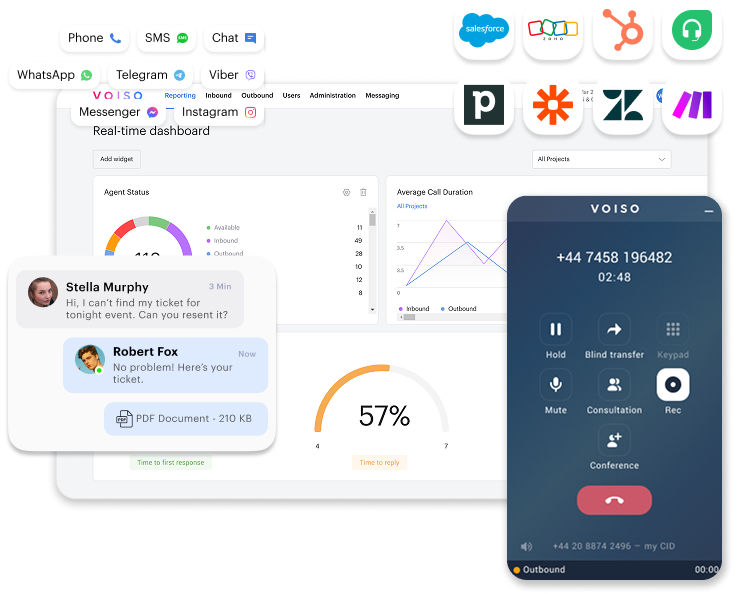


Designed for Every Role in Your Contact Center
For Agents: Less Juggling, More Doing
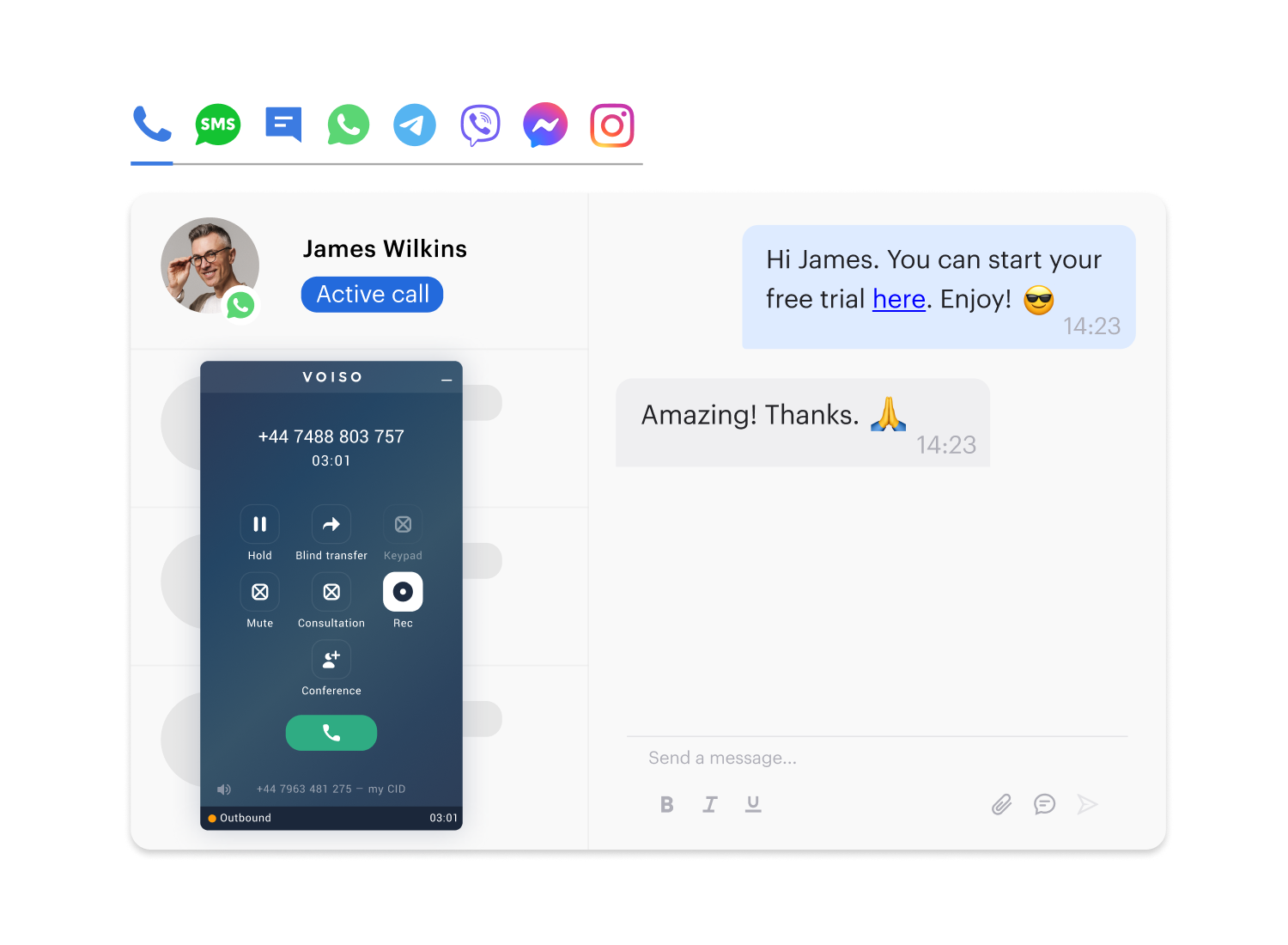
No more switching between screens or apps, everything an agent needs lives in one place.
Call history, conversation history, customer records, and next steps are clearly laid out.
It’s faster, less stressful, and sets your team up to succeed on every interaction.
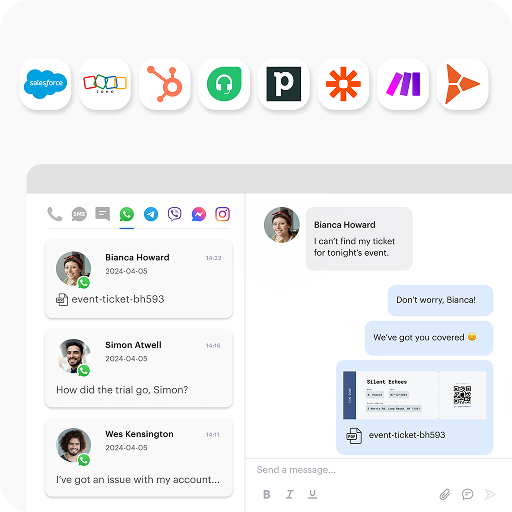
For Managers: Visibility Without Micromanagement
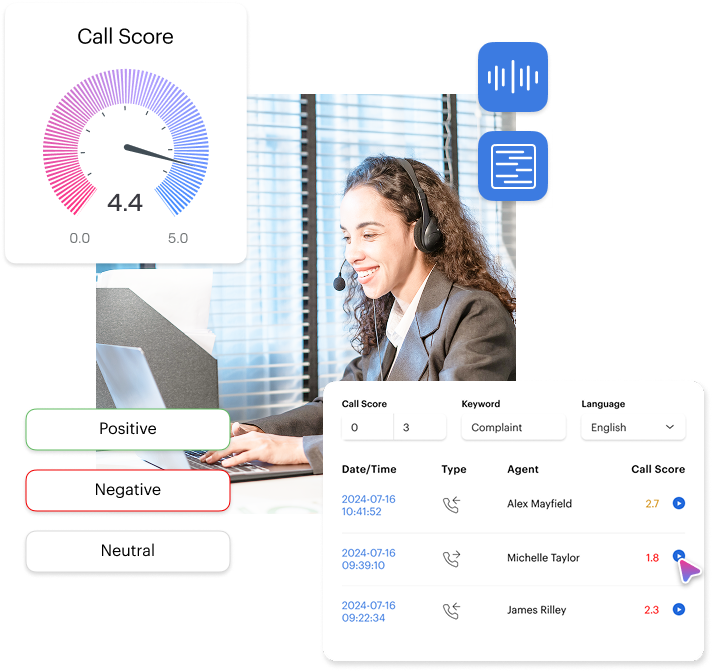
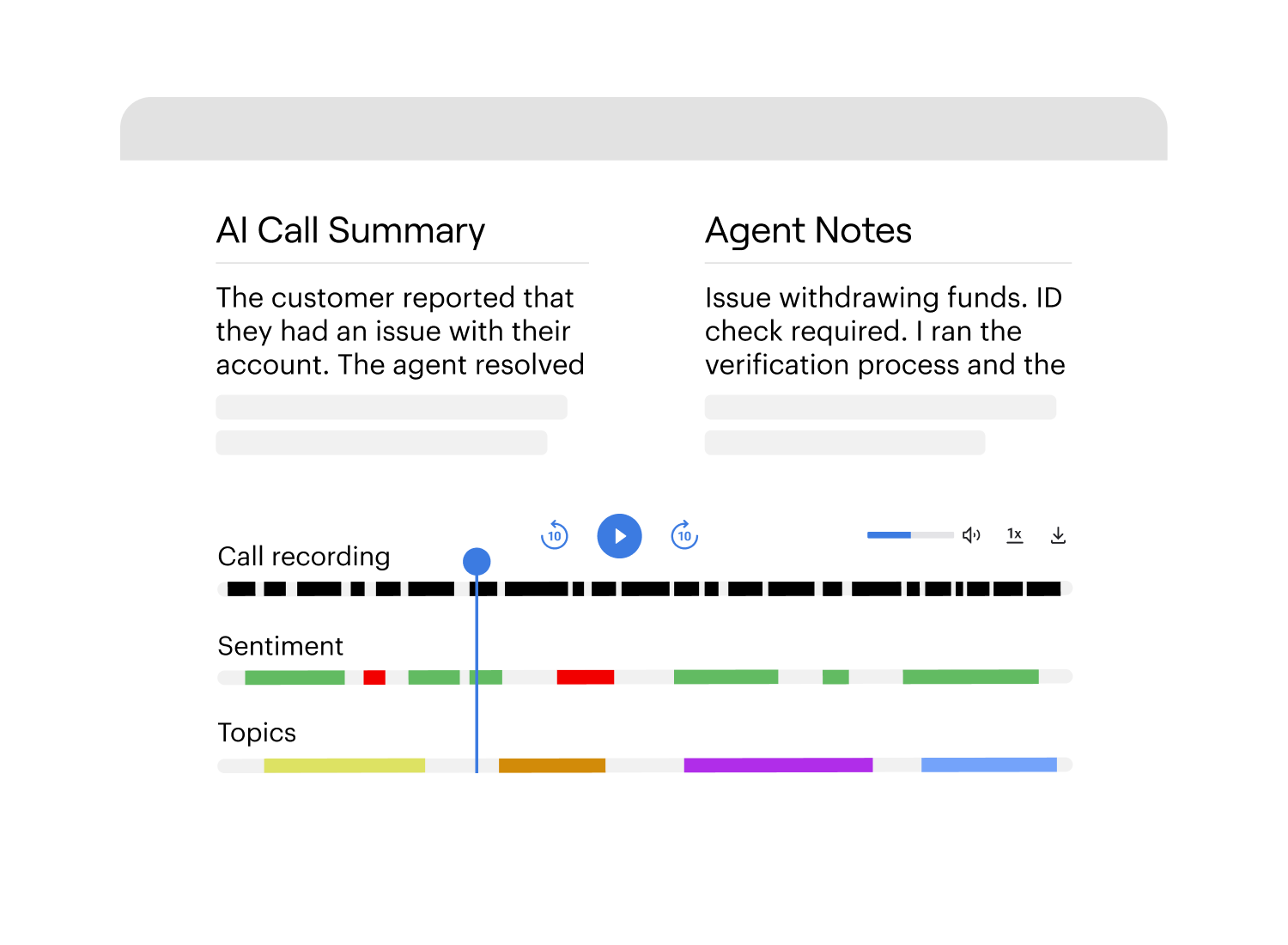
Live dashboards, whisper coaching, and post-call reviews let supervisors stay involved without hovering.
You can spot performance dips early, review recordings, and take action quickly.
Team health and service quality stay aligned without constant intervention.
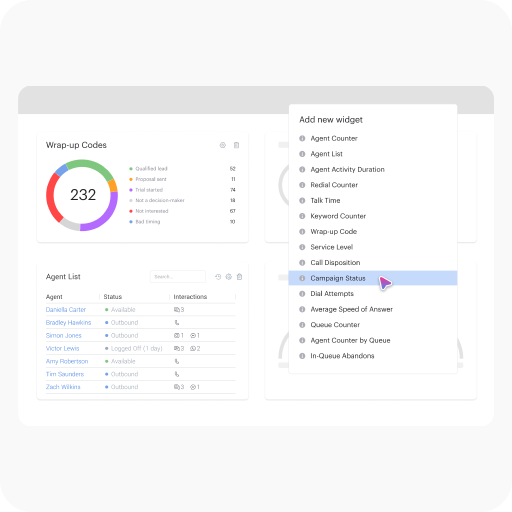
For Admins: Configuration Without the Complexity
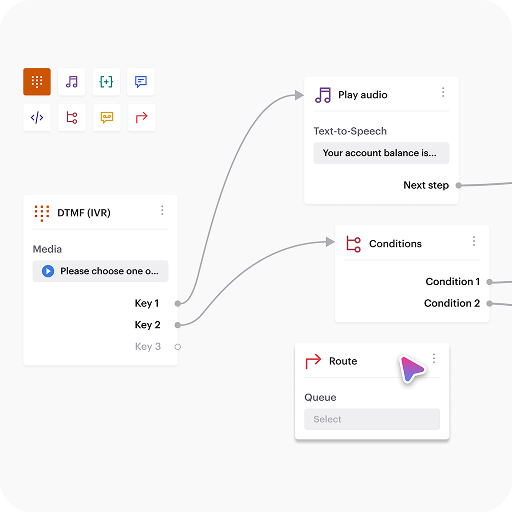
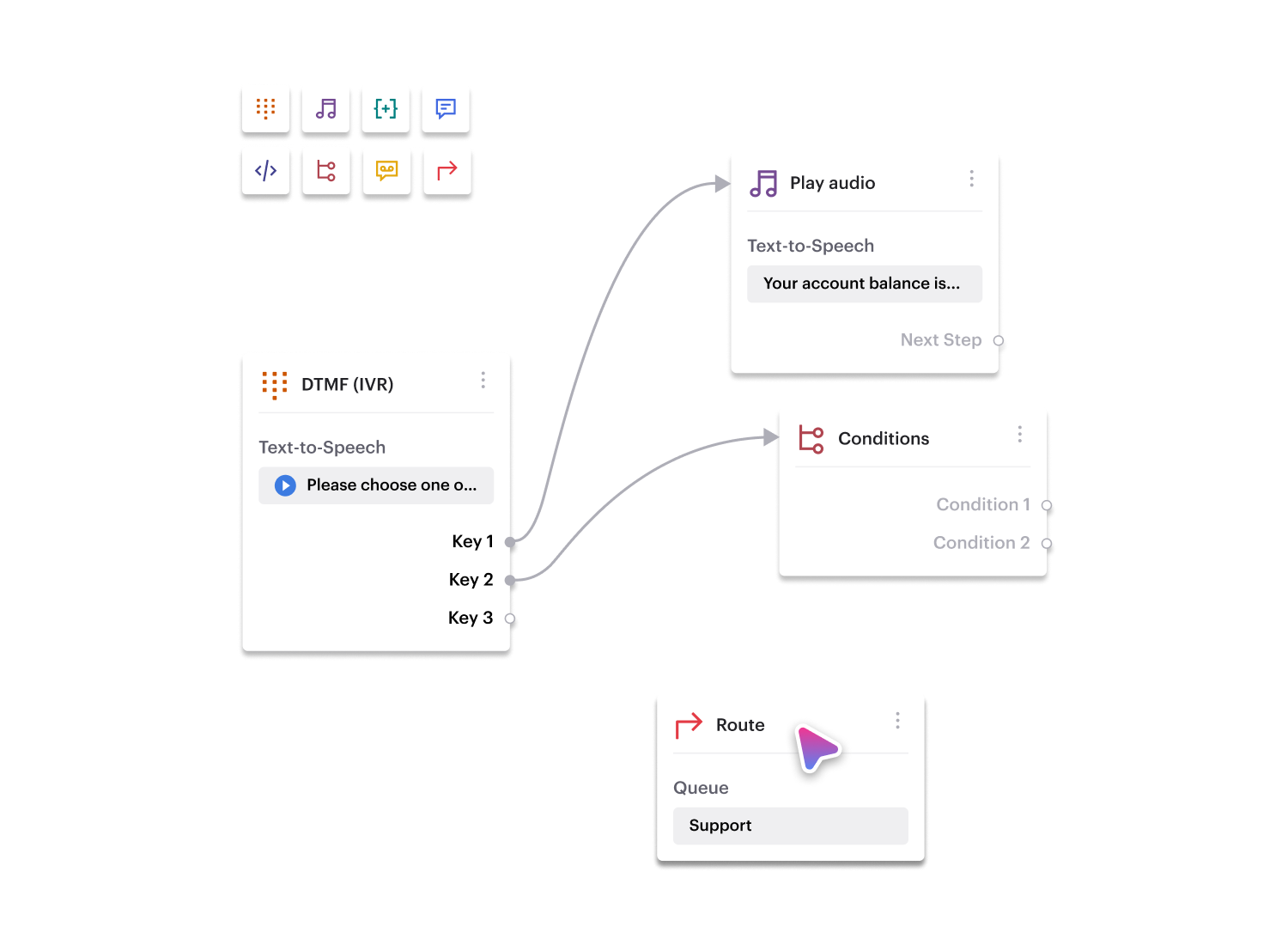
Make changes to call flows, agent permissions, or routing logic in just a few clicks.
No need to file support tickets or wait on dev teams.
Whether it’s launching a new campaign or updating compliance prompts, Voiso keeps things simple and fast.
Data that works as hard as your team

customers




Get started in less than 24 hours
FAQ
How do I know if Voiso’s call center software is right for my company?
It depends significantly on what kind of customer interactions you handle. If you’re managing anything beyond a basic help desk – say, multiple teams, varied channels, or substantial call volumes – chances are you’re already feeling operational friction. Agents may be bouncing between applications, customers getting stuck in queues, managers trying to get clear performance insights but pulling different reports from scattered places. Sound familiar? That’s usually the telltale sign.
The breaking point often comes when growth starts exposing inefficiencies that weren’t obvious at smaller scales. Maybe your sales team can’t see support ticket histories, or your support agents lack access to recent purchase information. Perhaps compliance requirements are getting harder to track, or you’re losing potential customers because response times vary wildly depending on who answers the phone.
Voiso helps centralize all those disconnected processes. It’s cloud-based, so you’re not waiting months to roll out updates or dealing with expensive hardware refresh cycles. You don’t need five separate tools to handle five different functions. Everything lives in one integrated platform.
Even if your team isn’t massive yet, establishing proper processes early prevents future headaches. Whether you’re scaling rapidly or just trying to make sense of what you’ve built so far, the system grows with your needs without complexity creeping in. That scalability becomes crucial when sudden growth tests your operational foundations.
Is there a learning curve for new agents?
There’s always some adjustment period with new tools, but Voiso proves easier than most traditional call center systems. The interface maintains clean, intuitive design principles that reduce cognitive load during busy periods. Agents see their call queue, relevant scripts, complete customer data, and interaction history all within one unified view. No more alt-tabbing between applications or digging through separate spreadsheets to find basic information.
New hires typically take their first customer call after just one or two days of training, depending on your specific workflows and complexity requirements. The learning curve shortens considerably because agents aren’t simultaneously learning multiple systems while trying to master your customer service processes. Seasoned representatives particularly appreciate not wrestling with outdated, clunky interfaces that slow them down during peak periods.
Managers can monitor calls and provide real-time guidance when needed without being intrusive or obvious to customers. This coaching capability helps new agents build confidence while ensuring quality standards are maintained from day one. Built-in guides, contextual tooltips, and interactive walkthroughs support even non-technical users throughout their learning process.
Many teams report that onboarding actually becomes faster after switching to Voiso. It’s not magic, but when people aren’t wasting mental energy navigating complicated software, they focus better on customer relationships. That improvement shows clearly in performance metrics and customer satisfaction scores.
What if I already use CRM or help desk software? Will Voiso work with it?
Absolutely, and that’s not just marketing fluff or empty promises. Voiso was specifically designed to integrate seamlessly with tools organizations already use successfully. Salesforce, Zoho, HubSpot, Zendesk, Freshdesk – if you’re working with any major CRM or help desk platform, there’s likely an existing integration available that’s been tested and refined by other customers.
For organizations using custom or less common systems, Voiso offers robust open APIs that enable your technical team to create connections without waiting on lengthy development cycles or vendor roadmaps. The fundamental philosophy focuses on reducing duplicate data entry and workflow friction, not adding another complex layer to your existing technology stack.
Practical benefits become immediately apparent through automatic data synchronization. Call notes update customer records in real-time. Support tickets reflect current status without manual intervention. Agents can trigger follow-up actions like email sequences or case escalations directly from Voiso, eliminating unnecessary clicks and reducing error rates.
Think of Voiso as a natural extension of your current ecosystem rather than a replacement that forces wholesale changes. Customer context flows seamlessly between systems, so agents spend time solving problems instead of hunting for information. This integration approach respects your existing investments while adding powerful communication capabilities that enhance overall effectiveness. The result is better customer experiences without operational disruption.
What Is Call Center Software?
Call center software manages all aspects of customer communication, from incoming calls and live chat to email support and outbound campaigns. The technology serves as the central nervous system for customer service operations, coordinating interactions across multiple channels while providing agents with the tools they need to resolve customer issues efficiently.
Typical functionalities include intelligent call routing that directs customers to appropriate agents based on their needs, CRM synchronization that displays customer histories automatically, and agent scripting tools that ensure consistent messaging. The software also handles queue management, performance analytics, and compliance requirements that vary by industry.
The difference between cloud-based platforms and traditional setups is substantial. Traditional call center systems require expensive hardware installations, complex IT maintenance, and significant upfront investments. Cloud-based solutions operate entirely through web browsers, eliminating hardware requirements while providing automatic updates and scalable capacity. Organizations can add or remove agents instantly without infrastructure changes.
Voiso positions itself as an all-in-one, cloud-first solution that eliminates the complexity of managing multiple vendors or systems. Rather than cobbling together separate tools for different functions, Voiso provides integrated calling, routing, recording, analytics, and CRM capabilities through a unified platform. This approach reduces operational overhead while ensuring all components work together seamlessly, creating more efficient workflows and better customer experiences.
What Industries Thrive with Voiso's Call Center Solution?
E-commerce & Retail
E-commerce operations benefit significantly from quick response capabilities that address customer questions before they abandon shopping carts. Voiso’s chat integration allows support teams to engage website visitors in real-time, providing immediate assistance during crucial purchase decisions. This proactive approach prevents lost sales while building customer confidence in the buying process.
Real-time order data synchronization ensures agents can access current inventory levels, shipping statuses, and account information instantly during customer conversations. When customers call about orders, agents see complete transaction histories without requiring additional lookup time. This immediate access to information creates smoother interactions while reducing average handling times.
Abandoned cart recovery becomes more effective when support teams can reach out to customers who left items in their shopping carts. The system can trigger automatic callbacks or chat invitations based on customer behavior patterns. Integration with e-commerce platforms provides context about which products customers were considering, enabling personalized outreach that often converts browsers into buyers. Seasonal volume spikes during holidays or sales events are handled seamlessly through cloud-based scalability that accommodates sudden traffic increases without system degradation.
Healthcare & Insurance
Compliance-ready voice recording and retention capabilities address the strict regulatory requirements that healthcare and insurance organizations face daily. The system automatically records patient consultations, insurance claim discussions, and treatment authorization calls while maintaining HIPAA compliance standards. Retention policies ensure recordings are stored for required periods while automatic deletion prevents unnecessary data accumulation.
Secure identity verification workflows protect sensitive patient and policyholder information through multi-factor authentication and encrypted data transmission. Agents can verify caller identities systematically while maintaining detailed audit trails of who accessed what information and when. These security measures protect organizations from data breaches while demonstrating compliance during regulatory audits.
Insurance claim processing benefits from systematic call management that ensures all required disclosures are provided consistently. The software can trigger compliance scripts automatically while documenting that proper notifications were given. Healthcare appointment scheduling integrates with existing practice management systems, allowing staff to check availability and book appointments during phone conversations. Prior authorization workflows streamline complex approval processes that often require multiple calls and documentation reviews.
Travel, Hospitality & Events
Global 24/7 routing capabilities ensure customers receive support regardless of their location or time zone. Voiso’s cloud infrastructure enables follow-the-sun support models where calls automatically route to available agents in different geographic regions. This continuous coverage becomes crucial for travel emergencies, hotel reservations, and event coordination that can’t wait for business hours.
Cancel and reschedule automation handles the high volume of booking changes that characterize travel and hospitality operations. The system can process simple modifications automatically while routing complex changes to specialized agents. Integration with booking platforms allows agents to see availability in real-time and make changes without switching between multiple systems. This streamlined approach reduces handling times while improving customer satisfaction during stressful travel disruptions.
Service continuity during seasonal surges becomes manageable through elastic capacity that scales automatically based on demand. Peak vacation periods, holiday travel seasons, and major events can create sudden volume spikes that overwhelm traditional systems. Cloud-based architecture accommodates these fluctuations without degrading service quality or requiring expensive capacity planning. The system maintains consistent response times whether handling normal volumes or managing crisis situations that generate thousands of simultaneous calls.
How Easy Is It to Start?
Getting started with Voiso requires no installation procedures or technical setup delays because the entire system operates through standard web browsers. Organizations can begin using call center capabilities immediately after account creation without waiting for hardware delivery or software installation appointments. This browser-based approach means agents can work from any location with internet connectivity.
Pre-built templates for IVRs and campaigns accelerate initial deployment by providing proven configurations for common use cases. Teams can select industry-specific templates that include appropriate call flows, routing rules, and compliance settings rather than building everything from scratch. These templates serve as starting points that organizations can customize to match their specific requirements while avoiding common configuration mistakes.
Onboarding support includes dedicated assistance from Voiso specialists who guide organizations through initial setup and optimization processes. Rather than struggling through configuration alone, teams receive expert guidance on best practices, integration options, and feature utilization. This human support prevents common implementation challenges while ensuring organizations realize value quickly.
User training materials and Voiso’s knowledge base provide ongoing education resources that help teams master advanced features over time. Video tutorials, documentation, and interactive guides enable self-paced learning while community forums connect users with peers facing similar challenges. Regular webinars introduce new features while providing tips for optimizing existing workflows. This educational ecosystem ensures organizations can grow their capabilities as their needs evolve.
What should I look for when choosing call center software?
Start with scalability because your needs will change faster than you expect. The software should handle sudden volume spikes without degrading performance or requiring expensive infrastructure upgrades. Cloud-based platforms typically excel here compared to traditional on-premise systems that require capacity planning months in advance.
Integration capabilities matter more than flashy features. Your call center software needs to work seamlessly with existing CRM systems, help desk platforms, and business applications. Poor integration creates data silos and forces agents to switch between multiple screens during customer conversations. Look for pre-built connectors to major platforms like Salesforce, HubSpot, or Zendesk rather than promises of “future integrations.”
Compliance requirements vary significantly by industry, so ensure the platform meets your specific regulatory needs. Healthcare organizations need HIPAA compliance, financial services require call recording retention, and payment processing demands PCI DSS standards. These aren’t optional features – they’re business requirements that can result in significant penalties if handled improperly.
Total cost of ownership includes more than monthly subscription fees. Consider implementation costs, training time, ongoing maintenance, and potential downtime during system changes. Cloud-based solutions typically offer better cost predictability while eliminating hardware refresh cycles and IT overhead that traditional systems require.
What are the most important call center software functionalities?
Intelligent call routing stands as the foundation of effective call center operations. The system should distribute calls based on agent skills, customer priority, and real-time availability rather than simple round-robin distribution. Advanced routing considers factors like language preferences, account value, and interaction history to ensure customers reach appropriate agents immediately.
Omnichannel communication capabilities allow customers to start conversations on one channel and continue seamlessly on another. A customer might begin with live chat, escalate to a phone call, and follow up via email without repeating information. The system should maintain complete interaction context across all touchpoints while providing agents with unified customer histories.
Real-time analytics and reporting provide operational visibility that enables immediate performance optimization. Managers need live dashboards showing queue status, agent availability, and customer satisfaction metrics. Historical reporting reveals trends and patterns that inform staffing decisions and process improvements. Without proper analytics, organizations operate blindly and miss optimization opportunities.
Interactive Voice Response (IVR) systems handle routine inquiries automatically while routing complex issues to human agents. Modern IVR should integrate with customer databases to provide personalized experiences and intelligent self-service options. Well-designed IVR reduces agent workload while improving customer satisfaction through faster resolution times. The system should also support easy menu updates without requiring technical expertise or vendor assistance.
Where can I find comprehensive guides on call center software selection?
Choosing the right call center software starts with understanding which features and capabilities matter most. The article 10 must-have features call center software outlines the essential tools every modern contact center platform should include, from call routing and analytics to automation and integrations.
If you’re a smaller team evaluating platforms, best contact center software for small business explains what to look for in scalable, cost-effective solutions that can grow with your business.
To better understand technical and operational needs, Contact Center software requirements breaks down the infrastructure, integrations, and performance considerations businesses should evaluate before choosing a platform.
Many companies today are moving to cloud-based solutions, which is explained in what is Contact Center as a Service (CCaaS) and On Premise vs Cloud Contact Center, where you can learn the differences between deployment models and which is best for your organization.
If you’re comparing different communication platforms, Contact Center vs Call Center and UCaaS vs CCaaS explain how these systems differ and when to use each one.
For companies planning a transition, how to migrate contact center to cloud provides a step-by-step overview of the migration process, while the ultimate guide to modernizing your contact center explores broader strategies for upgrading technology, improving workflows, and future-proofing your operations.