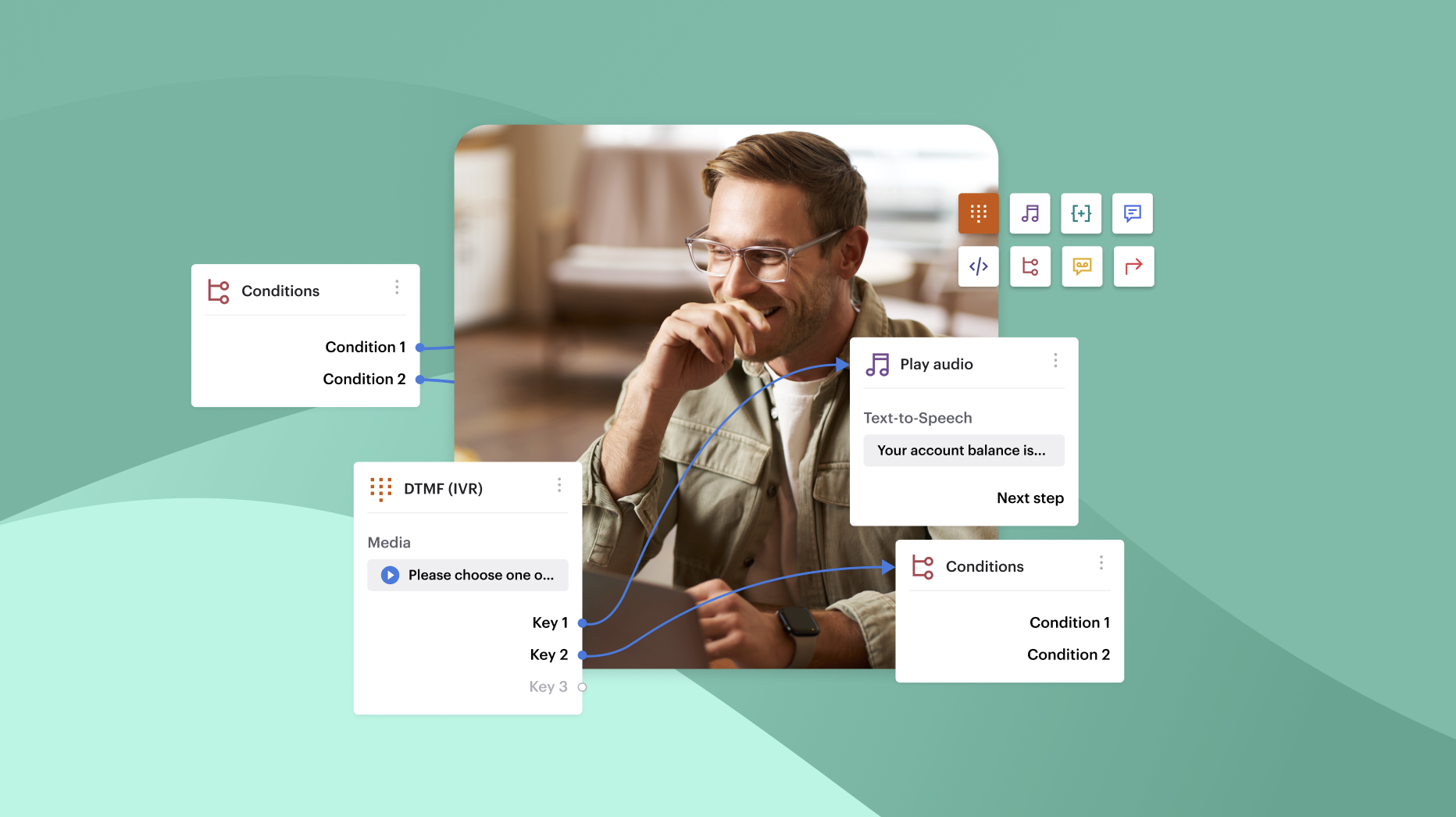


The shift isn’t just about upgrading tools; it’s about revolutionizing the entire customer experience, making interactions faster, smarter, and more personalized.
In this article, we’ll explore how digital transformation is changing contact centers, the technologies driving this evolution, and how businesses can use these advancements to build stronger customer relationships.
Key Takeaways
- Digital transformation is reshaping contact centers into agile, omnichannel hubs that prioritize fast, personalized service using AI, automation, and cloud platforms.
- Key technologies, like AI-driven sentiment analysis, predictive routing, chatbots, and integrated cloud systems, enable smarter engagement, scalable operations, and proactive customer support.
- Success requires aligning transformation goals with broader business outcomes, training agents to adopt new tools, and using analytics to drive continuous improvement and personalized experiences.
Understanding Digital Transformation in Contact Centers
Digital transformation in contact centers is fundamentally changing how customer service operates. Traditionally, agents handled phone calls one at a time, often siloed from other communication channels. But today, call centers are evolving into omnichannel hubs, where customers can reach out through voice, chat, email, social media, and messaging apps—and get a seamless, consistent experience no matter how they connect.
And the change is no longer optional for businesses wanting to stay competitive. Customers expect quick, personalized responses on their preferred channels, and companies that fail to deliver risk falling behind. Technologies like artificial intelligence, cloud computing, and automation are driving this change, enabling contact centers to be more agile, efficient, and customer-focused than ever before.
Key Technologies Driving Contact Center Transformation
Technology is the engine powering the digital transformation of contact centers. From AI’s smart predictions to cloud platforms’ flexible infrastructure and automation’s efficiency boosts, technology is reshaping how agents engage with customers every day. Understanding how these technologies work (and how they fit together) helps businesses unlock faster resolutions, better experiences, and greater scalability without sacrificing the human touch.
Artificial intelligence and machine learning
AI is becoming the backbone of modern contact centers. It helps predict customer needs before they even say a word, using sentiment analysis to gauge mood and urgency in real time. Machine learning algorithms optimize call routing by matching customers with the right agents based on history and expertise, slashing resolution times and improving satisfaction.
Plus, AI powers innovations like real-time language translation and emotion detection, breaking down barriers and making conversations smoother and more human—even when they happen with a machine.
Cloud-based contact center solutions
Moving contact centers to the cloud unlocks unmatched scalability and flexibility. Whether it’s ramping up agent numbers during peak seasons or rolling out updates instantly, cloud platforms make it easier to adapt to changing demands. Security and compliance remain top priorities, and cloud providers invest heavily to keep customer data safe and meet industry regulations. Compared to traditional on-premise systems, cloud solutions also cut costs and simplify operations, freeing teams to focus more on service and less on infrastructure headaches.
Automation and virtual agents
Automation is taking the load off human agents by handling repetitive, straightforward tasks. Chatbots and virtual assistants answer FAQs, book appointments, and guide customers through self-service portals—all without waiting on hold. But this doesn’t replace the human touch; instead, it frees agents to tackle more complex problems that require empathy and critical thinking. When integrated smoothly with CRM systems, automated workflows create a seamless customer journey that feels effortless and efficient.
Enhancing Customer Experience Through Digital Engagement
At the heart of any digital transformation is the customer experience. It’s no longer enough to just solve problems; companies need to connect with customers seamlessly across every channel they use. Whether it’s voice, chat, email, or social media, keeping conversations personal and consistent is key.
Omnichannel communication strategies
Customers today bounce between channels: they start a query on social media, then switch to chat, then call for follow-ups. Omnichannel strategies unify these interactions so customers don’t have to repeat themselves or re-explain issues. Maintaining context and personalization across voice, email, chat, and social platforms keeps conversations smooth and frustration low. And the right tools, like integrated dashboards and unified messaging platforms, enable agents to see the full story, regardless of the channel customers use.
Personalization at scale
Personalization isn’t a luxury, it’s expected. By leveraging data from past purchases, browsing behaviour, and preferences, companies can tailor offers, recommendations, and support to individual customers. AI makes this scalable, analyzing vast data sets to customize interactions in real time. Businesses that master personalized customer service often see higher satisfaction, loyalty, and revenue.
Leveraging Data Analytics for Actionable Insights
Data analytics has become a cornerstone of modern contact centers, turning raw numbers into meaningful stories about your customers and operations. By digging into analytics, businesses can uncover common pain points that customers face and identify opportunities to enhance service.
Key performance indicators (KPIs) paired with real-time dashboards give managers a live pulse on agent performance and customer interactions, allowing quick adjustments when needed. Predictive analytics takes it a step further by forecasting call volumes, staffing requirements, and potential service bottlenecks before they even happen. When decision-making is data-driven, continuous improvement becomes part of the contact center’s DNA rather than a one-off effort.
Best Practices for Implementing Digital Transformation in Contact Centers
Successfully transforming a contact center digitally starts with aligning those initiatives closely with broader business goals. Without a clear vision that ties technology upgrades to customer satisfaction or revenue growth, projects can lose momentum.
Securing executive buy-in and ensuring resources like budget, time, and talent are properly allocated is crucial to keep the process on track. When it comes to rolling out new tech, a phased approach often wins over large-scale, all-at-once changes as it allows teams to adapt gradually and reduces risk.
Equally important is preparing your agents through training, helping them feel confident and supported as they navigate new tools and workflows. And throughout the journey, compliance with data protection laws can’t be overlooked, as building trust with customers and avoiding costly missteps is essential.
Overcoming Common Challenges in Contact Center Transformation
Change is hard, and resistance—whether from frontline agents or management—is one of the biggest hurdles in any digital transformation. Open communication and involving staff early can ease fears and build champions within the team.
Another challenge is integrating new systems with legacy infrastructure; technical puzzles require careful planning and sometimes creative solutions to avoid disruptions. While automation can speed up processes, it’s important to strike the right balance so customers still feel the warmth of a human touch when needed.
Lastly, as more data flows through contact centers, managing privacy and cybersecurity risks becomes a critical responsibility that demands constant vigilance.
The Future of Contact Centers in the Digital Era
Looking ahead, contact centers will continue to evolve at a rapid pace, shaped by advances in AI and customer expectations. AI-powered virtual agents will play a bigger role in handling routine inquiries, freeing human agents to focus on more complex, empathetic interactions.
At the same time, hyper-personalized experiences will become the norm as businesses harness data to anticipate needs and preferences with incredible precision. Proactive engagement—reaching out to customers before they even ask—will shift customer service from reactive to predictive. The contact center of the future won’t just resolve issues; it will build lasting relationships by being smarter, faster, and more emotionally attuned.
FAQs
Are there measurable ROI metrics for contact center digital transformation?
Key metrics include reduced handle time, improved customer satisfaction (CSAT/NPS), increased first contact resolution, and cost savings from operational efficiencies.
How can small and mid-sized businesses start their contact center transformation journey?
Start by identifying pain points, adopt scalable cloud or chatbot solutions, and train agents gradually while tracking key improvements.
How does digital transformation impact customer satisfaction scores (CSAT/NPS)?
It improves scores by enabling faster, personalized support and freeing agents to focus on complex customer needs.
How long does it typically take to implement digital transformation in a contact center?
Timelines vary but initial improvements can show within months; full transformation often takes 12 months or more.
What specific business goals should the contact center’s digital transformation achieve?
Goals usually focus on enhancing customer experience, increasing efficiency, reducing costs, and boosting agent engagement.
Are there tools or platforms that help improve EQ in service environments?
Yes, AI-driven coaching tools and sentiment analysis platforms can support agents in developing emotional intelligence during interactions.
Further Reading
- What Is Omnichannel Contact Center?
- Contact Center Vs Call Center
- Contact Center Vs CRM
- What Is Contact Center Queue
- What Is Contact Center As A Service?
- On Premise Vs Cloud Contact Center
- Change Management In Contact Centers
- How To Migrate Contact Center To Cloud
- Top Contact Center Challenges
- Building A Scalable Contact Center