

Singapore hosts over 37,000 international companies, with more than 7,000 multinational corporations using it as their regional headquarters. That density creates intense competition for customers across financial services, BPO, travel, and e-commerce.
At the same time, operating costs keep rising. Singapore’s average monthly earnings reached SGD 5,197 in 2023, based on Ministry of Manpower data. High labor costs force companies to extract more value from every agent hour. Manual processes and legacy PBX systems no longer make financial sense.
That’s why many organizations are replacing on-premise infrastructure with a cloud-based contact center model. The shift isn’t cosmetic. It reflects regulatory pressure, workforce expectations, and customer behavior across APAC.
Let’s break down the drivers behind that transition.
Key Takeaways:
- Singapore Demands More From Contact Centers: High labor costs, dense competition, and regional HQ operations make legacy PBX systems too rigid and expensive for modern customer teams.
- Cloud Adoption Is a Business Decision: Companies are moving to cloud-based contact center platforms to scale faster, support remote agents, reduce upfront infrastructure costs, and launch across APAC without hardware delays.
- Local Telephony Matters More Than Feature Volume: Singapore DID numbers, toll-free support, low-latency regional routing, and dynamic local caller ID have a direct impact on pickup rates, trust, and outbound performance.
- Compliance Is a Buying Filter: PDPA obligations, IMDA standards, secure call recording, encryption, ISO 27001, and PCI DSS readiness are critical for regulated sectors like fintech, microlending, and financial services.
- Automation Must Prove ROI: The most valuable AI tools are the ones that reduce wasted agent time, including predictive dialers, AI-powered Answering Machine Detection, chatbots, conversation scoring, and Speech Analytics.
- Omnichannel Is Now Expected: Businesses in Singapore need voice, WhatsApp, Instagram, SMS, and webchat in one workspace so agents can preserve context, respond faster, and support multi-touch buying journeys.
- CRM Integration Removes Operational Friction: Deep connections with Salesforce, Zoho, and Freshdesk reduce tab switching, automate logging, improve visibility, and shorten onboarding for new agents.
- Pricing Is Often More Complex Than It Looks: Real cost depends on more than seat licenses. Buyers need to compare storage, telephony, AI usage fees, WhatsApp charges, local number rental, and contract terms in writing.
- The Best Platform Depends on Operating Model: BPOs need dialer depth and local caller ID, fintech firms need compliance and transcript search, e-commerce teams need messaging continuity, and enterprises need governance and SLA-backed support.
- Bottom Line: The strongest contact center software in Singapore combines regional telephony, measurable automation, omnichannel support, compliance readiness, and workflow integration, rather than relying on a long generic feature list.
Singapore as an APAC HQ Hub
Regional headquarters in Singapore manage multi-country operations. A fintech firm may serve clients in Malaysia, Indonesia, Australia, and the UAE from a single office.
That setup demands:
- Multi-country telephony coverage
- Local caller ID for outbound campaigns
- Real-time performance visibility across regions
- Centralized compliance management
Traditional PBX systems struggle to support cross-border routing and distributed teams. Cloud platforms remove hardware limits and allow instant provisioning across Southeast Asia.
For BPOs and outsourced telemarketing providers, that flexibility directly affects revenue. Campaigns launch faster. Agents ramp up quicker. Scaling doesn’t require physical installation.
BPO and Fintech Density Increases Pressure
Singapore’s fintech ecosystem includes more than 1,400 firms, according to the Singapore FinTech Association. Many rely heavily on outbound sales and regulated communication.
Those firms face two challenges:
- Complex product explanations over phone
- Strict recording and documentation requirements
Outbound-heavy industries need predictive dialers, AI-powered Answering Machine Detection, and detailed call analytics to maintain margins.
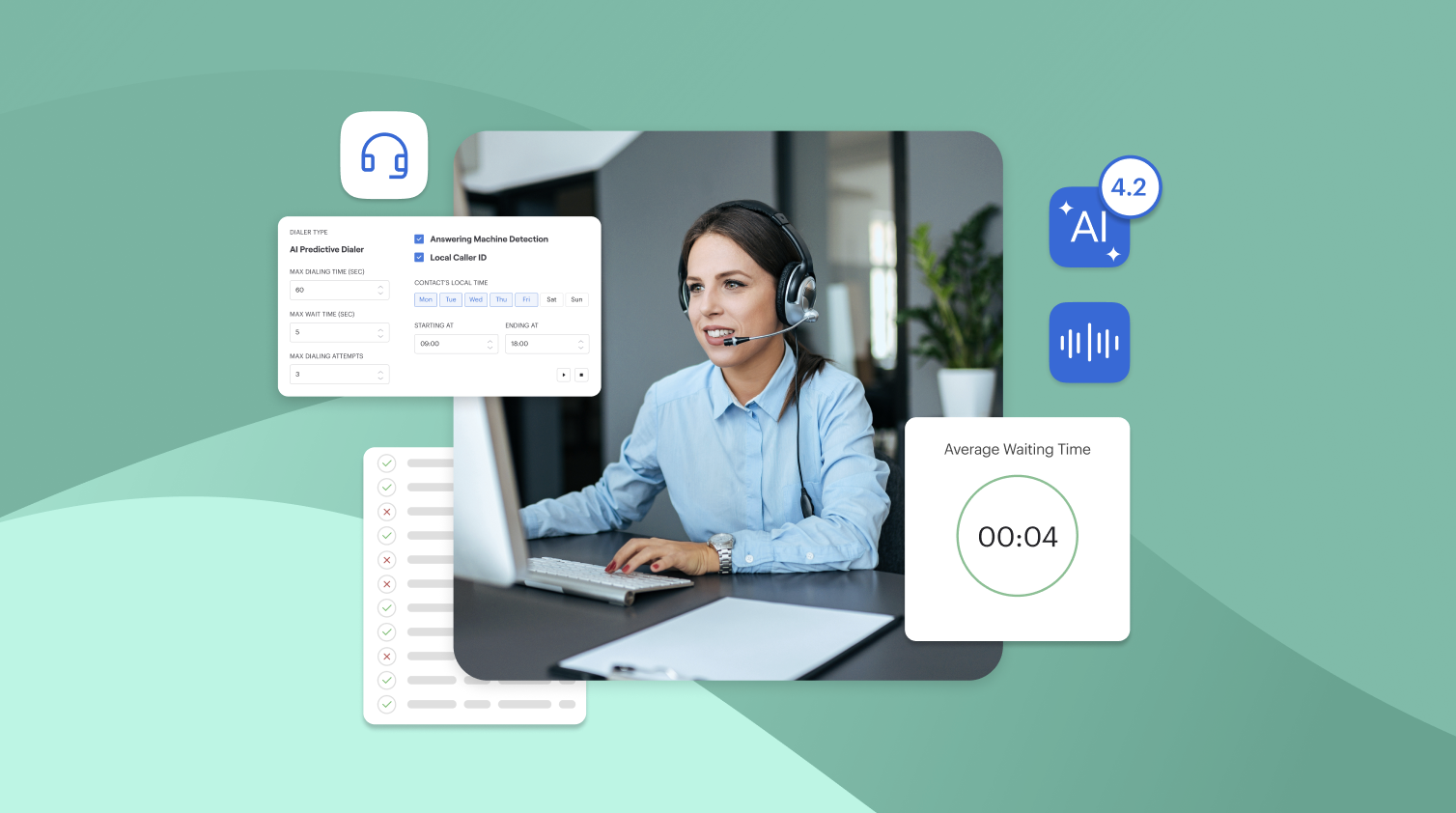
Voiso’s AI AMD, for example, detects voicemail with over 95% accuracy . That reduces wasted agent time and increases real conversations per hour. In high-cost labor markets, that difference directly impacts profitability.
High Labor Costs Drive Automation
Singapore ranks among the most expensive labor markets in Southeast Asia. Businesses can’t afford idle agents or inefficient workflows.
Automation becomes a financial decision, not a technical upgrade.
Companies now deploy:
- AI-powered chatbots to deflect repetitive inquiries
- Intelligent routing to match callers with the right team
- AI Speech Analytics to automate QA and compliance review
- SMS follow-up to shorten handling time
SMS proves especially effective. Research cited in Voiso’s SMS materials shows 98% open rates . That level of engagement reduces repeat calls and manual clarification.
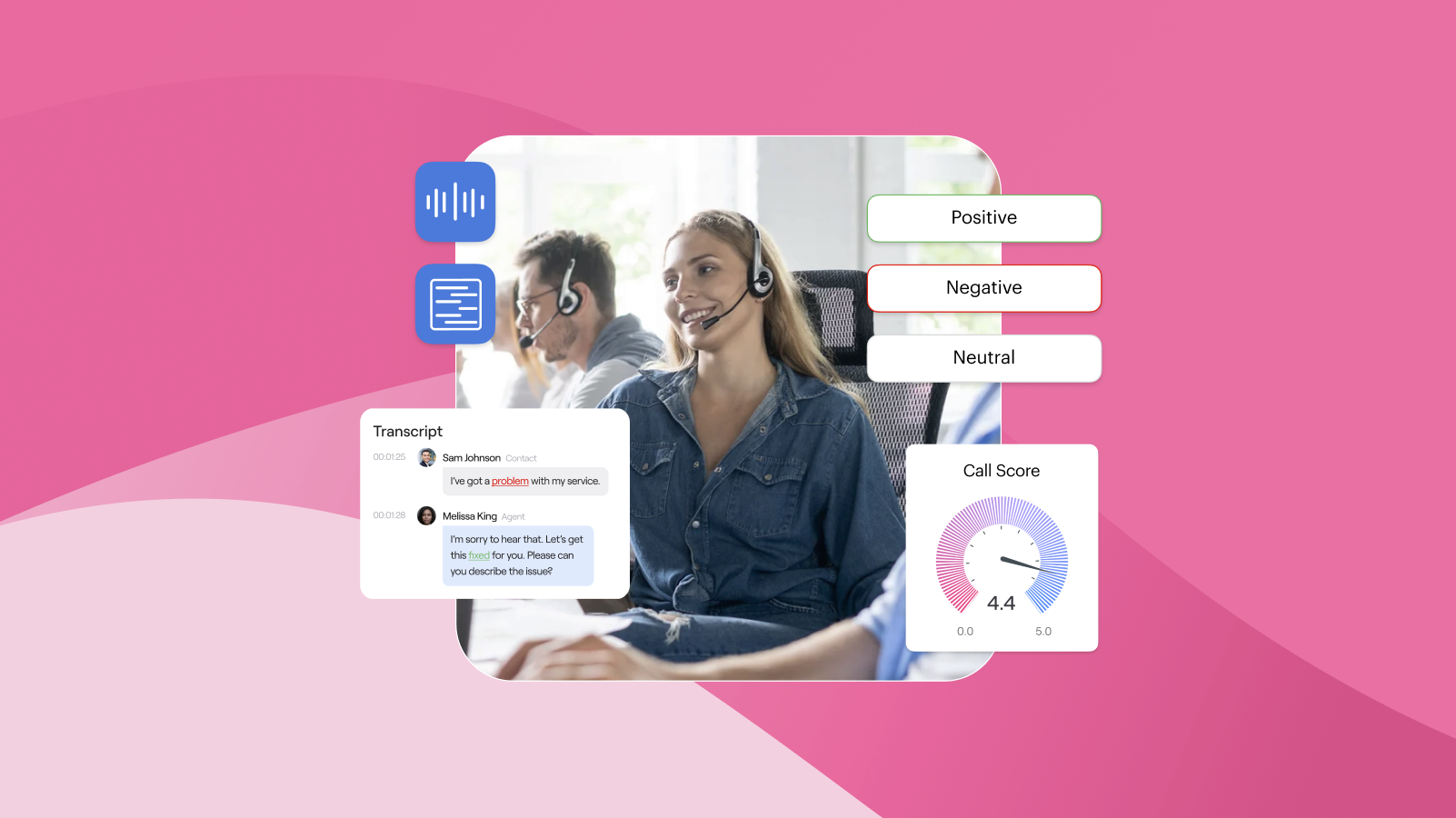
Speech Analytics also changes supervision models. Voiso’s system transcribes calls in 10+ languages and generates summaries instantly . Supervisors no longer review calls randomly. They filter by keyword, sentiment, or risk indicator.
Automation in Singapore isn’t optional. It offsets payroll pressure while improving oversight.
IMDA Regulations and PDPA Compliance
Singapore’s Infocomm Media Development Authority (IMDA) enforces telecom standards. The Personal Data Protection Act (PDPA) governs how customer data gets stored and processed.
Contact centers must manage:
- Call recording retention policies
- Consent tracking
- Secure data hosting
- Encryption standards
Cloud vendors with transparent data practices gain preference. ISO certifications, PCI DSS compliance, and clear hosting policies influence procurement decisions.
Security expectations extend to mobile agents as well. Voiso’s mobile app follows ISO 27001 standards and supports encrypted data storage . For regulated industries like fintech and microlending, that layer matters.
The Shift from On-Premise PBX to Cloud-Based Contact Center Platforms
On-premise systems limit scalability and remote work. Hardware upgrades require capital expenditure and downtime.
Cloud-based contact center platforms operate on subscription models. That structure aligns with Singapore’s preference for operational expenditure and agile scaling.
The transition also enables:
- Remote agents across APAC
- Real-time dashboards
- Centralized CRM integration
- Automated call logging
For example, Voiso’s Salesforce integration allows agents to handle calls directly inside the CRM without switching systems . That reduces training time and manual errors.
Zoho integration provides automatic call history updates after each interaction . Finance and BPO teams gain complete interaction visibility without extra admin work.
Rising Demand for Omnichannel Engagement
Customer expectations have changed. Meta reports that 50% of Instagram users make in-app purchases weekly . Messaging platforms now influence buying decisions across retail and travel.
Singapore consumers actively use:
- WhatsApp Business
- Instagram messaging
- Facebook Messenger
- SMS
Voice-only support no longer meets demand.
Omnichannel environments unify these channels inside a single agent workspace. Agents manage calls, WhatsApp chats, and social messages without switching tabs . That structure improves response time and preserves context across interactions.
For D2C brands and travel aggregators, cross-channel continuity supports upselling and repeat purchases.
Data-Driven Customer Experience Management
Competition in Singapore leaves little room for guesswork. Leadership teams demand measurable performance.
Contact center analytics now track:
- Talk-to-listen ratios
- Sentiment trends
- Topic clusters
- SLA adherence
- Conversion outcomes
Unified reporting allows managers to correlate campaign spend with call performance. That visibility influences hiring, training, and routing decisions.
Cloud-based contact center software delivers that intelligence in real time. On-premise systems rarely provide the same depth without additional tools.
What Defines the Best Contact Center Software for Singapore in 2026?
Singapore businesses don’t choose platforms based on feature lists. They evaluate operational fit. Telephony reliability, regulatory alignment, outbound performance, and regional messaging coverage carry more weight than generic capabilities.
Below are the factors that actually determine whether a solution works in Singapore’s market.
Local Telephony Infrastructure
For many industries in Singapore, telephony performance directly affects revenue. Fintech brokers, outsourced telemarketing firms, and collection teams rely on outbound volume and connection rates.
A serious platform must support:
- Singapore DID and toll-free numbers for local presence
- Number porting without service disruption
- SIP trunking compatibility with regional carriers
- Low latency routing across Southeast Asia
- Dynamic local caller ID for outbound campaigns
Outbound teams suffer when calls show foreign numbers. Connection rates drop. Trust erodes quickly.
Local caller ID matters even more in regulated sales industries. Voiso’s mobile and outbound infrastructure supports dynamic caller ID selection to improve pickup rates . For telemarketing-heavy teams, that detail changes campaign economics.
Latency also affects compliance calls. Cross-border routing must remain stable when serving Malaysia, Indonesia, and Thailand from Singapore HQ. Providers without regional PoPs struggle to maintain voice clarity at scale.
PDPA, ISO & Security Requirements
Singapore’s PDPA places strict obligations on data collection, storage, and processing. Financial services add PCI DSS requirements on top.
The best contact center software in Singapore must provide:
| Requirement | Why It Matters |
| Secure call recording storage | Protects customer data and supports audits |
| Transparent data hosting policies | Reduces regulatory risk |
| Encryption in transit and at rest | Prevents interception |
| PCI DSS alignment | Required for payment handling |
| ISO 27001 certification | Signals structured security controls |
Call recording policies influence vendor selection. Financial institutions often require defined retention periods and role-based access controls.
Voiso’s mobile and cloud infrastructure follows ISO 27001 standards and supports secure encrypted storage . For fintech and microlenders, that level of compliance alignment reduces procurement friction.
Security isn’t a marketing line item in Singapore. It’s a board-level discussion.
AI & Automation That Actually Reduces Cost
Automation only matters when it changes unit economics. Singapore’s labor market leaves little margin for manual work.
Here’s what makes a difference:
AI-Powered Chatbots
Chatbots deflect repetitive balance checks, appointment confirmations, and order tracking. That reduces inbound queue pressure and frees agents for complex cases.
AI Speech Analytics
Automated transcriptions and summaries remove manual QA review. Voiso transcribes five-minute calls in 15 seconds and supports 10+ languages . Supervisors filter by sentiment, keywords, or topics instead of listening randomly.
AI-Powered Answering Machine Detection
Outbound teams lose time to voicemail. Up to 78% of campaign calls reach voicemail, according to Voiso’s AMD data . AI AMD detects machines in seconds and keeps dialers moving. That directly increases live conversations per agent hour.
Predictive Dialers
Predictive algorithms minimize idle time between calls. For BPOs billing per performance, idle seconds translate into revenue loss.
Conversation Scoring
Automated scoring standardizes agent evaluation. Managers identify coaching gaps without manual spreadsheets.
Automation in Singapore must justify its cost through measurable time savings. Vendors unable to quantify impact rarely pass procurement.
Omnichannel Support Across APAC
Singapore consumers rarely stay on one channel. Messaging drives engagement across retail, travel, and financial services.
Meta reports that 50% of Instagram users make in-app purchases weekly . WhatsApp Business adoption across Southeast Asia continues to expand.
A competitive platform must unify:
- WhatsApp Business
- Instagram messaging
- SMS follow-up
- Voice calls
- Webchat
Voiso’s omnichannel workspace allows agents to manage calls and messaging inside a single pane . Agents avoid switching systems while maintaining conversation context.
SMS follow-up adds measurable impact. Industry data shows 98% SMS open rates . Sales teams use it to share payment links or compliance documents instantly.
Omnichannel isn’t about channel count. It’s about synchronized history and seamless handovers.
CRM Integration & Workflow Automation
Singapore businesses often use Salesforce, Zoho, or Freshdesk. Agents working across disconnected systems waste time and create data gaps.
Deep integration changes workflow structure.
Salesforce Integration
Agents place and receive calls directly inside Salesforce without switching tabs . Call logs update automatically, reducing manual entry errors.
Zoho Integration
Voiso pushes call history into Zoho instantly after each interaction . Sales leaders gain a unified activity record for every lead.
Freshdesk Integration
Automatic ticket creation ensures inbound calls convert into structured support workflows. With Voiso and Freshdesk integration, agents capture notes during the call without duplicating effort.
Flow Builder Automation
Drag-and-drop routing automates IVR logic and cross-channel deflection . Teams configure workflows without development cycles.
Operational impact shows up in three areas:
- Reduced tab switching
- Automatic interaction logging
- Lower onboarding time for new agents
When agents operate in one environment, training shortens and error rates decline.
Best Contact Center Software in Singapore (2026 Rankings)
Most teams in Singapore shortlist platforms based on operating model, not brand fame. Outbound-first organizations care about dialer depth and local caller ID. Regulated teams prioritize recordings, access control, and audit trails. Digital-first brands need WhatsApp, Instagram, and SMS in one workspace.
The rankings below follow that buying reality. Each vendor includes positioning, strengths, and trade-offs.
1. Voiso: Best for AI-Driven Outbound & Omnichannel Growth
Voiso fits teams that live on outbound campaigns and multi-channel follow-ups. It also supports blended operations that mix voice and messaging.
Best for
BPOs, fintech sales floors, collections, and telemarketing teams scaling across SEA.
Core differentiators
- Omnichannel workspace across voice, SMS, WhatsApp, Instagram, and more
- Flow Builder for no-code routing, IVR, and cross-channel handovers
- Mobile agent app for remote and distributed teams
AI capabilities
- AI Speech Analytics: summaries, sentiment, topics, and fast transcription
- AI Answering Machine Detection built for outbound: high detection accuracy and faster list processing
Telephony strength in Singapore
Designed for outbound execution, including local caller ID selection on supported setups .
Pricing structure type
Subscription licensing, with add-ons for advanced capabilities depending on plan.
Ideal business type
Outbound-heavy teams that need omnichannel follow-up and measurable call performance.
Potential limitations
Enterprise procurement teams may require extra due diligence on country-specific hosting and retention policies.
2–10. Other Contact Center Platforms Commonly Shortlisted in Singapore
To keep scanning easy, here’s a compact view before the deeper notes.
| Vendor | Best for | Pricing structure type | Likely trade-off |
| Genesys Cloud CX | Enterprise, complex routing | Quote-based | Implementation effort often runs high |
| NICE CXone | Regulated enterprise | Quote-based | Less flexible for rapid workflow changes |
| Five9 | Sales-led cloud voice | Per-seat + add-ons | Omnichannel depth varies by package |
| Talkdesk | Mid-market suites | Per-seat + add-ons | Add-on sprawl can raise total cost |
| Amazon Connect | AWS-native teams | Usage-based | Requires technical ownership |
| Twilio Flex | API-first builds | Usage-based | Build-and-maintain responsibility |
| Zendesk | Helpdesk-first support | Per-seat | Deep voice features may need extras |
| Freshdesk Contact Center | SME + Freshworks stack | Per-seat | Advanced outbound can feel limited |
| Aircall | SMB voice-first | Per-seat | Enterprise governance features vary |
2. Genesys Cloud CX: Best for Enterprise Scale and Complex Routing
Overview: Strong choice for large organizations with sophisticated queueing and workforce needs.
Core differentiators: Mature routing logic, extensive ecosystem, global presence.
AI capabilities: Broad portfolio, often packaged as modules.
Telephony strength: Typically solid with carrier options and global coverage.
Ideal business type: Enterprises with dedicated IT and structured rollouts.
Potential limitations: Longer setup cycles and heavier admin overhead.
3. NICE CXone: Best for Regulated Enterprise Operations
Overview: Often chosen by large, compliance-heavy environments.
Core differentiators: Governance, quality management, and enterprise-grade controls.
AI capabilities: Wide set, commonly delivered as layered add-ons.
Telephony strength: Generally stable, depends on region and carrier configuration.
Ideal business type: Financial services, insurance, and large contact centers with strict QA.
Potential limitations: Less forgiving for fast iteration without process discipline.
4. Five9: Best for Cloud Voice in Sales and Service Teams
Overview: Known for cloud calling with a focus on agent operations.
Core differentiators: Calling features and sales-focused workflows.
AI capabilities: Available across packages depending on edition.
Telephony strength: Solid voice foundation, with regional performance depending on setup.
Ideal business type: Sales and service teams needing a proven cloud voice suite.
Potential limitations: Omnichannel scope can vary across tiers.
5. Talkdesk: Best for Mid-Market Suites and Fast Deployment
Overview: Targets teams that want a packaged suite without enterprise-level complexity.
Core differentiators: Broad feature coverage and marketplace integrations.
AI capabilities: Typically sold as modules.
Telephony strength: Generally reliable, with regional outcomes tied to carrier choices.
Ideal business type: Mid-sized support and sales teams growing headcount quickly.
Potential limitations: Add-ons can accumulate and complicate budgeting.
6. Amazon Connect: Best for AWS-Centric Stacks
Overview: Fits organizations already standardized on AWS tooling and governance.
Core differentiators: Tight alignment with AWS services and data pipelines.
AI capabilities: Strong options via AWS services, depending on architecture.
Telephony strength: Global backbone, with design choices affecting latency.
Ideal business type: Teams with cloud engineers and strong internal ownership.
Potential limitations: Business users may face slower change cycles without technical support.
7. Twilio Flex: Best for API-First, Custom Contact Centers
Overview: Works well when a company wants a tailored agent desktop and workflows.
Core differentiators: High customization and developer flexibility.
AI capabilities: Integrates with many AI stacks, depends on implementation.
Telephony strength: Strong programmable telephony, outcomes depend on configuration.
Ideal business type: Product-led companies building unique customer journeys.
Potential limitations: Ongoing build and maintenance responsibility.
8. Zendesk: Best for Helpdesk-First Support Teams
Overview: Fits teams where ticketing drives operations and voice supports cases.
Core differentiators: Ticket workflows, macros, and support reporting.
AI capabilities: Focused on support workflows and knowledge use cases.
Telephony strength: Often delivered through native or partner voice options.
Ideal business type: Customer support organizations centered on ticketing.
Potential limitations: Outbound dialer depth may require extra tooling.
9. Freshdesk Contact Center: Best for SMEs Using Freshworks
Overview: Natural fit for teams already running Freshdesk or Freshworks CRM.
Core differentiators: Quick setup inside an existing helpdesk environment.
AI capabilities: Varies by plan and region.
Telephony strength: Usually fine for standard support voice workloads.
Ideal business type: Growing SMEs consolidating tools.
Potential limitations: Power outbound teams may outgrow the dialer feature set.
10. Aircall: Best for SMB Voice-First Teams
Overview: Popular for smaller teams that want straightforward calling.
Core differentiators: Simple deployment and app integrations.
AI capabilities: Often delivered via add-ons or partner features.
Telephony strength: Strong for basic voice needs, with limits at larger scale.
Ideal business type: SMB sales and support teams with light governance needs.
Potential limitations: Advanced compliance and deep analytics can lag behind enterprise suites.
Hidden Costs to Watch For
Singapore teams often discover the real cost in the second or third invoice. Watch for these line items during procurement.
- International call markups
Outbound teams calling across SEA can trigger higher per-minute rates. Ask for destination-level rate cards. - Storage fees
Long retention periods and frequent exports raise storage charges. Compliance-heavy teams feel this first. - AI charged per minute
Speech analytics and transcription are often priced by processed audio minutes. High-volume outbound pushes that number fast. - WhatsApp Business API costs
WhatsApp fees usually pass through from Meta. Pricing depends on conversation type and volume. - Local number rental
DID and toll-free numbers often carry monthly rental fees. Porting can add one-time charges.
A clean quote includes two totals: monthly recurring cost and variable usage cost. When vendors won’t separate them, budgeting becomes guesswork.
Feature Comparison Matrix
A shortlist gets clearer when every platform sits in the same grid. Use this matrix to compare operational depth, not marketing promises. Then validate “Yes” answers during demos and security reviews.
| Platform | Omnichannel support | AI & automation depth | CRM integration depth | Telephony localization | Security certifications | Conversation analytics | Mobile agent support |
| Voiso | Strong coverage across voice and messaging channels | AI Speech Analytics, Flow Builder automation, AI AMD | Native-style workflows for Salesforce and Zoho, plus Freshdesk | Built for outbound execution and caller ID control options | ISO 27001 listed for platform and mobile app | Summaries, sentiment, topics, searchable transcripts | Mobile app with monitoring and KPI visibility |
| Genesys Cloud CX | Strong, enterprise-grade | Strong, broad portfolio | Strong ecosystem | Strong, depends on carrier setup | Strong, enterprise-focused | Strong | Available, depends on package |
| NICE CXone | Strong, enterprise-grade | Strong, broad portfolio | Strong ecosystem | Strong, depends on carrier setup | Strong, enterprise-focused | Strong | Available, depends on package |
| Five9 | Solid, varies by tier | Moderate to strong, add-ons common | Strong connectors | Solid, depends on region | Enterprise options available | Moderate to strong | Available, varies |
| Talkdesk | Strong, varies by plan | Moderate to strong, add-ons common | Strong connectors | Solid, depends on region | Enterprise options available | Moderate to strong | Available, varies |
| Amazon Connect | Strong, build-dependent | Strong, build-dependent | Build-dependent | Strong, design-dependent | Strong, AWS-led | Build-dependent | Build-dependent |
| Twilio Flex | Strong, build-dependent | Strong, build-dependent | Build-dependent | Strong, design-dependent | Build-dependent | Build-dependent | Build-dependent |
| Zendesk | Strong for digital-first support | Moderate, support-led | Strong in Zendesk stack | Voice varies by setup | Varies by package | Moderate | Available, varies |
| Freshdesk Contact Center | Strong in Freshworks stack | Moderate | Strong in Freshworks stack | Voice varies by setup | Varies by package | Moderate | Available, varies |
| Aircall | Limited to moderate | Limited to moderate | Strong SMB integrations | Moderate | Varies by package | Limited to moderate | Available, varies |
If you want to turn the matrix into a procurement checklist, focus on proof points. Ask vendors to show each capability live, using your workflow.
Which Contact Center Solution Fits Your Business Model?
Choosing software without aligning it to your operating model creates friction later. A BPO measuring talk time per minute has different priorities than a fintech firm audited quarterly. An e-commerce brand managing Instagram DMs won’t evaluate vendors the same way as a regulated bank.
Below, you’ll find a practical breakdown by industry profile. Use it to narrow your shortlist.
For BPO & Outsourced Telemarketing Centers
Revenue depends on conversations. Idle time, voicemail, and poor connection rates directly reduce margin.
BPOs and telemarketing firms typically need:
- Predictive dialer to reduce idle gaps between calls
- AI-powered AMD to bypass voicemail and reach live contacts
- Local caller ID to improve pickup rates across Singapore and SEA
- Metrics dashboards tracking talk ratios and campaign results
- Blended agent capability across voice and messaging
Outbound-heavy teams also benefit from fast transcription and keyword tracking to monitor scripts at scale .
Best fit: Platforms designed for outbound performance and campaign-level visibility. Voiso stands out for teams prioritizing AMD accuracy and blended channel workflows.
For Fintech & Financial Services
Fintech operations in Singapore face regulatory oversight and strict documentation requirements. Conversations often involve sensitive data and compliance language.
Key requirements include:
- Call recording compliance with defined retention policies
- Speech Analytics for QA and audit tracking
- Deep CRM integration to log every interaction inside Salesforce or Zoho
- Secure hosting aligned with ISO standards
Speech Analytics helps compliance teams search transcripts by keyword or sentiment without manual listening . That shortens review cycles and improves oversight.
Best fit: Vendors combining outbound dialer control with strong logging, analytics, and CRM depth. Voiso fits mid-sized fintech sales floors and regulated support teams scaling regionally.
For E-commerce & D2C Brands
Retail and D2C brands compete on responsiveness and channel flexibility. Customers move between Instagram, WhatsApp, SMS, and voice.
Core needs include:
- Omnichannel support across WhatsApp and Instagram
- SMS follow-up for order updates and payment links
- Flow Builder automation to route inquiries and deflect simple requests
Unified workspaces prevent agents from switching between apps . Automated logging keeps customer history intact for repeat buyers.
Best fit: Platforms with strong messaging integration and no-code routing. Voiso supports blended voice and social channels without separate tools.
For Enterprises & Regulated Industries
Large enterprises prioritize governance, uptime, and structured support. Internal audits, SLA commitments, and multi-level escalation paths shape procurement decisions.
Typical requirements include:
- SLA-backed support plans with defined response times
- ISO compliance and structured security controls
- Dedicated Technical Account Manager (TAM) for strategic oversight
Quarterly service reviews and escalation channels reduce operational risk . Enterprises also value structured onboarding and provisioning management.
Best fit: Enterprise-grade platforms with formal support tiers and documented security frameworks. Voiso’s premium support model and ISO alignment suit regulated teams that need accountability without enterprise-level complexity.
Cloud vs On-Premise Contact Center Systems in Singapore
Many Singapore businesses still operate legacy PBX systems installed a decade ago. Yet Gartner projects that by 2026, 80% of customer service organizations will move to cloud-based contact center platforms. The shift reflects cost pressure, workforce flexibility, and the need for faster deployment.
Here’s how the two models compare in practical terms.
Capex vs Opex
On-premise systems require upfront capital investment. Hardware, servers, licensing, and maintenance contracts create significant initial spend.
Cloud platforms operate on subscription pricing. Businesses shift from capital expenditure to operational expenditure. That model aligns better with Singapore’s scaling startups and mid-market firms.
Financial impact differs in three ways:
- On-premise demands hardware refresh cycles every few years
- Cloud spreads cost predictably across monthly billing
- Expansion in on-premise setups often requires new infrastructure
For growing teams, subscription-based models reduce financial risk during expansion.
Scalability
On-premise scaling depends on hardware capacity. Adding 50 agents may require server upgrades and telecom provisioning.
Cloud platforms allow seat-based expansion. Teams activate additional agents through admin settings without installing physical equipment.
Regional growth also differs. Serving Malaysia or Indonesia from Singapore through on-premise infrastructure can require complex routing agreements. Cloud vendors already operating across SEA handle routing through distributed data centers.
That difference shortens expansion timelines significantly.
Remote Agent Enablement
Remote and hybrid work models remain common in Singapore. On-premise systems struggle with distributed access unless paired with VPN and additional security layers.
Cloud platforms support browser-based or mobile-based access. Voiso’s mobile app, for example, allows agents to operate securely from anywhere while maintaining encryption and ISO-aligned safeguards .
Supervisors retain real-time visibility even when agents operate outside the office . That continuity matters for outbound and compliance-driven teams.
Hybrid Limitations
Some enterprises adopt hybrid setups, combining legacy PBX with cloud layers. Hybrid models often create integration gaps.
Common limitations include:
- Fragmented reporting across systems
- Separate storage environments for recordings
- Complex troubleshooting between vendors
Hybrids can serve as a transition phase, but long-term maintenance often becomes cumbersome.
Expert Verdict — The Best Contact Center Software in Singapore (2026)
Singapore buyers rarely win by chasing the biggest brand. The best choice depends on your operating model, compliance load, and channel mix. Use the picks below as a practical shortlist, then validate them in a live demo.
Best overall
Voiso for teams balancing outbound, voice, and messaging at scale.
AI Speech Analytics supports fast QA with summaries, topics, and sentiment .
Omnichannel coverage keeps WhatsApp, Instagram, SMS, and voice in one workspace .
Best enterprise
Enterprise suites like Genesys Cloud CX or NICE CXone for large organizations with heavy governance needs.
They typically suit complex routing, procurement processes, and strict internal controls.
Best for startups
Lightweight, fast-to-launch platforms for teams that need simple setup and predictable seat pricing.
Pick a vendor with clear telephony pricing and a short time-to-live.
Best for outbound-heavy teams
Voiso for BPOs, telemarketing, collections, and fintech sales floors.
AI Answering Machine Detection cuts voicemail waste and keeps agents on live calls .
Dynamic caller ID options support outbound presence when local numbers matter .
Best value for money
Voiso when you need multiple capabilities without stitching tools together.
Flow Builder covers routing and cross-channel handovers without code .
CRM integrations reduce admin work through click-to-call and automatic logging in Salesforce and Zoho .
FAQs: Contact Center Software in Singapore
Which is the most affordable contact centre software in Singapore?
Entry-level cloud platforms usually offer the lowest per-agent seat price. However, the most affordable option depends on usage volume, telephony rates, and AI add-ons.
SMB-focused providers often start with lower monthly fees but charge separately for advanced analytics or outbound dialers. For outbound-heavy teams, a slightly higher base price with built-in automation can lower total cost over time.
Always compare total monthly recurring cost plus variable usage before deciding.
Do these platforms support Singapore DID and toll-free numbers?
Most established cloud providers support Singapore DID and toll-free numbers. Availability depends on local carrier partnerships and regulatory compliance.
Outbound teams should also confirm:
- Number porting support
- Local caller ID configuration
- Per-minute rates for domestic and regional calls
Always request written confirmation during procurement.
Which solutions comply with PDPA?
PDPA compliance depends on data handling, storage policies, and encryption standards. Enterprise-grade and ISO-aligned vendors typically provide documentation covering:
- Data processing agreements
- Call recording retention controls
- Encryption in transit and at rest
- Role-based access permissions
Regulated industries should request security certifications and hosting transparency before signing.
How much does contact centre software cost per agent in Singapore?
Per-agent pricing typically falls into three tiers:
- Entry-level platforms: lower monthly seat cost, limited AI
- Mid-market suites: moderate seat cost plus add-ons
- Enterprise platforms: higher seat cost with bundled governance
Beyond seat pricing, budget for:
- Telephony usage charges
- Recording storage
- AI transcription or analytics billed per minute
- Messaging channel fees
The final monthly cost depends on channel mix and call volume.
Do these providers offer local support teams?
Some global vendors operate through regional support hubs rather than Singapore-based teams. Response times often depend on the service tier.
When evaluating support, confirm:
- SLA-backed response times
- Escalation process
- Availability of a dedicated account manager
Enterprise and premium plans usually provide structured SLAs.
What is the difference between call center and contact center software?
Call center software focuses on voice interactions. It handles inbound and outbound phone calls.
Contact center software expands beyond voice. It combines phone, WhatsApp, Instagram, SMS, webchat, and email into one platform.
Most Singapore businesses now require contact center capabilities due to multi-channel customer behavior.
Is AI-powered chatbots technology necessary in 2026?
Not every organization needs advanced AI. However, repetitive inquiries consume agent time.
Chatbots help deflect routine questions such as order status, appointment reminders, or account verification. That frees agents for higher-value conversations.
For outbound-heavy teams, AI tools like speech analytics and answering machine detection often deliver more measurable impact than chatbots alone.