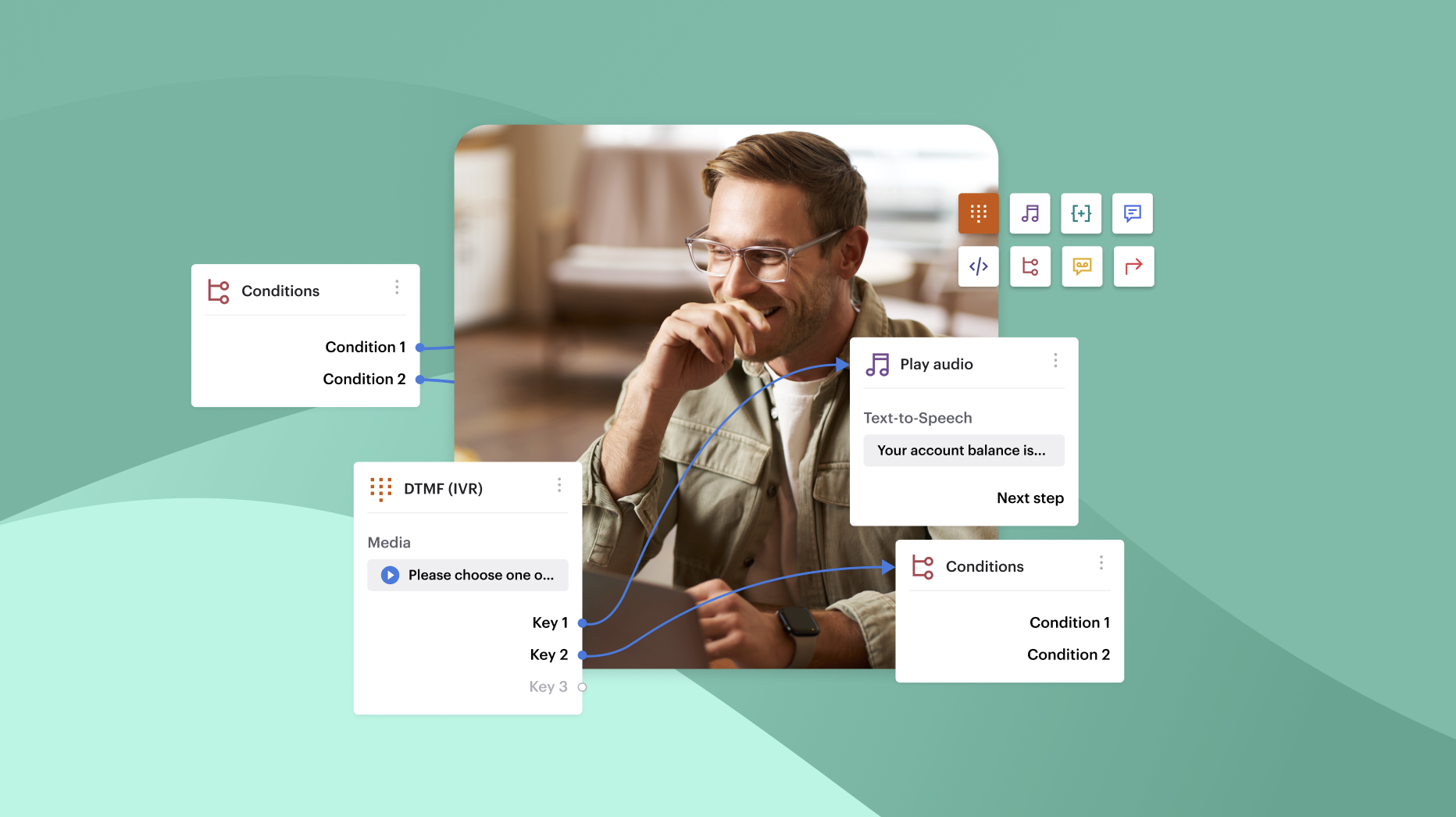


By identifying where money is being wasted, making smart use of technology, and keeping service quality front and center, you can build a leaner, more efficient operation without leaving your customers frustrated.
Let’s explore practical, proven ways to lower customer service costs while still keeping satisfaction levels high.
Key Takeaways
- Reducing customer service costs doesn’t require cutting quality, it starts with analyzing cost drivers, streamlining operations, and aligning efforts with customer satisfaction metrics.
- Smart strategies like automation, self-service, optimized call routing, and selective outsourcing help reduce costs while improving efficiency and resolution rates.
- Empowering agents with training, tools, and data creates faster resolutions, lowers repeat contacts, and sustains long-term savings without harming customer loyalty.
Understanding the Relationship Between Service Quality and Cost Reduction
The first thing to remember is that cost reduction and customer satisfaction are not opposites. In fact, when done right, they go hand in hand. Cutting costs doesn’t have to mean shorter call times, fewer agents, or a drop in quality. Instead, it’s about working smarter by streamlining processes, removing inefficiencies, and giving your team the right tools to succeed.
When businesses strike the right balance, they unlock long-term benefits: happier customers, more engaged employees, and healthier bottom lines. But when cost-cutting is handled poorly, it often backfires, leading to lost customers, low morale, and higher expenses in the long run. Understanding this balance sets the stage for smarter, more effective strategies.
Identify and Analyze Current Customer Service Costs
Before you can reduce costs, you need a clear picture of where the money is going. Many businesses jump straight to trimming budgets without fully understanding their cost structure, and that’s where mistakes happen. By carefully analyzing your customer service expenses, you can identify hidden inefficiencies, spot areas for improvement, and make changes that save money without damaging the customer experience.
Assess your operational expenses
Start with the basics: what are your fixed costs (like facilities and core systems) and your variable costs (like labor, overtime, and outsourcing)? Breaking down these categories helps you understand your cost-per-contact, or how much each interaction with a customer really costs your business. Once you know the numbers, you’ll have a clear baseline to measure improvements against.
Identify cost drivers
Every customer service operation has cost drivers: those factors that account for the biggest portion of spending. Labor usually tops the list, but technology, training, and outsourcing can add up quickly too. It’s also important to look at peak demand patterns: are you overspending on staffing during quiet periods or underestimating demand during rushes? These insights will help you optimize staffing and scheduling.
Evaluate customer satisfaction metrics
Costs and satisfaction are closely linked. A poor customer experience often results in repeat calls, escalations, and longer handle times—all of which drive up expenses. By tracking CSAT (Customer Satisfaction), NPS (Net Promoter Score), and CES (Customer Effort Score), you’ll see where customer pain points are inflating costs. Improving those areas not only boosts satisfaction but also lowers expenses by reducing inefficiencies.
Proven Strategies to Reduce Customer Service Costs
Once you’ve mapped out where your money is going, it’s time to put smart strategies into action. The most effective approaches aren’t about slashing budgets across the board—they’re about creating efficiencies, empowering customers, and making your team more effective. Done right, these strategies cut costs while actually improving service quality.
Automate repetitive tasks
Many customer service interactions are routine: password resets, shipping updates, or simple troubleshooting, which when automated with AI-powered chatbots, virtual assistants, or automated ticket routing, can free up agents to focus on more complex, high-value interactions. You can also automate feedback collection and follow-ups, reducing manual workload without losing the personal touch.
Introduce self-service options
Customers increasingly prefer to solve problems themselves, if you give them the right tools. A well-designed knowledge base, clear FAQs, step-by-step guides, and tutorial videos can dramatically cut call volumes. Adding AI-powered search or community forums takes it even further, helping customers find answers quickly while reducing demand on your support team.
Optimise call centre operations
Call centers are often the biggest driver of customer service costs, so optimizing them can yield immediate savings. Intelligent call routing ensures customers are connected with the right agent the first time, cutting down on unnecessary transfers, while reducing Average Handle Time (AHT) is another lever, but has to be done carefully—shortening calls at the expense of service only leads to repeat contacts, which increases costs. The key is streamlining processes while still focusing on resolution quality.
Leverage technology solutions
The right technology can be a game changer for efficiency. Cloud-based customer service platforms scale up or down based on demand, helping you avoid overinvesting in infrastructure. Integrated CRM systems give agents a single view of the customer, reducing time wasted switching between tools and ensuring faster, more accurate service. When your systems “talk” to each other, both costs and frustrations go down.
Outsource strategically
Outsourcing customer service can be a cost-effective option, but it has to be approached with care. For high-volume, low-complexity inquiries, outsourcing to a third-party provider can lower expenses and free up your in-house team to focus on higher-value interactions. However, outsourcing comes with trade-offs, like reduced control and potential inconsistencies in service quality. The most effective strategy is often a hybrid approach: keep critical, brand-sensitive interactions in-house, and outsource the simpler, more routine tasks.
Empower and Train Customer Service Teams
Even the most advanced technology can’t replace a well-prepared, motivated support team. Your agents are the front line of customer experience, and investing in their skills pays off in both cost savings and customer satisfaction. When agents feel confident and capable, they resolve issues faster, reduce escalations, and deliver a smoother experience for customers.
Comprehensive training programs
Strong training programs go beyond just teaching agents the basics. They should equip teams with deep product knowledge, clear communication techniques, and the confidence to handle unexpected situations. One key area is first-contact resolution training, when agents are trained to solve issues on the first interaction, it lowers repeat contacts, shortens resolution times, and reduces overall costs.
Encourage cross-functional collaboration
Customer service teams shouldn’t operate in a vacuum. Sharing insights and feedback with product, sales, and operations teams helps address the root causes of recurring issues, saving both time and money in the long run. Empowering agents to make service decisions without waiting for endless approvals also speeds up resolution, leading to happier customers and fewer wasted resources.
Measure and Continuously Optimise Cost Reduction Efforts
Cutting costs isn’t a one-and-done project—it’s an ongoing process. To make sure your efforts are working, you need to track the right metrics, evaluate the impact on customer experience, and refine your strategies over time. The goal is not just to save money in the short term, but to build a sustainable system that balances efficiency with service quality.
Track key metrics
The most effective cost reduction strategies are backed by data. Metrics like cost per contact, resolution rate, and agent productivity help you understand how efficiently your team is operating. At the same time, you need to monitor how those savings affect the customer experience: if cutting costs leads to a drop in CSAT or NPS, you may be creating bigger long-term expenses.
Continuous improvement mindset
Customer service environments evolve quickly, so strategies need regular review. Conduct process audits, gather feedback from agents, and listen to what customers are saying about their experiences. Use this data to fine-tune your approach, whether that means adjusting staffing models, upgrading technology, or redesigning workflows. A mindset of continuous improvement ensures cost reduction efforts stay effective and sustainable.
FAQs
What is the average cost per customer service interaction?
It varies widely by channel, but phone calls often cost the most, while chat and self-service options tend to be more cost-effective.
How can automation reduce customer service costs effectively?
By handling repetitive, low-value tasks like ticket routing or FAQs, automation frees agents to focus on complex issues, lowering labor costs and increasing efficiency.
Are self-service options better for customers or for cost savings?
Both. Customers appreciate the convenience of quick answers, while businesses benefit from fewer inbound contacts and reduced support costs.
What’s the best way to measure the ROI of cost reduction initiatives?
Compare savings in operational expenses against changes in customer satisfaction and retention. True ROI comes from reducing costs without damaging customer relationships.
How does outsourcing impact customer satisfaction?
It depends on execution. Outsourcing routine inquiries can lower costs, but critical or complex interactions are often best kept in-house to maintain quality and brand consistency.
Can reducing customer service costs harm brand loyalty?
Yes—if done poorly. Cutting too aggressively or sacrificing service quality can frustrate customers and drive them away. Balanced strategies prevent this.
Which technologies offer the fastest cost savings in customer support?
AI-powered chatbots, cloud-based contact center platforms, and integrated CRM systems typically deliver the quickest returns by improving efficiency and reducing manual work.