

Spam calls waste time, undermine trust in phone communication, and expose users to fraud. For businesses, the damage runs deeper. Agents lose productive minutes, customers miss legitimate calls, and inbound lines fill with noise instead of real conversations. Traditional call blocking based on static number lists can’t keep up with constantly changing spam tactics.
Calling app technology tackles the problem differently. Modern systems analyze live call data, reference real-time databases, and apply AI-driven pattern recognition to detect spam before users ever pick up. Understanding how calling app technology works to block spam calls helps explain why some apps stop unwanted callers reliably, while others let them slip through.
The next section breaks down what calling apps are and why spam calls have become such a persistent problem.
What are calling apps and why are spam calls a problem?
Before looking at how spam blocking works, it helps to understand the role calling apps play in modern communication. In modern telecom systems, a call is already being handled, routed, analyzed, and processed by software before the call reaches the actual phone device.
This makes calling apps a critical control point.
Defining calling apps and dialers
Calling apps manage voice calls through software rather than traditional phone hardware. Some run directly on mobile devices and replace the default dialer. Others operate in the cloud and deliver calls through VoIP across desktops, browsers, or softphones.
Consumers rely on calling apps to screen incoming calls and manage personal communication. Businesses use dialers and calling platforms to handle large call volumes, route conversations, and monitor performance. In both cases, the same risk exists. Any system designed to connect calls also attracts unwanted traffic.
Spam exploits that openness. Calling apps sit at the front line, deciding which calls reach users and which don’t.
The rise of spam and robocalls
Spam calls have grown into one of the most persistent problems in voice communication. In the United States alone, robocall monitoring services reported over 4 billion robocalls in a single month, driven largely by scams and aggressive telemarketing.
Scam calls impersonate banks, delivery services, and government agencies to steal money or personal data. The Federal Trade Commission continues to report hundreds of millions of dollars lost annually to phone fraud, with voice scams ranking among the most common tactics.
For businesses, spam calls clog inbound lines and waste agents’ time. Legitimate customers face delays, missed callbacks, or abandoned queues. As spam volume grows, calling apps can’t afford passive defenses. They need active systems designed to recognize and stop abuse in real time.
How calling apps block spam calls: the technology explained
Calling apps combine live data, behavioral analysis, and network intelligence to decide whether a call deserves attention or should disappear quietly.
Caller ID and real-time spam databases
Most calling apps start with caller identification powered by large spam databases. They pull data from third-party providers, internal datasets, or both, checking incoming numbers against constantly updated records.
Crowd-sourced reporting plays a major role here. When users mark calls as spam, those reports feed shared databases within minutes. Numbers flagged repeatedly across regions gain a high-risk profile quickly. Calling apps can then warn users, silence calls, or block them outright before they connect.
This approach works best when databases refresh in real time. Static lists fall behind fast, especially when spammers rotate numbers daily.
AI and pattern recognition
Spam rarely behaves like normal human calling. Machine learning models analyze patterns across millions of calls to spot abnormal behavior early.
They look for signals such as:
- Repeated short calls across many numbers
- High call volumes during narrow time windows
- Call-back loops where numbers never answer return calls
- Identical dialing behavior across unrelated regions
Once models learn from confirmed spam activity, they start flagging similar patterns automatically. That allows calling apps to detect new spam numbers before users report them. Instead of chasing known offenders, AI focuses on behavior that reveals intent.
Network-level vs device-level blocking
Spam filtering happens at different layers, and each layer serves a purpose.
Device-level blocking takes place inside the app or phone operating system. The call reaches the device, then gets silenced, labeled, or rejected. This method gives users control but still allows spam traffic onto the network.
Network-level blocking stops calls earlier. Telecom systems analyze signaling data, routing paths, and number validity before calls connect. Techniques like HLR lookups verify whether numbers exist, roam unexpectedly, or show signs of fraud.
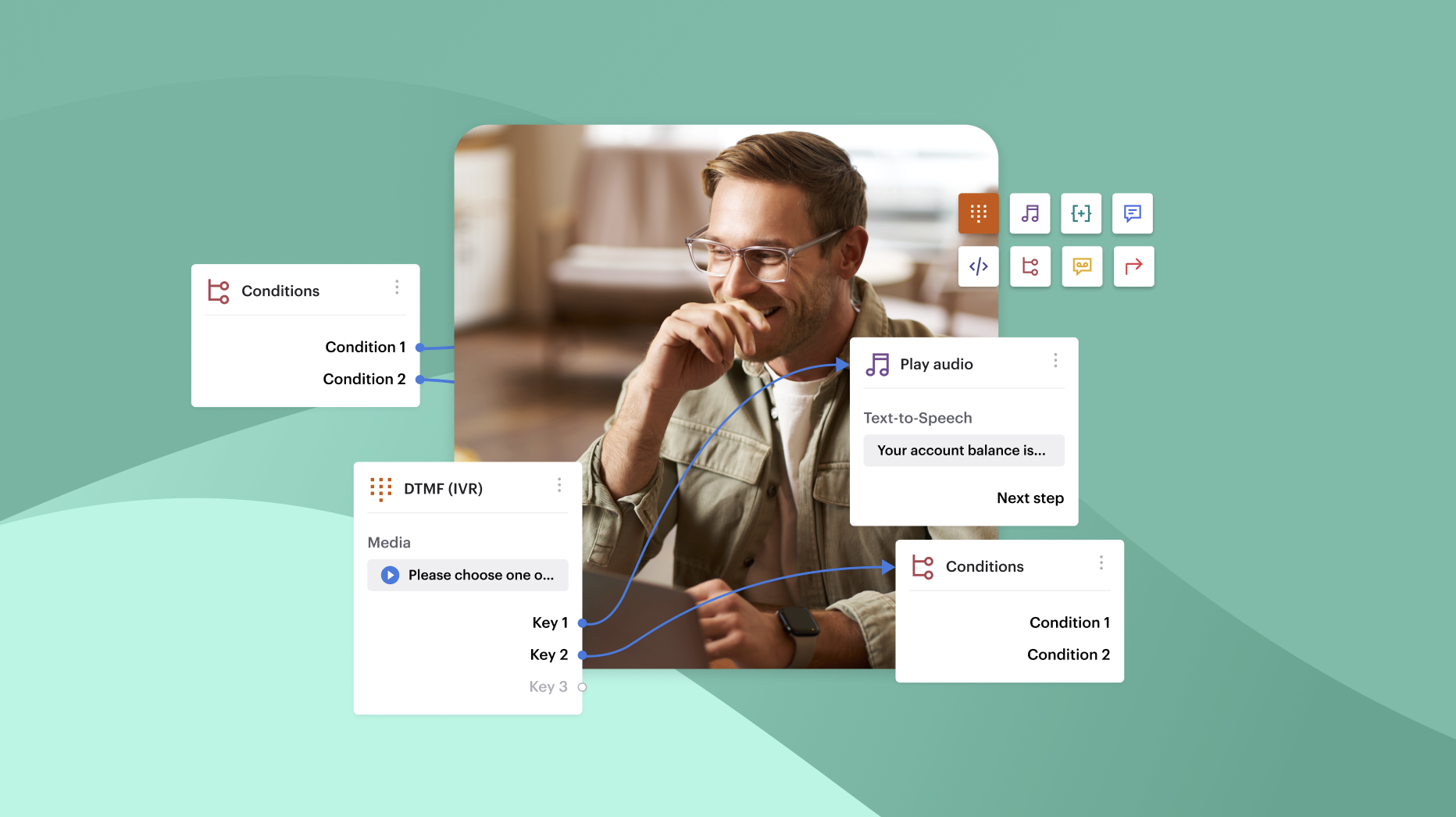
Voiso applies this logic inside its call infrastructure. Features such as HLR Lookup in Flow Builder help validate numbers before routing calls to agents or mobile devices. Intelligent routing rules then decide whether calls proceed, get redirected, or drop entirely. That reduces spam exposure without relying solely on end-user actions.
Together, these layers form a stronger defense. Blocking works best when calling apps combine real-time databases, AI-driven pattern analysis, and network-level validation into a single decision system.
User controls and customization in calling apps
Automated detection handles most spam, but user input still shapes how blocking works day to day. Calling apps rely on customization to balance protection with accessibility.
Spam thresholds and reporting
Most calling apps let users decide how aggressively spam gets filtered. Some prefer warnings and call labels. Others want automatic blocking without interruptions. Sensitivity settings control where that line sits.
User reporting also feeds back into the detection system. When someone marks a call as spam, the app records context such as call duration, frequency, and timing. Those reports strengthen future detection and help adjust risk scores in real time. Over time, filtering adapts to calling habits rather than relying on fixed rules.
Reporting also gives users visibility. Seeing how many calls get blocked reinforces trust in the system and clarifies why certain calls never ring.
Whitelisting and blacklisting features
Whitelisting ensures important calls always get through. Users can mark contacts, domains, or number ranges as trusted, bypassing spam filters entirely. This step matters when legitimate callers use shared numbers or rotating lines.
Blacklisting works in the opposite direction. Known nuisance numbers get blocked immediately, even if broader databases haven’t flagged them yet.
In enterprise settings, whitelisting works differently. Industries like fintech, healthcare, and travel depend on callbacks from verified numbers. Calling apps in these environments often sync trusted lists from CRMs or booking systems. That prevents security checks from blocking account confirmations, payment approvals, or itinerary updates.
Customization keeps spam blocking practical. Without it, even the smartest detection risks stopping the calls users actually want.
Limitations and challenges of spam call blocking
Spam blocking technology has improved fast, but no system works perfectly. Spammers adapt constantly, forcing calling apps to balance protection with accessibility.
Evolving tactics by spammers
Modern spam rarely comes from fixed phone numbers. Spoofing lets callers disguise their identity by imitating local or trusted prefixes. A single campaign can cycle through thousands of numbers in hours, making simple number-based blocking ineffective.
Some operations also mimic legitimate calling behavior. They spread calls across longer periods, vary call lengths, and avoid obvious spikes. That behavior makes detection harder, especially during early stages of a campaign. Calling apps must look beyond numbers and analyze patterns, timing, and intent to keep up.
False positives and user frustration
Aggressive filtering creates its own risk. When systems block too broadly, legitimate calls disappear. Missed delivery confirmations, bank alerts, or return calls from service providers quickly erode trust.
User experience plays a critical role here. Effective calling apps explain why calls get blocked and give users easy ways to recover them. Clear labels, call histories, and adjustable settings reduce frustration and prevent people from disabling protection entirely.
Choosing the right calling app for spam protection
The right calling app should combine smart detection with user control, and fit the needs of both individual users and businesses.
Key features to look for
Effective spam protection starts with how calls get identified and filtered. Look for apps that offer:
- Real-time caller ID linked to crowd-sourced databases: Apps that check numbers against constantly updated community reports catch new spam quickly.
- AI-driven spam filtering: Machine learning should go beyond static lists to analyze behavior patterns and emerging attack methods.
- Customizable controls: Options to adjust sensitivity, whitelist trusted contacts, or silence unknown numbers help match blocking to personal or business preferences.
If you want more robust filtering on mobile, consider solutions like our Voiso Mobile App, which combines real-time identification with customizable settings for both inbound and outbound voice traffic.
Choosing an app with these capabilities means spam gets stopped earlier and with fewer interruptions to legitimate calls.
Enterprise use cases
Spam becomes far more costly in environments where call volume drives revenue, security, or service quality.
BPOs route large call volumes daily. Intelligent filters reduce time wasted on nuisance traffic and let agents focus on real customers.
Fintech companies often make secure, time-sensitive calls to verify transactions. Whitelisting trusted partners and filtering fraud attempts protects accounts and reduces risk.
Travel providers depend on callbacks for confirmations, itinerary changes, and customer support. Smart routing ensures trusted calls get through and stops automated telemarketing that clogs hotline queues.
In each case, spam protection improves connect rates and operational efficiency. Choosing a calling app that fits the context — not just basic blocking — separates a tool from a platform that actually supports business goals.
Final thoughts: staying ahead of spam with smarter calling apps
Spam blocking works best when multiple technologies operate together. Real-time caller ID databases flag known threats quickly. Pattern analysis exposes suspicious behavior before users report it. AI ties those signals together, learning from new activity and adapting as tactics change.
That adaptability matters most. Spam never stands still. Callers rotate numbers, spoof identities, and adjust timing to slip past static defenses. Calling apps that rely on fixed rules fall behind fast. Systems built around live data and behavioral learning keep pace because they respond to how spam actually behaves.
Clean call traffic preserves trust, reduces wasted time, and keeps voice communication usable at scale. As spam evolves, call technology must evolve alongside it.
Explore Voiso’s AI-driven solutions for smarter outbound and inbound calling.