

When patients reach out, they’re not just calling for an appointment; they’re looking for reassurance, clarity, and quick help when they need it most.
Let’s look at why investing in a contact center solution matters for healthcare now more than ever.
Key Takeaways
- Healthcare providers need HIPAA-compliant contact center software to securely manage voice, chat, and SMS communications across patient interactions.
- Modern solutions offer intelligent call routing, omnichannel support, and CRM/EHR integration to reduce wait times and personalize patient experiences.
- Voiso stands out with cloud-based deployment, customizable call flows by specialty, and real-time analytics tailored for healthcare call volumes.
- NICE CXone, Genesys Cloud CX, and RingCentral offer enterprise-grade options with predictive routing, sentiment analysis, and deep compliance frameworks.
- For smaller clinics, tools like QliqSOFT and 8×8 Health Engagement provide affordable entry points with automated reminders and secure messaging.
- AI features like sentiment analysis and smart triage are redefining virtual care, while virtual front desks help clinics streamline intake and reduce call load.
- Choosing the right platform depends on practice size, EHR compatibility, compliance needs, and scalability goals.
Why Contact Center Software is Vital for Healthcare
The shift toward patient-centric communication
Patients today expect to connect with their healthcare providers easily, whether it’s through a quick call, a text reminder, or a chat on the clinic’s website. With the rise of virtual care and telehealth, accessibility and responsiveness have become the norm, not the exception.
Healthcare providers now face the expectation of 24/7 service, ensuring patients can schedule appointments, ask questions, or get help managing prescriptions at any hour, across voice, chat, and SMS channels.
Challenges unique to healthcare contact centers
Unlike many industries, healthcare contact centers have to navigate strict HIPAA compliance and protect sensitive patient information during every interaction. On top of that, managing high call volumes and handling urgent, often emotional conversations requires systems that can prioritize and route calls effectively while supporting multilingual patients.
The stakes are high, and having the right software in place ensures your teams can handle sensitive interactions with care while meeting regulatory obligations.
Key Features of Healthcare Contact Center Software
HIPAA-compliant data handling
- Secure messaging, encrypted call recordings, and data transmission to protect patient information.
- Role-based access control and detailed audit logs to maintain accountability and compliance during every patient interaction.
Appointment scheduling and reminders
- Integrates seamlessly with EHR and calendar systems to reduce manual booking errors.
- Sends automated voice, SMS, or email confirmations and reminders to minimize no-shows and keep schedules organized.
CRM integration for patient profiles
- Gives agents real-time access to medical history, medication details, and patient preferences while on calls or chats.
- Supports proactive follow-ups and personalized care plans to improve patient outcomes.
IVR and intelligent call routing
- Routes calls based on specialty, language preference, or urgency, ensuring patients reach the right team faster.
- Reduces wait times and improves triage for urgent calls, helping clinics prioritize patient care efficiently.
Omnichannel support
- Enables teams to manage calls, emails, live chats, and social media messages in one unified interface.
- Delivers consistent care communication across platforms, ensuring patients receive seamless support, no matter how they choose to reach out.
Top Healthcare Contact Center Software Solutions in 2025
| Provider | Key features | Pricing | Pros | Cons |
| 1. Voiso | Cloud-based contact center solution with omnichannel support, AI-powered routing, CRM sync, and real-time analytics. | Starts at $49/user/month. | Fast deployment, advanced routing for high call volumes, easy CRM integration. | Lacks native EHR integrations, may require API setup for healthcare use. |
| 2. NICE CXone for Healthcare | HIPAA-compliant omnichannel platform with AI-predictive dialing, workforce engagement tools, and sentiment analysis. | Starts at $71/month. | Strong compliance features, advanced call blending, excellent reporting. | Higher cost for small clinics, can be complex to set up initially. |
| 3. Genesys Cloud CX (Healthcare edition) | All-in-one omnichannel contact center with AI routing, patient journey tracking, and predictive engagement tools. | Starts at $75/user/month. | Scalable for large healthcare networks, strong patient personalization tools. | Learning curve for teams new to advanced routing features. |
| 4. RingCentral for Healthcare | Secure cloud communications with video, phone, messaging, and IVR built for HIPAA compliance. | Starts at $20/user/month. | User-friendly, integrates with EHR systems, reliable uptime. | Advanced analytics require higher tiers, limited customization for call flows. |
| 5. 8×8 Health Engagement Solutions | Omnichannel contact center with SMS, voice, and video for patient outreach, built-in call analytics, and HIPAA compliance. | Starts at $24/user/month. | Affordable for small practices, easy-to-use interface, solid analytics. | Some advanced routing and AI features require add-ons. |
| 6. QliqSOFT | HIPAA-compliant secure messaging, patient chatbots, voice, and SMS tools for healthcare communication. | Starts at $6, flat rate. | Affordable, designed specifically for healthcare, strong patient engagement tools. | Lacks advanced call center analytics and predictive dialing features. |
1. Voiso
How it helps healthcare providers
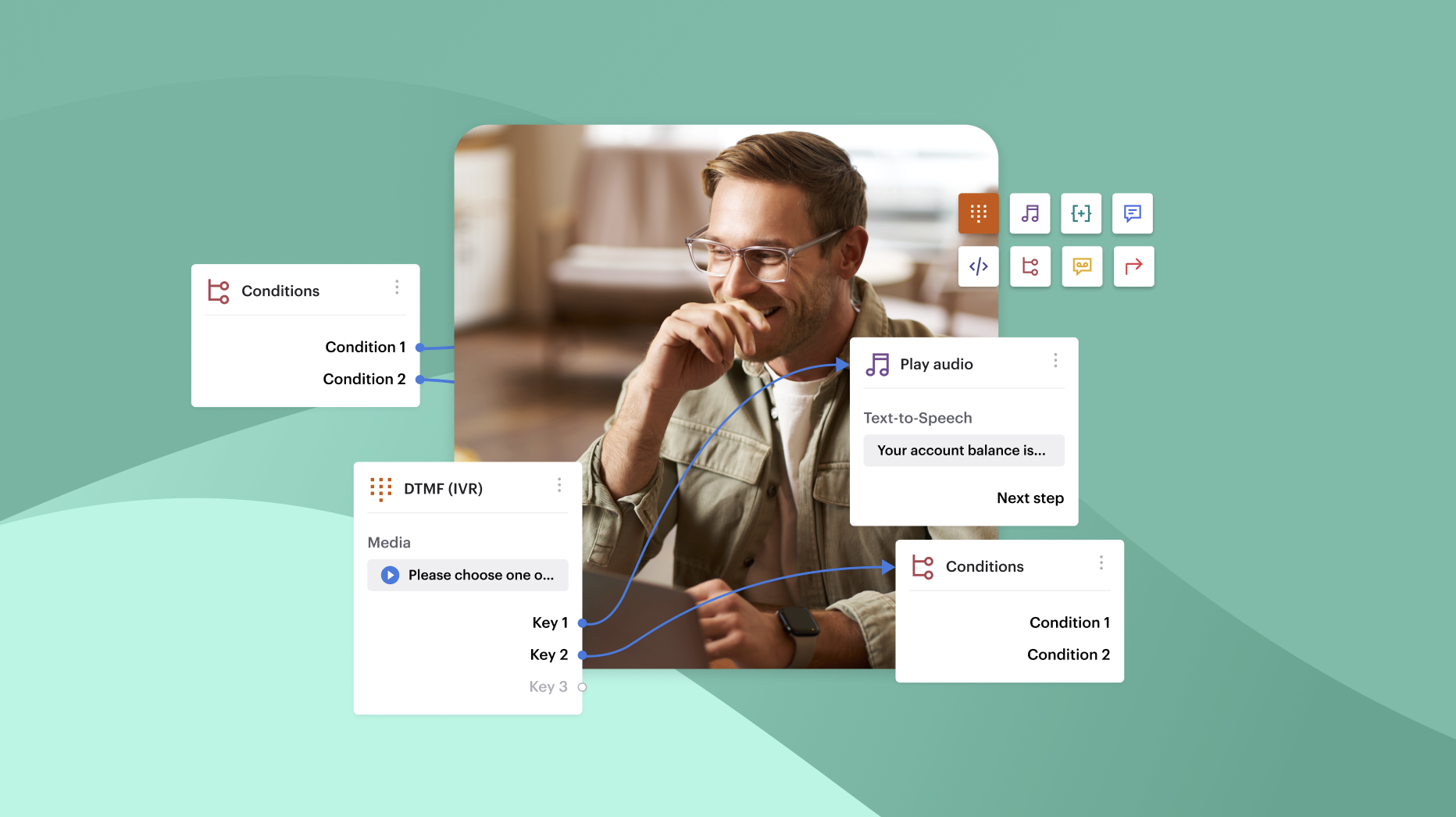
Voiso is built for healthcare providers who need secure, patient-focused communication without the hassle of heavy infrastructure. It runs entirely in the cloud, making it easy to manage voice systems, handle inbound and outbound calls, and scale up or down based on patient demand.
Plus, Voiso’s customisable call flows allow clinics to route calls based on specialty, language, or urgency, ensuring patients reach the right department quickly.
Key healthcare features
With CRM integrations, healthcare staff can view patient details during calls, enabling faster, more personalised service without patients repeating information. The analytics dashboard offers real-time insights into call volumes, resolution rates, and agent performance, helping healthcare administrators improve patient wait times and overall service quality.
Voiso is a smart choice for practices looking to modernise patient communication while maintaining operational simplicity.
2. NICE CXone for Healthcare
How it helps healthcare providers
NICE CXone for Healthcare is a unified cloud communications platform designed for healthcare networks that need to streamline patient interactions across voice, chat, and SMS channels. It offers intelligent routing and IVR, ensuring patients get to the right provider or department without unnecessary transfers, reducing frustration and dropped calls.
Key healthcare features
NICE’s powerful reporting tools give healthcare managers visibility into patient call patterns, agent performance, and service bottlenecks, enabling data-driven improvements. Integrated workforce management tools help balance staffing with patient demand while maintaining compliance with HIPAA and other regulatory frameworks.
If your healthcare organisation needs to manage high call volumes with visibility and control, NICE CXone for Healthcare is a solid, scalable option.
3. RingCentral for Healthcare
How it helps healthcare providers
RingCentral for Healthcare brings voice and video-enabled patient interactions into a single, easy-to-use platform, so your staff can handle patient calls, follow-ups, and telehealth consultations without juggling multiple systems. It also includes features like IVR for routing, call recording, and SMS reminders, all within a HIPAA-compliant environment.
Key healthcare features
RingCentral’s strong compliance framework ensures patient data is protected across communications, while its telehealth integrations allow seamless video consultations with documentation capabilities for EHR systems. RingCentral’s simplicity makes it a great fit for healthcare providers who want to blend traditional voice support with virtual care while maintaining a high level of patient trust and confidentiality.
4. 8×8 Health Engagement Solutions
How it helps healthcare providers
8×8 Health Engagement Solutions is designed for multi-location practices and healthcare networks that need to manage high call volumes and patient outreach efficiently. It offers AI-powered triage and queue management, allowing patients to be routed based on urgency, specialty, or language needs, which helps reduce wait times and improves first-contact resolution.
Key healthcare features
8×8’s multilingual support is a standout feature for diverse patient populations, while built-in SMS, voice, and video capabilities keep all patient communications in one place. For healthcare providers looking to enhance patient engagement while managing resources efficiently, 8×8 offers a practical, scalable solution.
5. Genesys Cloud CX (Healthcare Edition)
How it helps healthcare providers
Genesys Cloud CX (Healthcare Edition) is tailored for high-scale healthcare organisations needing advanced call handling and patient journey management. It uses intelligent routing to ensure calls are directed based on patient history, urgency, and preferences, providing a more personalized experience with every interaction.
Key healthcare features
It supports contextual patient journeys, integrating with EHR and CRM systems to give agents immediate access to patient data, ensuring seamless support for follow-ups, care plans, and reminders. Genesys Cloud CX’s scalability makes it ideal for hospitals, large clinics, and healthcare networks looking to centralise and elevate their patient communication infrastructure.
5. QliqSOFT
How it helps healthcare providers
QliqSOFT is a healthcare-focused platform offering secure texting, automated workflows, and virtual front desk features to improve patient communication without requiring a traditional call centre setup. Patients can confirm appointments, receive reminders, and complete intake forms via secure text, reducing phone traffic for front desk staff.
Key healthcare features
QliqSOFT’s automated workflows handle routine tasks like appointment reminders and prescription refill requests, freeing up your team for more complex patient needs. With its virtual front desk capabilities, QliqSOFT is particularly effective for practices prioritising appointment management and proactive patient outreach while maintaining HIPAA compliance.
How to Choose the Right Healthcare Contact Center Software
Consider practice size and specialty
Start by looking at the size of your practice and what type of care you provide:
- A solo practitioner or small dental office may need a lightweight, easy-to-use platform that handles basic appointment scheduling and reminders.
- Larger clinics and hospital systems will benefit from advanced routing, CRM integrations, and analytics to handle higher volumes without burning out staff.
- Consider your specialty: dermatology may prioritise before/after photo documentation and follow-up reminders, while general practice may need chronic care management and lab result notifications baked in.
Integration with existing systems
Make sure your new system can plug into your EHR, practice management, and billing platforms without a fuss to:
- Streamline daily workflows and cut down on manual data entry.
- Support APIs or have ready-made integrations with Athenahealth, Epic, Kareo, and other healthcare tools your team already uses.
Compliance, certifications, and vendor reputation
You’ll want a vendor that takes security seriously, so look for:
- Certifications like HIPAA, HITRUST, and ISO 27001 to ensure patient data stays protected.
- User reviews specifically from healthcare providers to see how the vendor handles support, system updates, and day-to-day reliability.
Budget and licensing model
Pricing structures can vary; keep your financial realities in mind and remember to:
- Check which vendors charge per user, and which ones bill per minute or feature.
- Look for plans that accommodate growth while staying budget-friendly for smaller clinics, community health centres, or non-profits.
Benefits of Using Contact Center Software in Healthcare
Enhanced patient experience
- Reduces wait times with smart routing and callback options.
- Enables proactive follow-ups and multilingual support to serve diverse communities.
- Leads to higher patient retention and satisfaction scores.
Operational efficiency and staff productivity
- Cuts down on manual calls with automated appointment reminders and routing.
- Gives staff real-time visibility into queues, helping manage patient expectations.
- Lets smaller teams handle more volume without sacrificing care quality.
Data-driven decision making
- Provides reports on call duration, missed calls, and resolution rates.
- Allows practices to spot bottlenecks and improve workflows over time.
- Helps align staff scheduling and resources with peak call times using real-time data.
Contact Center Software vs. Virtual Receptionists
| Aspect | Contact Center Software | Virtual Receptionists |
| Best for | High call volume, integration needs, advanced routing. | Temporary overflow, after-hours coverage, bilingual intake. |
| Features | Custom call flows, self-service IVR, analytics and reporting. | Human touch for calls, message taking, and warm transfer. |
| Scalability | Easily scales with your patient base and new locations. | Limited to human availability and hours. |
| Cost structure | Per-user or per-minute, scales predictably. | Typically per-call or per-minute, can add up with high volume. |
| Ideal use cases | Clinics and hospitals needing EHR sync and call management. | Solo practices needing live support without hiring FT staff. |
Ensuring HIPAA and Data Privacy Compliance
Core security features to verify
When evaluating any contact center software for healthcare, data security is non-negotiable. You need to ensure that voice, chat, and SMS communications are encrypted end-to-end so patient data isn’t exposed during transmission.
Secure and encrypted storage of any call recordings and patient data is also essential, ensuring only authorised staff can access sensitive information when needed.
Staff training and role-based access
Even the best technology falls short without a team that knows how to use it responsibly. Setting up role-based permissions and clear audit trails helps track who accesses patient data and when, to reduce risks of data breaches.
Regular compliance refreshers and user tracking build a culture of accountability, ensuring your staff consistently aligns with HIPAA, protecting your patients and your practice.
Implementation and Onboarding Tips
Pilot program best practices
- Start with a pilot in one department or a single clinic to catch issues early.
- Define clear KPIs, such as call resolution time and patient satisfaction scores, to measure success before a full rollout.
- Use patient feedback during this phase to refine call flows and self-service menus.
Staff training and knowledge base setup
- Create an internal knowledge base with scripts, FAQs, and system walkthroughs.
- Run mock call sessions so agents get comfortable before going live.
- Emphasise tone, empathy, and compliance practices in your training to align patient experience with care standards.
Future Trends in Healthcare Contact Center Software
AI in patient communication
Healthcare contact centers are increasingly leveraging AI to enhance care delivery and reduce administrative load.
Expect smart triage tools that predict wait times and forecast appointment needs, helping practices manage resources better while keeping patients informed.
Plus, sentiment analysis and auto-call summaries will give teams deeper insight into patient concerns and next steps without manual note-taking.
Virtual front desks and remote intake
As virtual care expands, touchless check-in and digital pre-screening are becoming standard. They’re introducing virtual front desks that will allow patients to complete forms and intake remotely, ensuring a smoother in-person experience when needed.
They also help practices coordinate care teams across multiple locations, improving follow-up and reducing bottlenecks during high-volume periods.
FAQs
Can healthcare contact center software support telehealth services?
Yes, many platforms integrate voice and video capabilities to support telehealth visits, appointment reminders, and virtual triage directly within the same system.
What features are most important for small clinics vs large hospital networks?
Small clinics often prioritise easy appointment management and cost-effective licensing, while hospital networks look for advanced routing, EHR integration, and multi-department scalability.
Are healthcare-specific call center solutions more expensive?
They can be slightly higher due to HIPAA compliance and specialised integrations, but many vendors offer tiered plans to remain accessible for small practices and clinics.
How can I migrate from a traditional phone system to a contact center platform?
Start by assessing your call flows and data needs, then work with your vendor to port numbers, integrate EHR systems, and train staff before fully switching over.
Is it possible to use healthcare contact center software with remote agents?
Absolutely, most modern solutions are cloud-based and allow agents to handle calls and patient communications securely from home or distributed locations.
What kind of uptime or reliability should I expect from a cloud-based system?
Look for vendors offering at least 99.9% uptime, with failover and redundancy systems in place to keep patient communications consistent.
Do any vendors offer healthcare contact center software tailored for nonprofits?
Yes, some providers have discounted plans or nonprofit-friendly pricing structures to help clinics and community health organisations implement contact center solutions affordably.
Further Reading