All Products

.svg)





That’s why top-performing sales teams don’t just segment by industry or company size, they build a diversified messaging map.
When you’re targeting a prospect, you’re not just sending a single message. You’re entering a multi-threaded conversation across departments and decision levels. The more tailored your message, the more likely you are to resonate, get a reply, and drive a meaningful next step. According to Gartner, the typical buying group for a complex B2B solution involves 6 to 10 stakeholders, each armed with their own research and priorities. If your messaging doesn’t speak to each one’s role-specific challenge, you’re not in the conversation, they are, without you.
But relevance isn’t just about job titles. It’s also about timing, channel, and context. A sales enablement platform might be a strategic differentiator for the CRO, but a burden to integrate for the CTO unless positioned with the right technical narrative. Your messaging must shift based on where the buyer is in their journey, what vertical they’re in, and what current pressures they’re facing. Economic slowdown? Security breach? Growth bottleneck? Your team needs to adapt the pitch accordingly.
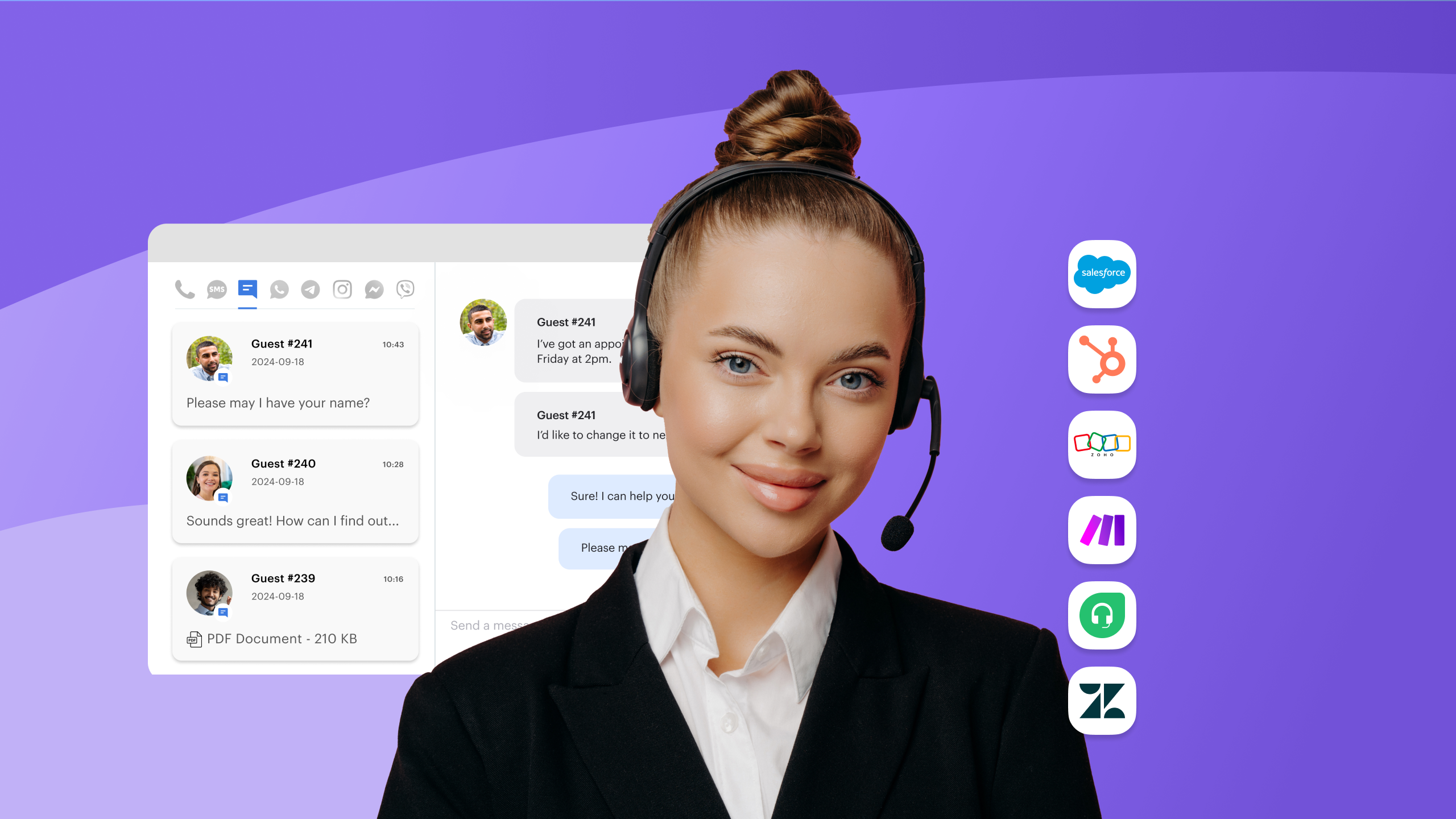
This is where sales tools can make, or break, your efforts. At Voiso, we’ve seen firsthand how companies close more deals when they stop guessing and start listening. Our AI-powered Speech Analytics give sales teams the ability to uncover real objections and questions directly from conversations, across verticals, personas, and sales cycles. Instead of basing outreach on assumptions, reps can go back to their past conversations and learn what worked with whom..
In one example, an international property group streamlined their sales team’s outreach across real estate agents, developers, and marketing heads. Using Voiso’s analytics and tagging, they created persona-specific scripts and call flows. The result? Increased contact rates, faster lead qualification, and a measurable uptick in conversion velocity across every region.
Or take RideNow, a car sharing network. Their team used Voiso’s AI Summaries and real-time dashboards to tailor messaging to local markets and buyer personas, reducing cost per acquisition while improving agent performance. It’s proof that even within a single industry, the way you communicate makes a tangible difference.
Building a messaging map isn’t just about personalization, it’s about orchestration. Your SDRs, AEs, and marketing team need to align on what message works, when, and for whom. When everyone operates from a shared messaging framework, you eliminate the noise and maximize resonance. You stop sounding like another vendor, and start sounding like a strategic partner.
In the end, the goal isn’t just to be heard. It’s to be understood, and remembered. Relevance is the new differentiator, and a diversified messaging map is how you get there.
Key Takeaways
- Effective B2B sales require role-specific, journey-aware messaging across multiple stakeholders, Gartner notes 6–10 people are involved in complex buying decisions.
- Voiso’s AI-powered Speech Analytics enable teams to identify real objections and successful messaging patterns across personas, regions, and sales cycles.
- A diversified messaging map aligns SDRs, AEs, and marketing on who says what, to whom, and when, driving higher engagement, faster qualification, and more closed deals.