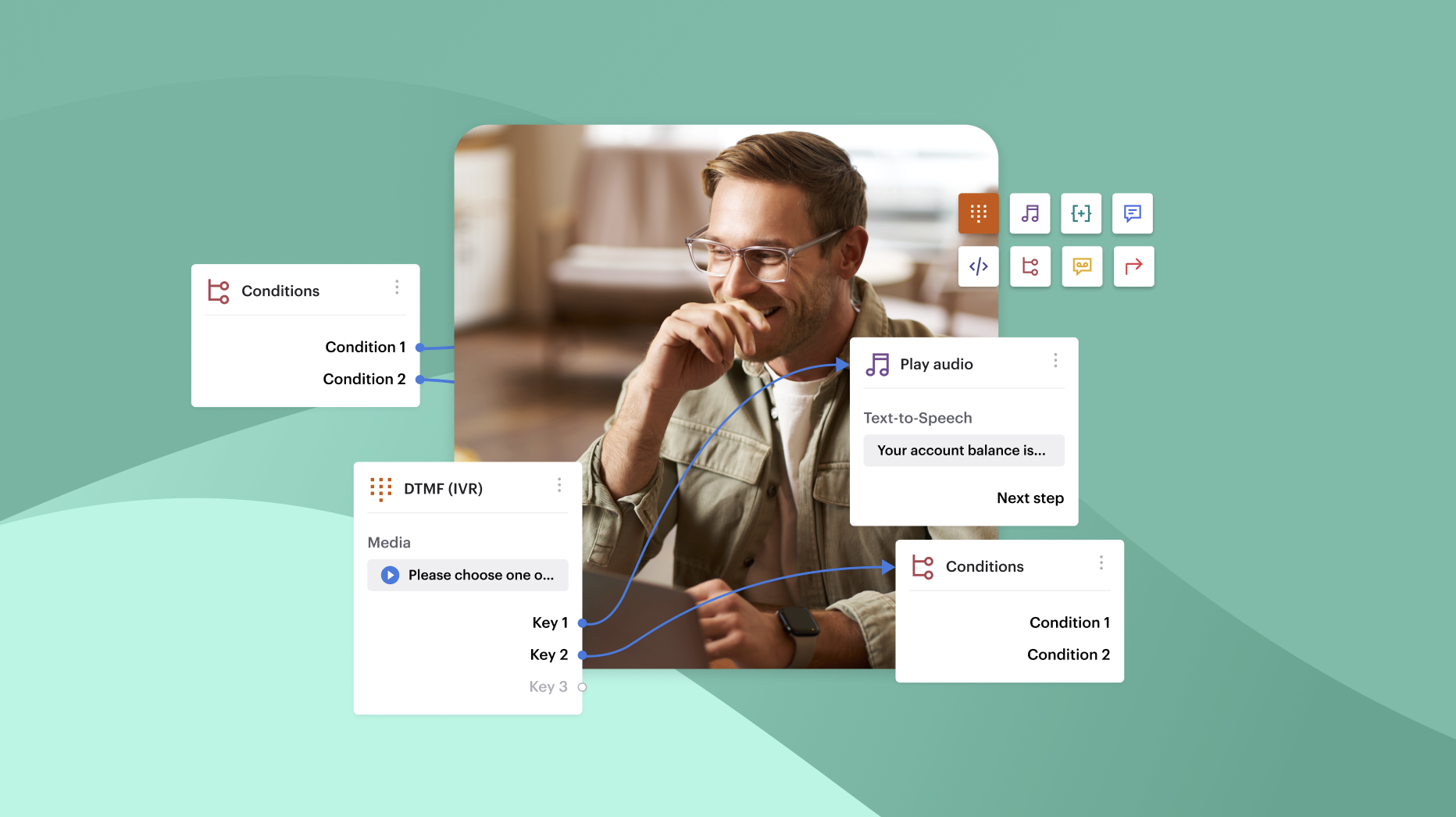


Unlike traditional setups where phone, email, chat, and social media work in silos, an omnichannel contact center connects every channel into a single, unified system. This means that no matter how customers reach out, or if they switch channels mid-conversation, agents can see the entire history and context instantly.
It’s a unified approach that’s essential for today’s customer expectations, where people want quick, seamless, and consistent help across channels without repeating themselves.
In short, an omnichannel contact center is about making customer engagement smooth, personalized, and consistent, everywhere.
Key Takeaways
- Omnichannel contact centers unify every customer channel, calls, chat, SMS, email, social media, into one seamless platform so agents have full context at all times.
- Unlike multichannel setups, omnichannel ensures consistent, personalized conversations even when customers switch channels mid-conversation.
- Core features include CRM integration, IVR, AI chatbots, and automated ticket routing to reduce friction, speed up service, and boost agent productivity.
- Omnichannel contact centers drive higher customer satisfaction, better engagement, and stronger brand loyalty through smoother, faster interactions.
- Smart implementation includes identifying customer-preferred channels, training agents cross-channel, and using real-time data to continuously improve support.
Multichannel vs. Omnichannel: Key Differences
Different approaches to customer service
Let’s clear up a common mix-up: many businesses use multi-channel and omnichannel interchangeably, but they’re actually quite different:
- Multichannel means your business offers customer support on multiple platforms: email, phone, chat, social media, but each channel often works independently. An agent handling your email may have no idea you just called earlier, so communication mediums don’t interact.
- Omnichannel takes it further by integrating all channels into one system. Agents can view and continue conversations seamlessly, no matter which channel customers use or switch to.
Essentially, multichannel is like having many doors to your business, but they don’t lead to the same room, whereas omnichannel ensures all doors lead to one connected conversation. Read more.
Impact on customer experience
Omnichannel has significant impacts on customer experience, such as:
Reduced friction
Customers don’t have to repeat themselves every time they switch channels.
Saved time for both sides
Agents get the full picture instantly, leading to faster, more effective help.
Better personalization
Customers feel heard and valued because agents remember who they are and what they need.
Boosted brand perception and loyalty
A smooth, consistent experience makes customers more likely to trust your brand and come back.
Ultimately, an omnichannel contact center isn’t just a tech upgrade; it’s a shift toward customer-first service that respects people’s time and preferences while strengthening your brand in every interaction.
Core Features of an Omnichannel Contact Center
Unified communication channels
An omnichannel contact center brings all your customer communication channels, such as phone, email, live chat, social media messages, and even WhatsApp or SMS, into one platform. Omnichannel means your agents don’t have to bounce between tabs or tools to check where a customer reached out from since everything is visible in one place.
It makes it easier to track conversations, prioritize urgent issues, and respond faster, and for customers, it simply feels like talking to one connected business, not multiple disconnected departments.
Real-time data and insights
One of the best parts of an omnichannel contact center is having live dashboards and analytics at your fingertips. You can see which channels are most active, how many customers are waiting, and which issues are trending in real time.
It allows managers to make immediate decisions, like reallocating agents during busy periods or spotting customer concerns early. It also helps in measuring agent performance and customer satisfaction so you can keep improving your support quality.
Seamless customer interactions
Customers today might start a conversation on live chat during a lunch break, then continue via email on their commute, and follow up with a quick call later. An omnichannel contact center ensures that customers can switch between all of these channels without having to repeat themselves.
The conversation history follows them wherever they go, so agents can pick up right where the last interaction ended, creating a smoother, frustration-free experience that shows customers you value their time.
Customer experience management tools
To manage customer interactions effectively, omnichannel contact centers use built-in customer experience management tools that can include ticketing systems, workflow automations, CRM integrations, and even AI-powered suggestions for agents during conversations.
They help track the entire customer journey, ensuring nothing falls through the cracks, allowing teams to personalize support, follow up efficiently, and deliver consistent, high-quality service across every channel.
Benefits of Adopting an Omnichannel Contact Center
Enhanced customer engagement
Personalized interactions go a long way in making customers feel valued. With an omnichannel contact center, agents have customer history and preferences at their fingertips, allowing them to tailor conversations and recommendations.
Instead of a generic ‘How can I help you?’ every time, customers get a personal touch that shows your team remembers who they are and what they need. This level of personalization creates stronger connections and keeps customers engaged with your brand.
Consistent cross-channel communication
Consistency matters when it comes to building trust. An omnichannel contact center ensures customers see the same messaging, tone, and brand voice, whether they’re chatting on your website, sending a Facebook message, or calling your support line. It builds consistency that helps customers feel confident they’re dealing with the same company, no matter where they connect, and makes your brand appear organized, professional, and reliable.
Improved agent efficiency
Handling multiple channels doesn’t have to mean chaos for your agents, and with everything accessible from a single interface, agents can manage calls, emails, chats, and social messages without switching screens or losing track of conversations.
It reduces wasted time, helps agents prioritize their workload, and allows them to handle more inquiries effectively. Not to mention it also reduces the risk of mistakes, helping agents deliver better service while keeping their workflow manageable.
Increased customer satisfaction and loyalty
Customers appreciate quick, seamless resolutions; when they can reach out on any channel and get their issue resolved without delays or having to repeat themselves, it leaves a positive impression, reduces friction and speeds up support. Combined, this translates to higher customer satisfaction and, in the long run, greater loyalty to your brand. Customers are more likely to return and recommend your business to others when they know they’ll be taken care of, wherever and whenever they reach out.
Contact Center Technology Essentials
IVR Systems and Chatbots
Automation is a powerful ally in any contact center. Interactive Voice Response (IVR) helps route calls to the right department and allows customers to get quick updates, like checking order statuses, without waiting for an agent.
Similarly, chatbots can handle common questions on your website or social channels, providing instant responses any time of day. By taking care of repetitive, straightforward queries, automation frees up your agents to focus on more complex customer needs while ensuring customers get quick answers when they need them.
CRM integration
Having customer information scattered across different tools makes it hard to deliver smooth support. Enter: CRM integration. It brings all customer data, such as past interactions, purchase history, and preferences into one place, directly within your contact center platform.
It means agents don’t have to scramble to find context, and can instead provide informed, personalized support right away. CRM integration also makes it easier to track follow-ups, manage customer journeys, and maintain a strong, consistent relationship with each customer.
Analytics and reporting tools
Tracking performance is key to improving your contact center’s effectiveness. Analytics and reporting tools let you monitor KPIs such as first-contact resolution rates, average response times, and customer satisfaction scores. They provide insights to help managers spot areas that need attention, identify training opportunities for agents, and understand customer trends over time.
With clear data, you can make smarter decisions that lead to better service, higher efficiency, and improved customer experiences.
Use Cases in Customer Service and Beyond
E-commerce and retail support
In e-commerce and retail, customers often reach out about returns, exchanges, or product details, and they don’t always stick to one channel. They might message on Instagram, follow up via email, and then call if it’s urgent. An omnichannel contact center helps manage these conversations in one place, ensuring customers get quick, consistent answers no matter how they reach out.
It also helps your team track order history and preferences, making it easier to provide personalized recommendations and smooth post-purchase support that keeps customers coming back.
Healthcare patient engagement
In healthcare, clear and timely communication matters more than anything. An omnichannel contact center allows clinics and hospitals to manage appointment bookings, send reminders, handle follow-up questions, and address patient concerns seamlessly across phone calls, SMS, email, or chat.
Patients can confirm or reschedule appointments easily, receive test result notifications, and get answers to non-urgent questions without long waits, improving both patient satisfaction and operational efficiency for your team.
Financial services and banking
Customers expect secure, real-time assistance when managing their finances. An omnichannel contact center allows banks and financial institutions to handle customer queries about transactions, account management, and fraud alerts across channels while maintaining high security standards.
Whether a customer starts with a chatbot to check their balance, moves to a call for a loan inquiry, or sends a secure email for documentation, your agents can see the full picture, ensuring consistent and accurate support throughout the customer’s journey.
Telecommunications and utilities
Telecom and utility providers often deal with technical support, service setup, and billing questions, which an omnichannel contact center helps manage efficiently. It allows customers to report issues, get troubleshooting help, or clarify billing concerns on their preferred channel, be it SMS, live chat, or a call.
Agents can view the entire conversation history, helping them resolve issues faster and provide proactive updates, reducing call volume and improving the overall customer experience.
Customer Service Automation in Omnichannel
Self-service options
Sometimes, customers just want to find quick answers on their own without needing to contact support; that’s where self-service options like online portals and knowledge bases come in. An omnichannel contact center can connect resources across channels, allowing customers to access FAQs, video tutorials, and step-by-step guides, whether they’re browsing your website, app, or chatting on social media.
Self-service not only empowers customers to solve simple issues instantly but also reduces the volume of incoming tickets, freeing up your team to focus on more complex cases.
AI-powered chatbots
AI-powered chatbots can handle many common customer questions, from checking order statuses to answering policy-related inquiries, through automated conversation flows. They’re available 24/7, providing instant support even outside business hours.
And when a question goes beyond the chatbot’s scope, it can smoothly hand off the conversation to a live agent, passing along the full chat history so the customer doesn’t have to repeat themselves. It’s a seamless blend of automation and human support that ensures customers get help quickly while maintaining a personal touch when it’s needed.
Automated ticket routing
Nobody likes waiting in a long queue, especially when their issue could have been resolved quickly if it had reached the right person. Automated ticket routing analyzes incoming requests and directs them to the best-suited agent or department based on the query type, customer history, and priority level. It decreases wait times, reduces back-and-forth transfers, and helps agents focus on tickets that match their expertise, boosting productivity while improving customer satisfaction with faster, more accurate responses.
Building an Omnichannel Customer Support Strategy
Identifying the right channels
An effective omnichannel strategy starts with knowing where your customers actually spend their time: do they prefer phone calls for urgent issues? Are they active on WhatsApp or Facebook Messenger? Do they often email or use your website’s live chat?
By identifying your customers’ preferred channels, you can prioritize where to focus your support efforts, ensuring you’re available where your customers expect to find you. This helps you meet customers where they are while avoiding wasted effort on channels your audience doesn’t use.
Training agents for cross-channel excellence
Supporting customers across multiple channels requires much more than just product knowledge: agents need to understand how to adapt their communication style for each platform, such as writing concise, friendly messages on chat, handling the pace of phone calls, or managing the tone for social media interactions.
Training should also include using your omnichannel platform effectively, so agents can seamlessly switch between channels and maintain context without feeling overwhelmed. Investing in training ensures your team can deliver consistent, high-quality support everywhere customers engage.
Crafting a unified customer journey
An omnichannel approach is more than offering multiple channels; it’s about ensuring customers experience a smooth, consistent journey across them. This means using integrated systems so conversation history and customer data follow customers as they switch from email to chat to phone, and maintaining your brand’s voice and tone across all interactions.
Crafting a unified journey helps customers feel recognized and valued, reduces friction, and reinforces your brand as organized and customer-focused at every touchpoint.
Implementation Steps for an Omnichannel Contact Center
Assessing existing infrastructure
Before jumping into an omnichannel setup, it’s important to evaluate what you currently have. Look at your existing hardware, software, and your team’s capabilities: do your current systems support multiple channels? Are your agents comfortable using different communication tools? Identifying gaps early helps you avoid surprises later and ensures your infrastructure can handle the demands of a unified contact center without disruptions.
Selecting the right software solution
Choosing the right software is arguably the most important step. You’ll want to consider scalability so your system can grow with your business, integration capabilities to connect with your CRM and other tools, and usability so your team can adopt it quickly without a steep learning curve. Budget also plays a role, but remember that the right solution is an investment that will pay off in customer satisfaction and operational efficiency.
Developing internal processes and team roles
For your omnichannel contact center to run smoothly, your team needs clear processes and responsibilities. Define who handles which channels, how handovers between channels should happen, and how to maintain consistent tone and service levels; it creates clarity that reduces confusion, helps agents work collaboratively, and ensures customers get seamless support no matter which channel they use.
Onboarding and testing
Once your system and processes are in place, start with a pilot phase. Allow a small group of agents to handle omnichannel interactions while monitoring workflows and collecting feedback, and use the time for training sessions to build agent confidence and identify areas for improvement. Continuous testing and optimization will help fine-tune your setup, ensuring you’re ready to scale and deliver a consistent, high-quality experience across all channels.
Best Practices for Successful Integration
Maintaining a consistent brand voice
Consistency builds trust, especially when customers interact with your brand across multiple channels. Make sure your messaging templates, tone, and style guides are aligned, whether a customer is chatting with support on your website, calling your hotline, or sending a message on social media. This doesn’t mean every message needs to sound robotic, but the personality, professionalism, and clarity of your brand should shine through everywhere, ensuring customers feel they’re talking to one unified business, not separate teams.
Encouraging cross-functional collaboration
An omnichannel contact center doesn’t just benefit customer support; it can strengthen collaboration across your entire business. Sales teams can spot upsell opportunities during support interactions, marketing can gather real customer feedback to refine campaigns, and support can flag recurring product issues for your product team. Encourage regular communication and shared goals between sales, marketing, and support so everyone can leverage customer insights, reduce silos, and deliver a seamless customer journey together.
Monitoring and analyzing key metrics
You can’t improve what you don’t measure: track key metrics like customer feedback, resolution times, first-contact resolution rates, and agent performance to understand how your omnichannel strategy is working. Monitoring your metrics will help you spot bottlenecks, identify training needs, and refine workflows to improve efficiency and customer satisfaction. Plus, regularly reviewing the data ensures your omnichannel contact center evolves with your customers’ needs, keeping your service sharp and competitive.
Overcoming Common Challenges
Managing data privacy and security
Handling customer data across multiple channels requires strict attention to privacy and security. Regulations like GDPR, HIPAA, and others require businesses to protect personal data and be transparent about its use.
Best practices include using secure communication channels, regularly updating security protocols, and training agents on compliance requirements to ensure your omnichannel contact center meets legal standards while keeping customer trust intact.
Handling channel overload
With more channels comes the potential for overload, especially during peak times. It’s important to monitor channel preferences and volumes to allocate staffing effectively. Using automation for common queries and clear self-service options can reduce pressure, while flexible scheduling ensures your team can handle spikes in demand without compromising on quality.
Ensuring system scalability
Your omnichannel system should grow with your business and adapt to evolving customer expectations. Choosing scalable software and cloud-based solutions allows you to add new channels or expand your team without major disruptions, and regularly reviewing your workflows and customer feedback will help you adjust processes to meet future needs without losing momentum.
Staff training and adaptation
Introducing an omnichannel contact center often requires a shift in how agents work. Training should focus not just on using the new system but also on adapting communication styles for different channels, managing multiple conversations effectively, and maintaining service quality under new workflows. Ongoing coaching and feedback loops help agents stay confident and capable.
Data silos and synchronization
Disconnected data systems can undermine your omnichannel efforts, so ensure your CRM, contact center platform, and other customer data tools are fully integrated to provide a unified view of each customer. It adds a layer of synchronization that allows agents to access real-time data and history, avoiding repeated questions and delivering a smooth, informed customer experience.
Maintaining consistent service quality across channels
It can be challenging to keep the same service quality across phone calls, emails, chats, and social media interactions. Setting clear service standards, using unified messaging guidelines, and tracking performance metrics across all channels can help maintain consistency. Regularly reviewing conversations for tone, accuracy, and helpfulness ensures your brand stays strong across every touchpoint.
Budget constraints and ROI justification
Investing in an omnichannel contact center can feel like a big step, especially if you’re working within budget constraints. To justify the investment, track how omnichannel support improves metrics like customer satisfaction, first-contact resolution, and agent productivity. Over time, reduced churn, increased loyalty, and operational efficiencies often demonstrate a clear ROI, helping leadership see the value in the investment.
Future Trends in Omnichannel Contact Centers
Advanced AI and machine learning
AI and machine learning are set to take omnichannel contact centers to the next level. Predictive insights will allow systems to anticipate customer needs based on past interactions and behavior, enabling agents to offer solutions before a customer even asks.
Natural language processing (NLP) is also making interactions smoother, helping chatbots and virtual assistants understand customer intent more accurately and handle complex queries with a more human-like feel, improving both efficiency and customer satisfaction.
Voice assistants and conversational platforms
Smart speakers and voice assistants like Alexa, Google Assistant, and Siri are opening up new possibilities for customer support. Imagine customers checking order statuses, booking appointments, or getting product information through a simple voice command while making breakfast. As these technologies become more integrated into daily life, contact centers can use them to offer hands-free, conversational support that fits naturally into customers’ routines, adding another layer to a truly omnichannel experience.
Personalization and predictive engagement
The future of customer support is all about personalized, proactive experiences. By leveraging customer profiles, purchase histories, and behavioral data, contact centers will be able to tailor interactions to each individual. This means sending reminders, offering relevant solutions, and even identifying potential issues before they escalate, all while maintaining a personal touch. Predictive engagement not only improves customer satisfaction but also builds stronger relationships by showing customers that your brand understands and values their unique needs.
Wrapping Up
An omnichannel contact center isn’t just a tech upgrade; it’s a shift toward seamless, personalized customer support that meets people where they are.
It connects phone, chat, email, social media, and more into a single, unified system, reducing friction for customers and boosting agent efficiency. Plus, it offers faster resolutions and improved customer satisfaction to strengthen brand loyalty.
Implementing your own omnichannel strategy just requires a clear and outlined approach, from assessing your current setup to selecting the right tools, training your team, and monitoring success.
Next steps for businesses
If you’re looking to enhance your customer experience and future-proof your support strategy, now is the time to assess your current setup. Identify the channels your customers use, evaluate your infrastructure, and explore omnichannel solutions that fit your needs and budget. Whether you’re looking to improve response times, unify your customer journey, or scale your support, adopting an omnichannel contact center can position your business to deliver consistent, high-quality service across every touchpoint.
FAQs
How quickly can businesses start seeing ROI from an omnichannel contact center?
Many businesses begin to see ROI within a few months, especially through reduced handle times, improved agent productivity, and higher customer satisfaction. The exact timeline will depend on your business size, complexity, and how quickly your team adopts the new system.
Are omnichannel solutions primarily cloud-based or do on-premise options exist?
While most modern omnichannel contact center solutions are cloud-based for scalability and ease of integration, on-premise options still exist for businesses with strict data control or compliance requirements. However, cloud-based platforms typically offer faster deployment and easier maintenance.
Does adopting an omnichannel approach require a complete overhaul of existing systems?
Not necessarily. Many omnichannel solutions integrate with your existing CRM and helpdesk tools, allowing for a phased implementation rather than a complete overhaul. The key is to map out your current workflows and identify which systems need integration to unify your channels effectively.
What are the most common mistakes businesses make when transitioning to omnichannel?
Common mistakes include trying to implement too many channels at once, failing to train agents for new workflows, not updating internal processes to support omnichannel, and neglecting to monitor key metrics post-implementation. Taking a phased, strategic approach helps avoid these pitfalls.
How does an omnichannel contact center handle seasonal spikes in demand?
Omnichannel systems can manage seasonal spikes by using automation for common queries, routing tickets efficiently to available agents, and providing self-service options to reduce incoming volumes. Cloud-based solutions also allow you to scale your agent workforce temporarily to handle higher demand without compromising service quality.
Further Reading
- Contact Center Vs Call Center
- Contact Center Vs CRM
- What Is Contact Center Queue
- What Is Contact Center As A Service?
- On Premise Vs Cloud Contact Center
- Change Management In Contact Centers
- How To Migrate Contact Center To Cloud
- Top Contact Center Challenges
- Digital Transformation In Contact Centers
- Building A Scalable Contact Center