

Call routing isn’t just about getting customers off hold faster, it’s about creating smoother conversations, reducing frustration, and helping your team handle calls more effectively. Whether your business struggles with directing calls to the right department or you’re just looking to improve how your team manages incoming calls, understanding modern call routing can open the door to better customer experiences and a more organized workflow.
In this guide, we’ll break down how intelligent call routing actually works, why it matters, how to implement it, and where the future of it is headed.
Key Takeaways
- Call routing is essential for efficient, frustration-free customer experiences, directing callers to the right agent or department quickly and accurately.
- Modern routing methods include: skills-based, time-based, round robin, least occupied, geographic, value-based, and AI-powered routing, each offering benefits depending on your business type and volume.
- Business benefits include: reduced wait times and transfers, improved first-contact resolution, lower abandonment rates, and more balanced agent workloads.
- Technologies that enable smart routing: IVR systems, ACD platforms, CRM integrations, real-time dashboards, and voice of customer tools all help streamline call flows and personalize service.
- Future trends point to: AI-powered predictive routing, omnichannel coordination across voice/chat/email, and hyper-personalized experiences based on customer behavior and history.
Understanding Call Distribution Fundamentals
At its core, call routing is all about getting callers to the right person or department as quickly as possible. Instead of customers getting bounced around or stuck on hold forever, smart call distribution ensures they’re connected with someone who can actually help them, making life easier for both your customers and your team.
Key components of effective call distribution systems
Modern call routing uses a mix of tools and rules to manage incoming calls efficiently:
- Setting up clear distribution logic that decides who should get which call.
- Using caller recognition to identify who’s on the line.
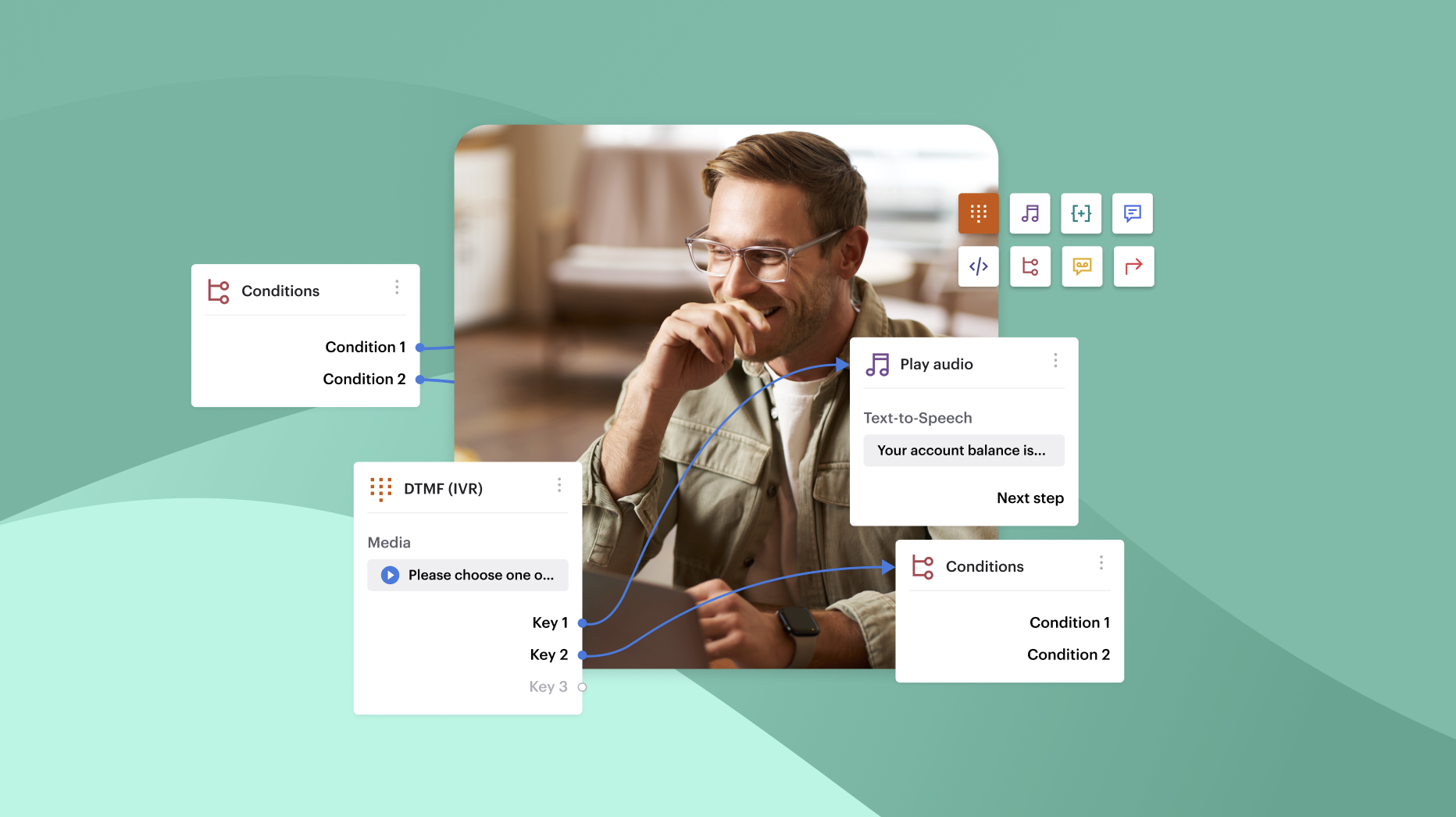
- Leveraging interactive voice response (IVR) systems to gather basic information upfront.
Plus, queue management keeps things organized during busy periods, while real-time agent availability tracking ensures calls go to someone who’s ready to help.
A skills database helps match calls to agents with the right expertise, and analytics tools track how well everything is working so you can keep improving your process.
Common types of call routing methods
- Skills-based: Calls go to agents with the right knowledge to handle specific issues, which is especially handy for support teams dealing with a wide range of customer needs.
- Time-based: Calls are routed based on the time of day or day of the week, which is useful for businesses operating across multiple regions or time zones.
- Round robin: Calls are distributed evenly among available agents to keep workloads balanced, ideal for teams handling similar types of inquiries.
- Least occupied: Calls are directed to the agent who’s been idle the longest, helping reduce wait times during high-volume periods.
- Geographic: Calls are routed based on where the customer is located, useful for businesses with regional teams or services tied to specific locations.
- Value-based: Calls from high-value customers are prioritized to ensure your best clients get fast, high-quality service.
- AI-powered: Uses artificial intelligence to determine the best routing path for each call, taking into account factors like inquiry type, caller history, and agent performance to maximize efficiency and customer satisfaction.
When these methods are set up thoughtfully, call routing turns into a powerful tool that keeps customers happier while making your team’s day-to-day work smoother and more organized.
Business Benefits of Intelligent Call Management
When done right, intelligent call management isn’t just about getting calls from point A to point B– it can be a game-changer for customer experience, team productivity, and your bottom line. By directing calls with purpose and precision, businesses can serve customers better, reduce operational headaches, and unlock new growth opportunities, all while keeping things running smoothly during busy periods.
Customer experience enhancement
Smart call routing directly improves how customers feel about your business:
- Reduced transfer frequency: Customers don’t get bounced from agent to agent, saving them frustration and building trust in your service.
- Faster issue resolution: Calls land with the agents best equipped to handle the issue, allowing problems to get solved quickly without unnecessary delays.
- Personalized service: Call routing can take customer history and preferences into account, making each interaction feel personal and relevant.
- Consistent experience: Whether customers call on a Monday morning or a Friday afternoon, they get reliably connected to the right resources every time.
- Reduced wait times: Intelligent routing ensures calls are handled as efficiently as possible, cutting down on unnecessary hold times.
Operational efficiency gains
Beyond making customers happy, intelligent call management helps your team work smarter:
- Optimized workforce utilization: Calls are matched with agents based on skill and availability, ensuring the right people handle the right issues.
- Reduced handle times: By connecting customers to the right person immediately, calls are resolved faster, freeing up your team for the next call.
- Lower abandonment rates: Better wait time management and routing reduce the chances customers will hang up out of frustration.
- Balanced workload distribution: Calls are spread out fairly across available staff, preventing burnout and ensuring consistent service levels.
- Decreased training costs: Since routing can direct calls to specialists, your team can focus on deep expertise rather than broad, generalist training.
Strategic business advantages
Advanced call management also delivers long-term business value:
- Resource optimization: Calls are routed through the most cost-effective channels while maintaining quality, helping control operational expenses.
- Revenue enhancement: Sales inquiries can be directed to your best closers, maximizing conversion rates and revenue opportunities.
- Service differentiation: You can offer premium routing options to high-value customers, enhancing loyalty and competitive positioning.
- Scalability improvement: Intelligent systems allow your business to handle spikes in call volume without needing to scale staff proportionally.
- Global capability: Smart routing helps maintain consistent quality across different time zones and regions, supporting international operations effortlessly.
Key Technologies Supporting Modern Call Distribution
Building an effective call routing system requires a layered approach using advanced technologies that ensure each caller is guided efficiently to the right destination, improving both customer experience and operational effectiveness. Here’s a closer look at the core technologies making this possible:
Interactive voice response IVR systems
Caller intent determination
Gathers clear details on why the customer is calling, allowing routing systems to direct them to the right place without unnecessary steps.
Self-service options
Enables customers to handle simple requests like checking balances, confirming appointments, or updating basic information without waiting for an agent.
Data collection
Collects important customer or case information (like policy numbers or ticket IDs) upfront, so agents can jump straight into helping without repeated questions.
Language preference identification
Quickly identifies a caller’s language needs, ensuring they’re connected to a representative who can assist them comfortably.
Authentication facilitation
Allows callers to verify their identity securely through the IVR, streamlining compliance while saving time when the call connects to an agent.
Automatic call distribution (ACD) platforms
Rules engine
Uses advanced logic to match callers with the best available agent based on factors like skillset, call type, and customer value, ensuring callers aren’t bounced around unnecessarily.
Real-time status monitoring
Tracks agent availability in real time to reduce wait times and route calls to the most suitable available representative.
Priority management
Recognizes and prioritizes urgent or high-value calls so they are handled quickly, improving customer trust and responsiveness.
Queue organization
Manages caller queues during high-volume times with structured workflows, providing updates on wait positions and reducing customer frustration.
Overflow handling
Activates backup routing plans when call volumes spike unexpectedly, ensuring customers continue to receive timely support even under pressure.
Customer relationship management (CRM) integration
Relationship history access
Pulls up a customer’s interaction history so agents can immediately understand previous issues, preferences, and context without repetitive questions.
Preference recognition
Identifies known customer preferences like preferred contact methods or previous agent interactions, so callers get a seamless, personalized experience.
Value-based decisioning
Routes calls differently for VIP customers or high-value accounts, ensuring priority handling and customized care where appropriate.
Issue pattern identification
Recognizes recurring issues across calls, helping route customers to specialized teams equipped to resolve complex or repeated problems.
Proactive service opportunities
Uses customer data to identify upsell or cross-sell opportunities, or to offer proactive support on likely needs, adding value while addressing customer issues.
Implementation Strategies for Call Distribution Success
Rolling out effective call distribution is much more than plugging in new software and hoping for the best. It needs intentional planning, collaboration across teams, and continuous refinement to ensure the system truly supports customer experience and operational efficiency.
1. Strategic planning approaches
Strong implementation starts with a clear look at where your organization currently stands. Teams should analyze existing call flows to understand how calls are currently routed, where bottlenecks occur, and what common issues slow down resolution.
From there, customer journey mapping helps visualize the ideal paths customers should take when contacting your business, allowing you to design routing that aligns with their needs, not just internal convenience.
Assessing the current skill levels and specialties of your representatives is also key, ensuring your distribution system matches calls to the right agents effectively. Analyzing call volume patterns over different days and times helps you anticipate high-traffic periods and prepare routing rules accordingly.
Finally, defining clear success metrics, like reduction in average handle time or improvements in first-contact resolution, gives your team a concrete framework to measure progress and prove ROI.
2. Distribution rule development
Once you have a clear plan, developing the routing rules that will guide your system is the next critical step. It’s often best to start simple, establishing straightforward routing paths that align with your highest-volume needs before layering on more complex logic. Keeping the customer experience at the forefront is essential, ensuring the rules support fast, accurate connections rather than simply reflecting internal departmental structures.
Planning for exceptions is equally important. Not every call will fit neatly into your primary rules, so having clear processes for unusual scenarios keeps your system flexible and customer-friendly.
Finally, distribution rule development should be seen as an ongoing process. By continuously reviewing call performance data and conducting A/B tests on different routing approaches, you can fine-tune your rules to reflect real-world patterns and evolving customer needs.
3. Agent training and adoption
Even the most sophisticated distribution system will fall flat without agent buy-in and thorough preparation. It starts with making sure that agent skill profiles are accurate and detailed so the system can confidently match calls to the right people. But agents also need to understand how to manage their status within the system, including keeping their availability updated in real time, so calls continue flowing to the best available representative throughout the day.
Helping agents see how these changes affect their daily routines is essential for building trust in the system and reducing resistance. When they know what to expect and why it matters, they’re more likely to embrace the process and use it effectively, which is where performance feedback comes in. By connecting agent metrics to call distribution outcomes, you give team members a clear view of how their actions directly influence the customer experience and overall efficiency.
Finally, call distribution isn’t a set-it-and-forget-it upgrade. Ongoing skill development, informed by the patterns and needs revealed through call routing data, helps agents stay prepared for the types of calls they handle most. This ensures your call distribution system isn’t just a technical improvement but a catalyst for continuous growth across your support team.
Measuring and Optimizing Call Distribution Performance
If you want your call distribution system to drive real results, measuring its effectiveness can’t be an afterthought. Tracking the right metrics and using them to guide improvements helps ensure your system continues to support both customer satisfaction and operational efficiency as your business evolves.
KPIs
Monitoring distribution effectiveness starts with clear, actionable metrics that reveal how well your system connects customers with the right help.
First-contact resolution (FCR)
Tracks how often customer issues are fully resolved without needing additional transfers, signaling the effectiveness of initial routing.
Average speed of answer (ASA)
Measures the time customers wait before speaking with the appropriate agent, indicating routing efficiency and customer experience impact.
Transfer frequency analysis (TFA)
Looks at how often calls require additional routing after the initial connection, revealing opportunities to improve your rules and agent matching.
Abandonment patterns
Tracks when and why callers disconnect during routing or while waiting, helping identify friction points that drive customer frustration.
Agent utilization balance
Assesses how evenly call volume is distributed across your team, ensuring workloads are managed fairly and preventing burnout.
Real-time management approaches
In addition to tracking trends over time, having real-time monitoring capabilities allows you to respond quickly when call distribution issues arise.
Visual dashboard implementation
Provides a clear, live view of call queues, routing status, and agent availability to spot issues immediately.
Threshold alert systems
Automatically notifies supervisors when metrics like wait times or abandonment rates cross acceptable limits, enabling fast intervention.
Dynamic rule adjustment
Allows managers to tweak routing rules in real time during unexpected spikes or system issues, maintaining service quality.
Volume prediction tools
Uses historical patterns and live data to forecast contact volume and adjust distribution strategies proactively.
Exception handling protocols
Establishes clear processes for dealing with unusual spikes or routing failures, ensuring issues are addressed without chaos.
Voice of customer integration
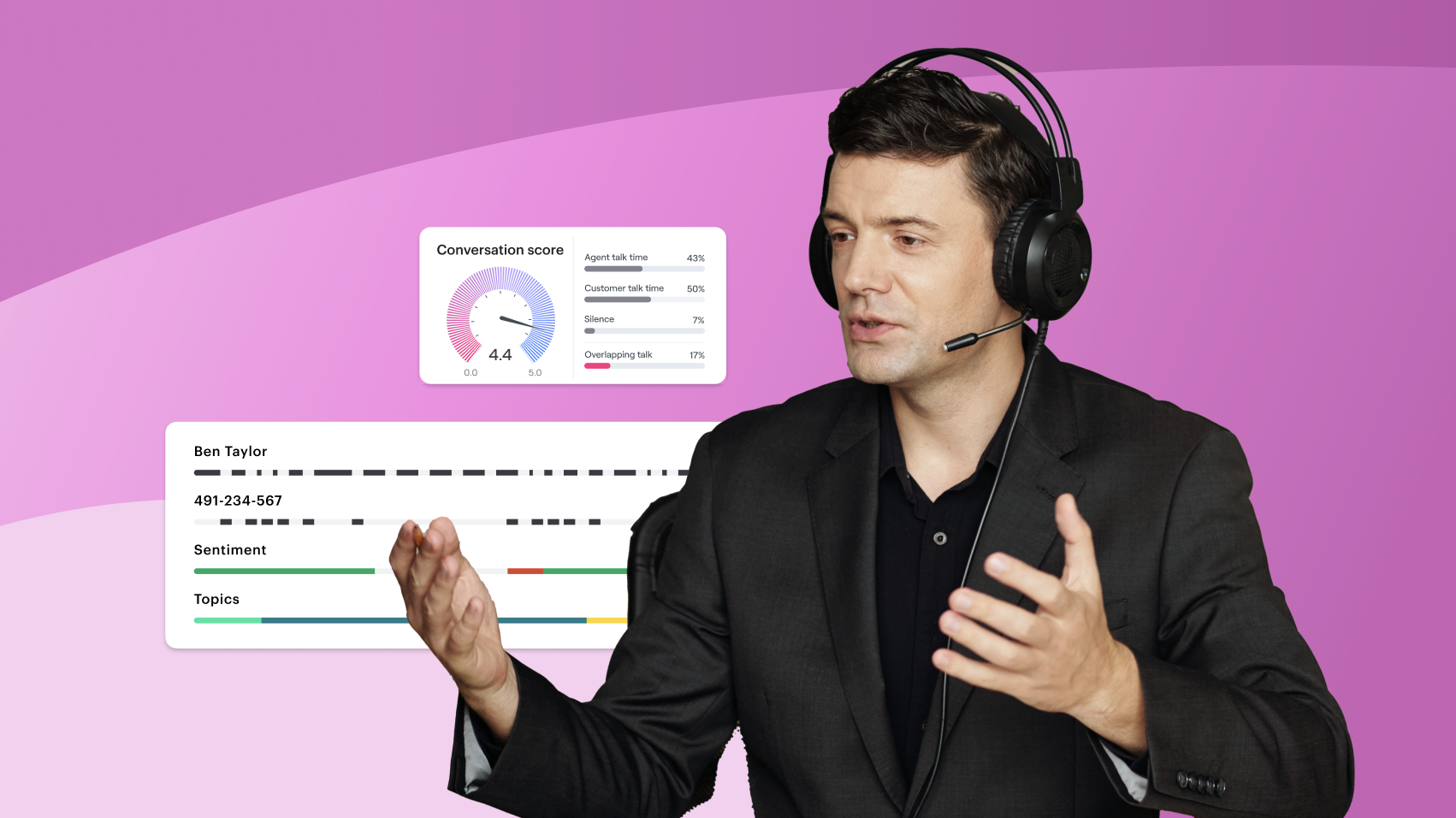
Metrics tell part of the story, but customer feedback reveals the experience behind the numbers. Incorporating the voice of your customers ensures your call distribution system aligns with their needs and expectations.
Post-call surveys
Collect immediate feedback on the customer’s experience, including perceptions of how well their call was handled and routed.
Routing experience questions
Ask customers specifically about the ease and appropriateness of their connection, not just overall satisfaction.
Transfer reason analysis
Dive into why customers are being transferred, identifying patterns that may indicate routing logic gaps.
Agent match perception
Evaluate whether customers feel they were connected with the right representative to handle their specific issue.
Improvement suggestion collection
Gather customer ideas for improving the routing experience, bringing in perspectives you may not have considered internally.
Industry-Specific Call Distribution Strategies
Call distribution isn’t one-size-fits-all. Different industries face unique customer needs, regulations, and operational challenges that require tailored approaches. Here’s a step-by-step look at how leading sectors structure their call routing for maximum effectiveness.
Financial services: Prioritize security and relationship value
Step 1: Build strong verification into your routing process
Security is critical in banking and insurance, so your system should verify caller identity early using IVR or authentication tools, before routing to sensitive transaction support.
Step 2: Use customer value to inform routing priorities
Segment your clients by relationship value, ensuring high-value customers get faster access to senior specialists while maintaining reasonable wait times for others.
Step 3: Route based on product and issue complexity
Insurance claims, loan applications, or investment questions often require subject matter experts, which is where sse skills-based routing can be used to ensure clients connect with representatives who can resolve their issues efficiently.
Step 4: Stay compliant with industry regulations.
Financial services have strict regulatory requirements. Ensure your distribution rules align with compliance guidelines while maintaining service quality.
Healthcare: Match urgency with specialized expertise
Step 1: Identify the clinical nature of each inquiry upfront
Use IVR or intake specialists to gather information on symptoms or needs, allowing for urgency and specialization assessment before routing.
Step 2: Route urgent care requests immediately
Establish protocols to prioritize emergencies, ensuring urgent patient needs bypass general queues and reach the appropriate medical team without delay.
Step 3: Use patient history to guide connections
Integrate EHR or CRM data with your distribution system so repeat patients or complex cases connect with representatives familiar with their history.
Step 4: Align routing with insurance and compliance needs
Certain calls may require insurance verification or regulatory checks. Route these to agents with the necessary expertise to handle compliance while maintaining care quality.
Retail and e-commerce: Enhance the buying experience
Step 1: Separate order-related and general inquiries
Identify calls regarding order statuses or returns early and route them to representatives with system access to resolve them efficiently.
Step 2: Match product inquiries with knowledgeable staff
If your products require specialized knowledge, use skills-based routing so customers connect with agents who can confidently answer their questions.
Step 3: Prepare for seasonal volume spikes
Retail experiences fluctuating demand, especially during sales seasons, so make sure you adjust your distribution settings to dynamically allocate resources where needed most.
Step 4: Prioritize purchase-ready customers
Identify callers showing purchase intent and route them to sales specialists to maximize conversion opportunities while ensuring they receive knowledgeable, persuasive support.
Step 5: Integrate across channels for a seamless experience
Allow customers who start online chats or email inquiries to continue their conversations by phone without repeating themselves, ensuring consistency across touchpoints.
Future Trends in Call Distribution
The world of call distribution isn’t standing still. As technology advances and customers expect faster, more personalized service, the way businesses handle incoming calls is evolving rapidly. Here’s a look at the trends set to redefine how we connect with customers in the years ahead.
AI takes the lead
Artificial intelligence is moving from a “nice-to-have” to the backbone of smart call distribution by predicting who the best agent is for each caller before the call even connects. With predictive routing algorithms, AI analyzes customer history, call reasons, and real-time factors to make the best match instantly.
Natural language processing (NLP) goes even further: instead of forcing customers through endless menus, AI can understand a caller’s needs in their own words, getting them where they need to go faster. Add sentiment analysis into the mix, and now your system can detect frustration or urgency in a caller’s voice, routing them to agents who can handle delicate conversations calmly.
We’re also seeing behavioral and communication style matching, pairing callers with agents who are more likely to connect with them based on past interactions and personality cues.
This isn’t science fiction– it’s quickly becoming the norm for companies that want to maximize first-call resolution while delivering a human experience at scale.
True omnichannel coordination
Customers don’t care about your channels; they care about getting help quickly, wherever they are. The future of call distribution lies in true omnichannel coordination, where customers can start a conversation via chat, move to email, and finish by phone without repeating themselves.
Cross-channel journey recognition allows businesses to see the customer’s entire path, so the context is always clear. Consistent routing logic across channels ensures customers receive the same level of service whether they call, text, or email. And when customers need to switch methods, smooth channel transitions will let them do so without friction.
As businesses unify interaction history and learn preferred channel intelligence, they can route customers to the right agent on the customer’s preferred method, creating a seamless experience that feels personal, not transactional.
The rise of personalization
The next chapter in call distribution is all about personalization. Future systems will learn customer preferences automatically, adapting routing based on past choices and behaviors. If a customer had a positive experience with a specific agent previously, representative matching can even reconnect them to continue that rapport.
Systems will also adapt communication styles based on customer behavior, ensuring that the conversation tone and complexity match the caller’s expectations. With proactive contact management, businesses can even anticipate needs and reach out before a small issue turns into a major problem.
Ultimately, these personalization advancements enable relationship-based routing, where every call isn’t just a transaction but a continuation of an ongoing, valued relationship.
Turning Call Distribution into your Competitive Edge
Call distribution is no longer just a background process. It’s a vital part of the customer experience that can make or break your business reputation. By embracing smarter technologies and forward-thinking strategies, companies can transform how they connect with customers, making every interaction faster, smoother, and more personalized.
The future belongs to businesses that don’t settle for simply answering calls but strive to understand, predict, and meet customer needs at every touchpoint. Whether through AI-powered routing, seamless omnichannel journeys, or truly personalized connections, intelligent call distribution turns what was once a logistical challenge into a powerful tool for loyalty, efficiency, and growth.
Toda, your call distribution system isn’t just a cost center, it’s a strategic advantage waiting to be unlocked. Start investing in smarter routing today, and watch your customer satisfaction soar, your teams become more effective, and your business thrive.
Further Reading