

But here’s the catch: pricing is a mixed bag. Some providers charge a few dollars a month; others can run into the hundreds depending on features and call volume. And if you don’t know what to look for, it’s easy to overpay or end up with a number that doesn’t meet your needs.
So we’ve broken it all down: what virtual numbers really are, what impacts their cost, and how to find the best fit (and price) for your business use case.
Key Takeaways
- Virtual number costs vary widely, from $10 to $100+ monthly depending on number type (local, toll-free, international), usage volume, and feature set.
- Common pricing models include pay-as-you-go (flexible but can get expensive with usage) and monthly subscriptions (predictable, often bundled with features).
- Watch for hidden fees: setup charges, overages, porting fees, and premium support add-ons can inflate costs. Always check the fine print.
- Choose based on use case: solo users and small teams can save with lean plans, while growing businesses benefit from enterprise features like call analytics, IVR, and CRM integrations.
What Is a Virtual Number and How Does It Work?
A virtual number is basically a phone number that lives in the cloud. Unlike traditional landlines, it’s not tied to a specific location, SIM card, or device. You can make and receive calls using an app, a softphone, or by forwarding calls to another number. It works over VoIP (Voice over Internet Protocol) or sometimes via traditional telecom networks.
Its flexibility makes it a favorite for remote teams, global businesses, and anyone who wants to keep work and personal calls separate without juggling two phones.
Key benefits that influence pricing
Not every virtual number is the same, and neither are the prices.
The more powerful the system, the more you can expect to pay. If you’re just looking for a basic number to forward calls, you’ll pay far less than someone who needs advanced features like:
- Voicemail that lands in your email inbox.
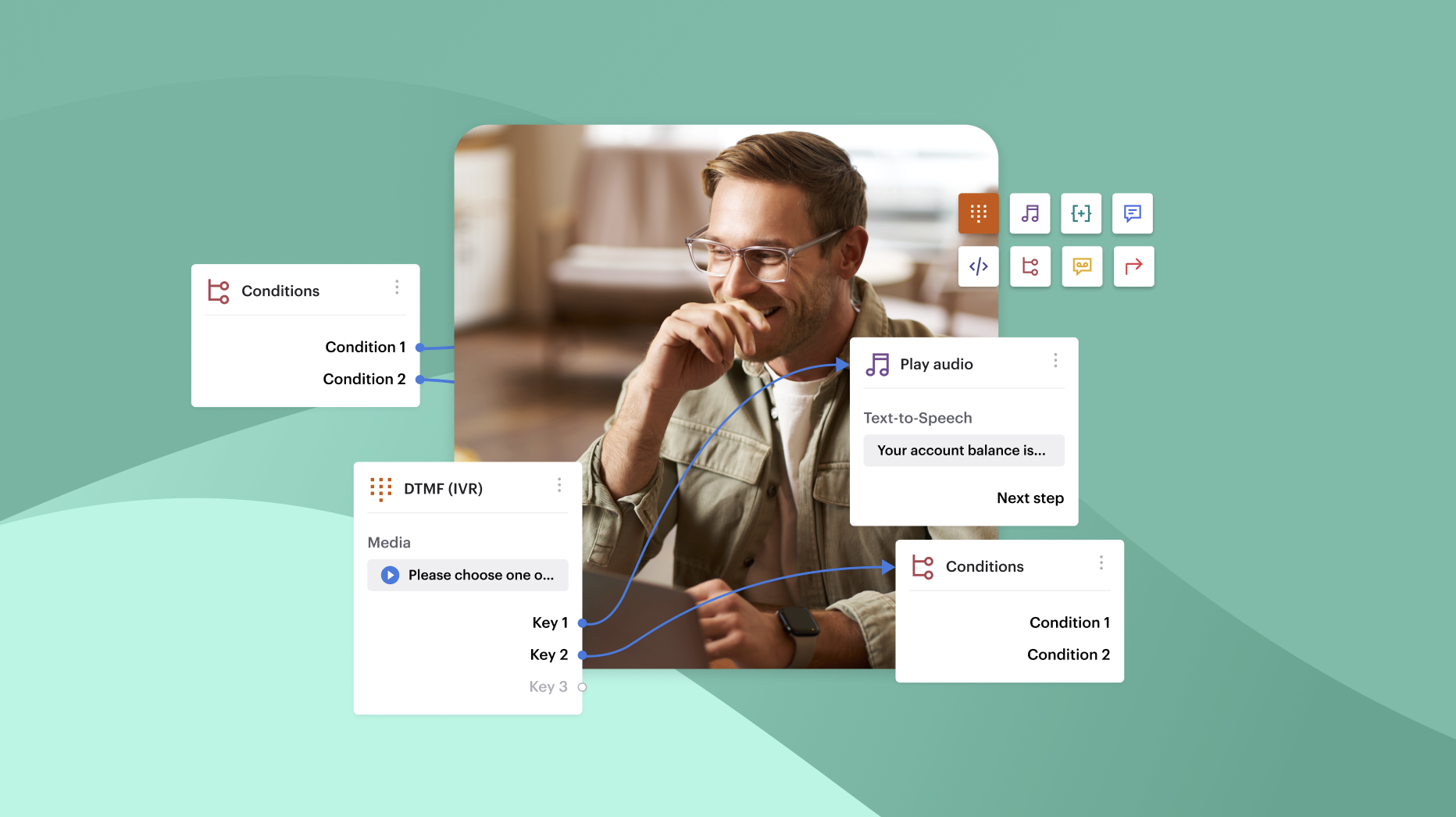
- Custom IVR menus (press 1 for sales, press 2 for support…).
- SMS functionality.
- CRM or helpdesk integrations.
Virtual numbers are also super easy to scale up or down as your team grows, and if you’re running support in multiple regions, you can get local numbers in each market, which can help boost pickup rates and trust.
Factors That Influence the Cost of a Virtual Number
Let’s break down what actually affects the price you’ll pay. It’s not just the provider you choose, it’s the number type, how much you use it, and which features you need.
Type of number
Different types of virtual numbers come with different price tags:
- Local numbers are usually the most affordable, especially for domestic use.
- Toll-free numbers give customers a free way to reach you, but inbound calls are charged to you, which can add up with high volume.
- International numbers vary widely in cost based on the country as some regions are dirt cheap, while others are much pricier.
- Vanity or custom numbers (like 1-800-PLUMBER) are premium options and often come with a premium price.
Usage volume and call type
How much you use your virtual number (and how you use it) makes a big difference in cost:
- Per-minute billing vs unlimited plans: Some providers charge for every call minute; others offer unlimited domestic calling for a flat monthly rate.
- Domestic vs international calls: Calling local numbers is cheap, but calling abroad? That’s where rates spike.
- Inbound vs outbound: In some cases, receiving calls costs less than making them, especially if you’re using toll-free or international lines.
Features and add-ons
This is where pricing gets more complex and where many businesses overspend.
Basic plans may cover just the essentials. But if you need IVR menus, call routing, call recording, voicemail transcriptions, SMS support, or CRM integrations, those are usually part of a higher-tier plan or charged as add-ons.
Providers typically offer two models:
- Pay-as-you-go, where you only pay for what you use
- Bundled feature sets, where you pay more upfront but get everything included
Choosing the right setup depends on how you use the number day to day, and whether you expect that to change as you grow
Common Virtual Number Pricing Models
When it comes to pricing, virtual numbers aren’t one-size-fits-all. Providers typically offer a few different models depending on how you plan to use the number, and how predictable your usage is. Here’s a quick breakdown of the most common setups:
Pay-as-you-go
Pay-as-you-go is the most flexible model out there. There’s no long-term contracts, and you only pay for what you actually use, whether it’s calls or texts.
It’s a great option if you’re just starting out, run seasonal campaigns, or want to test the waters before committing. Just keep an eye on the per-minute and per-text rates as those can stack up fast with higher usage.
Monthly subscription
Most businesses eventually move to a monthly subscription model. You pay a flat fee per number or user each month, and in return, you typically get:
- A bundle of minutes or messages.
- Access to standard features like voicemail, call forwarding, or basic IVR.
- Customer support and admin tools.
It’s predictable, easy to budget for, and scales well for growing teams. Just be sure to check what’s actually included; some “basic” plans might lack must-haves like call recording or SMS support.
Enterprise or custom plans
If you’re running a contact center, managing large-scale campaigns, or juggling a dozen international numbers, you’ll probably need an enterprise plan. These are built for scale and often include:
- Custom pricing based on usage and number volume.
- Dedicated account support.
- Advanced analytics, compliance options, and integrations.
They’re not always advertised on the provider’s website and you usually have to speak with a sales rep. But if you’re doing serious volume, it can be the most cost-effective (and hassle-free) way to go.
Setup and Hidden Costs You Should Watch For
Here’s the part no one talks about in the shiny product brochure: setup costs and sneaky fees. Depending on the provider, you might run into a few unexpected charges during or after onboarding. Here’s what to look out for.
One-time setup or activation fees
Some providers charge a one-time fee just to activate your virtual number. It’s usually a small amount (think $1 to $10 per number) but it adds up when onboarding in bulk.
Also, if you’re planning to port in an existing number, there might be additional fees or administrative steps involved. Always ask upfront to avoid surprises.
Number portability and transfer charges
Switching providers? That might cost you, too. Some platforms charge a port-out fee when you move your number to another service. And depending on how they handle porting, you could face downtime, which can be a dealbreaker if you’re running a customer-facing line.
Also, read the fine print around contracts—some providers lock you in or make it difficult to transfer numbers once you’re in their system.
Overages and premium support
Even with a subscription plan, there are limits: go over your included minutes or messages, and you might face overage fees. They can vary wildly between providers and can inflate your bill quickly.
Want access to a live support agent or compliance add-ons like HIPAA or GDPR tools? That might be an extra charge too, especially if you’re on a lower-tier plan.
Virtual Number Provider Pricing Comparison
| Provider | Starting price | Included usage | International availability | Advanced features |
| Voiso | Custom pricing (business-tier) | Varies by plan | Yes | IVR, analytics, CRM integrations |
| CloudTalk | ~$30/month | Includes minutes | Yes | Call routing, analytics, integrations |
| OpenPhone | $13/month | 1 number, calling & texting | Limited | Shared inbox, integrations, voicemail-to-email |
| Dialpad | $15/user/month | Unlimited US/CA calls | Yes | Voice AI, analytics, integrations |
| Grasshopper | From $26/month (1 number) | Varies by plan | Limited | Call forwarding, voicemail, basic analytics |
Cost vs Value: What Are You Really Paying For?
Features that justify higher prices
Virtual number plans can differ hugely between providers. Higher-priced options usually bring advanced features that small or basic plans simply can’t match, like smart call routing that directs calls based on time or location, seamless access across multiple devices, and powerful analytics dashboards that let you monitor call performance in real time.
If you’re running a customer-facing team, tools like call tracking, CRM integrations, and support-friendly features (like call whisper or live transfer) are often worth the extra spend. And they’re not just bells and whistles; they’re what help teams move faster and serve customers better.
Budget-friendly options for small teams or freelancers
If you’re flying solo or just getting started, you might not need all the bells just yet. Plenty of providers offer lean virtual number plans focused on essentials: basic calling and texting, one number, no integrations. They’re great for freelancers, side hustles, or small teams needing a reliable presence without a big monthly bill.
Temporary or low-volume use cases, like seasonal campaigns or testing new markets, can also benefit from simpler, lower-cost plans without committing to a long-term contract.
Making the Right Investment in Virtual Numbers
Virtual number pricing isn’t one-size-fits-all. It depends on what you need, how often you’ll use it, and which features matter most to your team. From the type of number (local, toll-free, or international) to the depth of analytics and integrations, every feature adds value, but also cost.
If you’re a startup or small business, start by matching must-have features to your current stage. For growing teams, focus on scalability, support, and automation. And no matter your size, always keep an eye out for hidden fees, usage caps, and lock-in contracts.
When in doubt? Look for transparent pricing, free trials, and flexible plans that grow with your business.
FAQs
Do virtual numbers have hidden fees not shown in base pricing?
Sometimes, yes. Common ones include activation fees, call overages, SMS limits, number porting charges, and costs for premium support. Always read the fine print.
Can I get a virtual number for free?
Some platforms offer free trials or limited-feature numbers, but fully free virtual numbers for business use are rare and usually come with restrictions.
Is there a difference in cost between VoIP numbers and mobile virtual numbers?
Yes. VoIP numbers often come with lower costs and more flexible pricing, while mobile virtual numbers (especially SMS-enabled ones) may carry higher fees depending on region and use case.
How much does it cost to port an existing number into a virtual system?
Porting fees range from $0 to $20+, depending on the provider. Some waive the fee as part of onboarding, especially for business plans.
Are international virtual numbers more expensive to maintain?
Generally, yes. Costs vary by country and whether the number is local, toll-free, or mobile. Maintenance fees and usage rates tend to be higher than domestic numbers.
What’s the cheapest way to get a virtual number for SMS only?
Look for platforms that offer SMS-only plans or app-based numbers (like OpenPhone or Twilio) with minimal calling features. These are usually the most cost-effective for messaging needs.
Further Reading