All Products

.svg)




Let’s break it down in a clear, practical way so you can choose the tool that saves your team time without sacrificing customer experience.
Key Takeaways
- Auto dialers dial numbers one at a time and connect calls immediately to agents, ideal for small teams focused on personalized outreach.
- Predictive dialers proactively dial multiple numbers using smart algorithms to maximize agent talk time and are best for high-volume outbound operations.
- Predictive dialers increase efficiency but can raise call abandonment rates if not properly managed, requiring stricter compliance monitoring.
- Auto dialers offer simplicity and lower risk, while predictive dialers offer greater scalability and productivity for large sales or call center teams.
- Both systems support CRM integration, call scripting, and analytics, but predictive dialers typically include more advanced routing and AI-driven insights.
- Choosing the right dialer depends on your team size, outreach goals, and compliance needs, auto for simplicity and control, predictive for speed and scale.
What are Auto Dialers and Predictive Dialers?
Auto dialer
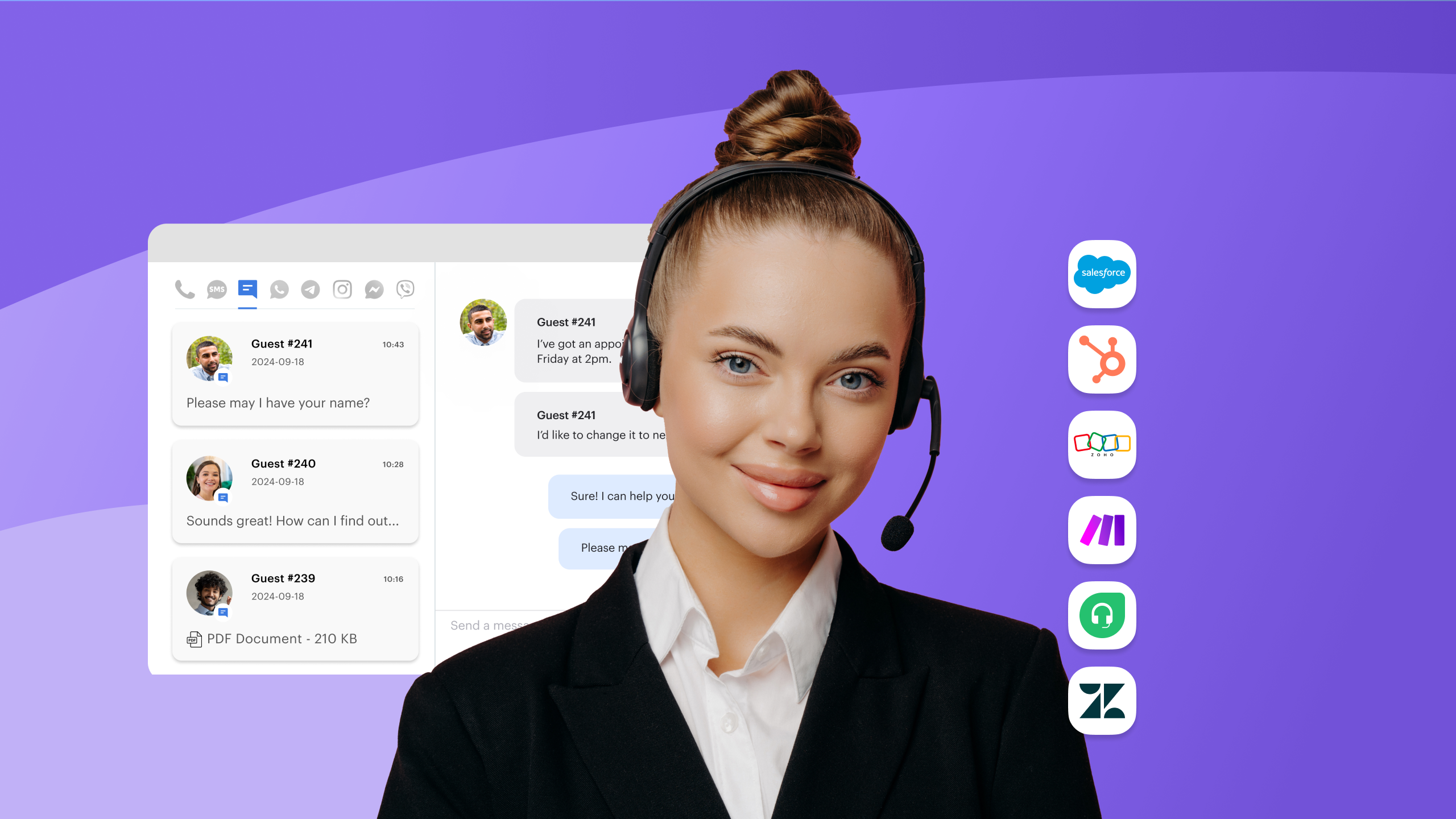
Think of an auto dialer as a digital assistant that dials numbers for your team, one by one, from a predefined list. When a customer picks up, the call is instantly handed over to an agent, ready to go. Auto dialers are perfect for smaller teams running appointment confirmations, simple outbound follow-ups, or campaigns where you don’t need to dial at a high volume. Essentially, they remove manual dialing while keeping things straightforward and easy to manage.
Predictive dialer
Now, imagine a system that doesn’t just dial but predicts when your agents will be free, dialing multiple numbers in advance to ensure there’s always a call ready when they finish the last one; that’s what predictive dialers do. Using algorithms and historical call data, they minimize idle time between calls and are designed for high-volume outbound operations like lead generation, collections, or large-scale sales campaigns. The goal? Keeping your agents talking instead of waiting.
Core Differences Between Predictive and Auto Dialers
Dialing mechanism
The biggest difference is how each tool handles dialing: auto dialers move at a steady, fixed pace, one call at a time, while predictive dialers make multiple calls simultaneously based on your agents’ availability and answer rate patterns, aiming to maximize talk time.
Call connection timing
With auto dialers, calls connect to an agent immediately once someone answers, ensuring a smooth handoff. Predictive dialers, though, sometimes connect calls before an agent is ready, which can lead to a slight delay or even a dropped call if no agent is free, which can be the tradeoff for maximizing efficiency.
Call abandonment rate
Predictive dialers can increase call abandonment rates if they aren’t configured properly, dialing too aggressively without enough agents ready to take the calls. Auto dialers, while less efficient in terms of volume, maintain a lower abandonment rate because they dial fewer calls at a time and only when an agent is available.
Regulatory considerations
Both dialer types must follow regulations like TCPA (US) or Ofcom (UK) that limit the number of abandoned or silent calls. Modern predictive dialers often include compliance tools that manage pacing to avoid crossing regulatory thresholds, but they require careful monitoring to avoid fines.
Everything your team needs in one platform
Use Cases and Ideal Scenarios
When to use an auto dialer
Auto dialers are well-suited to small outbound teams that prioritize direct agent-to-customer interaction over volume. They’re perfect for appointment reminders, payment collection, customer surveys, and other low call volume campaigns where a personalized, consistent connection matters more than high-speed dialing.
When to use a predictive dialer
Predictive dialers are built for high-volume sales, lead-gen campaigns, and large call centers looking to squeeze the most productivity out of every minute. If you’re handling time-sensitive follow-ups, political outreach, or large-scale cold calling, a predictive dialer can keep your agents talking instead of waiting, ensuring your pipeline stays active and efficient.
Feature Comparison: Predictive vs Auto Dialers
| Feature | Predictive | Auto |
| Efficiency & talk time | Maximizes agent utilization, reduces idle time, dials multiple numbers proactively | Straightforward dialing, lower productivity optimization |
| CRM & workflow integration | Advanced routing, AI insights, deep CRM integrations | Syncs with CRM for contact lists and call logs |
| Call monitoring & analytics | Real-time dashboards, call recording, compliance tools | Similar monitoring and recording capabilities |
Choosing the Right Dialer for Your Business
Key decision factors
Before committing, consider your team size, industry, campaign type, and compliance requirements: are you a small team doing personalized outreach, or a large operation that needs to keep the calls flowing all day?
Think about your sales cycle complexity and the urgency of your outreach goals to help steer your decision.
Costs and scalability
Auto dialers are quicker to deploy and easier to manage, making them ideal for teams with straightforward needs. Predictive dialers, while requiring a bit more configuration, are more scalable and deliver stronger ROI over time for large teams running aggressive outreach campaigns.
FAQs
Can predictive dialers be used for inbound calls too?
Predictive dialers are designed for outbound calling, but many platforms combine them with inbound routing features for blended call handling.
How do predictive dialers calculate agent availability?
They use algorithms that analyze talk time, wrap-up time, and answer rates to predict when an agent will be free before dialing the next call.
What’s the legal call abandonment threshold under TCPA or Ofcom rules?
Typically, the acceptable abandoned call rate is under 3% of live calls over a 24-hour period to remain compliant.
Do all predictive dialers support CRM integrations?
Most modern predictive dialers offer CRM integrations, but it’s best to verify your CRM compatibility before choosing a platform.
Is it possible to switch from an auto dialer to a predictive dialer later?
Yes, many businesses start with an auto dialer and upgrade to a predictive dialer as their team and call volume grow.
Can I customize call scripts or routing in both dialer types?
Absolutely; both dialer types typically allow you to set up call scripts, disposition codes, and basic routing workflows.
Are predictive dialers suitable for remote call center agents?
Yes, cloud-based predictive dialers can support distributed teams, ensuring agents can connect from anywhere with a stable internet connection.
How can I test a dialer system before full deployment?
Most vendors offer demos, free trials, or sandbox environments so you can test call flows, pacing, and CRM integrations before going live.
Further Reading