

And it’s not just about keeping up with technology for technology’s sake. VoIP offers a blend of cost efficiency, flexibility, and advanced features that traditional phone systems simply can’t match, especially for businesses looking to grow without ballooning overhead costs.
If you’re a small business owner looking to modernize your communication systems without overcomplicating your workflow or draining your budget, this guide is for you. We’ll break down what VoIP is, why it matters, and how you can choose the best provider for your business needs.
Key Takeaways
- VoIP enables small businesses to reduce communication costs while gaining flexibility, mobility, and advanced call features that traditional systems can’t match.
- Top VoIP benefits include lower phone bills, support for remote/hybrid work, CRM integration, voicemail-to-email, call analytics, and easy scalability.
- Providers like Voiso, RingCentral, Zoom Phone, Nextiva, Grasshopper, Dialpad, and Vonage offer various solutions tailored to different small business needs, from solopreneurs to scaling teams.
- Choosing the right VoIP provider means evaluating pricing, features (auto-attendants, call routing, mobile access), onboarding support, and integration with existing tools.
- Cloud-based VoIP is ideal for most small businesses due to its ease of setup and low maintenance, but on-premise systems may suit businesses with compliance or control needs.
- Switching to VoIP is simple with proper network prep, number porting, and provider support, most systems are plug-and-play with mobile and desktop compatibility.
- VoIP myths (poor call quality, complexity, or lack of security) are outdated, modern VoIP is reliable, intuitive, and secure with the right setup.
What Is a VoIP System and How Does it Work?
The basics
VoIP, or Voice over Internet Protocol, is a technology that allows you to make phone calls over the internet instead of using traditional phone lines. Rather than sending your voice as an analog signal through copper wires, VoIP converts your voice into digital data and transmits it over your internet connection.
In simple terms, if you can stream a video or send an email, you can make a call using VoIP. It’s a game-changer for small businesses as it removes the limitations of physical phone lines while reducing costs and adding flexibility.
Key components of a VoIP system
A VoIP system typically includes:
- Hardware: You can use VoIP-enabled desk phones, headsets, or even your existing smartphones and computers.
- Software: Softphones (apps that allow you to make calls from your computer or mobile device) and browser-based calling tools let your team handle calls anywhere with Wi-Fi.
- Internet connectivity: A stable internet connection is essential for clear call quality, but there’s no need for complex wiring or on-site PBX hardware.
With these components, your small business can create a professional communication setup without heavy upfront investments or technical headaches.
Benefits of Using VoIP for Small Businesses
Switching to VoIP sets your business up for success in a digital-first world. Here’s how:
- Reduced operational costs: VoIP plans often cost less than traditional phone lines, with many providers offering unlimited domestic calling and low international rates.
- Remote and hybrid work support: Whether your team is in the office, working from home, or traveling, VoIP enables seamless communication across devices.
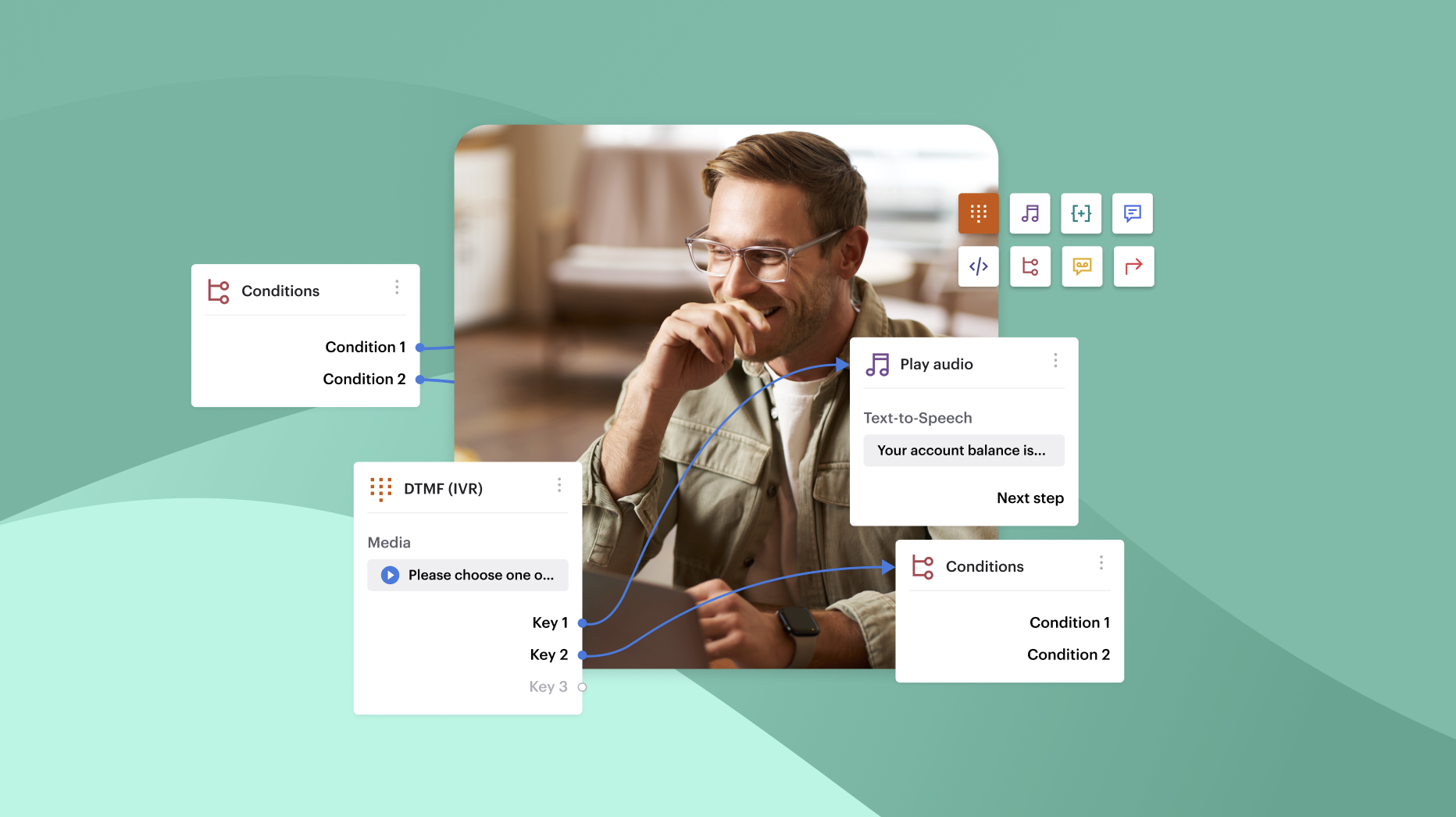
- Advanced features: Tools like voicemail-to-email, automated call routing, call recording, and even virtual receptionists give your small business the capabilities of a large enterprise.
- Scalable plans: As your team grows, you can easily add new lines or users without the hassle of rewiring or installing additional hardware.
- Integration with CRMs and apps: VoIP systems often integrate with your existing CRM, helpdesk, or collaboration tools, streamlining workflows and improving customer interactions.
What to Look for in a Small Business VoIP Provider
Not all VoIP services are created equal, and the right choice depends on your business’s unique needs and goals. Let’s look at what you should evaluate when considering a provider.
Pricing and contract flexibility
Look for providers that offer transparent monthly rates with options for pay-as-you-go or discounted annual plans. Check if there are any hidden fees for setup, porting numbers, or additional features, and ensure you understand any call usage caps that could affect your costs.
Features and functionality
Always assess which features align with your workflow; there’s no point in going with the provider that includes all the bells and whistles if you really only need a few features. But the most common ones to consider include:
- Auto-attendant and IVR for routing calls
- Call forwarding and transferring for managing inbound calls
- Mobile apps and browser-based calling for remote work
- Call analytics and recording for quality control and training
The best VoIP providers offer all of these tools in intuitive dashboards without overwhelming your team.
Support and reliability
Your business depends on consistent communication, so uptime guarantees and service level agreements (SLAs) matter. Look for:
- 24/7 customer support with live chat and phone options
- Onboarding assistance and migration support for moving from your current system
- Training resources to help your team make the most of your new VoIP system
Ease of use and setup
You don’t want to spend weeks getting a new phone system up and running, so look for plug-and-play VoIP solutions that allow you to get started quickly. And if they include intuitive admin dashboards for managing users, settings, and call flows, even better.
Plus, check for third-party integrations with your CRM, helpdesk, or other tools to keep your workflows efficient and unified.
Best VoIP Solutions for Small Businesses in 2025
With so many VoIP providers out there, choosing one can feel overwhelming. Here’s a quick look at some of the best options for small businesses this year and why each one might be the right fit for you.
-
Voiso
Voiso is a cloud-based VoIP platform designed for scalability. It’s packed with smart features like AI-powered call routing and detailed call analytics, helping growing teams automate routine tasks and focus on what matters most — their customers.
Best for: Small businesses planning to scale quickly and looking for built-in automation.
-
RingCentral
RingCentral is an all-in-one UCaaS (Unified Communications as a Service) solution. It combines voice, video, messaging, and file sharing into one neat platform with powerful mobile and desktop apps, making it a great option for hybrid teams that need to stay connected wherever they work.
Best for: Small businesses with a hybrid workforce that want voice and team messaging under one roof.
1. Zoom Phone
If you’re already running meetings on Zoom, adding Zoom Phone is a no-brainer. It’s built right into the familiar Zoom interface, so your team won’t face a steep learning curve. It’s a bit more basic than some other options, but it covers the essentials.
Best for: Small businesses already using Zoom for meetings and looking for a simple phone add-on.
2. Nextiva
Nextiva combines a solid VoIP phone system with built-in CRM and call management tools. You can customize how calls are routed and handled, which makes it popular with service-heavy businesses that juggle lots of customer interactions every day.
Best for: Small businesses with a strong customer service focus and teams that need an integrated CRM.
3. Grasshopper
Grasshopper keeps things simple and mobile-friendly. It’s designed with freelancers and solopreneurs in mind, giving you a professional business number that works from your smartphone without needing extra hardware.
Best for: Solo operators or startups who want a separate business line without the hassle.
4. Dialpad
Dialpad stands out with its AI-powered voice intelligence, which includes live transcription and speech analytics. If you want to capture call data and dig into customer conversations, Dialpad offers powerful tools without getting overly complex.
Best for: Tech-savvy startups or small teams who want next-level voice insights.
5. Vonage
Vonage has built a reputation for solid call quality and flexible plans. It’s a good fit for small businesses that do a lot of international calling or need customizable add-ons and integrations with tools like Salesforce or Microsoft Teams.
Best for: Businesses with global clients or teams needing lots of integration options.
VoIP Pricing Comparison Table
| Provider | Monthly cost (per user) | Included minutes | International rates | Free trial/money-back guarantee |
| Voiso | Custom pricing (usually between $25-$40) | Unlimited domestic (varies by plan) | Competitive, tailored for call centers | Free demo and onboarding session |
| RingCentral | $20-$35 (Essentials to Premium) | Unlimited US/Canada | Starting ~$0.03/min (varies by country) | 15-day free trial |
| Zoom Phone | $10-$20 | Unlimited US/Canada (metered plans available) | Low rates, global calling add-ons | 30-day free trial |
| Nextiva | $20–$35 | Unlimited US/Canada | Starts ~$0.02–$0.05/min | 7-day free trial, 30-day money-back guarantee |
| Grasshopper | $29–$89 (per account, not per user) | Unlimited within US | Not ideal for heavy international calling | 7-day free trial |
| Dialpad | $15–$30 | Unlimited US/Canada | Starting ~$0.02/min | 14-day free trial |
| Vonage | $19–$40 | Unlimited US/Canada | Competitive, flexible add-ons | 14-day free trial |
On-Premise vs. Cloud-Based VoIP: What’s Better for Small Businesses?
Most small businesses today lean toward cloud-based VoIP because it’s easier to set up, manage, and scale. There’s no need for expensive on-site servers or dedicated IT staff, and updates and maintenance happen automatically in the background.
That said, there are still situations where an on-premise PBX system might make sense, like if you have strict compliance requirements or need complete control over your call data. Just keep in mind the added costs for equipment, maintenance, and IT expertise. Read more here.
Common VoIP Features That Add Value to Small Teams
Modern VoIP systems offer more than just making and receiving calls. Here are a few features that small teams love:
- Auto-attendant: Routes calls to the right person without a live receptionist.
- Voicemail-to-email: Sends voice messages straight to your inbox.
- Conference calling & screen sharing: Makes team meetings and client calls smoother.
- Mobile access & call flipping: Lets you switch calls between devices without dropping.
- Real-time analytics: Tracks call performance and team productivity.
These tools make your phone system feel more like a productivity hub than just a phone.
Security and compliance considerations
Security should always be part of the conversation, and good VoIP providers use strong encryption standards to protect your calls and data. If you’re in an industry with specific regulations, like GDPR, HIPAA, or you’re a financial institution, make sure your provider can help you stay compliant.
Also, check that you can manage secure user access, set permissions, and monitor activity to avoid unauthorized usage.
How to Switch to VoIP Without Disrupting Your Business
VoIP number porting
One of the first things small businesses ask is, “Can we keep our current business numbers?” The answer is usually yes. Most VoIP providers handle number porting for you; just be aware it can take a few days to complete, so plan accordingly.
Network and bandwidth preparation
VoIP depends on your internet connection, so make sure your network has the speed and stability to handle calls without lag or dropped connections. Your provider can usually recommend the minimum upload/download speeds you’ll need for smooth calling.
Employee training
Finally, make sure your team knows how to use your new VoIP system. Most providers offer tutorials, onboarding sessions, or live support to help everyone get comfortable quickly.
VoIP Myths and Misconceptions
Let’s clear up a few common myths:
- “VoIP has bad call quality.” — Not true if your internet is solid and your provider is reputable.
- “It’s too technical for small businesses.” — Modern VoIP is plug-and-play. No need for in-house IT teams.
- “It’s not secure.” — With the right provider and proper setup, VoIP can be just as secure as any other digital tool.
Future Trends in VoIP for Small Businesses
VoIP is only getting smarter. Expect to see more AI-driven voice tools that automate tasks like note-taking and sentiment analysis. Unified Communications as a Service (UCaaS) will keep blending voice, video, chat, and file sharing into single platforms, and integrations with your favorite SaaS tools will get even smoother, saving you time and clicks every day.
Which VoIP Provider Is Right for Your Business?
VoIP gives small businesses a modern, affordable, and flexible way to stay connected. As you compare providers, think about your budget, must-have features, and how your team works day to day.
Most providers offer free trials or money-back guarantees, so take advantage and test-drive a few options before committing. The right VoIP system will help you save money, scale easily, and stay competitive as you grow.
FAQs
What’s the difference between VoIP and a virtual phone number?
A virtual phone number forwards calls to existing phones, while VoIP is a complete phone system you run over the internet.
How do VoIP providers ensure high call quality during peak hours?
Most providers use advanced network management and redundant data centers to keep call quality stable.
Can VoIP systems be used without dedicated desk phones?
Yes — many small businesses use softphones (apps) on computers or smartphones instead.
Is it possible to use VoIP while travelling or working abroad?
Absolutely. As long as you have a stable internet connection, you can make and receive calls just like you’re in the office.
How long does it typically take to set up a VoIP system?
Most setups take just a few hours to a few days, depending on number porting and training needs.
Are there VoIP options tailored to very small teams (1–3 users)?
Yes — providers like Grasshopper are built for freelancers and micro-teams who want a simple, professional solution.
Further Reading