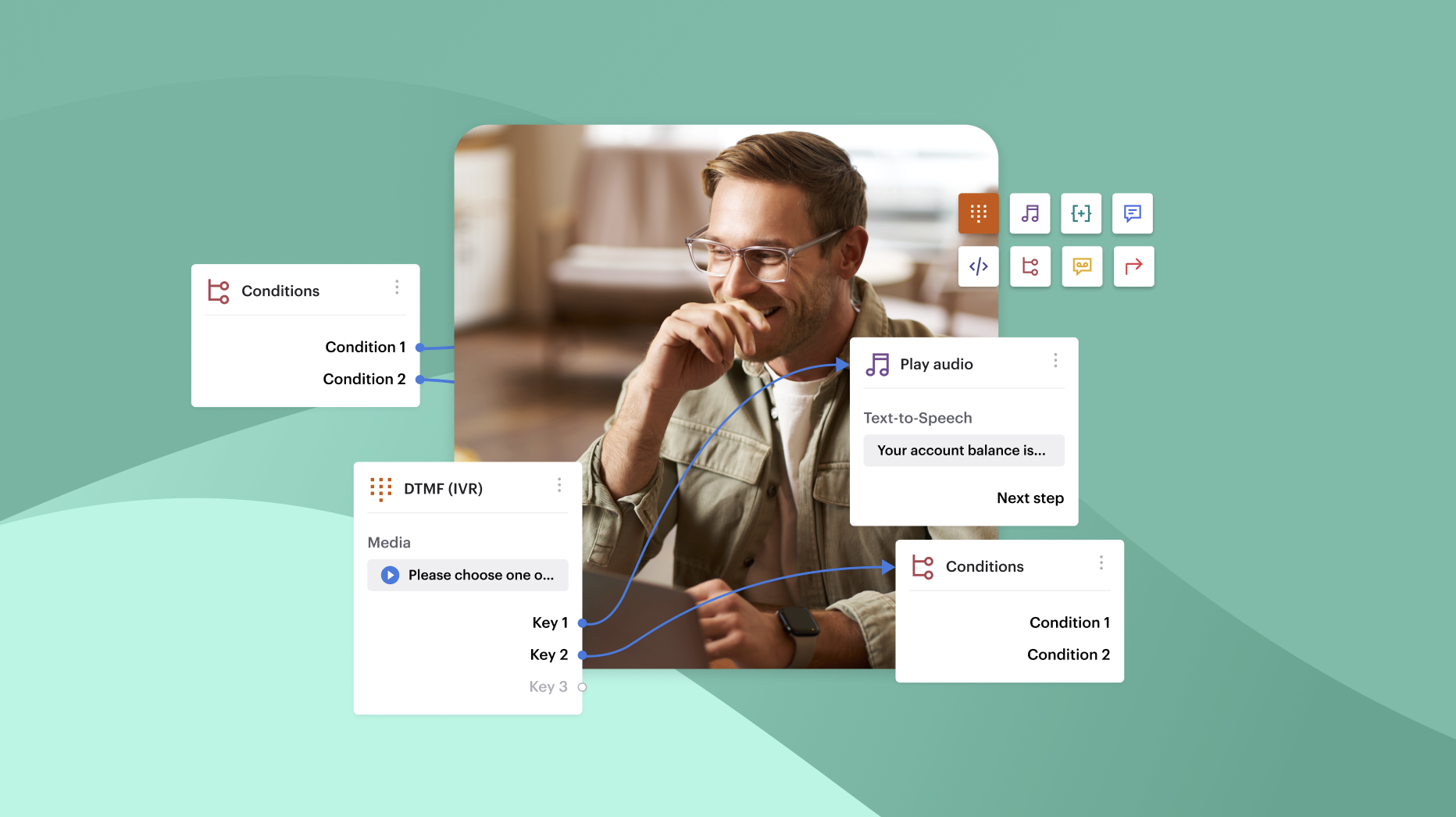


These days, jobseekers reach out through all sorts of channels: phone calls, emails, WhatsApp, SMS, even LinkedIn messages. Keeping up with this multi-channel buzz while managing a flood of follow-ups and interviews is a major challenge. Let’s take a look at the best platforms to manage it.
Key Takeaways
- Recruitment teams need omnichannel contact center platforms to manage high volumes of candidate communication across calls, SMS, chat, email, and video.
- Voiso stands out for fast-paced hiring with intelligent call routing, CRM sync, and global VoIP, while Harmonix.ai uses AI to pre-screen candidates in multiple languages.
- Top tools for 2026 also include Talkdesk Recruit for automation-heavy hiring, RingCentral for hybrid teams, and Freshcaller for budget-conscious agencies.
- Essential features include ATS and CRM integration, call analytics, scheduling automation, and voice-to-CRM transcription to reduce recruiter admin time.
- Contact center software improves time-to-hire by up to 40%, boosts recruiter productivity, and enhances the candidate experience through personalized, timely communication.
Why recruiters need contact center software
Without proper contact center tools, important candidate calls can slip through the cracks, responses get delayed, and coordination between recruiters and HR teams breaks down. Worse yet, there’s often no way to track conversations or measure how well communication flows during the hiring process, which means missed opportunities to engage top talent.
Key Features to Look For in Contact Center Software for Recruiting
Omnichannel communication made simple
Imagine having all candidate messages and calls, from voice and SMS to email and chat, funneled into one clean, easy-to-use platform. That way, recruiters can stay on top of every interaction, no matter where it comes from, making sure candidates get a consistent, seamless experience across the board.
Seamless CRM and ATS integration
Recruiters rely on platforms like Greenhouse, Lever, Bullhorn, or Workable to track applicants, which the best contact center software sync effortlessly with. This means automatic logging of every call, email, and chat, and no more manual updates or missed candidate info; everything’s in one place and easy to find.
Intelligent call routing and scheduling
Good software takes the guesswork out of assigning calls. Whether it’s routing candidates by recruiter expertise, job type, or urgency, or even scheduling interviews directly from the system, automation saves time and cuts down on back-and-forth emails.
AI-powered screening and virtual assistants
Bots can handle the repetitive stuff like answering FAQs about salary, location, or benefits, freeing recruiters to focus on serious candidates. Some virtual agents can even do initial screening, sorting applicants before anyone has to pick up the phone.
Call recording and analytics
Having recorded conversations means recruiters can review key calls for training and compliance. Analytics also help identify patterns, such as common candidate questions or stages where applicants drop off, so teams can continuously improve their hiring conversations.
Top Contact Center Software for Recruitment in 2026
| Provider | Key features | Pricing | Pros | Cons |
| 1. Voiso | Cloud-based dialer with CRM sync, advanced call analytics, and intelligent call routing for recruitment pipelines. | Starts at $49/user/month. | Scalable for high-volume recruitment teams, easy CRM integration. | No native ATS integration; requires API setup. |
| 2. Harmonix.ai | Voice AI for interview screening, multilingual support, and recruitment-focused workflows. | Pricing available on request. | Strong conversational AI, great for initial candidate screening. | Requires clear training data to maximise AI accuracy. |
| 3. RingCentral for HR Teams | Omnichannel calling, SMS, and video with integration to HR tools for candidate communications. | Starts at $20/user/month. | Easy to deploy for remote and hybrid recruiting teams. | Advanced analytics require higher-tier plans. |
| 4. Talkdesk Recruit | Tailored workflows for recruitment, call routing, SMS follow-ups, and reporting dashboards. | Pricing available on request. | Built specifically for recruiters, strong workflow automation. | Can be complex for small recruiting agencies. |
| 5. Freshcaller by Freshworks | User-friendly VoIP contact center with call notes, routing, and CRM integrations. | Starts at $19/user/month. | Budget-friendly, easy setup for small recruiting teams. | Limited advanced analytics without add-ons. |
| 6. NICE CXone | AI-powered contact center with predictive dialers and advanced analytics, adaptable for HR teams. | Pricing available on request. | Excellent scalability, rich data analytics for candidate interactions. | Higher learning curve for full feature utilisation. |
1. Voiso
Voiso offers a cloud-based contact center platform with AI-powered call routing, real-time insights, and CRM syncing, making it ideal for recruitment teams juggling high call volumes:
- Recruiters can prioritise warm leads, route calls to the right specialist based on job role or location, and capture notes seamlessly during calls, reducing the need for manual follow-ups.
- Its global call infrastructure ensures clear audio even when connecting with candidates abroad, which is especially valuable for agencies expanding into new markets or managing remote hiring pipelines.
- Finally, the intuitive analytics dashboard helps HR teams see which recruiters are handling the most calls, identify drop-off points, and refine outreach strategy in real-time.
2. Harmonix.ai
Harmonix.ai brings voice AI and multilingual capabilities to the recruitment process, making high-volume candidate screening more efficient and less resource-intensive:
- It can handle initial candidate calls using AI to collect key information, verify basic qualifications, and provide status updates, allowing recruiters to focus on the top-tier applicants.
- Multilingual support means agencies can confidently engage diverse candidate pools without worrying about language barriers, which is particularly useful for global hiring initiatives or staffing roles in regions with multiple languages.
- Harmonix.ai’s conversational AI is designed for natural interactions, reducing the robotic feel that can put candidates off during pre-screening.
3. RingCentral for HR Teams
RingCentral’s platform combines cloud calling, video conferencing, SMS, and team messaging into a single, easy-to-use system, which is perfect for remote-first and hybrid recruitment teams:
- HR teams can conduct video interviews, follow up with candidates via SMS, and collaborate internally with hiring managers, all without switching platforms.
- It integrates with popular HR and ATS systems, ensuring candidate details are logged automatically.
- RingCentral also offers call routing and voicemail-to-email features, so recruiters never miss a candidate call, even during busy periods.
- It’s particularly beneficial for recruitment teams handling a high volume of interviews across different locations and time zones.
4. Talkdesk Recruit
Talkdesk Recruit is designed specifically for recruitment and HR use cases, providing built-in AI-powered screening tools, automated workforce scheduling, and omnichannel communication capabilities:
- It supports voice, SMS, and live chat, allowing recruiters to reach candidates on their preferred channels, improving response rates and candidate engagement.
- Its advanced analytics dashboards help HR managers track team performance, monitor call volumes, and identify bottlenecks in the hiring pipeline.
- Automated workflows, such as sending follow-up reminders or collecting pre-screening information, reduce repetitive tasks for recruiters, letting them focus on evaluating top candidates rather than chasing responses.
5. Freshcaller by Freshworks
Freshcaller is a user-friendly, budget-friendly contact center platform tailored for SMB recruiters and boutique agencies:
- It integrates easily with Freshteam ATS, making candidate call logging and status tracking seamless.
- Recruiters can set up call queues, smart routing, and IVR menus without IT support, ensuring candidates get directed to the right recruiter quickly.
- Features like call notes, recordings, and post-call tags help teams maintain a clear record of candidate conversations, making it easier to personalise follow-ups.
- It’s particularly useful for solo recruiters or small teams who need to streamline outreach while maintaining a professional, responsive candidate experience.
6. NICE CXone
NICE CXone is an enterprise-grade contact center solution that recruitment process outsourcing (RPO) providers and large HR departments can use to handle complex hiring operations:
- It offers predictive dialing, advanced call analytics, and custom workflow automation, helping recruiters manage high call volumes while maintaining personalisation.
- It integrates with ATS and CRM systems, ensuring candidate data syncs across platforms and compliance is maintained.
- AI-powered tools can pre-screen candidates, automate scheduling, and even predict the best times to reach candidates for improved connection rates.
- NICE CXone’s scalability makes it suitable for agencies handling large-scale hiring campaigns or managing hiring across multiple departments and regions.
How to Choose the Right Contact Center Platform for Recruitment
Assess team size and hiring workflow
Start by evaluating your agency or HR department’s team size and hiring processes. If you’re an in-house HR team or a boutique agency, you may need a lightweight solution with CRM sync and basic call routing. If you’re an executive search firm or a high-volume RPO provider, look for advanced routing, predictive dialing, and analytics features that can handle complex workflows, multiple recruiters, and layered follow-up schedules.
Determine integration needs
Your contact center software should sync seamlessly with your ATS, CRM, HRMS, and email/calendar platforms to reduce manual data entry and ensure you have a unified candidate view. Platforms with native integrations to tools like Greenhouse, Lever, Bullhorn, and Salesforce will save you significant onboarding time. If you have custom workflows, prioritise systems offering open APIs for flexibility.
Consider compliance and data privacy
Recruitment involves handling sensitive candidate data, so your chosen platform should support GDPR, EEOC, and local employment laws. Look for features like consent capture, secure call recording, encrypted communications, and audit trails to ensure candidate information remains protected while maintaining transparency.
Review pricing and licensing models
Contact center software comes in per-agent, per-minute, or tiered pricing models. Consider your hiring cycles: agencies with seasonal spikes, for example, should look for flexible plans that allow scaling up and down as needed. Balance upfront costs with the long-term value of automation, candidate experience improvements, and recruiter productivity gains.
Benefits of Contact Center Software for Hiring Efficiency
Faster time-to-hire
- Automates call scheduling and reminders, reducing manual coordination.
- Enables instant candidate responses and faster interview booking.
Enhanced candidate experience
- Delivers consistent, personalised interactions across calls, emails, and SMS.
- Avoids repetitive information collection, improving candidate satisfaction.
More productive recruiters
- Reduces manual tasks like logging calls and sending repetitive follow-ups.
- Allows recruiters to focus on interviews and candidate relationship building.
Real-World Use Cases
-
In-house HR teams
In-house HR teams often juggle interview scheduling, candidate calls, and feedback collection across multiple departments, and contact center software makes this process smoother. With VoIP calling and CRM integration, recruiters can log candidate conversations automatically and access candidate history during calls, making interviews feel more personalised. This helps teams manage follow-ups without messy spreadsheets while maintaining a consistent candidate experience across departments.
-
Recruitment agencies
For recruitment agencies, contact center platforms act as a central hub for posting jobs, conducting initial screenings, and updating clients on candidate progress. Instead of hopping between email, spreadsheets, and phone apps, recruiters can use a unified system to handle outreach, track conversations, and move candidates through the hiring funnel efficiently. Automated call routing and note logging reduce manual tasks, helping agencies handle high volumes of placements while maintaining a human touch.
-
Campus and volume hiring
When it comes to campus drives and high-volume hiring, contact center software equipped with AI bots can pre-screen large pools of candidates efficiently. Automated systems can ask initial qualification questions, gather candidate preferences, and schedule interviews without requiring recruiter intervention at every step. This speeds up the time-to-hire while ensuring only qualified candidates move forward to human interviews, which is critical during seasonal ramp-ups or graduate recruitment campaigns.
Implementation and Onboarding Tips
1. Prepare existing systems
Before rolling out your contact center software, ensure your ATS, HR systems, and calendars are synced for a seamless transition. Having unified access to candidate data, availability, and communication history across platforms reduces the risk of errors and keeps your hiring workflow organised from day one.
2. Train recruiters and hiring managers
Take the time to train your recruiters and hiring managers on using the platform effectively. Providing call scripts, email templates, and clear escalation processes ensures consistent messaging across your team. Running mock call sessions and onboarding walkthroughs will build confidence and help teams use the system to its full potential.
3. Start with a pilot program
Don’t feel pressured to roll out the system across your entire team on day one. Launch a pilot program with a single hiring team or department, allowing you to test workflows and features while collecting feedback on usability. Tracking KPIs like call connection rates, time-to-hire, and candidate satisfaction during this phase helps you refine your approach before a full-scale launch.
The Future of Recruitment Contact Centers
AI-driven candidate engagement
Recruitment contact centers are increasingly integrating AI to enhance candidate outreach and pre-screening. Predictive outreach can suggest the best times to contact candidates, while sentiment analysis helps gauge candidate interest during calls and chats. AI-powered resume matching can surface the most relevant candidates automatically, saving recruiters valuable time while maintaining a personalised candidate experience.
Voice-to-CRM transcription and summarisation
Future-ready platforms are introducing voice-to-CRM transcription, allowing recruiters to focus on conversations rather than manual note-taking. Calls can be transcribed in real-time, summarised, and logged into candidate profiles, maintaining compliance while ensuring all details are captured accurately. It’s particularly useful for agencies handling high call volumes or managing large-scale recruitment projects.
Integration with job boards and employer branding tools
The next wave of recruitment contact centers will focus on tighter integration with job boards and employer branding platforms like LinkedIn, Glassdoor, and Indeed. This allows recruiters to connect every candidate touchpoint, from application to interview follow-up, within a single workflow. Seamless integration will enable agencies and HR teams to track source effectiveness, streamline outreach, and build stronger employer brands while simplifying candidate engagement.
FAQs
Can contact center software help with both inbound and outbound recruiting?
Modern contact center platforms excel at managing both directions of recruiting communication, though the approach differs significantly between inbound and outbound activities. For inbound recruiting, these systems handle candidate inquiries through multiple channels – phone calls, chat messages, and email responses – creating a centralized hub where hiring teams can respond quickly to applicant questions about job openings, company culture, or application status.
Outbound recruiting becomes more strategic with contact center tools. Automated dialing capabilities allow recruiters to reach larger pools of potential candidates efficiently, while call scripting features help maintain consistent messaging across different team members. Perhaps more importantly, these platforms can track response rates and callback preferences, helping teams optimize their outreach timing and approach.
The real value emerges when both functions work together seamlessly. A candidate might initially respond to outbound recruiting efforts, then later call inbound with questions about the role. Contact center software maintains this conversation history across all touchpoints, ensuring no context gets lost. Smart routing can even direct returning candidates to the same recruiter who originally contacted them, creating a more personalized experience that strengthens the employer brand.
What’s the difference between a contact center platform and a recruiting CRM?
Contact center platforms and recruiting CRMs serve different but complementary functions in the hiring process, though some overlap exists that can confuse procurement decisions. Recruiting CRMs focus primarily on relationship management – tracking where candidates are in the hiring pipeline, storing interview notes, managing offer negotiations, and maintaining long-term talent pools for future opportunities.
Contact center platforms, by contrast, excel at managing real-time communication interactions across multiple channels. They handle the immediate conversation flow – routing calls to available recruiters, managing chat sessions with interested candidates, and ensuring response time consistency. Think of it as the operational engine versus the strategic database.
The distinction becomes clearer when considering daily workflows. A recruiting CRM tells you which candidates need follow-up calls this week and what topics to discuss. The contact center platform actually makes those calls happen efficiently, tracks connection rates, and records conversation outcomes.
Many organizations find success using both systems together, with integrations that automatically update CRM records based on contact center interactions. However, some companies prefer unified platforms that combine both functionalities, though these often require trade-offs in specialized features for either communication management or relationship tracking.
Do any platforms support video interviewing within the contact center?
Several contact center platforms now include built-in video interviewing capabilities, recognizing that modern recruiting often requires face-to-face interaction even when teams work remotely. Voiso leads this integration effort, allowing recruiters to seamlessly transition from voice conversations to video meetings without requiring candidates to download additional software or navigate complex scheduling systems.
These integrated solutions typically offer features like screen sharing for portfolio reviews, recording capabilities for later evaluation, and real-time collaboration tools that let multiple team members observe interviews discretely. Perhaps most valuably, conversation history and notes from initial contact center interactions carry over into video sessions, giving interviewers complete context about the candidate’s journey.
However, functionality varies significantly between providers. Some offer basic video calling, while others include advanced features like AI-powered sentiment analysis during interviews or automated scheduling based on interviewer availability. The integration quality also differs – some platforms treat video as a separate module, while others create truly unified experiences.
Organizations should evaluate whether built-in video interviewing meets their needs or if dedicated solutions like Zoom or Microsoft Teams provide better functionality. The trade-off often comes down to convenience versus advanced features.
How secure is candidate data when stored in cloud-based call systems?
Leading contact center providers implement enterprise-grade security measures that often exceed what individual companies could achieve with internal systems, though security quality varies significantly across different vendors. Top-tier platforms use end-to-end encryption for data transmission and storage, ensuring that candidate information remains protected both during conversations and while stored in cloud databases.
Access control frameworks typically include role-based permissions, multi-factor authentication, and detailed audit trails that track who accessed which candidate records and when. Many providers also offer geographic data residency options, allowing companies to ensure candidate information stays within specific regulatory jurisdictions.
Compliance certifications provide measurable security standards. Look for SOC 2 Type II, ISO 27001, and industry-specific certifications like GDPR compliance for European candidates or CCPA adherence for California residents. These audits verify that stated security policies actually function in practice.
However, security ultimately depends on implementation. Even the most secure platform becomes vulnerable if users share passwords, access systems from unsecured networks, or fail to follow data handling protocols. Companies should establish clear policies for remote recruiting teams about secure access practices and regular security training to maintain protection standards.
Can I use this software for remote or global recruitment teams?
Absolutely, cloud-based contact center software allows distributed recruiters to manage calls and candidate outreach from anywhere. Remote recruiters can access the same communication tools, candidate databases, and collaboration features regardless of their physical location, creating consistency across global hiring operations.
Time zone management becomes much simpler with cloud platforms. Teams can configure automated routing that directs candidates to recruiters in appropriate time zones, while call queuing ensures no inquiries get missed even when local teams are offline. Some platforms offer follow-the-sun support models, passing conversations between regional teams as business hours shift around the globe.
Global teams benefit from unified reporting that aggregates recruiting metrics across all locations, giving leadership visibility into worldwide hiring performance. Integration with local phone systems and compliance with regional regulations help teams operate effectively within different markets.
Perhaps most importantly, these platforms enable real-time collaboration between distributed recruiters. Instant messaging, screen sharing, and shared candidate notes allow teams to work together seamlessly, even when separated by continents. Successful global recruiting often requires multiple team members to evaluate candidates, and cloud platforms make this coordination much more practical than traditional systems.
What KPIs should I track using a contact center for hiring?
Effective recruiting measurement requires balancing efficiency metrics with quality indicators, though the specific mix depends on hiring volume and organizational priorities. Time-to-hire remains fundamental – tracking how quickly teams move candidates from initial contact through offer acceptance helps identify bottlenecks in the recruiting process.
First contact resolution proves particularly valuable for recruiting operations. This measures how often candidate questions get answered completely during their initial interaction, reducing the need for follow-up calls that can delay hiring decisions. Connection rates for outbound recruiting efforts reveal the effectiveness of sourcing strategies and calling techniques.
Candidate satisfaction surveys provide critical quality feedback that pure efficiency metrics miss. High call volume means little if candidates feel rushed or unprepared for next steps. Response time consistency across different channels helps ensure equitable treatment regardless of how candidates choose to communicate.
Perhaps surprisingly, recruiter productivity metrics should be analyzed carefully. While calls per hour and conversation duration matter for operational planning, optimizing purely for speed can damage candidate experience and employer branding. Smart organizations track productivity alongside quality measures, looking for recruiters who balance efficiency with thorough candidate evaluation. Cost per hire calculations should include contact center operational expenses to ensure accurate recruiting ROI measurement.
Are these tools useful for high-volume, seasonal hiring?
Contact center platforms excel during high-volume hiring periods, offering automation and scalability that manual processes simply cannot match when candidate volumes surge unexpectedly. Automated outreach campaigns can contact hundreds of potential candidates simultaneously, while intelligent queuing manages the resulting response volume without overwhelming recruiting teams.
Seasonal hiring often requires rapid team scaling that traditional systems struggle to accommodate. Cloud platforms allow organizations to add temporary recruiting capacity quickly, with new team members accessing the same tools and candidate information as permanent staff. This flexibility prevents hiring bottlenecks during critical periods.
Bulk scheduling automation becomes invaluable when processing large candidate volumes. Rather than coordinators manually scheduling dozens of interviews daily, contact center platforms can automatically propose available time slots based on interviewer calendars and candidate preferences. Some systems even handle rescheduling requests automatically.
Perhaps most critically, these tools maintain quality standards even during chaotic hiring periods. Standardized scripts ensure consistent messaging across all recruiters, while automated follow-up sequences prevent candidates from falling through communication gaps. Quality monitoring features help managers identify when team members need additional support to handle increased volume effectively. The result is faster hiring without sacrificing candidate experience or employer brand protection.
Do contact center platforms integrate with calendar scheduling tools like Google or Outlook?
Most modern contact center platforms offer direct integrations with popular calendar systems, recognizing that interview scheduling represents a major friction point in the recruiting process. Google Calendar and Outlook integrations typically work bidirectionally – recruiters can check availability and book appointments directly from the contact center interface, while calendar updates automatically sync back to prevent double-booking.
Advanced integrations go beyond basic scheduling to include automated reminder systems, buffer time management, and intelligent conflict resolution. When candidates request schedule changes, some platforms can automatically propose alternative times based on both parties’ availability, reducing the back-and-forth communication that often delays hiring decisions.
However, integration quality varies significantly between providers. Some offer seamless, real-time synchronization that feels like a unified system, while others require manual steps or experience sync delays that create scheduling conflicts. Feature depth also differs – basic integrations might only handle simple appointment booking, while sophisticated versions include room scheduling, video meeting setup, and integration with applicant tracking systems.
Organizations should test scheduling workflows during platform evaluation, particularly for complex scenarios like panel interviews or multi-location coordination. The time saved by smooth calendar integration often justifies platform selection decisions, especially for teams managing high interview volumes or distributed recruiting operations across multiple time zones.
How do you measure and improve candidate experience specifically through contact center interactions?
Measuring candidate experience through contact center interactions requires tracking both quantitative metrics and qualitative feedback across multiple touchpoints. Response time consistency becomes crucial – candidates expect quick callbacks and prompt email responses, so tracking average response times by channel helps identify communication gaps.
Post-interaction surveys sent immediately after calls or chat sessions capture real-time sentiment while experiences remain fresh in candidates’ minds. Smart organizations ask specific questions about call quality, recruiter helpfulness, and information clarity rather than generic satisfaction ratings.
Call recordings provide invaluable insights into actual conversation quality. Listening for verbal cues like confusion, frustration, or enthusiasm helps managers identify training opportunities and communication patterns that either build or damage candidate relationships.
Perhaps most importantly, tracking callback frequency reveals whether candidates received complete information during initial interactions. Multiple follow-up calls often indicate unclear communication or unresolved questions that could have been addressed earlier.
Improvement strategies focus on recruiter training for empathetic communication, standardizing information sharing to ensure consistency, and creating feedback loops where candidate comments directly influence process changes. Some companies even implement “mystery candidate” programs where internal team members evaluate the recruitment experience anonymously.
What’s the impact of contact center software on candidate Net Promoter Score (NPS) and retention?
Contact center software typically improves candidate NPS by 15-25% through enhanced communication consistency and faster response times. Candidates who experience seamless multichannel communication – moving from email to phone to text without repeating information – demonstrate significantly higher satisfaction and recommendation likelihood.
The retention impact proves particularly strong for passive candidates who weren’t actively job searching. Professional, responsive communication through advanced contact center tools often creates positive impressions that keep these candidates engaged throughout longer hiring processes, even when they receive competing offers.
However, the technology itself doesn’t guarantee improved NPS. Poor implementation can actually harm scores if recruiters become overly focused on efficiency metrics rather than relationship building. Organizations see the best results when contact center software supports human connection rather than replacing it.
Automated follow-up sequences particularly impact retention rates. Candidates who receive timely status updates and next-step communications through integrated systems report feeling more valued and informed throughout the process. This consistent engagement often translates into stronger employer brand perception and higher acceptance rates.
Interestingly, even rejected candidates show improved NPS when contact center software enables recruiters to provide detailed, personalized feedback about their application, creating positive lasting impressions that generate referrals.
How do you personalize candidate experiences using contact center software data and analytics?
Advanced contact center analytics enable recruiters to tailor interactions based on candidate behavior patterns and communication preferences revealed through system data. Call timing analysis shows when individual candidates are most responsive, allowing recruiters to schedule outreach during optimal windows for each person.
Conversation history tracking across all channels creates comprehensive candidate profiles that inform future interactions. If a candidate previously asked detailed questions about work-life balance during a phone call, recruiters can proactively address this topic in subsequent communications, demonstrating attentiveness and building rapport.
Sentiment analysis during calls helps recruiters adjust their approach in real-time. When software detects hesitation or concern in a candidate’s voice, it can prompt recruiters to slow down, ask clarifying questions, or address underlying concerns that might not be explicitly stated.
Communication channel preferences become apparent through contact center data – some candidates respond quickly to text messages while others prefer phone calls. Smart systems route future communications through each candidate’s preferred channel, improving response rates and satisfaction.
Perhaps most powerfully, predictive analytics can identify candidates who are likely to accept offers based on engagement patterns, allowing recruiters to invest additional personalization efforts where they’re most likely to yield results while maintaining efficiency across large candidate pools.
How do recruitment contact center costs compare to traditional talent acquisition software investments?
Contact center software often delivers better cost efficiency for high-volume recruiting operations, though the comparison depends heavily on team size and hiring patterns. Traditional talent acquisition platforms typically charge per recruiter seat, ranging from $100-500 monthly per user, while contact center solutions often use per-minute or concurrent user pricing that scales more flexibly with actual usage.
The real cost difference emerges through operational efficiency gains. Contact center software can reduce time-to-hire by 20-40% through automated scheduling and streamlined communication workflows, while traditional ATS platforms focus primarily on candidate tracking rather than interaction optimization.
However, feature overlap creates potential redundancy costs. Organizations might find themselves paying for similar functionality across multiple platforms – candidate databases, communication logs, and reporting capabilities exist in both systems. Smart buyers often consolidate these functions to avoid duplicate investments.
Traditional talent acquisition software typically requires less training time and integrates more seamlessly with existing HR workflows, reducing implementation costs. Contact center solutions often demand more extensive staff training and technical setup.
For agencies handling 500+ hires annually, contact center software usually provides superior ROI through productivity gains, while smaller operations might find traditional ATS platforms more cost-effective for their volume levels.