

In practice, health tourism is largely a communication business. Pre-treatment consultations, multilingual coordination, time-sensitive follow-ups, and regulatory reporting all sit outside the operating room. When those processes break down, even the best clinical care struggles to convert demand into outcomes.
That was the core theme of a recent webinar hosted by Voiso in collaboration with Doktor365, where both teams unpacked how health tourism providers can scale communication without sacrificing compliance or patient trust.
Why health tourism depends on communication more than most teams expect
Doktor365 was built specifically to address a gap that existed long before the pandemic.
As Doktor365 co-founder Sinan Yıldız explained, most healthcare software focuses narrowly on clinical workflows. Scheduling, patient records, internal documentation.
Health tourism works differently.
A majority of the patient journey happens before and after treatment:
- First contact through advertising or referrals
- Rapid follow-up across time zones
- Multilingual conversations with non-local patients
- Post-treatment check-ins and satisfaction follow-ups
In Doktor365’s experience, roughly 60 percent of health tourism operations sit in this communication and coordination layer. That reality shaped the platform from day one.
Instead of acting as a calendar or CRM, Doktor365 manages the entire journey from lead intake through post-treatment follow-up, including regulatory reporting to health authorities.
New regulations raise the bar for availability and language coverage
Recent updates from the Ministry of Health in Turkiye reinforced what many providers were already feeling operationally.
Health tourism companies are now required to, provide 24/7 patient support, offer service in Turkish plus at least two foreign languages, and maintain auditable communication records
Meeting these requirements manually is expensive and brittle. Staffing multilingual teams around the clock, ensuring coverage during peaks, and documenting every interaction quickly becomes unmanageable without the right infrastructure.
This is where Voiso enters the picture.
How Voiso supports compliant, high-conversion patient communication
From Voiso’s perspective, the challenge was not just enabling more calls, but enabling better calls under real regulatory constraints.
Several capabilities stood out during the discussion:
Local phone numbers at global scale
Voiso allows health tourism providers to acquire local numbers in most countries, configured for inbound, outbound, or bidirectional use. Calling patients from a local number significantly increases answer rates, especially in markets like Germany or the UK.
True 24/7 availability without desk dependency
With Voiso’s mobile application, agents are no longer tied to physical call centers. Calls can be handled remotely without sacrificing routing logic or call quality, making continuous coverage far more realistic.
Structured call routing with IVR
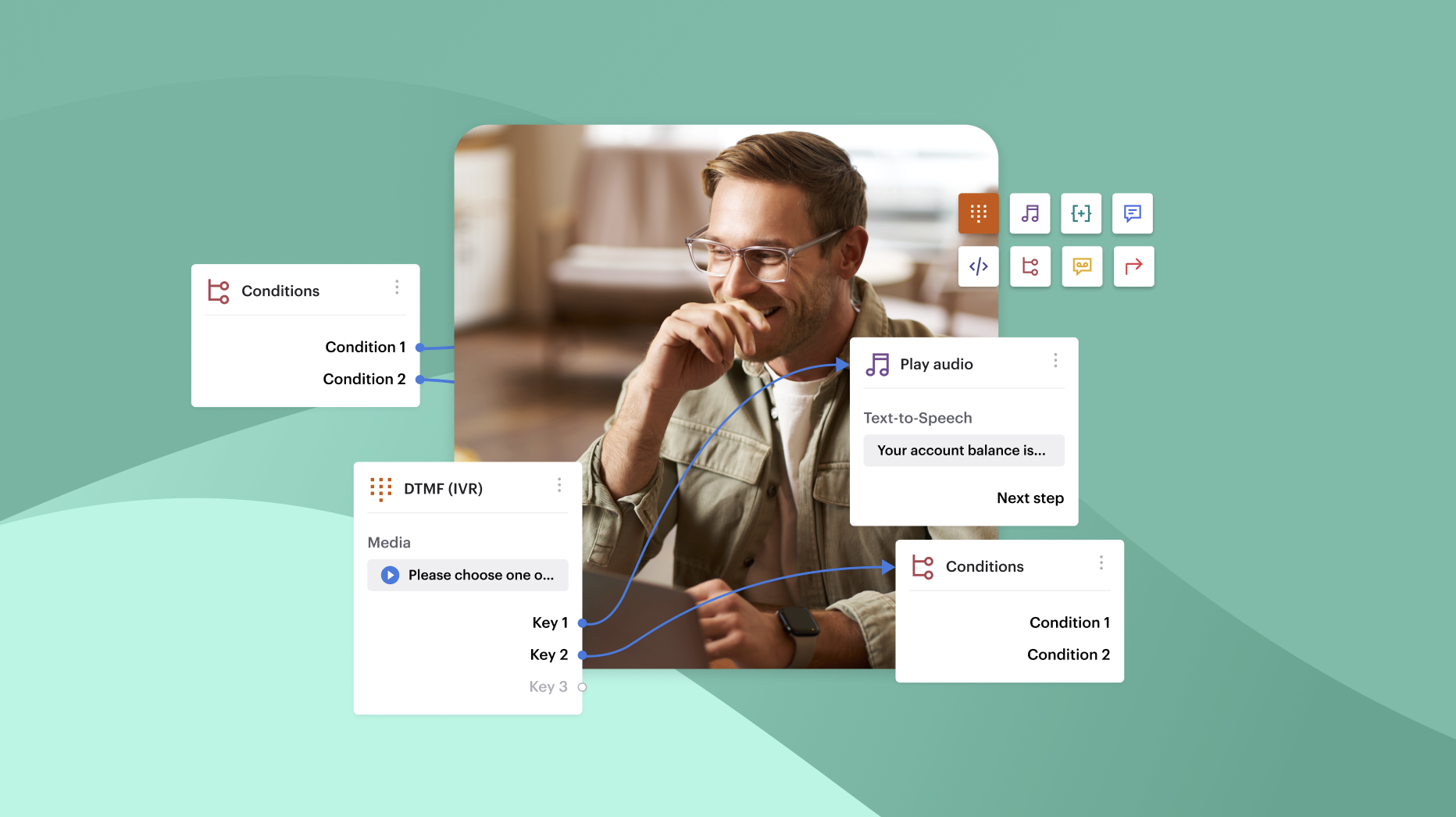
Patients are automatically routed to the correct department, language, or agent group. This reduces confusion, shortens resolution times, and improves the overall patient experience.
Deep analytics and AI-driven insight
Voiso provides over 40 real-time metrics covering agent performance, call volumes, and talk time. Speech recognition currently supports nine major languages, transcribing calls into English and scoring conversations based on sentiment. This gives teams visibility into quality, not just quantity.
Where integration creates the real advantage
On their own, strong communication tools and strong operational platforms already add value.
The real breakthrough comes from integrating them.
Doktor365 manages:
- Lead intake from advertising channels
- Assignment rules for sales and patient coordinators
- Medical forms and doctor approvals
- Appointment scheduling
- Post-operative follow-ups
- Regulatory data transmission
Voiso connects directly to that data layer.
As soon as a lead enters Doktor365, it becomes callable inside Voiso. Auto-dialers and call pools ensure rapid first contact, which is critical in health tourism where response speed directly affects conversion.
Leads that did not convert initially can be reintroduced into automated campaigns without manual rework. Answered calls are instantly routed to available agents, eliminating wasted dialing time.
The result is a system where no lead is forgotten, no call happens without context, and no compliance requirement is handled manually
Compliance without compromise
Both teams emphasized that regulatory compliance cannot be treated as an afterthought.
Doktor365 operates on secure, closed-loop infrastructure hosted in Turkey, with ISO certifications and strict adherence to KVKK and GDPR requirements. Voiso complements this by ensuring call data, recordings, and analytics remain auditable and controlled.
Importantly, Voiso also acknowledges the reality of international number regulations. Some countries require local presence to issue numbers, and those rules cannot be bypassed. Instead, the platform helps providers identify viable alternatives that preserve reach without violating regulations.
What other health tourism providers can learn from this approach
The key takeaway from the Voiso and Doktor365 integration is not about tools. It is about architecture.
Health tourism providers scale successfully when they:
- Treat communication as a core operational function
- Design for speed, not just volume
- Build compliance into workflows instead of layering it on later
- Integrate systems so data moves automatically, not manually
By combining an end-to-end health tourism platform with a communication system built for global, regulated environments, providers can reduce operational friction while improving patient experience and conversion rates.