

For revenue teams, this creates two pressures at once: improve conversion rates while staying within regulatory lines. Pushing volume alone doesn’t work anymore. Carrier spam labeling, consent requirements, and declining answer rates mean sloppy outbound strategies get expensive fast, or worse, legally risky.
The fix is better campaign design: improving live contact rates, earning trust faster on calls, building compliance controls into workflows, and refining performance with real data.
This guide covers how to improve outbound conversions without creating compliance exposure or reputation problems.
Why outbound campaigns underperform even with experienced teams
Experienced outbound teams can still see declining numbers. The issue usually isn’t effort. The mechanics of outbound have changed. Carrier spam filtering, tighter regulations, and lower answer rates have made precision matter more than volume.
Here are the problems that most often suppress conversion rates and create compliance risk:
- Low answer rates compound losses. Cost per live conversation goes up, so teams dial more, which triggers spam labeling and drops pickup rates further. It’s a vicious cycle.
- Poor targeting wastes agent time. Static lists and weak segmentation mean agents spend calls on low-intent prospects while missing better windows. Without behavioral triggers or CRM-driven prioritization, activity doesn’t translate to pipeline.
- Compliance gaps get expensive at scale. Manual DNC management, inconsistent consent logging, and no real-time monitoring increase legal and reputational risk. At $500-$1,500 per TCPA violation, even a handful of bad calls adds up.
- Trust is harder to earn. Spam fatigue and privacy concerns make the first few seconds of a call decisive. Inconsistent messaging, weak objection handling, and unstructured coaching create wide performance gaps between agents.
- Outdated tools make everything worse. Disconnected dialers, manual reporting, and limited automation eat into agent occupancy, add after-call busywork, and create compliance blind spots. Even good teams struggle to scale when infrastructure works against them.
This is why many outbound campaigns plateau: declining contact rates, poor targeting, compliance friction, and fragmented operations all compounding at once.
The conversion-compliance framework
High-performing teams treat outbound as a system where contact rate, conversion rate, and compliance controls reinforce each other. When any one of those weakens, ROI collapses.
Here’s a practical framework for improving outbound conversions while keeping compliance intact.
Pillar 1: Reach optimization (maximize contact rate before adding volume)
Most outbound inefficiency starts before anyone picks up the phone. If contact rates are low, no script or training will make up the difference.
Reach optimization is about:
- Getting more live connects without inflating dial volume
- Protecting number reputation to avoid spam labeling
- Cutting agent time lost to voicemail and no-answers
- Matching call timing and cadence to actual performance data
This typically involves answering machine detection, dynamic local caller ID, carrier-aware dialing, and smarter list prioritization.
The idea is straightforward: improve contact rate before adding more calls. Even a modest lift in live connections drops cost per conversion meaningfully.
Pillar 2: Conversation optimization (increase conversion per live contact)
Once someone picks up, the game shifts from operational efficiency to behavioral execution.
Conversation optimization is about:
- Earning trust in the first seconds of a call
- Delivering disclosures without killing engagement
- Using data to identify what behaviors actually correlate with conversions
- Reducing inconsistency across agents
This involves speech analytics, structured call flows, transcription-based response refinement, and coaching tied to keyword trends.
The goal: higher conversion per contact. Getting this right improves revenue without dialing a single extra number.
Pillar 3: Regulatory protection (build compliance into workflows)
Compliance shouldn’t be a reactive legal checkpoint. It needs to be wired into dialing workflows.
This means automated consent management, DNC suppression and time-zone enforcement, live call monitoring, and secure handling of payment and personal data. The specific safeguards depend on which regulations apply (TCPA, GDPR, PCI DSS) based on your region and industry.
When compliance lives in the system rather than in agent memory, organizations reduce financial exposure, avoid number blacklisting, and keep campaigns viable long-term.
A systems approach to improving outbound conversion rates
Improving outbound performance takes coordinated changes across dialing efficiency, agent execution, and operational visibility. The tactics below strengthen the reach and conversation layers of the framework while keeping compliance controls in place.
1. Use AI-powered answering machine detection (AMD)
A big chunk of dialing activity never reaches a live person. When agents manually wait through voicemail greetings, occupancy drops and cost per contact climbs.
AI-powered AMD filters out voicemail connections more accurately so agents spend more time talking to actual prospects. Some systems report high detection accuracy rates.
The operational payoff: better agent occupancy, faster list cycling, lower cost per live conversation.
This is a reach lever. Fix contact efficiency before you dial more.
2. Use dynamic local numbers for caller ID
Answer rates are heavily influenced by number familiarity. Local or geo-matched numbers can increase pickup rates significantly compared to generic toll-free numbers.
What works:
- Match numbers to prospect area codes
- Rotate numbers to protect reputation
- Track call return rates
- Retire numbers flagged as spam
Local presence strategies need careful management to avoid carrier filtering or reputation damage.
3. Segment and target call lists with intent signals
Conversion rate improves when agents reach the right prospects at the right moment.
Segmentation should go beyond static demographics to include recent product inquiries or sign-ups, buying stage indicators, engagement recency, and account tier.
CRM integration matters here. When call logs and contact records stay synced, teams can prioritize higher-intent prospects instead of dialing stale exports. This improves conversion per contact without adding dial volume.
4. Optimize timing and call cadence
Call timing affects both contact rate and compliance exposure.
Performance varies by time of day, day of week, and attempt sequence. Instead of relying on assumptions, teams should analyze historical connect data to find their actual peak windows.
Cadence rules should also define maximum attempts per contact, cooling-off periods, and clear stop conditions. This protects number reputation and helps respect time-zone rules and DNC preferences. Good cadence design supports both conversion and compliance.
5. Train agents to build trust fast
Conversion is often decided in the opening moments of a call.
Agents who convert well tend to set context quickly, use transparent language, confirm relevance before pitching, and listen actively instead of reading from a rigid script.
In regulated industries like fintech or financial services, tone and clarity carry extra weight. Structured openings reduce resistance while making sure required disclosures are delivered consistently.
Tie training to observable behaviors, not subjective impressions.
6. Use speech analytics to improve agent performance
Post-call speech analytics gives structured visibility into conversation patterns.
This typically includes call transcripts, keyword grouping, call scoring, and trend identification across calls. Supervisors can review transcripts to spot frequently occurring objections and phrases correlated with positive outcomes.
The result is more targeted coaching and QA. It replaces anecdotal feedback with reviewable data.
Worth noting: speech analytics supports post-call review and trend identification. It doesn’t mean live AI intervention during calls.
7. Implement live compliance monitoring
Outbound risk grows with scale. Live monitoring tools let supervisors listen to calls in progress, whisper guidance to agents, and join calls when escalation is needed.
This helps catch potential compliance missteps early and speeds up agent coaching. It doesn’t replace structured compliance processes, but it adds an oversight layer that fills gaps.
Monitoring should work alongside consent management and DNC controls, not substitute for them.
8. Automate post-call workflows and follow-up
After-call work slows dialing velocity.
Operational improvements include automatic call logging in CRM, structured wrap-up codes, predefined disposition tracking, and triggered follow-up tasks or SMS where configured.
Cutting manual logging improves agent occupancy and data accuracy. CRM sync keeps contact records current without duplicate entry.
9. Use structured call flows to reduce inconsistency
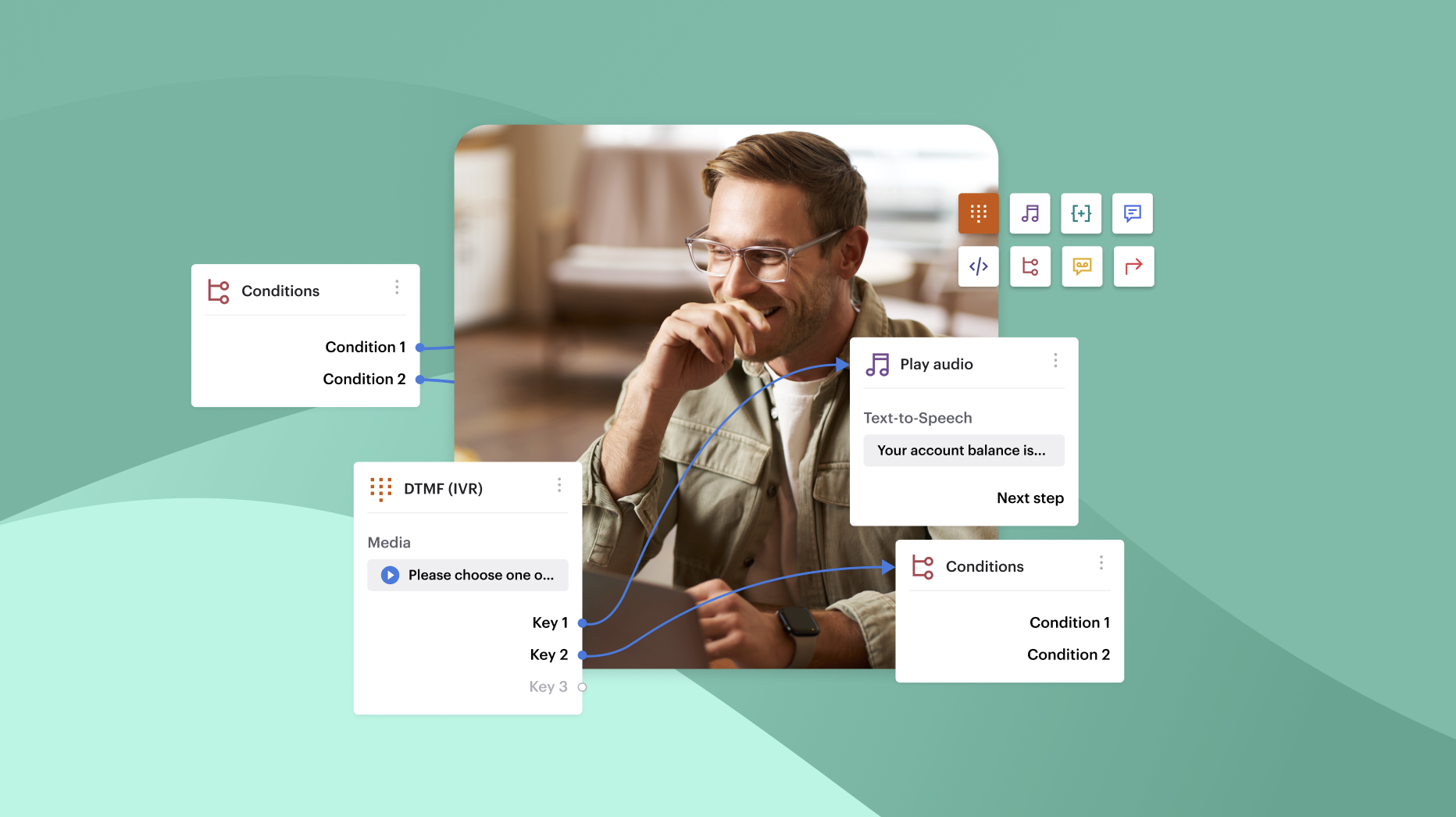
Rule-based flow builders and IVR logic help standardize outbound routing and required disclosures.
Well-designed flows direct calls to the right queues, enforce routing logic, keep message sequencing consistent, and reduce deviation from required statements.
This cuts human error and improves repeatability across teams. Structured routing matters most in larger operations running multiple campaign types.
10. Track KPIs that predict revenue, not just activity
Outbound optimization needs visibility into the right metrics.
The indicators that actually matter:
- Contact rate
- Conversion per live contact
- Revenue per dial
- Agent occupancy
- Attempt-to-connect ratio
- Compliance incident frequency
Live and historical dashboards give operational transparency. Instead of fixating on average handle time or total dials, teams should analyze how reach and conversation quality interact.
Continuous testing (adjusting call timing, refining openings, testing list prioritization) should be measured against these KPIs, not gut feel.
Balancing conversion optimization with regulatory compliance
Outbound performance and compliance are often treated as opposing priorities. In practice, they’re linked. Campaigns that ignore regulatory structure may generate short-term activity, but they rarely scale.
Compliance should be built into campaign design from the start, not bolted on after the fact.
The regulations that shape outbound strategy
Outbound teams operate within region-specific legal frameworks. The most operationally relevant:
- TCPA (United States): Governs consent requirements, calling hours, auto-dialing restrictions, and penalties for unauthorized contact.
- GDPR (European Union): Requires lawful processing of personal data, transparency in usage, and strict consent and retention handling.
- PCI DSS (global, where payments are involved): Applies when handling cardholder data during calls. Payment details must be managed securely.
These regulations affect how consent is obtained and stored, when and how often contacts can be called, whether calls can be recorded, and how payment information is captured.
Compliance shapes dialing strategy, workflow design, and reporting. There’s no getting around it.
The operational risks of weak compliance
Poor compliance creates legal exposure and hurts performance at the same time.
The risks: regulatory fines and legal costs, carrier spam labeling and number blacklisting, reduced answer rates from reputation damage, lost customer trust, and increased scrutiny from regulators or partners.
Once numbers get flagged or associated with abusive calling patterns, contact rates decline even if scripts improve. Compliance is a performance safeguard, not just a legal obligation.
Turning compliance into a trust signal
Compliance language, when handled well, can strengthen conversations rather than disrupt them.
Clearly confirming the reason for the call, acknowledging the consent source, offering transparent opt-out options, and setting expectations around data usage all reduce friction. In regulated industries like financial services, transparency tends to correlate with higher trust and lower resistance.
Instead of rushing through compliance statements, strong teams integrate them naturally into call openings.
Embedding compliance into workflows
Compliance works best when supported by systems rather than relying on agent memory.
Operational safeguards include:
- Recording controls with pause functionality: Agents can pause recordings when collecting sensitive payment information, supporting PCI DSS-aligned processes.
- Consent logging and CRM sync: Structured records of contact permissions and interaction history help teams avoid re-contacting restricted numbers.
- Call monitoring tools: Supervisors can listen or join calls when needed, supporting early correction of potential missteps.
- Routing and access controls: Role-based visibility and predefined flows reduce unauthorized data access and inconsistent disclosures.
(These features support structured compliance processes. They don’t replace legal review or guarantee regulatory adherence.)
Tools that support these practices at scale
Execution is where most outbound strategies fall apart. The gap between a well-designed strategy and a scalable one is infrastructure. Modern outbound platforms reduce manual work, centralize visibility, and give teams structured configuration options for daily operations.
A cloud-based contact center platform like Voiso brings together the operational pieces needed to support reach optimization, conversation improvement, and compliance controls.
Here’s how its capabilities map to the framework above:
- Answering machine detection: Reduces time spent on voicemail so agents focus on live conversations.
- CRM integrations: Cuts manual entry, improves data consistency, and lets segmentation run off current records instead of static exports.
- Dashboards and KPI visibility: Structured reporting supports informed testing instead of assumption-based changes. Teams can spot performance shifts earlier in the dialing cycle rather than reacting to lagging revenue numbers.
- Omnichannel workspace: A unified workspace covering voice and other channels reduces context switching and supports more consistent engagement.
- Speech analytics: Supervisors can review transcripts and grouped insights to identify recurring objections, compliance-sensitive language, or behaviors tied to successful outcomes.
- Rule-based flow builder: Reduces variability in routing and ensures required disclosures or process steps are consistently embedded in call paths.
Request a demo to evaluate how Voiso fits your outbound strategy.
FAQs
How can I improve outbound conversion rates without increasing dial volume?
Improve contact rate and conversion per live conversation before scaling activity. Optimize call timing, use answering machine detection to reduce wasted agent time, prioritize high-intent leads through CRM segmentation, and refine call openings to build trust faster. Adding dial volume without fixing these variables often tanks number reputation and lowers overall ROI.
What are the biggest compliance risks in outbound calling?
Contacting prospects without valid consent, calling outside permitted hours, failing to honor DNC requests, and mishandling payment information. In the U.S., TCPA violations carry statutory penalties per call. Compliance failures also increase the chance of carrier spam labeling, which directly hurts answer rates and campaign scalability.
Does compliance reduce outbound performance?
Not when it’s built in correctly. Structured consent logging, clear disclosures, and defined cadence rules protect number reputation and build trust. Campaigns that skip compliance may see short-term activity but often face declining pickup rates, legal exposure, and operational disruption over time.
Which KPIs matter most for outbound campaign optimization?
Contact rate, conversion per live contact, revenue per dial, agent occupancy, and attempt-to-connect ratio tell you more than total dials alone. Monitoring these together gives visibility into both reach efficiency and conversation quality. Focusing only on volume or handle time can mask real performance issues.
How does outbound call center software support optimization?
Modern platforms centralize dialing, routing, reporting, and CRM sync. Answering machine detection, structured flow configuration, dashboards, speech analytics, and automated logging reduce manual work and improve visibility. This lets teams test, measure, and refine campaigns with better operational control.