

HubSpot is a solid CRM and marketing automation platform, but call tracking is where it gets thin. There’s a native dialer and activity logging, sure. But there’s nothing for marketing attribution, dynamic number insertion, or pulling real insights out of conversations. If your team depends on calls to close deals, that’s a problem.
This article covers what HubSpot’s call tracking can actually do, where it falls short, and how teams typically patch the gaps with integrations and other tools.
What is call tracking and why does it matter in HubSpot?
Call tracking isn’t counting phone calls. It’s figuring out why a call happened, who made it, and what came out of it.
HubSpot is supposed to bring marketing, sales, and service data together on a single contact record. When call data is missing or incomplete, that falls apart. Attribution gets fuzzy, pipeline visibility drops, and teams end up making decisions with partial information.
What “call tracking” actually means
Call tracking is about capturing structured data on inbound and outbound calls:
- Call source context: Was the call driven by paid search, organic content, social, or a referral?
- CRM association: Is the call linked to the right contact, company, or deal?
- Call metadata: Duration, direction, outcome, notes.
Without this, calls exist outside the attribution and reporting frameworks that HubSpot users depend on.
Why this matters for HubSpot users
HubSpot is built to unify customer touchpoints. When call data is missing, delayed, or logged inconsistently, that unification breaks.
A few specific ways this hurts:
- Attribution: If calls can’t be tied to sources, you can’t measure ROI across PPC, SEO, or content campaigns.
- Contact timelines: Phone conversations often move deals forward or close them. Without logging, those moments vanish from the record.
- Sales and RevOps reporting: Calls are often the conversion event. When outcomes aren’t captured cleanly, forecasting suffers.
Getting call tracking right lets teams replace assumptions with evidence.
What HubSpot’s native call tracking can do
HubSpot does have call tracking features, but they’re mostly activity logging. The platform records that a call happened. It tells you very little about what drove the call or how to analyze it from a marketing angle.
Manual call logging
Users can log calls from contact or deal records. Reps enter call outcomes (connected, no answer, voicemail) and notes. This works if reps actually do it. If they forget or write “talked to John,” the data is incomplete or useless.
Built-in dialer
Paid Sales Hub plans include a dialer for placing calls directly from HubSpot. These calls get logged automatically with recordings, outcome tags, and timestamps on the contact timeline.
Better than manual logging, but there’s still no way to know what prompted the call or which marketing effort influenced it.
Basic reporting
HubSpot offers standard call reports: volume by user or team, duration, outcomes over time. Useful for monitoring sales activity. Not useful for campaign-level analysis or source attribution. You can see that calls are happening, but not why.
What’s missing
For teams where inbound calls drive revenue, HubSpot’s native tools leave real gaps.
No call source attribution
HubSpot can’t track which marketing source triggered a phone call. No dynamic number insertion, no UTM-level attribution for calls, no way to tell whether a call came from an ad, a blog post, or a landing page. Every call looks the same in the CRM.
No number pooling or campaign-level tracking
HubSpot doesn’t support number pooling or assigning unique phone numbers to campaigns, pages, or channels. So you can’t answer: Which campaign drove the most qualified calls? Which channel produces higher-intent conversations? How do calls affect pipeline by source?
If you’re running multiple campaigns at once, this is a real limitation.
Limited conversation analysis
Beyond recordings and basic outcomes, HubSpot doesn’t analyze call content. No transcription analysis, no sentiment tracking, no keyword-based insights for coaching or messaging refinement.
How third-party tools extend HubSpot call tracking
Many teams turn to platforms like CallRail, Aircall, or JustCall to fill these gaps. They add call source tracking through dynamic number insertion, campaign-specific phone numbers, recordings, transcripts, and API-based sync back into HubSpot.
The tradeoffs are real though:
- You end up switching between multiple dashboards to get the full picture.
- API integrations need maintenance and can break during updates.
- Pricing based on users, numbers, or minutes adds up.
- Call data may only partially sync into HubSpot, so full-funnel reporting stays fragmented.
These tools are good for attribution, but they don’t always fix operational problems around call execution and CRM hygiene.
Improving call visibility and CRM hygiene with Voiso
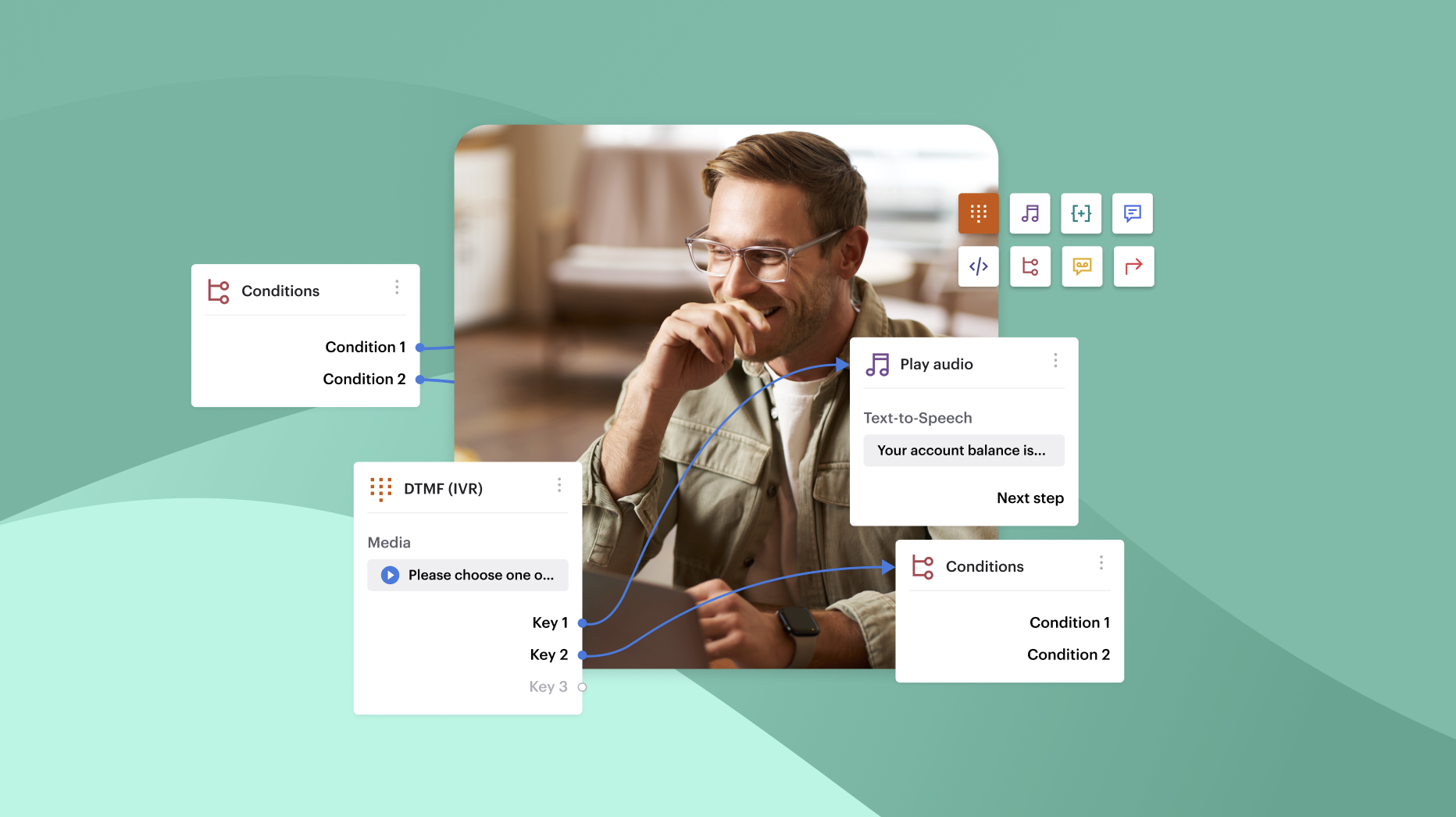
HubSpot’s native calling tools cover the basics, but many teams still deal with incomplete call records, inconsistent logging, and fragmented agent workflows. Voiso addresses this as a calling and call-logging layer; not a call attribution engine, but a way to make sure phone interactions actually show up properly in HubSpot.
Voiso integrates with HubSpot so inbound and outbound calling activity gets captured consistently without relying on manual input.
Click-to-call and inbound call logging
Agents can place calls directly from HubSpot using click-to-call on Contacts, Companies, and Deals. Inbound calls get logged automatically. Interactions appear in HubSpot’s Calls table with call duration, direction, status, and wrap-up outcomes.
This reduces missed or inconsistent records and improves CRM data quality.
Screen pop and contact context
When a call connects, Voiso can display the relevant HubSpot contact record automatically. Agents get immediate access to interaction history and contact details.
For inbound digital interactions, Voiso can retrieve and display HubSpot contact information inside its Omnichannel Workspace without storing CRM data locally. HubSpot stays the system of record.
Call summaries
For teams using Speech Analytics, Voiso can attach call summaries to HubSpot call records. These flag the main discussion points, which helps managers review conversations without replaying full recordings. Useful for handoffs and reviewing outcomes at volume.
Compliance and data protection
Voiso supports contact masking in HubSpot. Real phone numbers can be hidden from agents while click-to-call still works. Voiso retrieves the actual number only for dialing, which helps teams meet privacy or compliance requirements without breaking workflows.
Where Voiso fits and where it doesn’t
Voiso improves call execution, visibility, and logging inside HubSpot. It makes sure calls get captured reliably and shown with context.
It doesn’t replace dedicated call attribution software. Campaign-level tracking, dynamic number insertion, and ad attribution still need specialized platforms. Voiso complements those tools by handling what happens after a call reaches your team.
Final thoughts
HubSpot’s built-in call tracking handles basic activity logging but leaves gaps in attribution and call analysis. Third-party tools can explain why calls happen. Voiso makes sure that once they do, calls are logged and usable inside HubSpot.
For teams where phone conversations move deals forward, that operational reliability matters.