


 All Products

.svg)




Contact Center Software for Local Governments
Streamline Services with Citizen-Centric Communication Tools
Voiso helps local governments modernize communication across departments, whether for service requests, crisis response, or day-to-day inquiries. With omnichannel tools, CRM integration, and built-in compliance features, public service teams deliver faster, more transparent support to their communities.

Built for Public Service
at Scale
One Platform for Every Citizen
Serve citizens through phone, email, chat, and SMS, all from a single interface.
Voiso keeps interactions unified, so departments never lose track of issues or repeat requests.

Route Calls With Precision
Design call flows that route citizens by department, language, or service type.
No dev work needed, update IVR logic and queue rules in minutes.

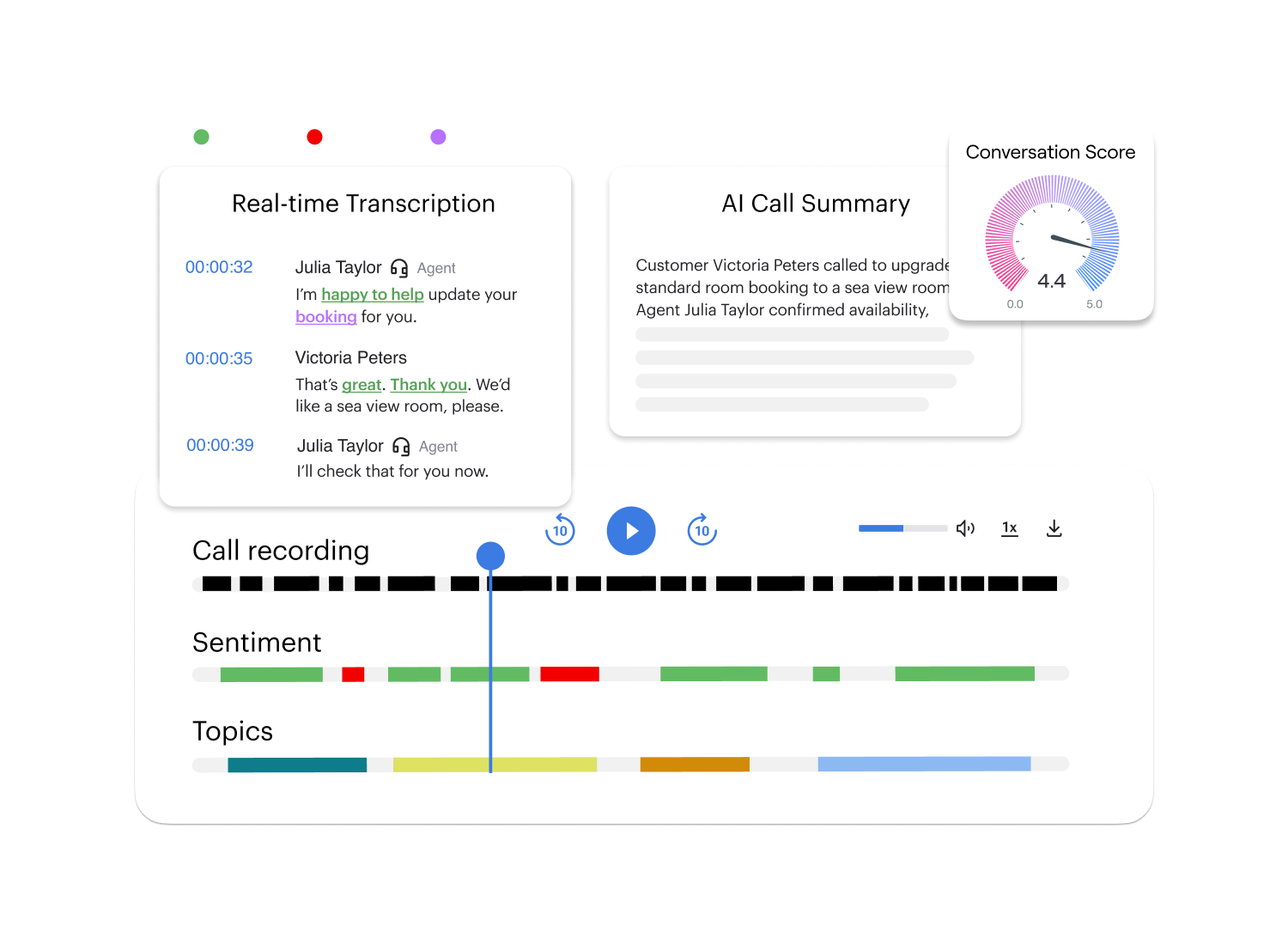
Monitor Quality and Trends
Analyze citizen sentiment, flag service issues, and track common concerns in real time.
Improve staff training and community response based on live AI insights.
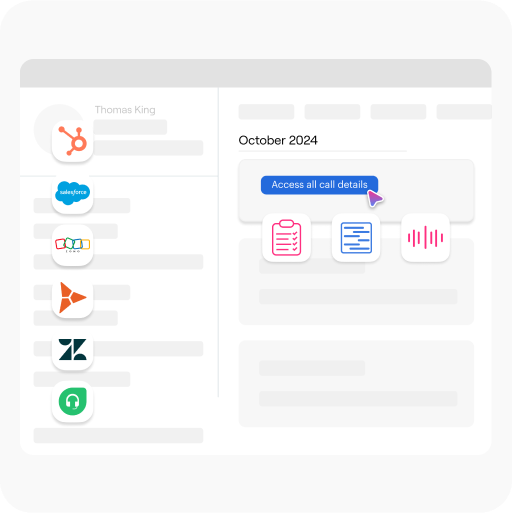
Track Every Interaction
Voiso links all calls, messages, and notes to each citizen’s case history.
Staff can view records instantly, reducing handoffs and boosting resolution speed.
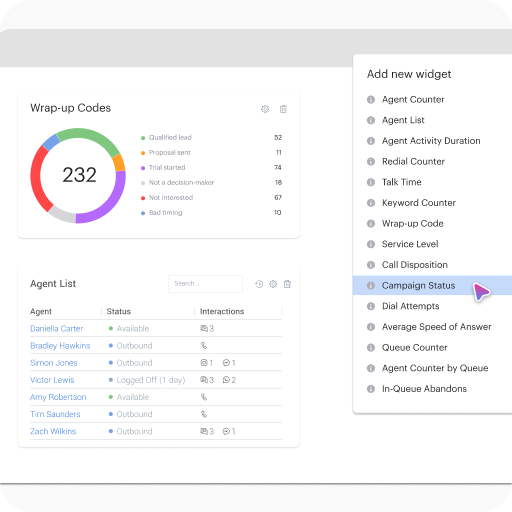
See What’s Happening, Instantly
Get a live view of call volume, wait times, resolution rates, and team activity.
Use data to make smart staffing and service decisions across all departments.

customers




Get started in less than 24 hours
FAQ
How do contact center solutions improve emergency response for local governments?
During emergencies, centralized communication reduces confusion and response delays. Contact center software enables mass notifications through voice, SMS, or email, ensuring messages reach citizens quickly. Priority call routing sends urgent issues, like outages or road closures, to the right team instantly. Cloud systems scale on demand, avoiding missed calls during high-volume events. All interactions are logged, supporting post-crisis reviews and transparent reporting. This structure helps departments coordinate faster, avoid duplication, and deliver clear, trusted updates to the public.
Can smaller municipalities with limited budgets adopt contact center software effectively?
Yes. Cloud-based platforms offer affordable pricing models, often per user, so small municipalities can start lean. Essential tools like call routing, citizen records, and self-service options are included in even basic plans. Voiso’s browser-based setup reduces the need for IT infrastructure. Some local governments also pursue cost-sharing through inter-municipal collaborations. The key is to choose a platform that’s scalable without being bloated. When implemented well, even minimal investment reduces missed calls, improves service speed, and frees staff from manual tracking.
What’s the difference between citizen engagement platforms and contact center software?
Contact center software manages two-way support, resolving service requests via voice, chat, or email. Citizen engagement platforms focus on outreach: surveys, newsletters, and public input. The best governments use both. For example, a contact center may handle calls about waste pickup, while an engagement tool collects feedback on new recycling initiatives. Voiso supports surveys and feedback tools within its contact center system, but it’s built primarily for case resolution. Combining both platforms creates a full view of service performance and public sentiment.
How can governments ensure accessibility for disabled or elderly citizens using digital systems?
Accessibility features must be built-in, not added later. Voiso supports TTY/TDD services, multilingual IVR, and screen reader-compatible interfaces. Voice commands and simplified menus assist users with mobility or vision challenges. For the elderly, short IVR paths and clear instructions reduce frustration. Staff training is equally critical, agents should be prepared to support callers with hearing, speech, or cognitive differences. ADA and WCAG compliance aren’t just legal checkboxes, they ensure equal service access for all members of the community.
What role does AI play in modernising government communication systems?
AI improves scale and responsiveness without requiring more staff. Chatbots answer common questions 24/7, from tax deadlines to permit processes. Voice analytics detect caller stress, allowing teams to intervene earlier in sensitive cases. AI-driven routing accelerates issue resolution by directing calls to the best-fit department. Predictive analytics surface recurring service issues (e.g. traffic light outages) before complaints spike. While human agents remain essential for complex cases, AI handles the repetitive work, improving both staff efficiency and citizen satisfaction.
How do cloud-based systems compare to on-premise for government use?
Cloud systems offer lower startup costs, automatic updates, and faster deployment, ideal for governments without large IT teams. They also enable remote access, essential for hybrid or emergency operations. On-premise setups offer more direct control and may be required for handling highly sensitive data. Many agencies now adopt hybrid models: cloud for public interactions, on-premise for protected records. Voiso supports cloud-first deployment with high security, regional data hosting, and full compliance with government regulations like CJIS and FedRAMP (where applicable).
What metrics should local governments track to measure contact center success?
Key metrics include:
- Average wait time — shorter waits mean faster service.
- First-call resolution — indicates how effectively issues are handled.
- Abandonment rate — high numbers suggest accessibility problems.
- Case closure time — how long it takes to resolve service requests.
- Citizen satisfaction — collected through post-call surveys.
Beyond data, it’s about visibility. Dashboards give real-time insights to help managers shift resources. Long-term tracking reveals trends, like seasonal spikes in certain issues, allowing proactive planning.
How does Voiso ensure data security for government communications?
Voiso encrypts all data in transit and at rest using industry-standard protocols. Role-based access ensures only authorized staff view sensitive records. Audit logs track every user action, supporting compliance with regulations like GDPR, CCPA, and U.S. public sector standards. Cloud infrastructure is hosted in secure, region-specific data centers, and Voiso performs regular vulnerability testing and updates. Optional MFA (multi-factor authentication) adds another security layer. For governments, this means secure citizen communication without compromising operational speed or accessibility.