




Power Dialer
Dial Faster. Sell Smarter.
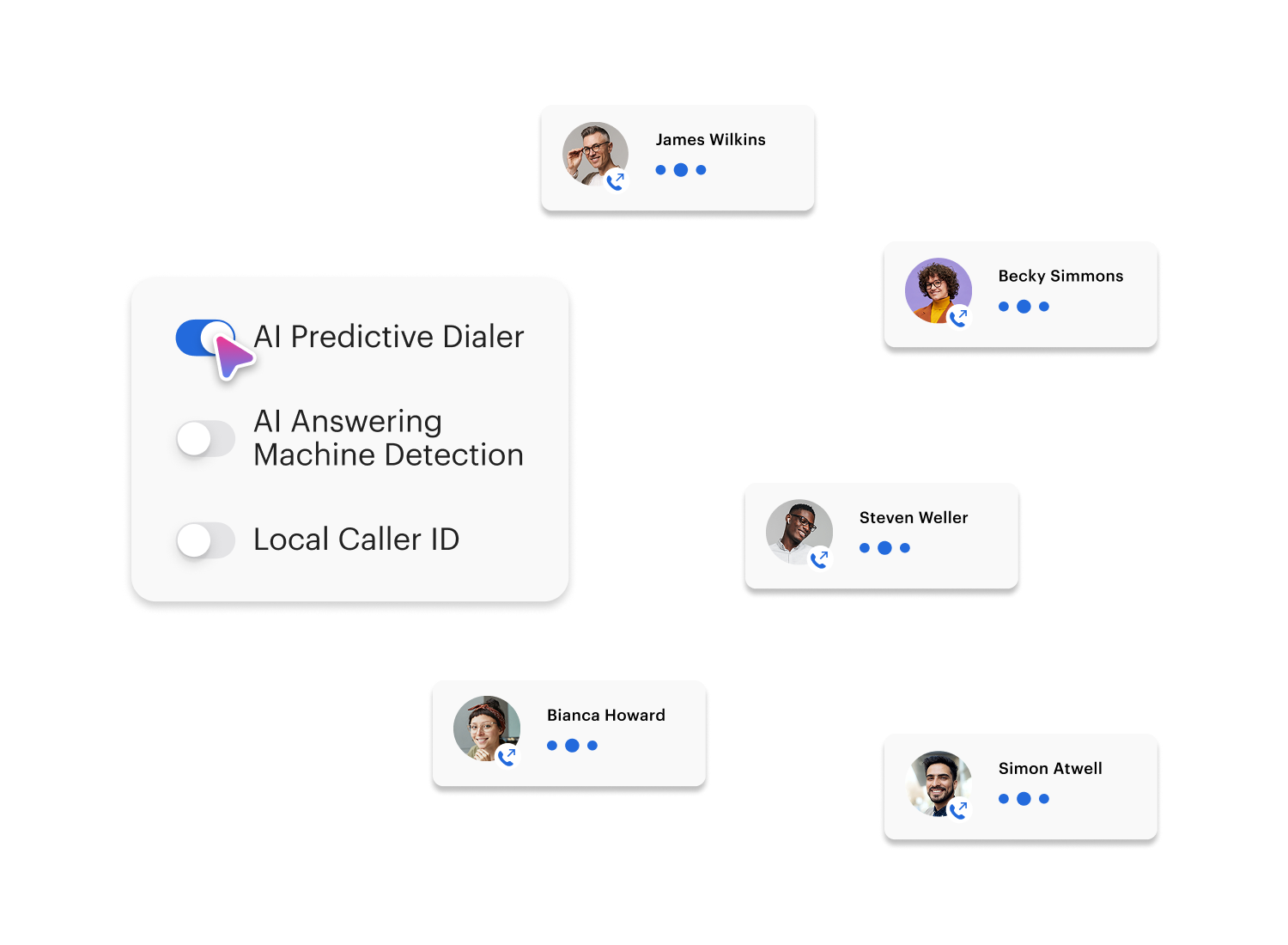
Voiso’s Power Dialer keeps reps focused on conversations, not contacts. Skip manual dials, avoid dead ends, and connect with more leads, faster, smoother, and smarter than ever.


Your Dialer, Your Way
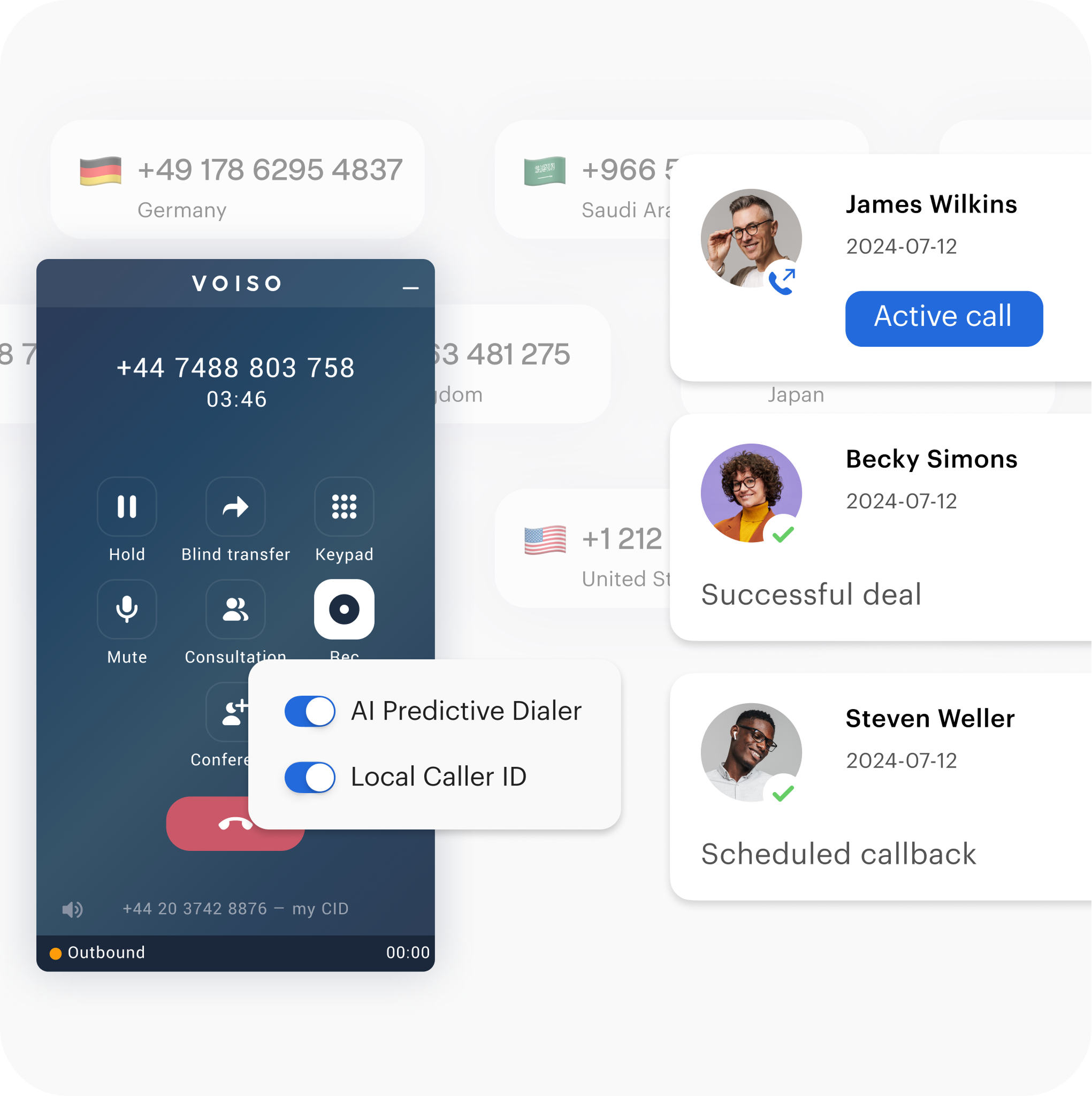
Campaign-Tailored Workflows
Run multiple campaigns simultaneously, each with unique pacing, retry rules, and contact logic.
Prioritize hot leads, time-sensitive outreach, or specific regions without manual adjustments.
Voiso keeps every campaign on track and aligned with your goals.
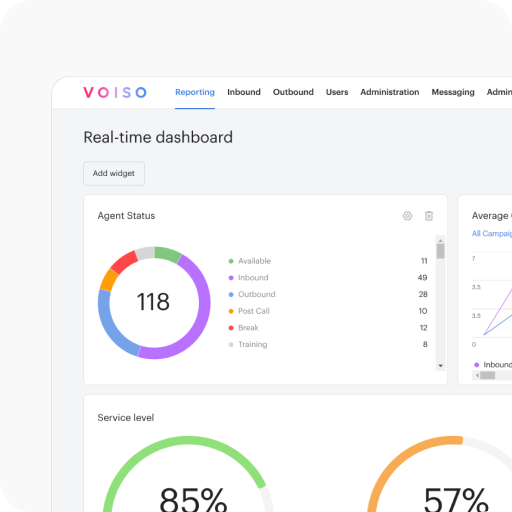
CRM-Triggered Dialing
Trigger outbound calls based on CRM changes like status updates, lead scoring, or deal stage progression.
Automate outreach at the exact moment your lead is most engaged, without manual handoffs.
Timing becomes a strategic advantage, not a guessing game.
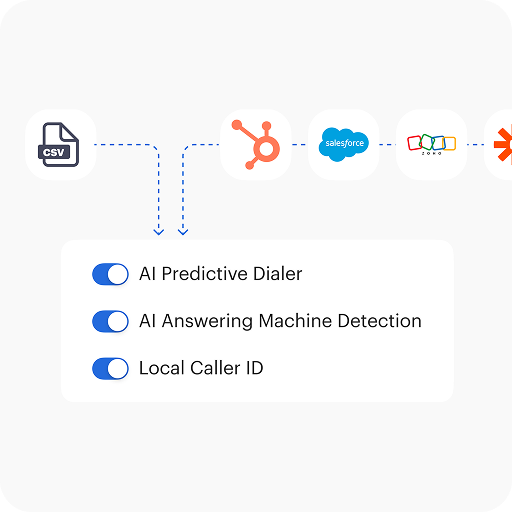
Omnichannel Follow-Up Support
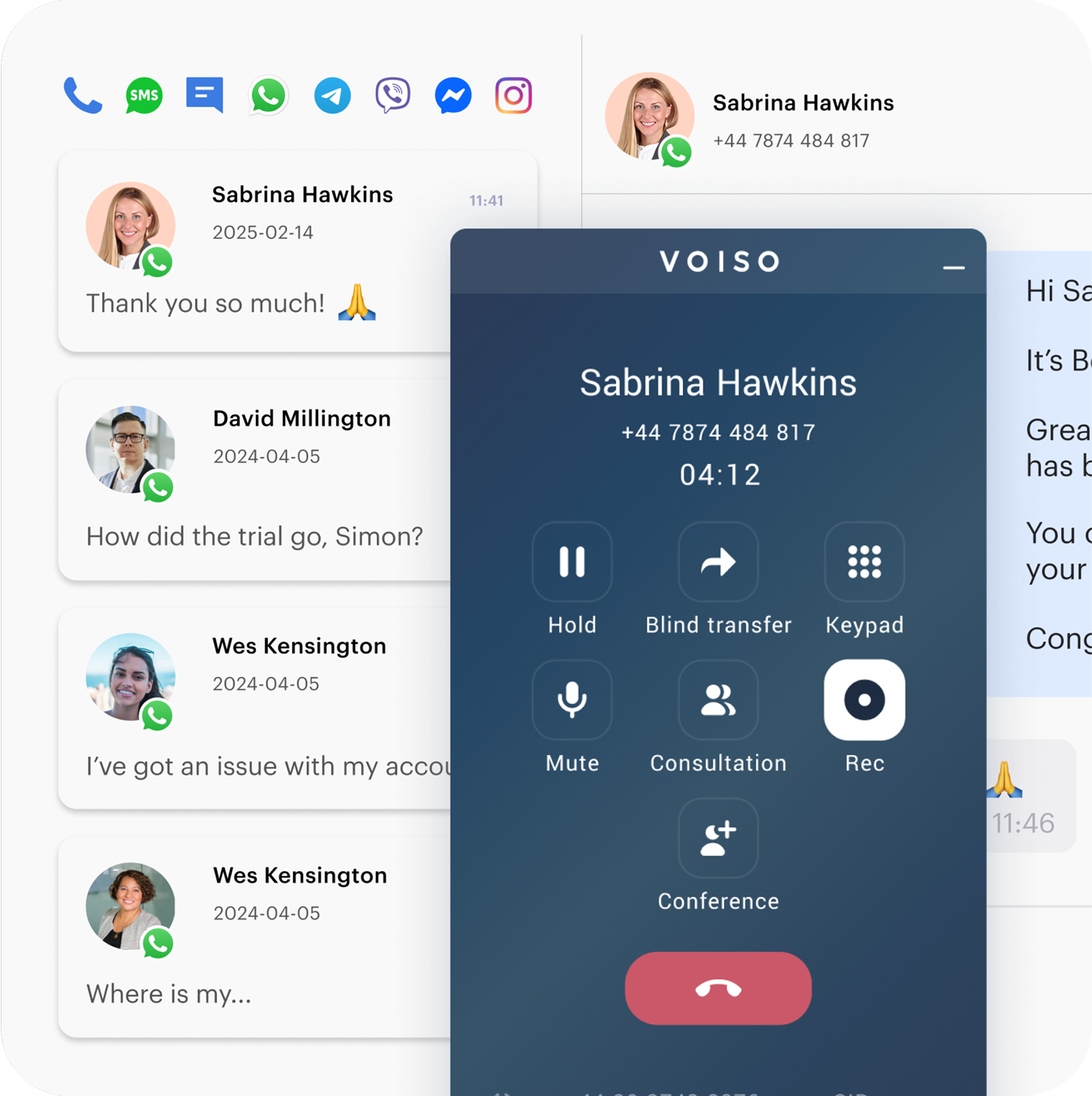
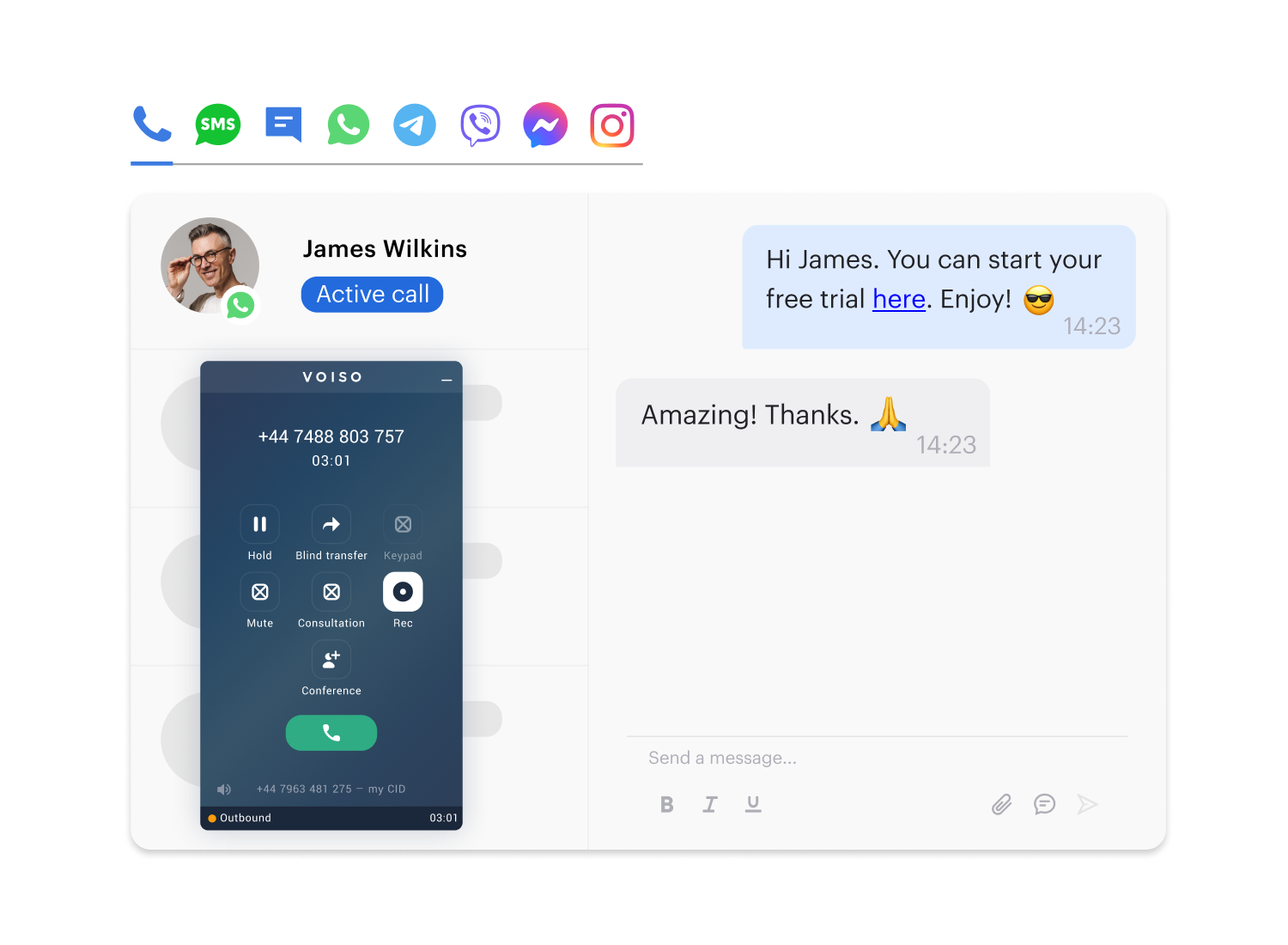
Continue the conversation with SMS and chat app follow-ups built directly into your call flow.
Agents can instantly engage across channels, no switching tabs or tools required.
It’s a seamless extension of every interaction, built for speed and context.
See What’s Working and What’s Not

customers




Get started in less than 24 hours
FAQ
Can a power dialer help with lead prioritisation?
Yes, especially if it’s part of a wider ecosystem like Voiso’s. But let’s be clear, it’s not magic. A power dialer can only be as smart as the data it’s given. That’s where integration comes in. When synced with a CRM, the dialer can access tags, engagement history, lead scores, things that tell it which numbers should be dialed first. So, if your sales team has a list of 500 leads but you already know which 50 are warmest, you can program the dialer to hit those first. Or to call at times when they’re most likely to answer.
This saves reps from making manual choices, reduces hesitation, and keeps the process moving. That said, poor data = poor outcomes. If your lead list is a mess, even the smartest dialer can’t make gold from garbage. So, yes, it helps with prioritisation, but only if there’s a system behind it that makes the choices meaningful.
What’s the difference between a power dialer and predictive dialing?
They might sound similar, but they operate on different philosophies. Predictive dialers use algorithms to predict when agents will be available and start dialling multiple numbers at once. This works well in massive call centers with dozens of reps, but it can be risky. Sometimes a call gets answered, but there’s no one on the line, what they call “abandonment.” That’s frustrating for the customer and inefficient for compliance.
Power dialers, like Voiso’s, are more deliberate. They wait until an agent is ready, then place one call at a time. There’s no overlap, no abandoned calls, and no chance of someone answering only to hear silence. Some might say predictive is faster, but speed without context can backfire. If you value control, quality conversations, and a smoother flow, power dialing strikes the better balance, especially for sales teams focused on relationships, not just volume.
Is a power dialer suitable for remote teams?
It’s actually ideal for remote setups. Think about it, when your reps aren’t in the same room, visibility and pacing become harder to manage. A power dialer solves that by structuring the outbound workflow. Everyone’s on the same rhythm. Reps see their next call queued up, they don’t waste time wondering who to contact next, and managers get consistent performance data regardless of location.
Voiso’s system works over the cloud, so no need for on-premise infrastructure. It also logs calls, notes, tags, all of it, from anywhere. And if a remote agent’s internet drops or they go AFK, the system stops the stream of dials until they’re back online. That built-in sensitivity helps avoid mistakes you might not catch in a remote setting. In short: yes, power dialers don’t just work remotely, they help fix the disconnection remote work sometimes causes.