





Post Call Rating
Turn Feedback Into Follow-Through
Voiso’s Post Call Rating system makes it easy to collect real-time feedback after every customer interaction. Whether it’s a phone call, or message conversation, you’ll capture honest responses that help fine-tune your support. Quick to deploy and effortless to complete, so you never miss the voice of your customer.
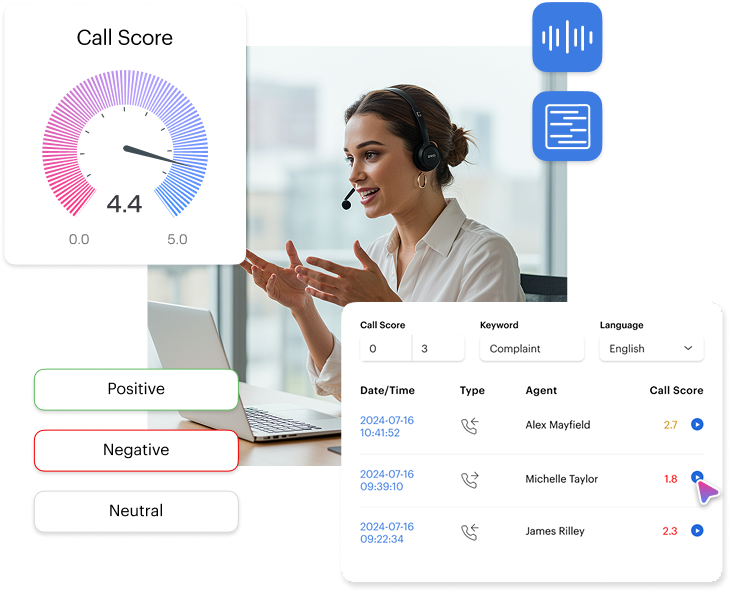


Feedback That Works the Way You Do
Ratings You Can Act On
When feedback is submitted, Voiso logs it, scores it, and flags issues.
Managers get alerts for low ratings, helping them jump in before a trend becomes a problem.
Tie feedback to specific agents or queues and start making improvements instantly.
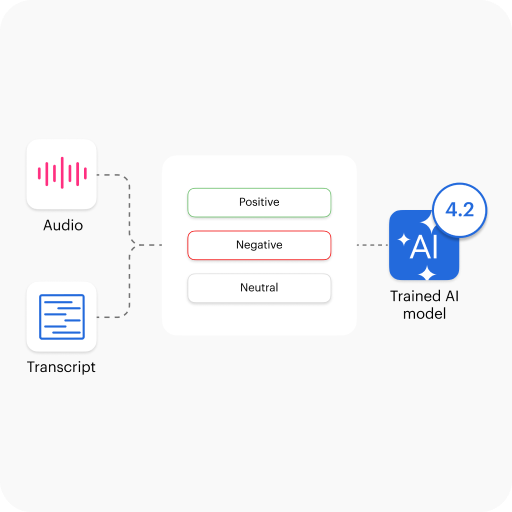
Built for Coaching and QA
Ratings alone aren’t the end goal, they’re a coaching opportunity.
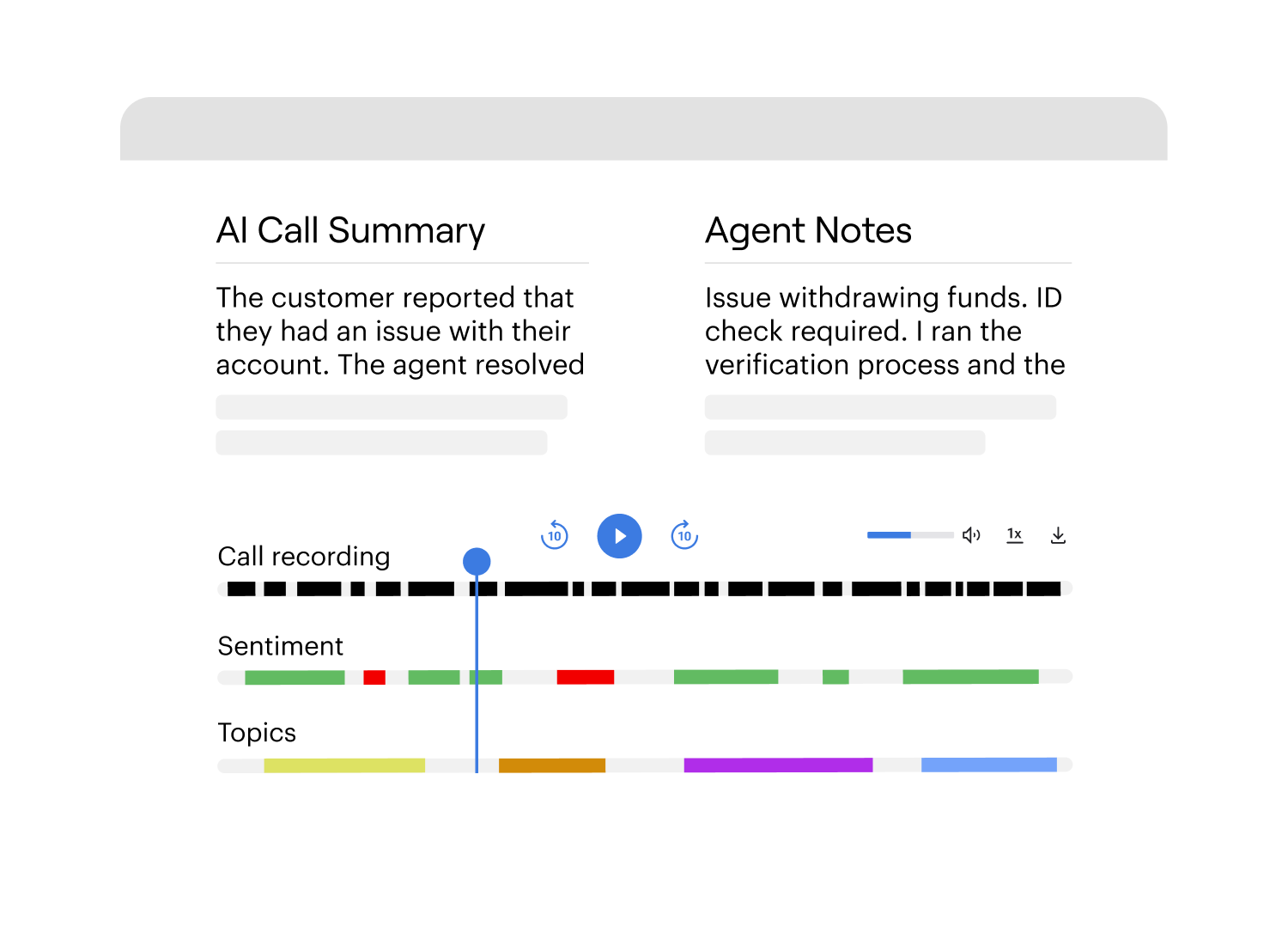
Voiso links post-call scores to recordings and transcripts, so supervisors can hear the full story.
Use that data to guide 1:1 coaching, reinforce great habits, or tweak scripts.
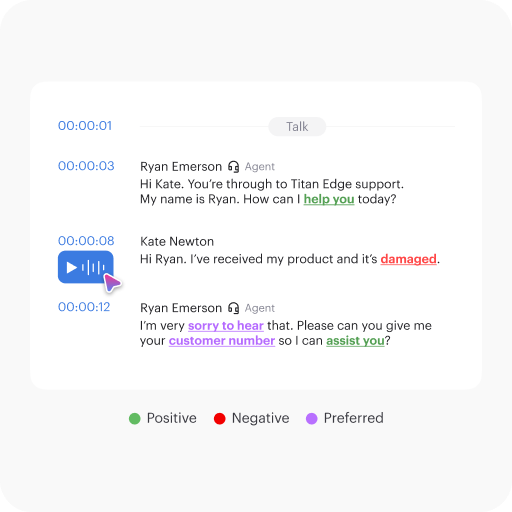
Adaptable to Any Channel or Flow
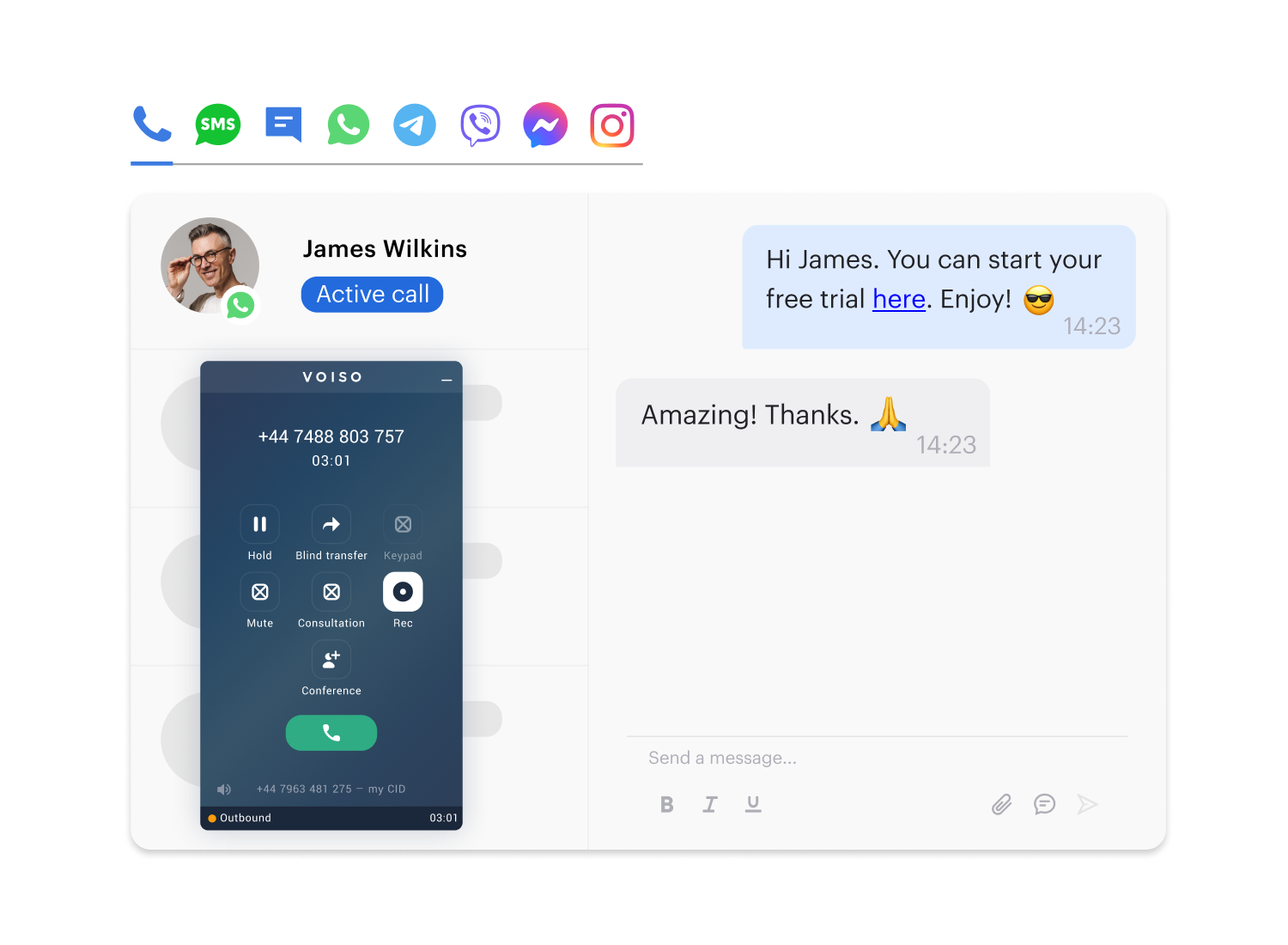
Whether you handle calls, or messages, Voiso fits right in.
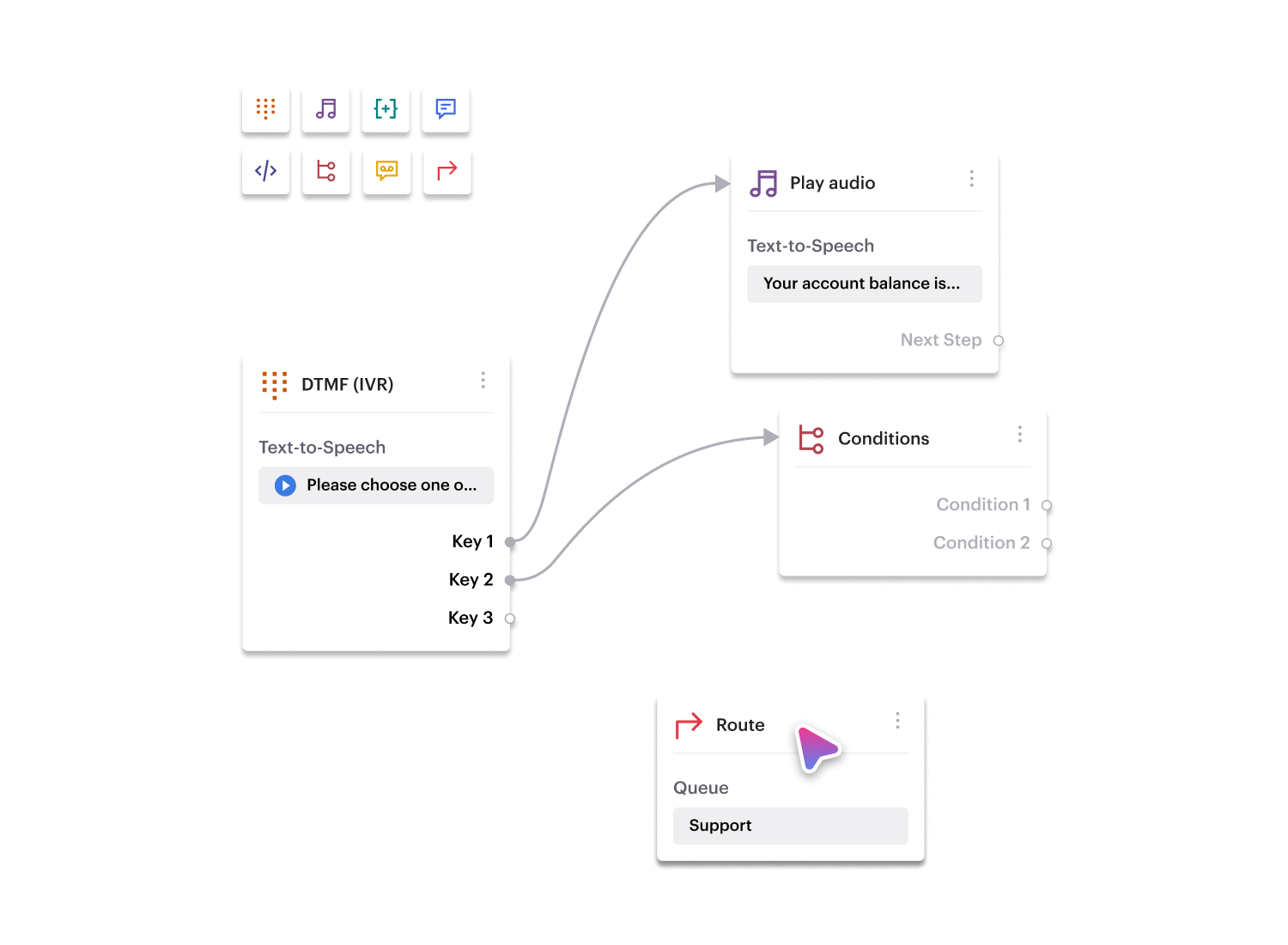
Post-interaction surveys can trigger whatever your workflow demands.
You set the formats, timing, and questions. No extra software or manual setup.
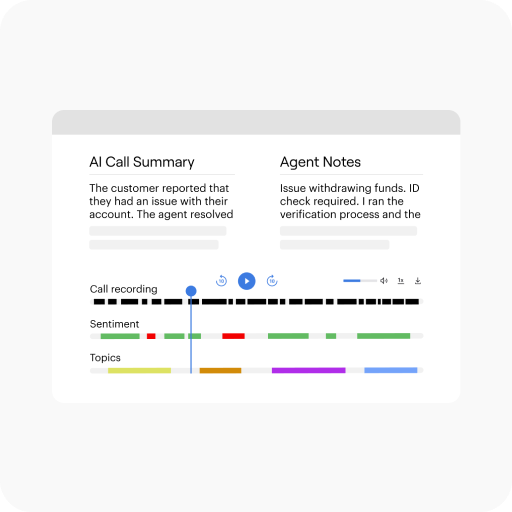
Actionable insights, instantly

customers





Get started in less than 24 hours
FAQ
What types of questions should I include in a post-call survey?
A well-crafted post-call survey doesn’t need to ask much, it just needs to ask the right thing. One or two questions are usually enough. Commonly, these include a satisfaction rating on a scale (such as 1–5 or 1–10), paired optionally with an open-ended prompt like “What could we have done better?” or “Is there anything you’d like to share about your experience?” Some businesses use emojis or thumbs-up systems for simplicity. The important part is relevance. A banking helpline might want to know whether an issue was resolved. A telecom provider may ask if the rep was polite or knowledgeable. And honestly, you don’t want to trap people in long forms, they’ll abandon them. So it’s usually better to aim for clarity and speed. Ask yourself: Would you complete the survey if you received it?
How do I increase response rates for post-call surveys?
Response rates are tricky. Most of us ignore surveys unless we’re annoyed, or genuinely impressed. To nudge more people to participate, timing and tone matter a lot. First, ask immediately after the interaction, while the experience is still fresh. Second, use a soft, polite introduction. Something like: “We’d really appreciate 10 seconds of your time to tell us how we did.” Avoid corporate jargon. Third, make it ridiculously easy. Don’t send someone to a 12-question Google Form. Let them tap one button or speak one word. Incentives can help too, a chance to win something, perhaps, but they’re not always necessary. Also, test different formats. Some people like SMS; others might prefer a brief email. And don’t forget to monitor your opt-out rate. If people feel hounded, they’ll tune out, no matter how well-designed the survey is.
How is post-call feedback different from traditional QA reviews?
Traditional quality assurance reviews usually rely on supervisors listening to a random selection of calls, then scoring them against a checklist. It’s useful but… slow. Post-call feedback, on the other hand, is immediate and comes from the people who matter most, your customers. It’s not filtered, it’s not delayed, and it often reveals insights that formal QA doesn’t catch. For instance, an agent might technically follow every procedure perfectly, yet still come across as robotic or cold. That won’t show in a QA checklist, but it will show in a 2-star rating with a comment like “Didn’t feel like they cared.” Post-call ratings help fill that emotional data gap. The two methods actually complement each other. Use QA to ensure consistency. Use post-call feedback to tap into real, moment-to-moment impressions.
Can I use post-call ratings to track agent performance over time?
Yes, but it’s important to do it thoughtfully. When used carefully, post-call ratings can help managers spot patterns: consistent praise, recurring complaints, or even sudden dips that hint at burnout. Over time, these ratings paint a picture not just of performance, but of customer perception. However, don’t rely on these scores alone. Agents may get unfairly judged if a customer was just having a bad day or misunderstood a policy. It’s best to combine ratings with QA data, call recordings, and even peer reviews to form a fuller picture. Also, be transparent with your agents. If they know how feedback is used, and that it’s not punitive, they’re more likely to take it as a tool for growth, not punishment. And that can change the whole culture of your contact center, bit by bit.
What Is Post Call Rating?
Post-call rating systems collect customer feedback immediately after contact center interactions end, typically through brief surveys or simple scoring mechanisms. Think of it as capturing that first impression while it’s still fresh in customers’ minds, rather than waiting weeks for follow-up surveys that people might not remember or bother completing.
Contact centers are increasingly adopting these systems because they provide immediate, actionable insights about service quality. Implementation typically follows voice calls, live chat sessions, email exchanges, or any digital interaction where customer feedback would be valuable. Some organizations use post-call ratings for every interaction, while others target specific scenarios like complaint resolution or sales calls.
The popularity stems from simplicity and immediate value. Rather than complex survey processes that generate low response rates, post-call ratings capture quick, authentic reactions that often prove more reliable than lengthy questionnaires customers complete days or weeks later.
Why It Matters for Customer Experience
Post-call ratings help identify significant gaps between how organizations think they’re performing and how customers actually perceive their service quality. This reality check often surprises management teams who assume their service is better than customers actually experience.
Customers appreciate having a final touchpoint to share honest thoughts without feeling pushy or demanding additional attention. It provides a safe outlet for both positive recognition and constructive criticism. The feedback creates valuable development loops that guide service improvements in directions that actually matter to customers rather than what organizations assume would be helpful.
Real-time feedback also enables immediate course correction when problems arise. If ratings suddenly drop, supervisors can investigate quickly rather than waiting for monthly reports that might identify issues too late to prevent customer churn.
How Post-Call Ratings Work?
The Feedback Flow
The process follows a straightforward sequence: call completion triggers an immediate rating request through IVR prompts or digital notifications, then customers submit scores using their phone keypad or clicking simple response options. This automation ensures consistent feedback collection without requiring agent intervention.
Many systems include open-text comment options alongside numerical ratings, providing qualitative context that helps explain the scores. Organizations can configure anonymous versus identifiable responses depending on their goals and customer privacy preferences. Anonymous feedback often generates more honest responses, while identifiable feedback enables follow-up with customers who had poor experiences.
The timing typically ranges from immediately after agent disconnection to within a few minutes of interaction completion. Too immediate might catch customers off-guard, while delayed requests risk lower response rates as people move on to other activities.
Survey Channels and Methods
Voice-based rating requests occur automatically after phone calls end, usually through simple IVR prompts asking customers to rate their experience on familiar scales like 1-5 or 1-10. The familiarity of phone interfaces makes participation intuitive while capturing authentic reactions.
SMS and email alternatives work well for customers who prefer text-based feedback or when voice rating isn’t practical. Brief survey links sent via text message often generate strong response rates because they’re convenient and non-intrusive.
In-app and chatbot-based options suit digital-first customers who interact through websites, mobile applications, or messaging platforms. Multi-channel approaches often work best because they accommodate different customer preferences and interaction types, maximizing response rates while ensuring feedback collection methods align with how customers prefer to communicate.