





Call Center QA Software
Deliver better conversations, every time
Monitor, score, and improve customer interactions with built-in QA tools.
Use our AI-powered insights, live monitoring, and conversation scoring, with no add-ons required.
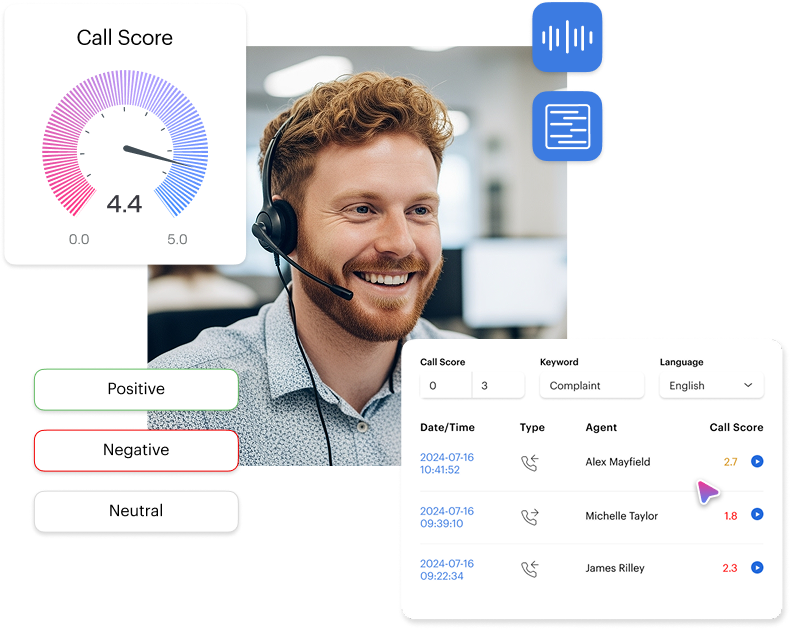


QA data, right when you need it
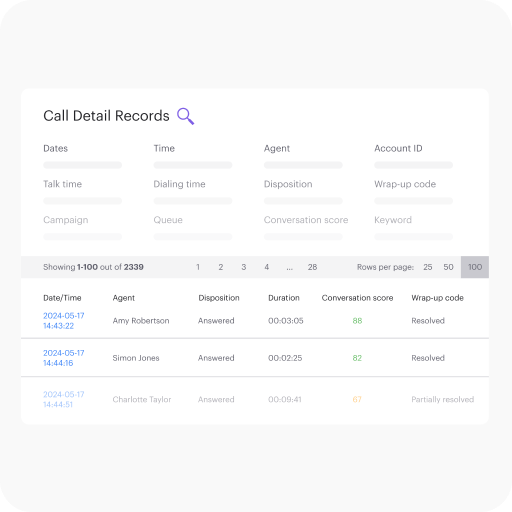
Track QA at the agent level
Monitor agent performance in real time with the Agent List widget, tracking call duration, hold time, and live status for targeted coaching.
For deeper insights, use Agent Zoom and customize dashboards with 20+ performance metrics to analyze trends and drive improvement.
Effortless customization
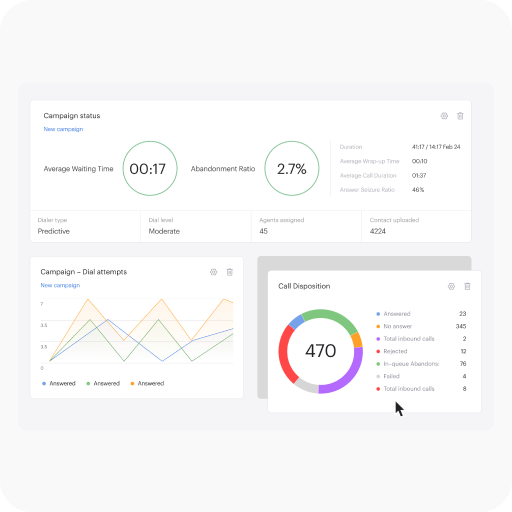
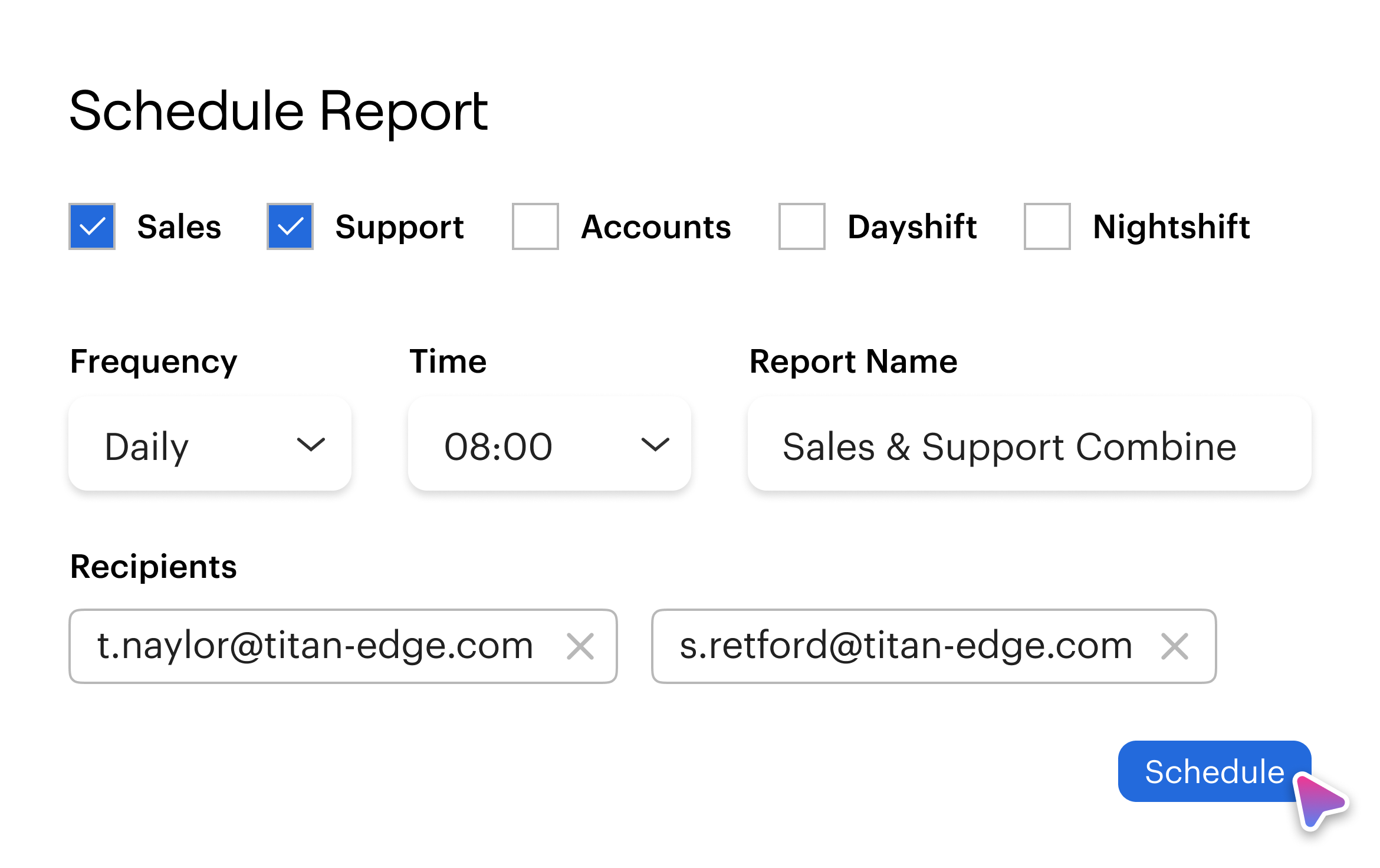
Create QA dashboards tailored to each team and objective, rearranging and configuring widgets to spotlight compliance, sentiment, or outcomes.
Use filters, color-coded alerts, and smart tags to surface key issues instantly and keep performance management effortless.
Extensive widget selection
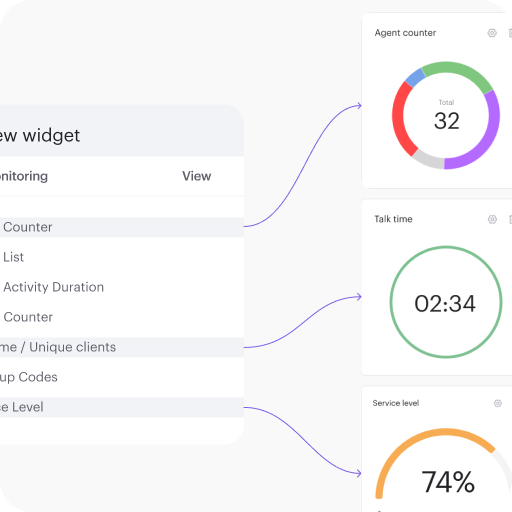
Access more than 60 QA widgets built for contact centers, tracking everything from call scores and dispute rates to script adherence in real time.
Add widgets in seconds to create a complete quality snapshot without reporting delays or data gaps.
Data-driven insights

customers




Get started in less than 24 hours
FAQ
What’s the difference between call monitoring and QA software?
Call monitoring essentially involves listening – whether that happens live or through recorded playback later. It’s a basic approach where supervisors tune in, take some notes, and move on. QA software transforms this simple concept into something far more powerful and systematic.
The framework component distinguishes QA software from basic monitoring. Rather than just hearing what happened, teams can analyze conversations systematically using consistent criteria. The software enables performance comparisons across different agents and time periods while tracking improvements over months rather than individual interactions.
Storage and retrieval capabilities often get overlooked but prove crucial over time. Basic monitoring typically results in insights living in someone’s memory or scattered across random notes. QA software creates searchable databases of interactions, scores, and feedback. Months later, teams can still access exactly what happened during challenging customer conversations and review how agents handled specific situations.
Scoring tools make evaluations more objective and fair. Instead of subjective impressions like “that call seemed adequate,” teams get specific metrics: Did the agent follow greeting protocols? Were hold times appropriate? Was the resolution complete? These standardized measurements eliminate bias and create equitable evaluations.
Automation represents the biggest operational advantage. Quality QA platforms automatically flag calls requiring attention, send feedback directly to agents, and suggest coaching topics based on performance patterns. Managers spend less time on administrative tasks and more time developing their teams effectively.
Scalability differences become critical as organizations grow. Manual monitoring works adequately for small teams, but analyzing hundreds of calls weekly while taking meaningful action becomes impossible without software assistance. QA platforms make comprehensive quality management practical regardless of team size.
Can call center QA software really improve customer satisfaction?
QA software significantly improves customer satisfaction when implemented properly, though the improvement comes through systematic problem identification rather than direct intervention. The software functions as a diagnostic tool that reveals issues teams might never notice through casual observation.
Pattern recognition capabilities excel at surfacing improvement opportunities. When customers repeatedly ask the same questions, it often indicates that scripts don’t address common concerns proactively. When certain agents consistently receive higher satisfaction scores, understanding their techniques becomes valuable for team development. Software surfaces these trends automatically rather than hoping someone notices them manually.
Complaint analysis provides actionable intelligence for immediate improvement. When data shows that 30% of negative feedback mentions “feeling rushed,” teams can address pacing issues directly. Agents can slow their conversational rhythm, ask more clarifying questions, and give customers adequate time to explain their situations. These targeted adjustments typically produce noticeable improvements in survey scores.
Awkward silences and dead air time create larger satisfaction problems than most managers realize. Customers interpret silence as confusion or disinterest, even when agents are simply thinking or researching information. QA tools measure these gaps precisely and help agents learn to fill them appropriately with status updates or reassuring comments.
Missed opportunity identification becomes clear through comprehensive call analysis. Natural upselling versus pushy sales tactics, helpful cross-selling versus revenue-focused suggestions – software distinguishes which approaches work and which ones irritate customers. Training becomes highly targeted when teams know exactly what behaviors to reinforce or modify.
Confidence building represents one of the most underestimated satisfaction drivers. When agents understand performance expectations and receive regular feedback about their progress, they sound more assured during customer interactions. Customers immediately detect this confidence, and it significantly impacts their perception of service quality.
Improvement timing varies considerably based on the type of changes implemented. Script modifications often show results in satisfaction scores within weeks, while tone and empathy coaching may take months to become visible. Understanding these timeframes helps maintain realistic expectations and sustained momentum during improvement initiatives.
How often should you review call center QA metrics?
Review frequency depends on team size and operational change velocity, but consistency matters more than specific timing. Weekly reviews suit smaller teams or periods of rapid growth and policy changes. Monthly reviews work well for established teams with stable processes. Consistency trumps frequency in creating sustainable improvement cycles.
Review rhythm should align with action capacity. Collecting weekly data while only having time to address issues monthly creates inefficiency and frustration. Better to review less frequently but actually implement changes based on findings. Otherwise, the entire process becomes performative rather than productive.
Accountability structures ensure metrics don’t get ignored or forgotten. Some managers schedule dedicated meetings specifically for QA results discussion. Others integrate metric reviews into existing one-on-one sessions with agents. The format matters less than ensuring regular, meaningful engagement with the data.
Transparency in result sharing creates engagement that most agents appreciate, even when performance needs improvement. When people understand measurement criteria and can track their progress over time, they engage more actively with the improvement process. Hidden scorecards typically breed suspicion and resistance to feedback.
Agent input adds essential context that numbers alone cannot provide. An agent might have handled several unusually difficult calls during the review period, or dealt with confusion from a new product launch. Getting their perspective helps interpret data more accurately and leads to more productive coaching conversations.
Feedback loop timing directly impacts effectiveness. Reviewing monthly metrics but only discussing them quarterly defeats the improvement purpose.
Agents need relatively immediate feedback to connect their actions with measured outcomes. The closer feedback timing gets to actual performance, the more behavioral change occurs.
Real-time dashboards complement periodic reviews effectively. Agents can check their scores daily if desired, while managers focus on trends and patterns during formal review sessions. This hybrid approach provides information access without creating overwhelming monitoring pressure.
Seasonal adjustments become necessary depending on business cycles. Holiday periods, product launches, or policy changes can skew normal performance patterns. Recognizing these factors and adjusting review frequency accordingly demonstrates understanding of context behind numbers, not just the numbers themselves.
Is Voiso’s QA software suitable for small call centers?
Absolutely. A lot of smaller teams think QA tools are overkill, something only big operations need. But that’s not really the case anymore. Modern platforms like Voiso don’t require a big IT department or huge budgets. And small teams often benefit even more from QA tools because there’s usually less room for error and fewer managers to spot issues manually. Plus, tools that help you coach without micromanaging? That’s gold for lean teams.
Does Voiso support omnichannel QA or just voice calls?
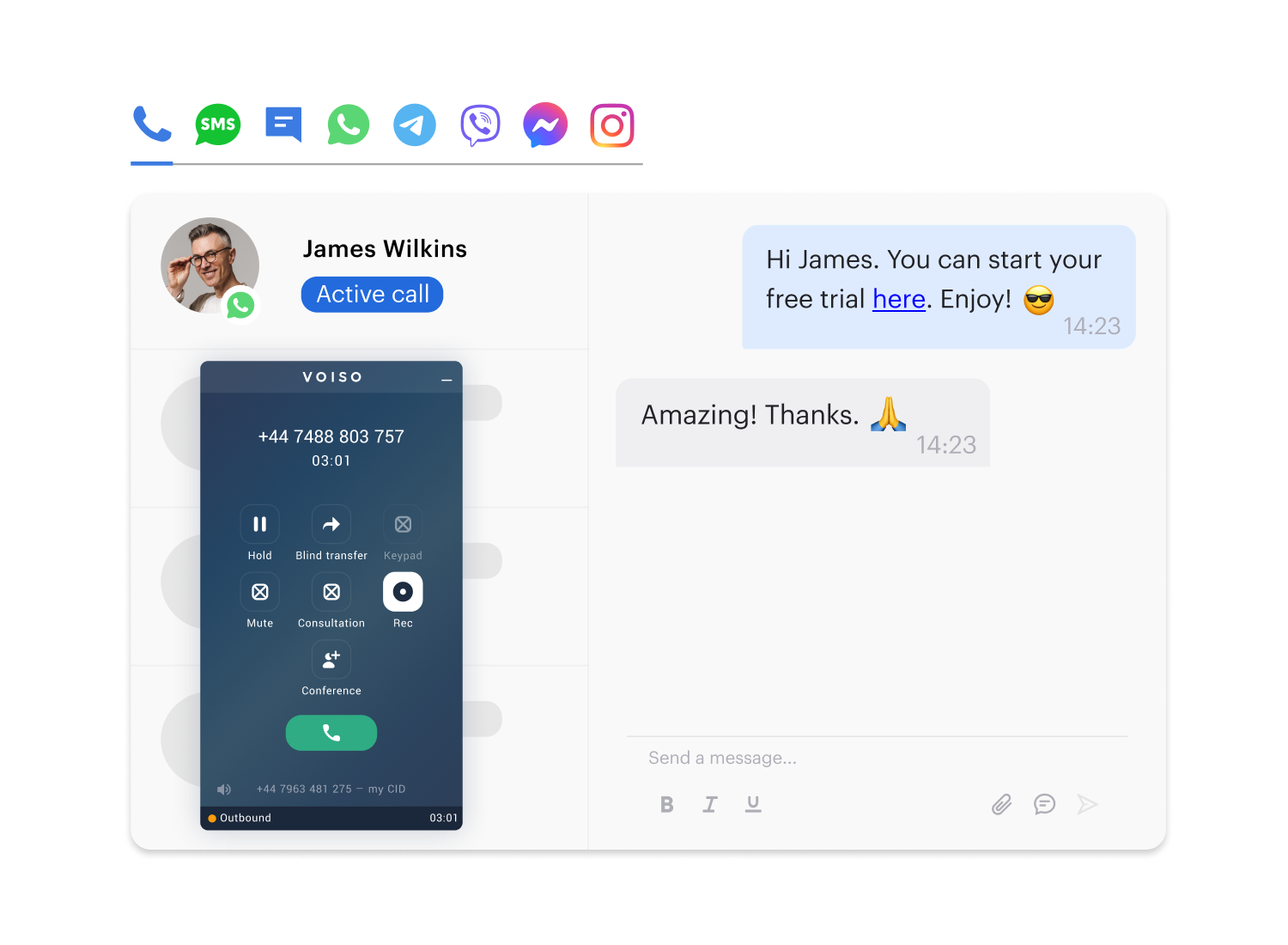
Voice might be the centrepiece, but it’s not the whole picture. Voiso can track interactions across channels, voice, chat, even messaging apps. The idea is to treat every interaction like part of the same conversation. So if a customer starts on WhatsApp and ends up calling support, you don’t lose the context. And yes, the QA tools apply across all those touchpoints, so your standards stay high no matter where your customers are reaching out from.
What Are the Benefits of Using Voiso QA Tools?
Better Customer Interactions, Consistently
Feedback loops are where the magic happens, really. When agents get specific, actionable feedback about their conversations, they can fix small issues before they become big problems. I think this is probably the most underestimated benefit.
The improvement in first-call resolution rates can be significant. Agents learn which questions to ask upfront, how to guide conversations more effectively, and when to escalate appropriately. Rather than having customers call back frustrated, issues get resolved on the first try.
Reducing escalations and churn follows naturally. Customers who feel heard and helped rarely demand to speak with managers. They certainly don’t switch to competitors as often. The data on this is pretty compelling, though results vary depending on your industry.
Empowering Agents With Actionable Feedback
Here’s something interesting – most agents actually want feedback, but they want it to be useful. Telling someone they scored a 7.2 out of 10 doesn’t help them improve. Telling them they interrupted the customer three times and explaining how to handle objections better? That’s actionable.
Coaching cycles become much faster when supervisors have specific examples to work with. Instead of vague advice like “be more empathetic,” they can point to exact moments in calls and suggest alternatives. Agents pick this up much quicker than you’d expect.
The autonomy piece is crucial too. When agents understand what good performance looks like and how to achieve it, they need less micromanagement. Supervisors can focus on genuine development rather than constantly monitoring every interaction. There’s less stress on both sides, frankly.
Measurable Gains in Efficiency
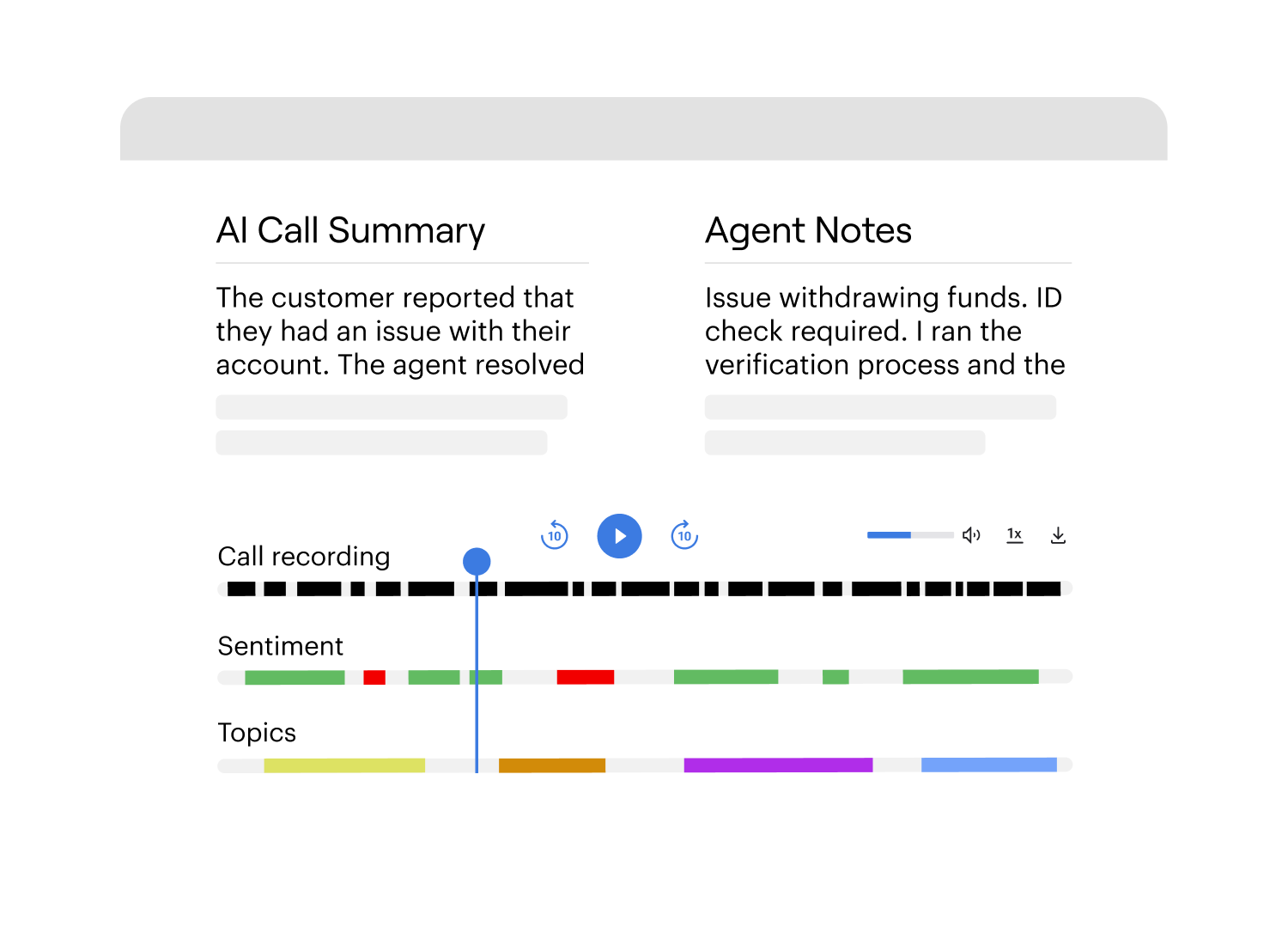
Automation definitely decreases review time. What used to take supervisors hours of manual listening can now happen in minutes. The software flags calls that need attention and provides summaries of key issues. Supervisors can focus their time on coaching rather than data collection.
Identifying problem areas becomes almost instantaneous. Maybe you’re seeing complaints about hold times, or certain products are generating confusion. The software can spot these patterns across hundreds of calls and surface them immediately. Without this technology, it might take weeks to notice trends.
Data-driven training programs hit differently than generic approaches. When you know exactly where agents struggle – handling angry customers, explaining technical features, closing sales – you can create targeted training modules. The results speak for themselves.
What Is Call Center QA Software?
Quality assurance in call centers is basically your way of making sure every customer conversation meets certain standards. Think of it as having a coach who listens to calls and helps agents improve their performance. But instead of just one person doing this manually, QA software automates much of the process.
The role QA plays in service consistency is pretty crucial, though sometimes overlooked. When agents know their calls might be reviewed, they tend to stick closer to protocols. More importantly, the feedback helps them understand what good looks like. I’ve noticed that teams without regular QA often drift from their training over time – it’s just human nature.
Traditional monitoring systems are different beasts entirely. Old-school call monitoring usually meant supervisors randomly listening to calls and taking notes. QA tools, on the other hand, can analyze every single conversation using AI. They spot patterns, flag issues automatically, and provide detailed scorecards. It’s like comparing a magnifying glass to a microscope – both help you see things, but one gives you far more detail and coverage.
Perhaps the biggest difference is that modern QA software doesn’t just tell you what happened. It shows you trends, predicts problems before they escalate, and suggests specific improvements. Traditional systems were more reactive; these tools are proactive
What Are the Best Practices for Implementing QA in Call Centers?
Start With Clear Objectives
You need to identify what matters most to your business before diving into metrics. Are you focused on compliance? Customer satisfaction? Sales conversion? Each objective requires different measurements and approaches. I’ve seen too many teams try to measure everything and end up measuring nothing effectively.
The metrics you choose should be visible and relevant to agents. If agents can’t see how their performance impacts these numbers, they won’t care about improving them. Make the connection between daily activities and business outcomes crystal clear.
Consider starting with just a few key metrics rather than overwhelming everyone with dozens of measurements. You can always add more later as the system matures.
Train Supervisors to Use QA as Coaching, Not Policing
This might be the most important piece of the puzzle. QA should feel like development, not punishment. When supervisors approach reviews with a collaborative mindset, agents respond much better to feedback.
Avoiding that punitive atmosphere takes conscious effort. Some managers default to pointing out what went wrong rather than exploring how to do it better next time. The framing makes all the difference in how agents receive and act on feedback.
Reviews work best as conversation starters. Rather than delivering verdicts, supervisors can ask questions: “What do you think went well in this call? What would you do differently? How can I help you handle similar situations in the future?”
Close the Feedback Loop
Recurring reviews keep improvement momentum going. One-time feedback sessions rarely create lasting change. Regular check-ins help agents build new habits and address challenges as they arise.
Tracking performance changes after feedback tells you whether your coaching actually works. Some approaches that sound good in theory don’t translate to real improvement. The data keeps you honest about what’s effective.
Involving agents in their own improvement plans creates buy-in. When agents help identify their development goals and suggest solutions, they’re more likely to follow through. It becomes their plan, not something imposed on them.
What Are the Use Cases for Voiso QA Across Teams and Industries?
Sales Teams
Monitoring tone and closing techniques can reveal why some agents consistently hit their numbers while others struggle. The best performers often use specific language patterns or timing that others can learn from.
Training based on actual calls is far more effective than role-playing scenarios. Agents can hear themselves handling real objections and learn from successful closes by colleagues. The authenticity makes the lessons stick better.
Reducing dropped deals often comes down to identifying where conversations go wrong. Maybe prospects lose interest during certain parts of the pitch, or agents fail to address specific concerns. QA tools can pinpoint these moments with precision.
Customer Support
Policy deviations happen more often than most managers realize. Agents might take shortcuts under pressure or misremember procedures. Early detection prevents small deviations from becoming bigger problems.
Ensuring empathy and clarity in support conversations is partly art, partly science. QA software can identify when agents sound rushed or use too much technical jargon. It can also flag calls where customers express frustration that wasn’t properly addressed.
Resolution speed improves when agents learn efficient troubleshooting patterns. Some agents naturally guide customers through problems step-by-step, while others jump around randomly. Sharing the most effective approaches benefits everyone.
Compliance-Heavy Industries (Finance, Healthcare)
Automatic flagging of risky language is almost essential in regulated industries. Agents might accidentally promise something they can’t deliver or forget required disclosures. The software catches these issues before they become compliance violations.
Audit trails and voice verification provide documentation that regulators increasingly expect. When questions arise about what was said during a call, you have detailed records and recordings. This protects both the company and the customer.
Legal exposure reduction is perhaps the most valuable benefit for these industries. A single compliance violation can cost more than years of QA software licensing. The peace of mind alone justifies the investment, though the operational benefits are substantial too.