





Call Suppression
Silence What Doesn’t Matter
Avoid unnecessary repeat dials and protect agent productivity. Voiso’s Call Suppression automatically pauses numbers once daily call-attempt limits are reached to help you stay compliant and respect customer experience.
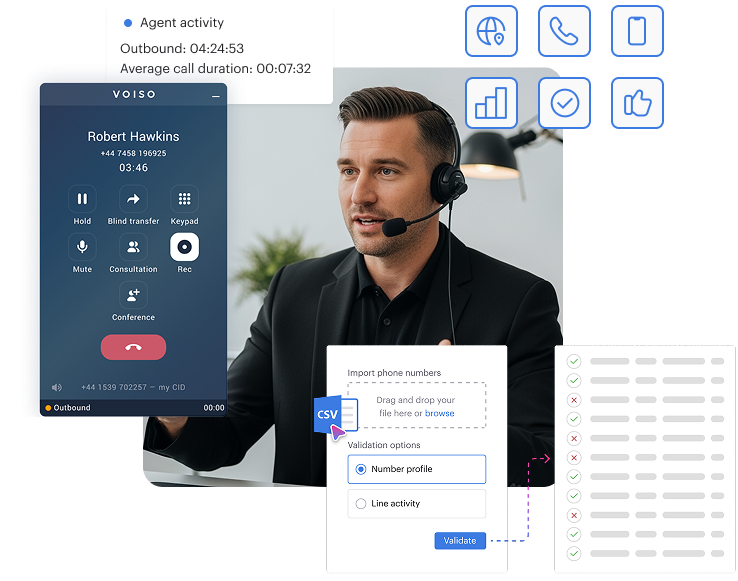


Your Calls, Your Control
Intelligent Call Filtering
Not all calls are created equal.
With Voiso, you can suppress known spam, opt-outs, and low-quality numbers before they hit the queue.
It’s precision filtering that protects agent focus and prioritizes productive conversations.
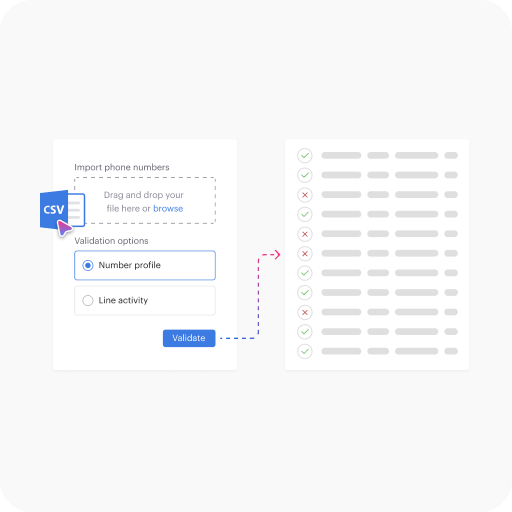
Rules That Work the Way You Do
Tailor suppression logic to match your outreach strategy, by campaign, channel, or lead type.
Whether you’re reducing contact frequency or avoiding repeat dials, Voiso gives you the levers to tune engagement, not shut it off.
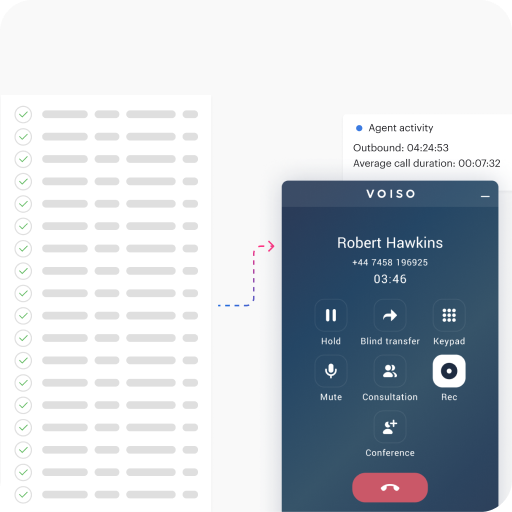
Compliance Without Complexity
Built-in dialing limits help support compliant outbound practices and reduce risk from excessive call attempts.
From cooldown timers to country-specific rules, everything is trackable, transparent, and ready to scale.
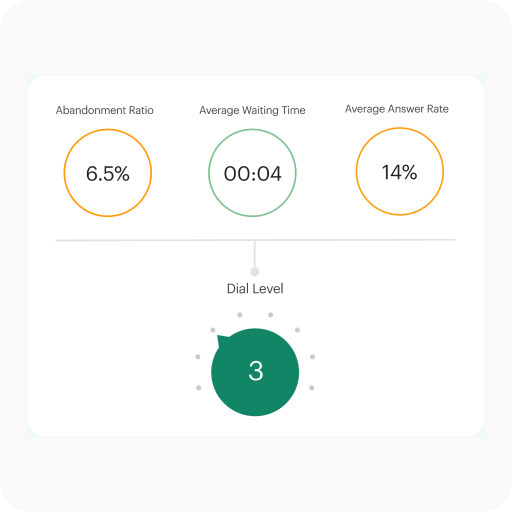
Performance That Speaks for Itself

customers




Get started in less than 24 hours
FAQ
How does call suppression improve compliance with telemarketing laws?
Call suppression plays a quiet but critical role in keeping your business compliant with regional and national call regulations. Many countries have strict laws about who you can contact, how often, and whether a user has previously opted out. If you’re running outbound campaigns, especially across borders, there’s a good chance you’ve got several rules to juggle at once.
What suppression does is help automate that complexity. It ensures calls aren’t placed to numbers listed on Do Not Call registries, or to leads who’ve opted out via internal forms or past conversations. You can even configure it to flag repeat attempts made within a certain timeframe, a common compliance risk. Without suppression, you’re relying on your agents or outdated blacklists to do the job manually, and that’s where mistakes happen.
It’s also worth noting that good suppression logic helps protect your brand from getting flagged by carriers, reducing your risk of being marked as spam.
Can call suppression reduce agent burnout?
Yes, and often in ways that aren’t immediately obvious. When agents repeatedly call dead numbers, hostile leads, or individuals who clearly don’t want to be contacted, it takes a psychological toll. It’s not just about wasted time. It’s about momentum, motivation, and mental energy. Call suppression helps break that cycle by reducing unproductive interactions before they even happen.
For instance, if someone has been marked “do not call” after a particularly negative exchange, suppression keeps that number out of the call queue. Or maybe a lead hasn’t answered after five attempts in a week, it might be time to pause, not push harder. Automating that pause gives agents cleaner, more actionable lists. They’re not guessing or second-guessing. That clarity matters.
Over time, suppression creates a healthier feedback loop. Happier agents, better conversations, less friction. It’s not the only tool for reducing burnout, but it’s a smarter foundation to build around.
How should businesses balance call suppression with contact persistence?
That’s a tricky one, and honestly, there’s no universal answer. Some sales strategies encourage repeated follow-ups. Others warn against coming off as aggressive. The truth lies somewhere in between, and suppression tools help find that middle ground, if configured thoughtfully.
One way to strike a balance is by setting dynamic rules. For example, allow three attempts in the first 48 hours, then pause for a week before trying again. Or exclude anyone marked “not interested” unless they re-engage through another channel. Suppression doesn’t mean silence forever. It’s just about spacing interactions in a way that feels respectful, and smarter.
Also, think of suppression as a filter, not a barrier. When used right, it helps prioritise who you reach out to next. You’re not giving up on the lead. You’re just choosing a better time. Or handing it off to a different team. Or switching the communication channel. It’s nuance that matters here, and suppression gives you the levers to adjust, not lock the door.