




Call Masking Software
Talk Freely. Stay Anonymous.
Voiso’s Call Masking Software protects both ends of the line, so customers and agents can connect without ever exposing personal numbers. Route calls through secure proxy numbers, automate expiry rules, and maintain privacy at scale without sacrificing communication quality.


Your Rules, Your Control
Custom Expiry Rules for Any Scenario
Not every interaction needs the same masking lifespan.
Voiso lets you configure masking durations based on call purpose, campaign type, or ticket lifecycle.
Whether it’s a one-time delivery update or a week-long support case, your masking rules match the context.
User- or Campaign-Based Masking
Apply call masking selectively, only where it’s needed.
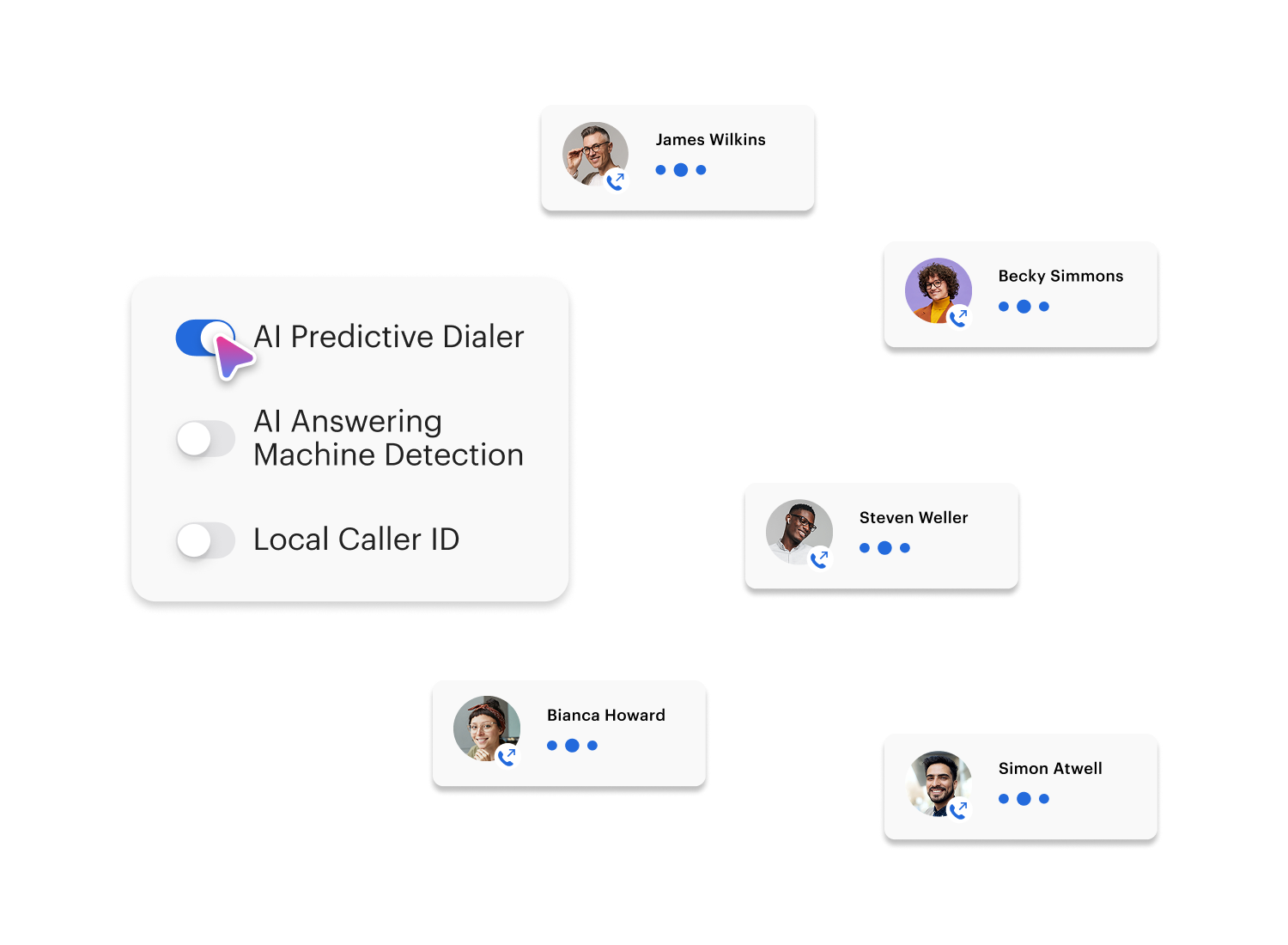
Voiso enables per-agent, per-department, or per-campaign masking logic so you can protect privacy without overcomplicating your workflows.
Great for marketplaces, gig platforms, and distributed sales teams.
Real-Time Monitoring & Audits
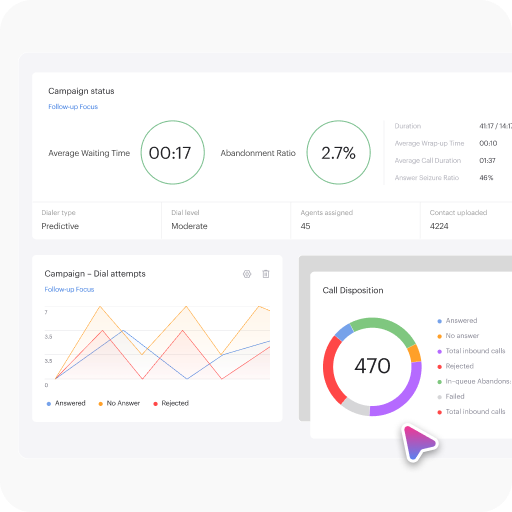
Keep full visibility into how and when masking is applied.
Voiso logs each masked interaction with metadata, call path, and expiry behavior, giving you compliance-grade traceability without the overhead.
See What's Working and What's Not

customers




Get started in less than 24 hours
FAQ
Can call masking affect call quality or user experience?
That’s a valid concern, and honestly, it comes up often when teams are switching to more privacy-focused tools. But here’s the thing, Voiso’s masking operates at the signaling layer, not the audio layer. So what does that mean? Well, the voice path is the same as any regular VoIP call, just routed slightly differently. From the user’s perspective, nothing really changes. You dial, the other side picks up, and the conversation flows. The only real difference is what’s visible on the caller ID. So unless someone’s specifically looking for a personal number to pop up, and really, why would they?, they won’t notice a thing. Plus, Voiso makes sure the latency added is negligible. It’s not magic, just clever engineering. That said, if someone has a really weak signal or if the endpoint is an old PSTN line in a rural area, sure, quality might dip a bit, but that’s not about the masking. That’s just telecom.
How long do the masked numbers stay active?
There’s no one-size-fits-all answer here, and maybe that’s the point. Voiso gives you options. You might want the masked number to expire right after the call ends, which is ideal for one-off interactions like a food delivery or a customer support ticket. In that case, the proxy number disappears almost instantly, and the link between parties is cut. Other times, maybe you need to keep the number alive for a day, a week, or however long a case remains open. That’s common in healthcare, legal consultations, or even contractor-client conversations. And yes, you can automate all of this. You just choose your rules, time-based, interaction-based, or manually revoked. There’s also a safety net: if a number isn’t used for a while, the system can release it back into the pool. So you’re not burning through resources. It’s flexible, but also tidy.
Is call masking legal in all regions?
So, this is one of those “it depends” questions. In most places, yes, it’s perfectly legal to mask phone numbers, especially if the goal is to protect privacy, not deceive. Voiso’s system is built with compliance in mind, so everything aligns with major regulations like GDPR in Europe and CCPA in California. That said, you’re still responsible for how you use it. For example, masking a number to impersonate someone else? Definitely not allowed. But setting up masking to safeguard an employee’s identity? Totally fine. It’s all about intent, really. Also worth mentioning, some telecom carriers in certain countries have rules about proxy numbers, especially when it comes to outbound SMS or call campaigns. So while the technology is solid, the legal bit might come down to your specific use case. A quick chat with your compliance team usually clears things up.
Do masked numbers work across international calls?
In most cases, yes. Voiso’s platform is built for global reach, so international call masking is fully supported, at least for voice. The only hiccups might come from local carrier rules in some countries that restrict dynamic caller ID or proxy numbers. But those are exceptions, not the rule. The vast majority of countries allow these calls to pass through just like any other VoIP call. One thing you might run into, though, is formatting issues. Like, if a caller ID shows up as a local number in one country, but it’s formatted in international digits on the other side. That’s not a Voiso issue, it’s just telecom systems interpreting data differently. Still, calls connect, people talk, and privacy is protected. If your use case depends on cross-border interactions, Voiso can route those cleanly. And yes, the masked numbers still shield both ends, no matter how far apart they are.