





Call Detail Records
The Data Behind Every Call
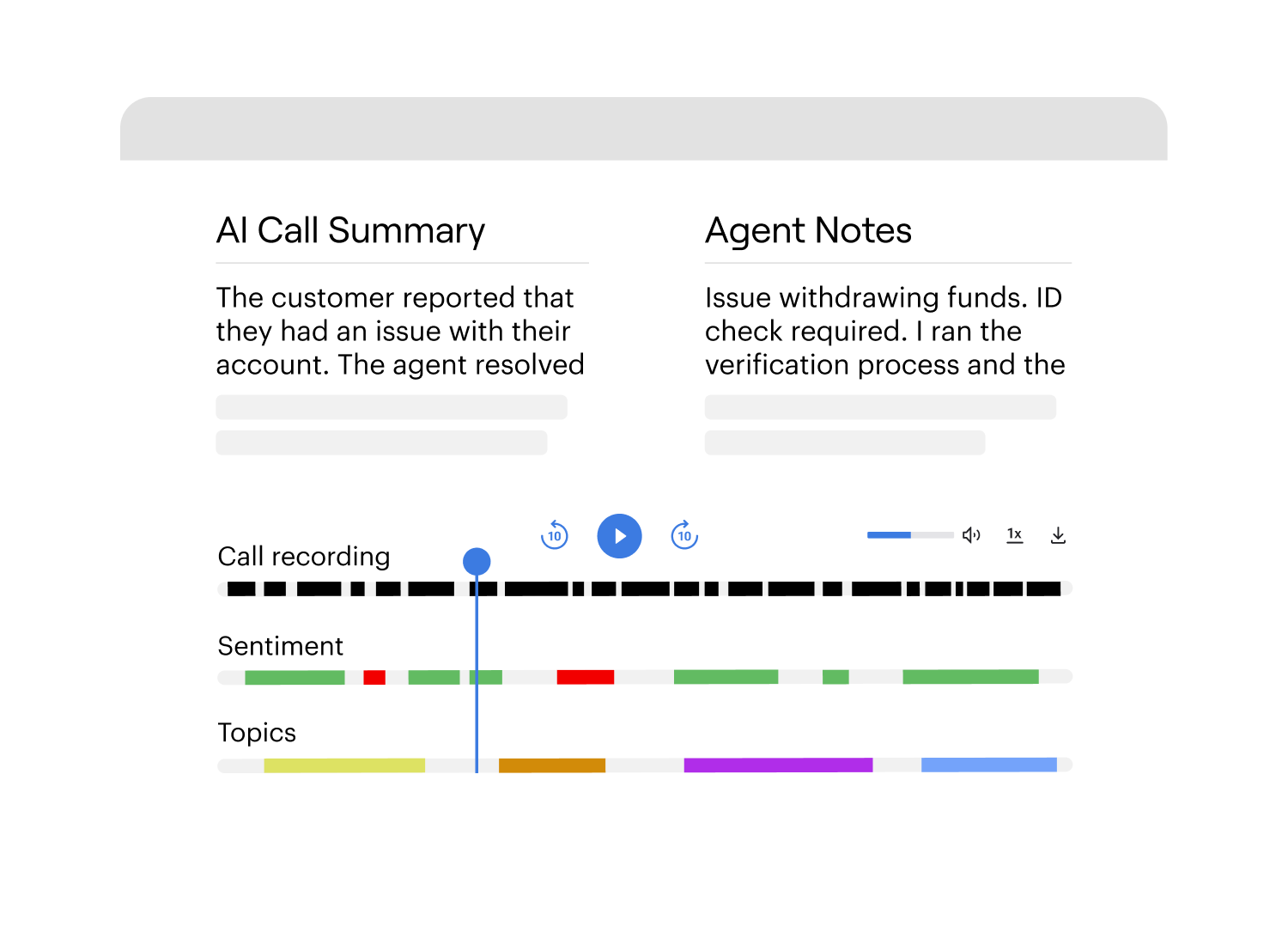
Call Detail Records (CDRs) give you real-time visibility into every conversation, without needing to listen in. Track call activity, durations, status, and outcomes at scale to sharpen strategy and improve service.
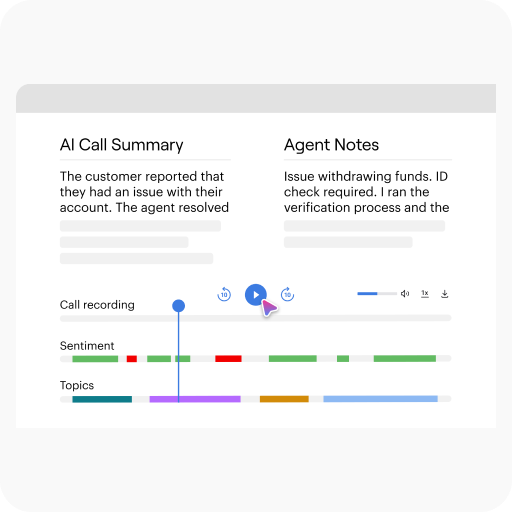


Voiso's CDR
Monitoring for Smarter Decisions
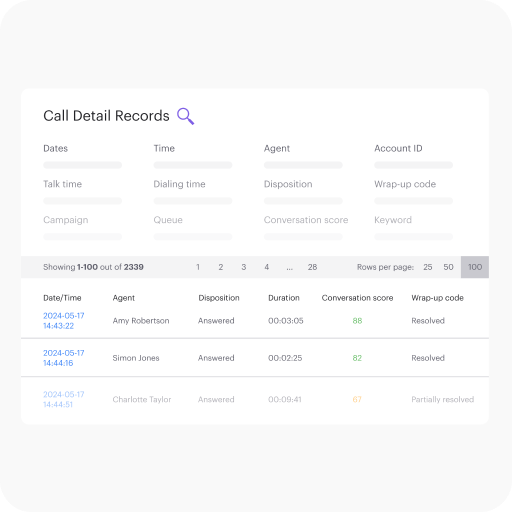
Monitor every interaction in one place.
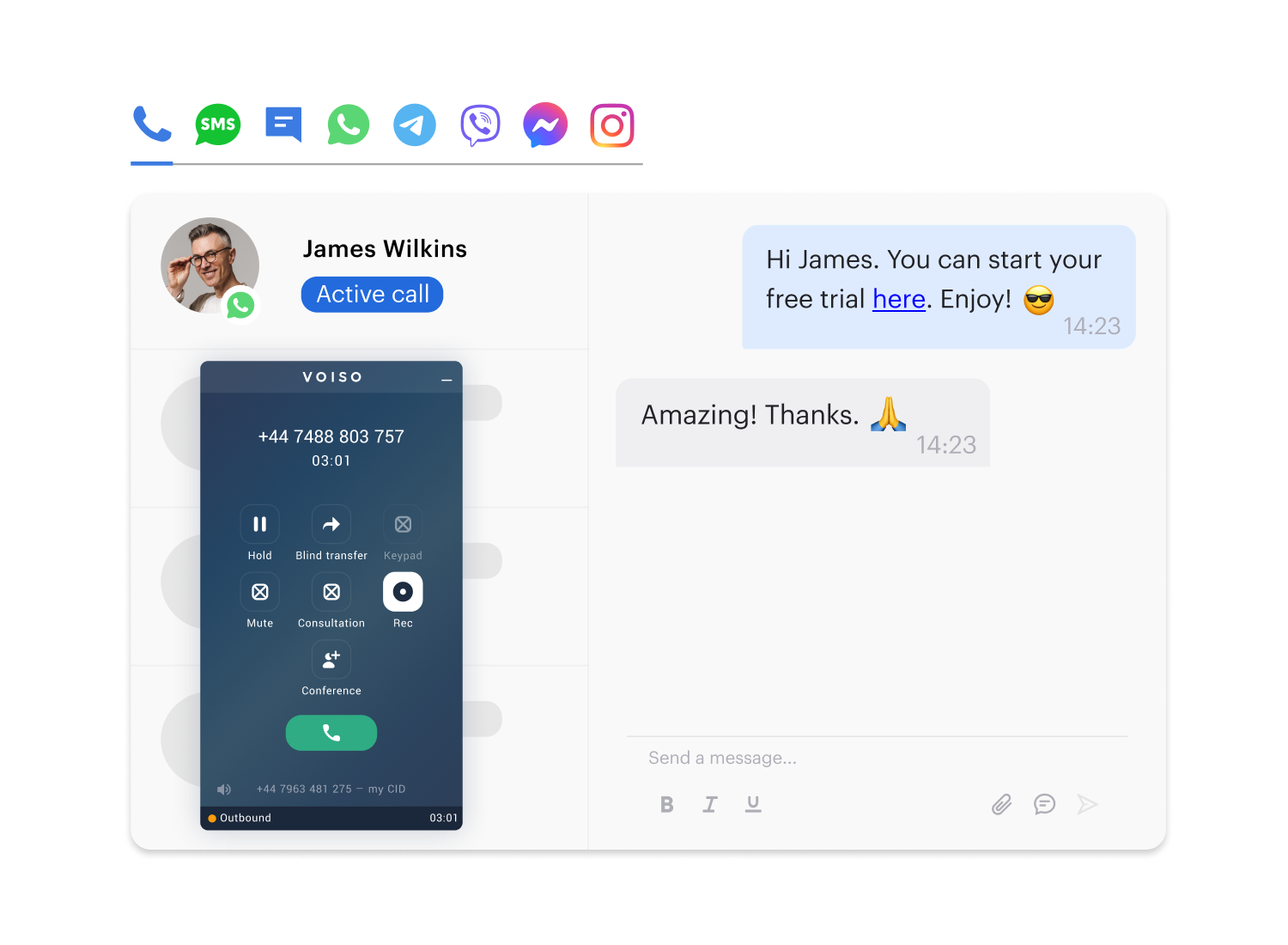
With Voiso’s CDR supervisors can see all historical call and chat activity, spotting issues, coaching agents and adjusting routing logic before small problems snowball.
Flexible Data Access & Workflow Integration
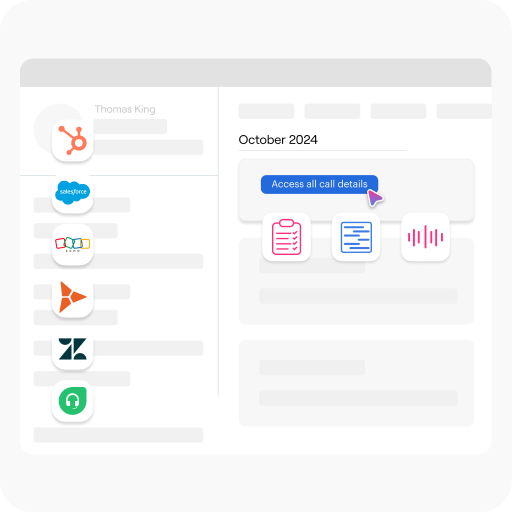
CDRs don’t live in isolation.
Voiso lets you pull them directly into your CRM, reporting platform, or QA system via API.
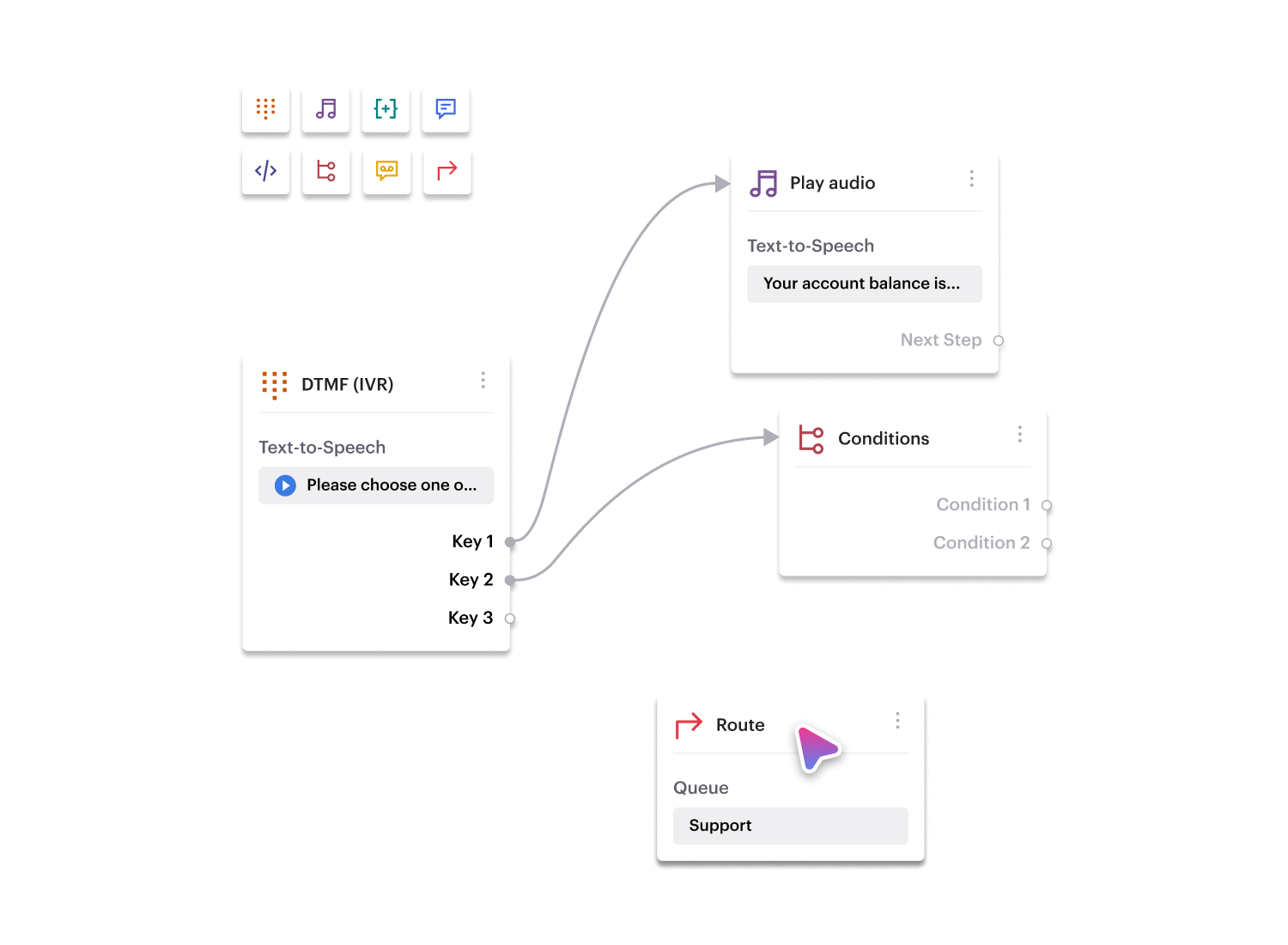
Whether you’re triggering follow-ups, syncing call outcomes to customer records, or exporting data for audits, the system fits your flow, not the other way around.
Built-In Governance, No Extra Work
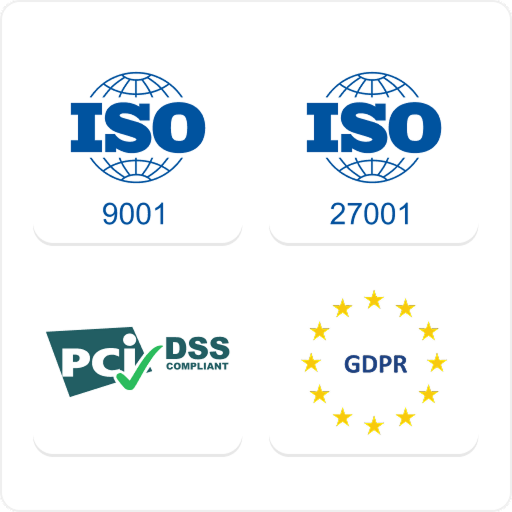
With encrypted storage, customizable retention windows, and user-level access controls, Voiso ensures your CDR data is protected and compliant by default.
From GDPR to internal audit trails, governance is baked into the system, so you can scale without risk.
Performance That Speaks for Itself

customers





Get started in less than 24 hours
FAQ
Can CDRs be used to improve customer satisfaction?
Absolutely. While CDRs might seem like raw numbers on the surface, they’re often the first sign that something’s going wrong, or going right. For example, if you spot a pattern of high call abandonment at a certain hour, you might realise there’s a staffing issue. Or if customers tend to hang up right after a transfer, maybe your routing logic is flawed.
Also, duration can be telling. Very short calls might mean calls are being mishandled or misrouted. Really long ones? Possibly that agents need better training or scripts. By combining CDRs with qualitative feedback or speech data, you can cross-check if complaints match what the logs are showing. And honestly, sometimes they don’t. That’s helpful too. It gives you a clearer lens into what’s happening when no one’s watching, or listening.
So, while CDRs alone don’t “fix” service, they’re the breadcrumbs that point you in the right direction. If used thoughtfully, they can quietly push customer experience from acceptable to excellent.
How do CDRs support legal compliance and dispute resolution?
Let’s say a customer insists they never received a callback, or worse, claims an agent hung up on them without cause. Without a CDR, it’s your word against theirs. But with it? You’ve got a timestamp, duration, outcome, and sometimes even routing metadata. That’s not just helpful. It can be a legal safeguard.
Many telecom regulations, especially for businesses operating across borders, require accurate records of call activity. Think GDPR, HIPAA, or FCC standards. Having clear, accessible call logs not only satisfies audits but also protects against accusations of noncompliance. If a government agency or legal team wants proof of contact (or non-contact), CDRs do that neatly.
But there’s nuance. CDRs shouldn’t be your only line of defence. They don’t contain audio, intent, or tone. They won’t tell you if someone was polite, or inappropriate. So, think of them as structural evidence. You’ll want them paired with QA monitoring, call recordings, and policies that define acceptable conduct. Together, they form a much stronger case.
What’s the best way to manage CDR storage without getting overwhelmed?
It’s a fair question. Because CDRs can pile up, fast. If you’re running a high-volume operation, even a single day might generate thousands of rows. And if your archiving habits aren’t up to snuff, things can become unmanageable in a hurry.
The smart move is to set a storage lifecycle. Something like: keep real-time data active for 30 days, archive for 6 months, and purge after 12, unless legally required to retain it longer. And automate that. Don’t leave it to manual downloads or someone remembering to click a button.
Also, compress older data. Raw CDRs can be trimmed of unnecessary fields once they’re no longer used for active analysis. Or better yet, push long-term archives into cloud cold storage, which costs a fraction of what live-access storage does.
Most importantly, keep your retrieval simple. What’s the point of storing it if no one knows where it is, or how to pull it? Label it well. Index it smartly. And check access permissions regularly so it doesn’t become a backdoor risk.