





Call Centre Wrap Up Codes
Tag Calls. Track Patterns. Train Smarter.
Wrap-up codes let your agents summarize every call in a click, fueling cleaner reporting, sharper coaching, and smarter queue logic. Voiso makes them flexible, fast, and fully integrated.
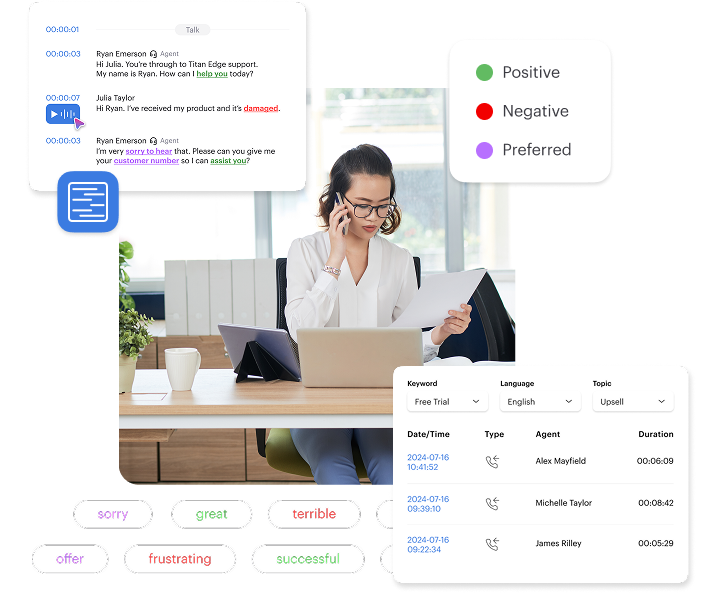


Your Ops, Your Way
Tailored Code Lists for Every Workflow
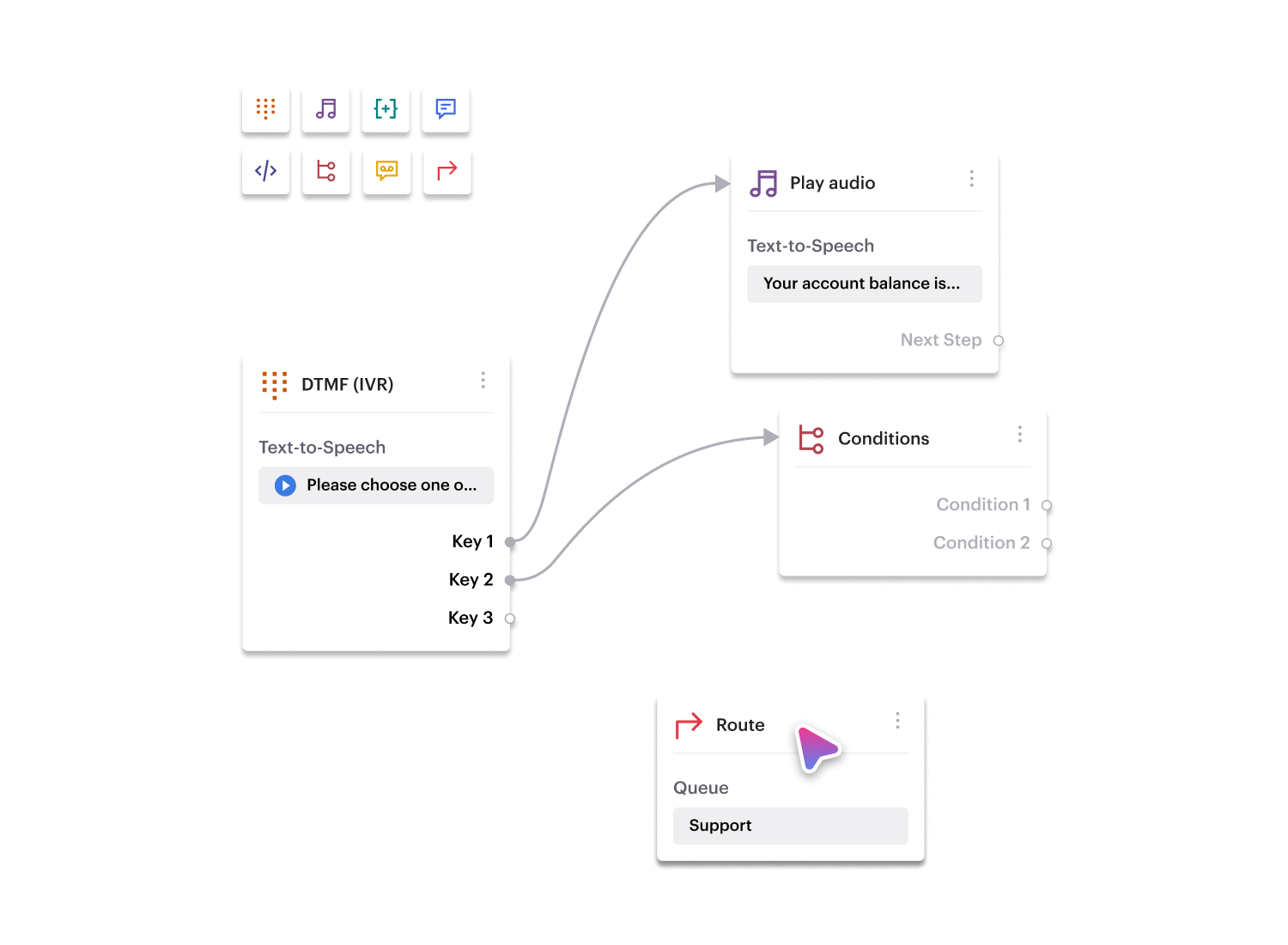
Whether you’re supporting sales, billing, or technical queries, Voiso lets you assign code sets to match your queues and teams.
No hunting through irrelevant options.
Just the right tags, exactly where they’re needed.
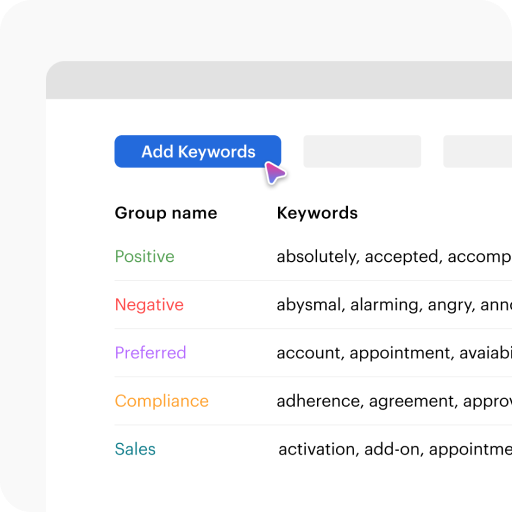
Live Reporting, Built Around Codes
Wrap-up codes aren’t just labels, they’re data points.
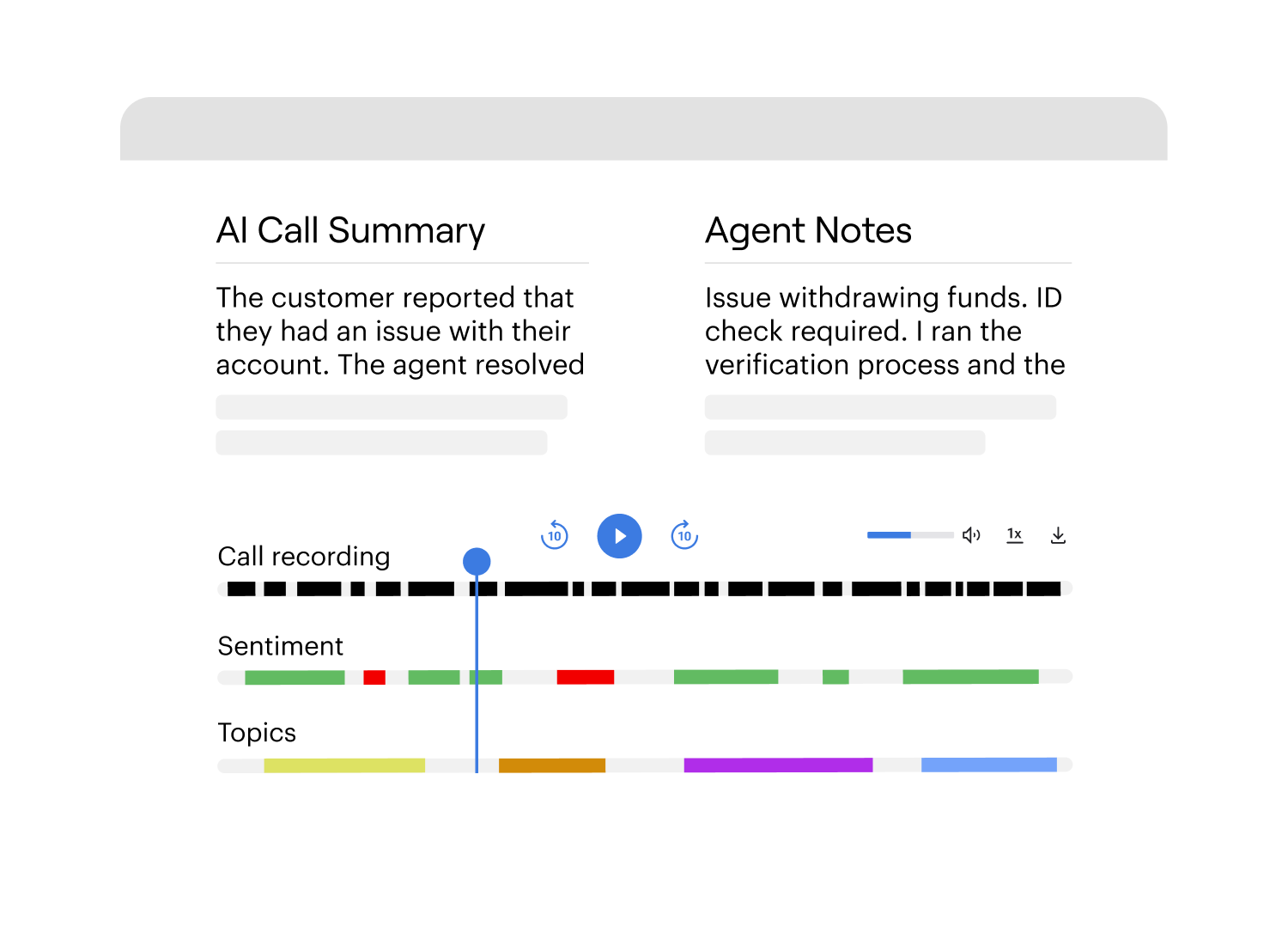
Voiso tracks code usage in real time so supervisors can monitor resolution trends, flag unusual call types, and fine-tune resource allocation without delay.
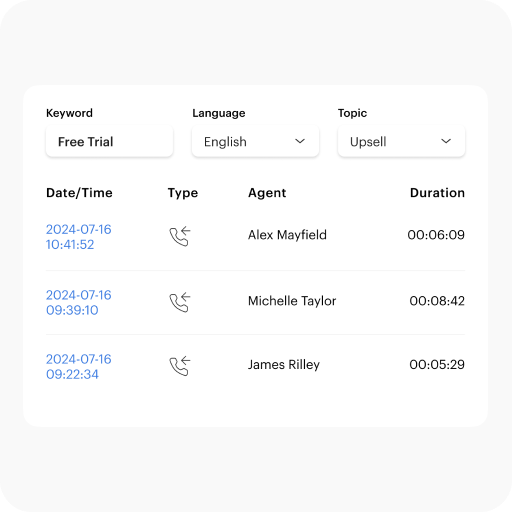
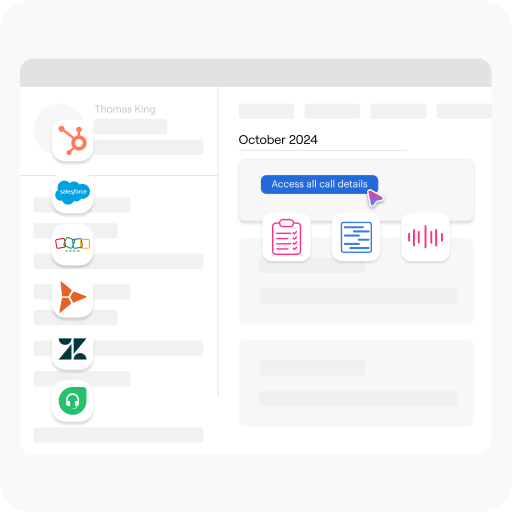
CRM-Synced, QA-Ready Records
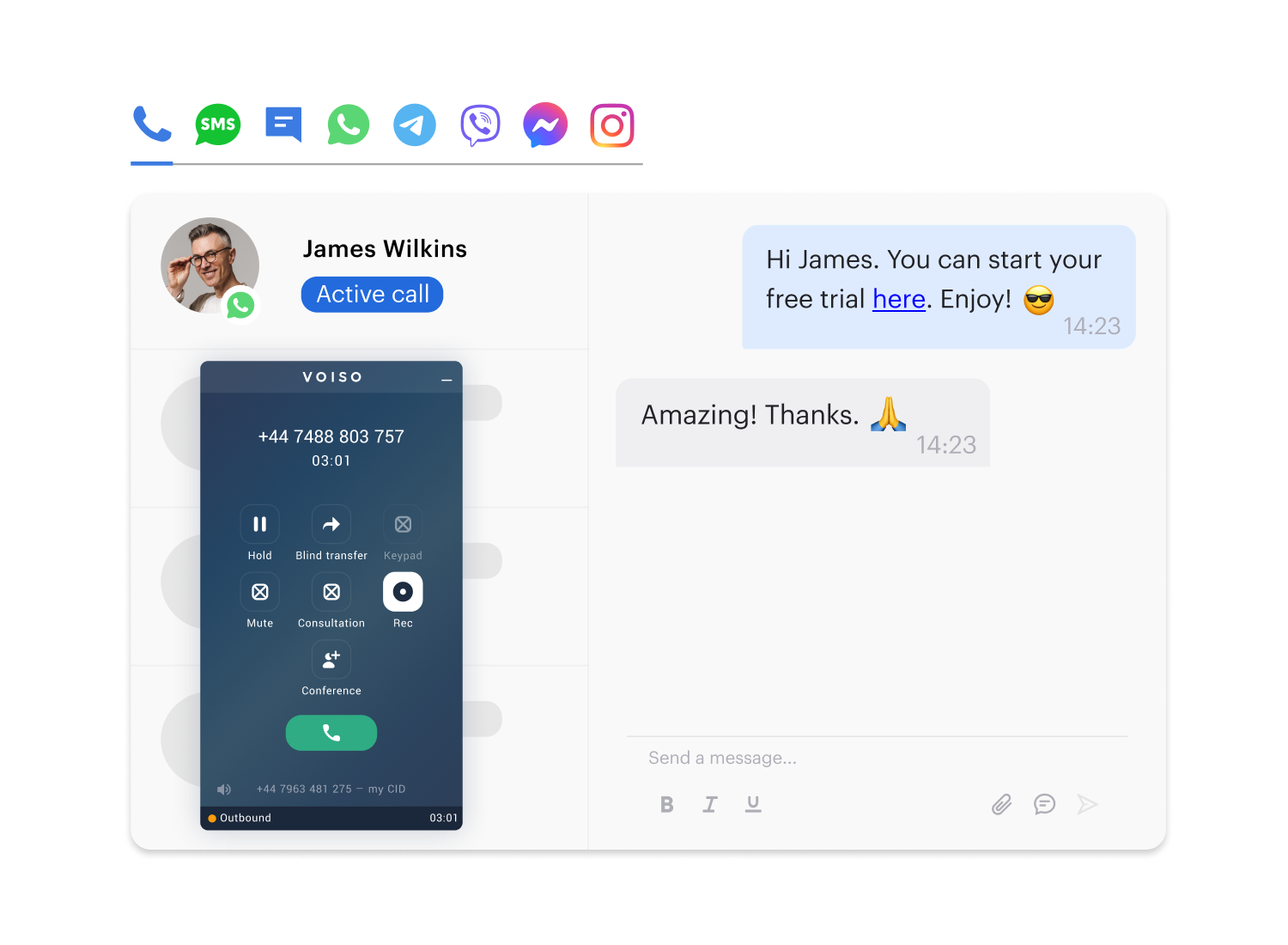
Every tagged call updates your CRM automatically.
That means follow-up teams have full context, QA can track adherence by outcome, and managers can review performance with a click, not a spreadsheet.
Performance That Speaks for Itself

customers




Get started in less than 24 hours
FAQ
What should a good wrap-up code system include?
A good wrap-up code system should be more than just a list, it should feel like a living part of your call workflow. At the very least, it needs to be specific, structured, and easy for agents to understand quickly. Think about it from the perspective of someone juggling dozens of calls a day. The best systems include categories that reflect real business outcomes, like “retention successful” instead of just “customer satisfied.” It should also allow a degree of hierarchy, so agents aren’t scrolling through an endless menu. Ideally, the platform should allow administrators to edit codes in real-time based on evolving team needs or seasonal trends.
And don’t underestimate the role of training here. A clever list won’t matter if half your agents interpret “callback requested” differently. So build in usage guides, maybe even examples or tooltips, to help agents tag calls with confidence.
Can wrap-up codes improve call centre KPIs?
Absolutely, but it takes discipline and consistency. Wrap-up codes can shine a light on performance blind spots you didn’t know existed. Let’s say a team looks efficient on paper, but 20% of calls are tagged as “issue unresolved” or “customer not reached.” That’s a red flag. Or maybe you notice that one agent consistently marks “payment problem” while others rarely do, this could mean they’re either better at detecting billing issues, or worse at resolving them. The codes let you ask those deeper questions.
They also feed directly into measurable KPIs like Average Handle Time (AHT) or First Call Resolution (FCR). When codes are accurate, you can track improvements over time and even forecast staffing needs. But if agents use them inconsistently, or if the list is too vague, then your data becomes noise. Good wrap-up practices are a hidden lever for better decisions and better customer experiences.
How do wrap-up codes support agent coaching?
Wrap-up codes are quietly powerful when it comes to coaching. Managers can review not only how fast agents complete calls, but what happens after those calls. Are certain team members avoiding “escalation” tags because they fear looking weak? Are others overusing “not interested” on sales calls, which might hint at motivation issues or poor lead qualification?
Coaching isn’t just about numbers. It’s about patterns and behaviours. Wrap-up codes give managers a soft lens through which to observe those patterns without invasive monitoring. It’s much easier to start a coaching conversation with: “I noticed you flagged several calls as ‘customer unsure’, do you feel like the scripts are clear enough?” than to grill someone over a missed metric. Used right, these codes turn into a non-judgemental map of agent experience. They can even reveal training needs that performance dashboards miss entirely.
Are there risks to relying too much on wrap-up codes?
Yes, reliance without review can create a false sense of certainty. If a wrap-up code is outdated or too broad, agents may apply it simply because it’s the easiest choice, not because it’s accurate. Over time, this can distort analytics. For instance, lumping 40 different call outcomes under “general inquiry” makes it nearly impossible to act on that data. You might think customers are calling for one thing, when they’re actually dealing with something else entirely.
There’s also a tendency in some organisations to use codes as a proxy for agent performance, which can backfire. Agents may game the system, choosing “quick win” codes just to boost metrics. This skews reality. Codes work best when combined with other inputs, like call recordings or surveys, to paint a fuller picture. So yes, they’re useful, but only if treated as one layer in a multi-faceted feedback loop.