




Call Center Call Routing Software
Connect every customer to the right agent
Route calls based on skills, availability, or CRM data in real time. Voiso’s smart routing engine adapts instantly to customer needs, ensuring faster resolutions and smoother experiences across channels.


Built for complex routing, made simple
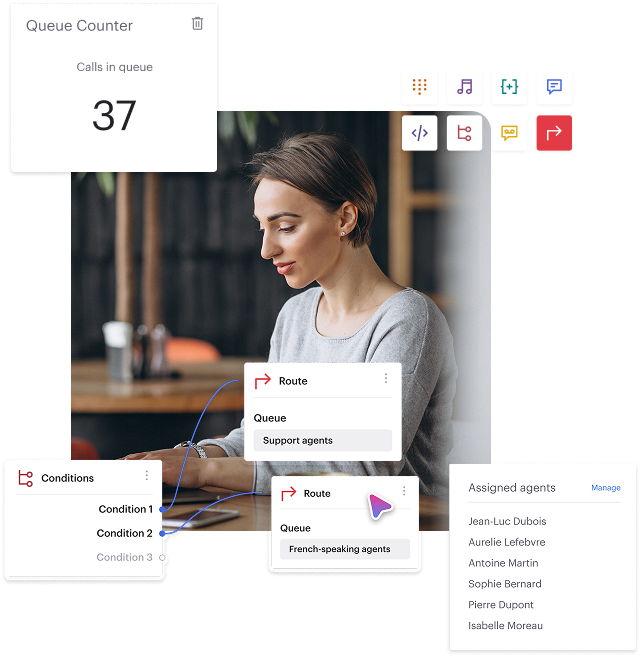
Set your own rules, effortlessly
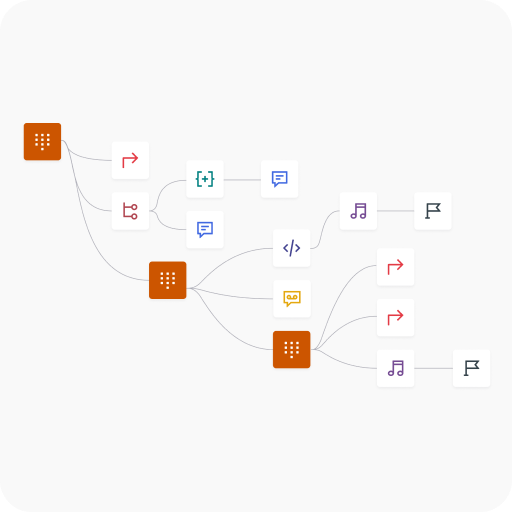
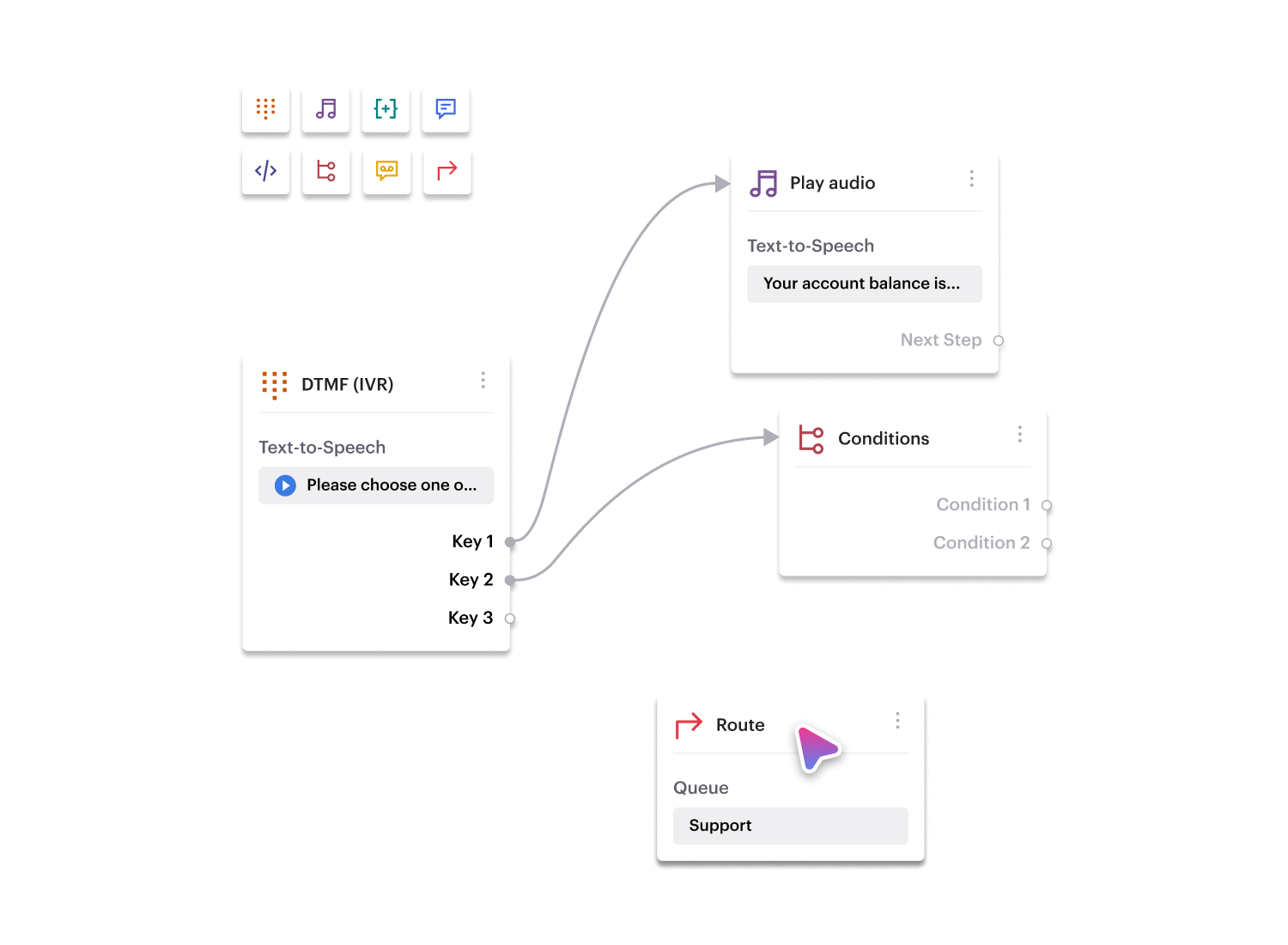
Create routing flows with simple drag-and-drop logic.
Assign calls by skill, time zone, region, or account type, and adjust configurations anytime to keep workflows aligned with your evolving needs.
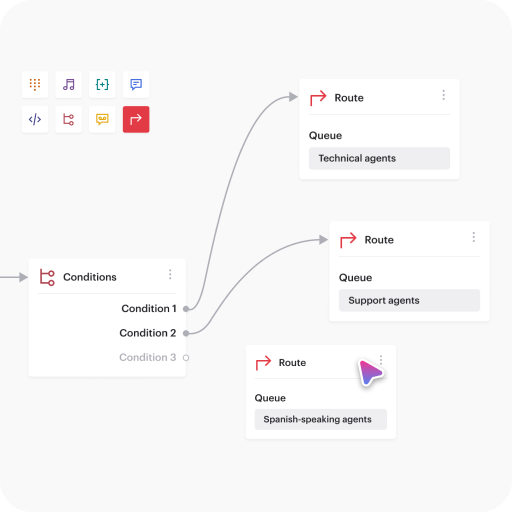
Route beyond voice calls
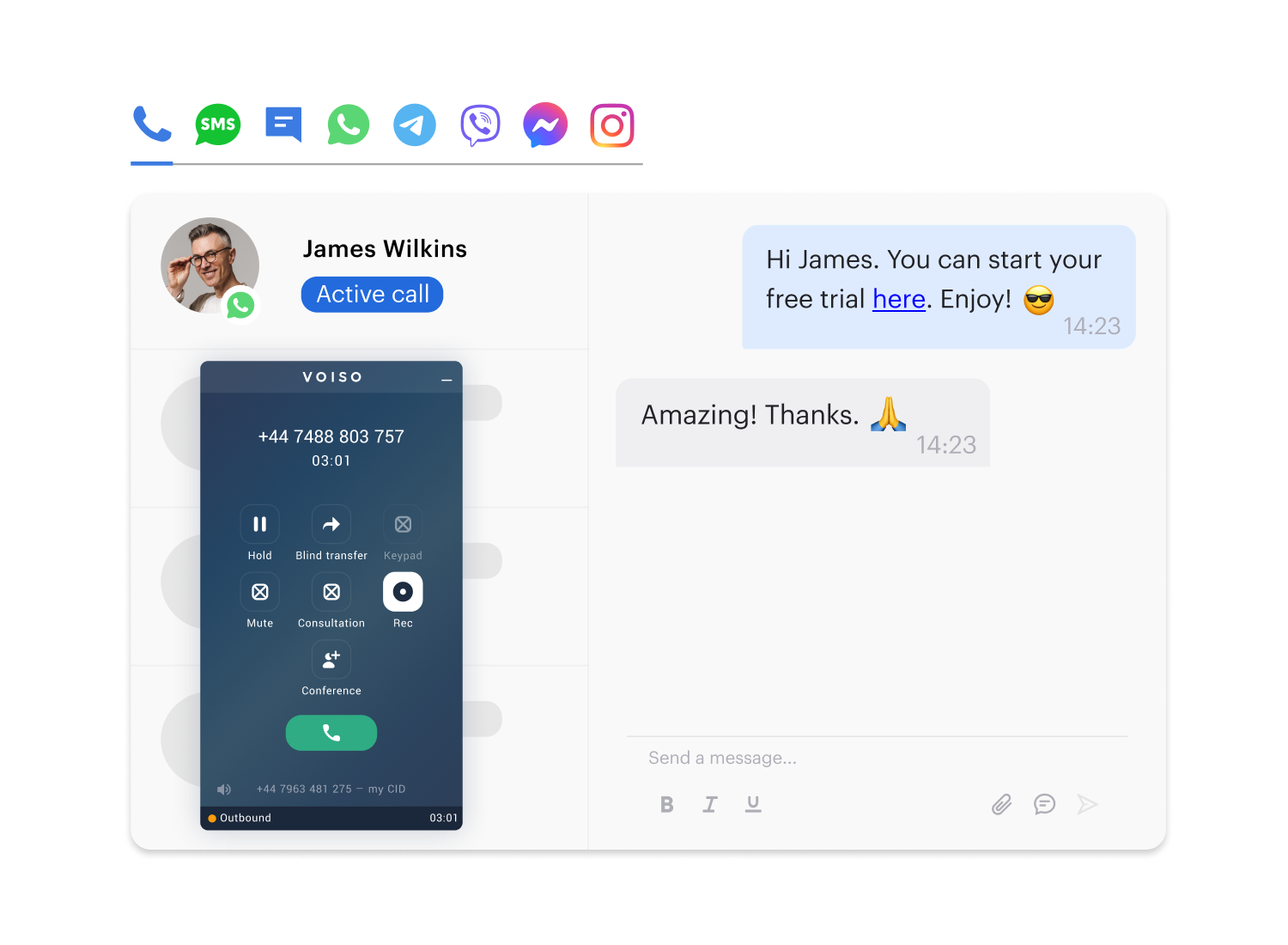
Extend the same intelligent routing logic to live chat and messaging apps.
Deliver consistent, seamless support across every channel so customers always reach the right agent at the right time.
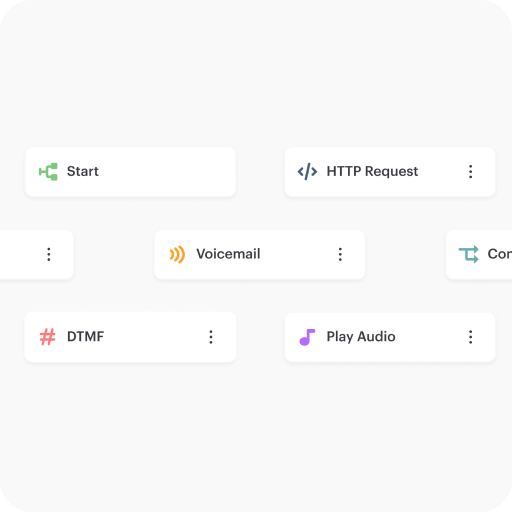
Adjust in real time, no downtime
Modify routing behavior instantly based on queue load, agent availability, or keyword triggers.
Stay responsive to call spikes, escalations, or coverage gaps without interrupting operations.
See how every call found its way

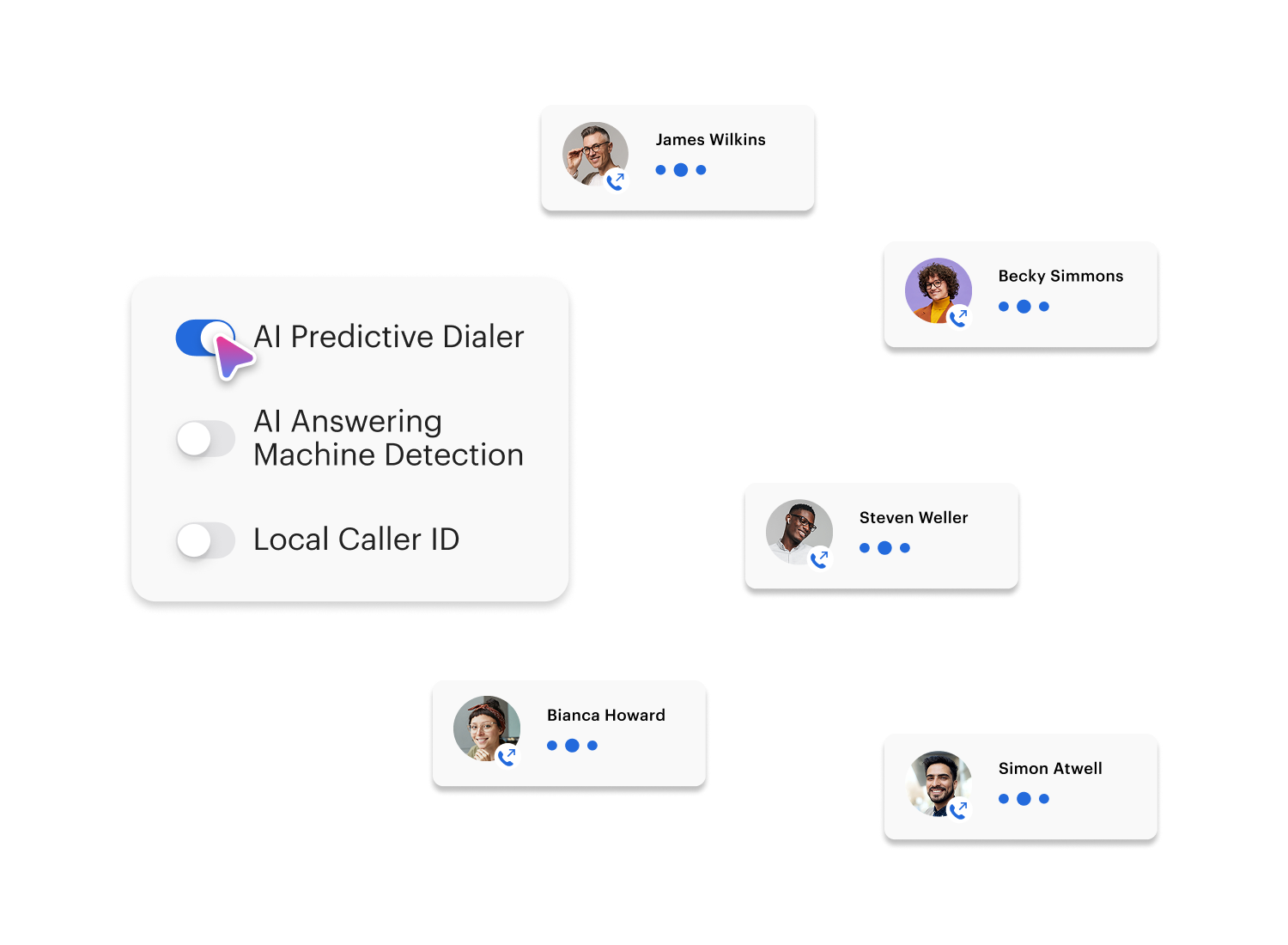
customers




Get started in less than 24 hours
FAQ
How does intelligent call routing work?
Intelligent call routing isn’t just about sending a caller to the next available agent, it’s about getting them to the right one. It works by evaluating predefined conditions like the caller’s phone number, the number dialed, previous interactions, account value, language preference, or even real-time inputs through an IVR system. Once that data is collected, the system uses rules and logic to decide where to route the call.
In Voiso’s case, this goes beyond traditional rules. The platform can weigh multiple factors simultaneously: skill tags assigned to agents, their availability, current queue length, or even custom metrics tied to performance or sentiment. The routing engine adapts in real-time, which means if the best-fit agent becomes unavailable, it redirects intelligently instead of falling back on basic round-robin logic.
The result is fewer misrouted calls, faster resolutions, and less frustration for everyone involved. It’s smart, but it’s also designed to be predictable and configurable for real-world use cases.
Is call routing useful for small teams too?
Absolutely. In fact, it can be especially valuable for small teams because every minute, and every misrouted call, has more impact. Without routing logic in place, it’s easy to overwhelm one agent while another sits idle. Voiso’s system ensures that calls are distributed fairly and efficiently, even when you’re working with a team of just a handful of people.
Small teams often face unique challenges: multitasking agents, unpredictable call volume, and limited availability. Intelligent routing can help balance workloads and reduce time spent transferring calls manually. Even simple logic like prioritising returning customers or routing by working hours can make a big difference in perceived service quality.
Also, smaller teams may not have the luxury of a dedicated QA or supervisor, which makes it even more important to route correctly the first time. Voiso keeps it simple, easy to configure and flexible to change as the team scales. It’s not overkill. It’s smart support.
Can Voiso's routing system integrate with my CRM?
Yes, Voiso was designed to play nicely with popular CRMs. The goal isn’t just to log calls, it’s to use CRM data to improve how calls are routed. When a customer calls, Voiso can pull data from your CRM in real-time: past orders, ticket history, account tier, or even custom fields you’ve added. That context then becomes part of the routing logic.
Say a VIP client calls in. The system recognises their status and routes them to a senior agent. Or maybe someone’s dealing with an unresolved support ticket, it can direct that caller straight to the agent who handled the case last. All of this helps reduce friction and avoid repetition, which improves both agent performance and customer satisfaction.
Voiso offers out-of-the-box integration with many CRMs and APIs for custom setups. Whether you’re using Salesforce, HubSpot, Zoho, or something niche, you’ll likely find Voiso either integrates already or can be configured quickly with your stack.
How does Voiso handle routing during peak times?
During peak times, call centers can quickly go from calm to chaos. Voiso’s routing engine helps manage this transition smoothly. It uses real-time data on agent availability, queue length, and call urgency to adapt on the fly. If primary agents are at capacity, Voiso can reassign incoming calls to secondary groups, overflow teams, or even external agents if configured.
Failover logic also kicks in, calls can be rerouted based on wait thresholds. If a customer has waited too long, for example, they might be sent to voicemail with a callback scheduled automatically. Or if a support team is overwhelmed, sales or admin agents trained for backup support could be temporarily activated.
Voiso doesn’t just wait for problems to occur, it anticipates them. You can set alerts and thresholds to adjust routing behaviour before queues get out of hand. This dynamic flexibility helps maintain service levels, even when things get hectic.
Does the software support routing for channels beyond voice?
Yes, Voiso’s routing software is built for modern, omnichannel environments. While voice routing is at the core, it extends that same logic to other communication channels, live chat, SMS, WhatsApp, and more. So, if a customer reaches out through a messaging platform or web chat, they’re not treated as a new case each time.
Routing rules can be defined per channel or combined across them. For instance, if an agent is already handling a high-value chat, the system might temporarily pause voice call assignments to avoid overload. Or if a customer sends a message that contains keywords like “billing issue,” Voiso can route that to the finance support team just like it would with a phone call.
The experience is seamless. No matter how customers reach you, they’re directed to the person best suited to help, without starting from scratch. That keeps conversations continuous and expectations consistent, which is exactly what omnichannel service should feel like.
What Is Call Routing in a Call Center?
Call routing determines where incoming calls go within your organization. Simple as that, really. The software analyzes various factors – caller information, agent availability, time of day, or specific requirements – and directs each call to the most appropriate destination.
Manual routing requires human intervention for every call transfer decision. Someone has to listen, evaluate, and redirect calls based on their judgment. Automated routing handles these decisions through predefined rules and algorithms. The difference is like comparing a receptionist manually transferring calls versus a smart system that knows exactly where each call should go.
Where routing fits in the customer support process is actually more important than most people realize. It’s the first operational decision that affects customer experience. Before any conversation happens, routing determines whether customers reach the right person quickly or get bounced around between departments. Good routing sets the stage for successful interactions.
Why Routing Matters More Than Ever
Poor routing creates cascading problems that affect everyone involved. Hold times increase when calls land in wrong queues. Customer frustration builds as people explain their issues repeatedly to different agents. The ripple effects touch every part of the customer experience, often in ways that aren’t immediately obvious.
Smarter routing leads to faster resolutions because customers connect with agents who can actually solve their problems. When someone calls about billing issues and immediately reaches a billing specialist, resolution happens efficiently. Agents feel more confident handling calls within their expertise areas, which improves their job satisfaction and performance.
Omnichannel implications make routing even more complex now. Phone calls, live chat, email, and messaging platforms all need coordinated routing strategies. Customers might start a conversation on chat and continue via phone, expecting seamless transitions. Modern routing systems must handle these cross-channel interactions
Omnichannel implications make routing even more complex now. Phone calls, live chat, email, and messaging platforms all need coordinated routing strategies. Customers might start a conversation on chat and continue via phone, expecting seamless transitions. Modern routing systems must handle these cross-channel interactions smoothly.
What Are the Core Features of Voiso's Call Routing Software?
Intelligent Call Distribution
Skills-based routing directs calls to agents with specific expertise rather than just whoever happens to be available. When customers call about technical support, they reach agents trained in troubleshooting. Sales calls go to people who understand your products and can close deals effectively. This targeted approach improves both customer satisfaction and agent productivity.
Round-robin routing distributes calls evenly across available agents, ensuring fair workload distribution. Some teams prefer this approach because it prevents certain agents from being overwhelmed while others remain idle. Weighted routing takes this further by considering agent performance levels or experience when distributing calls.
Load balancing algorithms consider multiple factors when making routing decisions. Agent availability, current call volume, average handling time, and skill sets all influence where the next call goes. These sophisticated calculations happen instantly, ensuring optimal distribution without any manual intervention.
IVR & Auto-Attendants
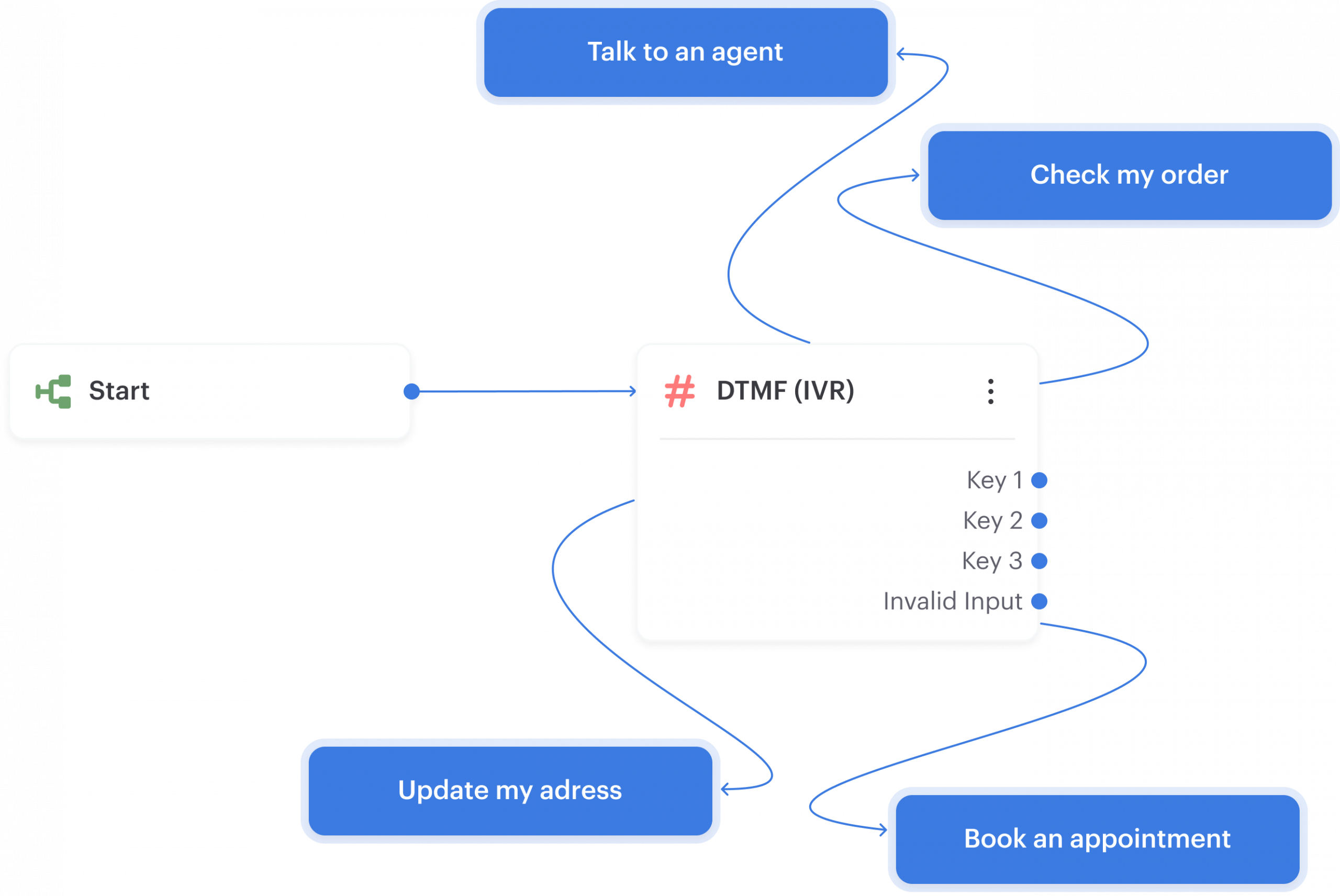
Customizable menus adapt to caller needs and business requirements. You can create simple “press 1 for sales, press 2 for support” menus or complex decision trees that gather detailed information before routing calls. The flexibility allows organizations to design experiences that match their specific customer base and operational structure.
Data capture before agent handoff provides valuable context for more effective conversations. The IVR system can collect account numbers, problem descriptions, or caller preferences before connecting to an agent. This information appears on the agent’s screen immediately, eliminating repetitive questions and speeding up resolution times.
Menu options can change based on time of day, caller history, or current promotions. Perhaps existing customers get different options than new prospects. Or maybe after-hours callers hear different messages than business-hour contacts. Dynamic menus create more personalized experiences without requiring human intervention.
CRM Integration
Routing based on caller history provides immediate context about previous interactions. When a customer who recently had billing problems calls back, they can be routed directly to someone familiar with account issues. This continuity prevents customers from explaining their situations repeatedly to different people.
Account status influences routing decisions in sophisticated ways. High-value customers might automatically connect to senior agents, while new customers get routed to specialists trained in onboarding. Purchase behavior can determine whether someone reaches sales, support, or account management teams.
Surface relevant data before agents pick up calls, giving them complete context about who they’re speaking with. Previous conversation notes, purchase history, support tickets, and account details all appear instantly. Agents can provide personalized service from the first moment of interaction.
Real-Time Agent Availability Tracking
Assign calls dynamically based on who’s actually available to handle them. The system monitors agent status continuously – whether they’re on calls, in after-call work, taking breaks, or ready for new interactions. This real-time awareness prevents calls from being routed to unavailable agents.
Queue overflow management redirects calls when primary agents become overloaded. Rather than forcing customers to wait indefinitely, the system can route calls to backup teams, different departments, or alternative resources. This flexibility maintains service levels even during unexpected volume spikes.
First-call resolution improves when calls reach appropriate agents immediately. Customers don’t get transferred multiple times or placed on hold while agents figure out how to help them. The right routing decisions from the start lead to better outcomes for everyone involved.
Failover and Overflow Routing
Backup routes activate automatically when primary options aren’t available. If your main support team is fully occupied, calls can redirect to secondary groups, external partners, or specialized overflow services. These contingency plans ensure customers always have access to assistance, even during peak periods.
Send calls to voicemail systems with customized messages when live agents aren’t available. Some situations require callback options rather than endless holding. Intelligent voicemail routing can direct messages to appropriate departments while setting proper expectations for response times.
External number routing allows calls to reach remote workers, partner organizations, or specialized services seamlessly. Customers don’t need to know whether they’re speaking with internal staff or external resources. The routing system maintains consistent experiences regardless of where agents are physically located.
What Are the Benefits of Using Voiso for Call Routing?
Improve Customer Experience
Reducing wait times happens naturally when calls reach appropriate destinations quickly. Customers spend less time on hold and more time getting their issues resolved. The efficiency improvements are often immediately noticeable in customer satisfaction scores and complaint volumes.
Ensuring callers reach the right person the first time eliminates the frustration of multiple transfers. When someone calls with a specific need and immediately connects to someone who can help, the entire interaction becomes more positive. This first-impression improvement affects customer perceptions significantly.
Personalized routing based on caller data creates more relevant interactions. Returning customers might hear different hold music or get routed to agents familiar with their accounts. New customers could receive welcome messages while being connected to onboarding specialists. These small touches improve overall experience quality.
Boost Agent Productivity
Less time spent redirecting calls means agents can focus on actually helping customers. Internal transfers and routing mistakes consume valuable time that could be spent on problem-solving. Efficient routing reduces these productivity drains while improving agent satisfaction with their work.
Higher call completion rates result from better initial routing decisions. Agents handle calls within their expertise areas more successfully, leading to resolved issues rather than additional transfers or callbacks. This success rate improvement benefits both customer satisfaction and operational efficiency.
Reduced context-switching allows agents to work more effectively. When someone specializes in technical support and consistently receives technical calls, they maintain focus and expertise. Constantly switching between different types of interactions reduces efficiency and increases error rates.
Increase Operational Efficiency
Call data helps predict peak times and staffing needs more accurately. Routing systems generate detailed analytics about call volumes, patterns, and trends. This information supports better workforce planning and resource allocation decisions.
Adjust routing strategies in real time based on current conditions. If certain agents are performing exceptionally well, more calls can be directed their way. If particular types of calls are taking longer than usual, routing can shift to distribute workload more effectively.
Cost optimization happens through better resource utilization. Skilled agents handle appropriate calls while simpler inquiries go to less experienced staff. This tiered approach maximizes the value of your team’s collective expertise while controlling operational costs.
What Types of Routing Strategies Does Voiso Support?
Skills-based routing directs calls to agents with specific expertise areas and training backgrounds. When customers call about technical issues, they reach people who actually understand technology rather than someone reading from a script. Sales calls go to agents who know how to close deals, while billing questions reach people familiar with account management systems. This targeted approach prevents the frustration of explaining complex problems to agents who can’t really help.
Time-based routing adjusts call distribution based on time of day, week, or business hours. Perhaps your East Coast sales team handles calls during morning hours while West Coast agents take over later. After-hours calls might route to different departments or international teams. Holiday schedules can trigger alternative routing patterns automatically. The system adapts to temporal patterns without requiring manual intervention.
Geographic routing connects callers to agents based on location preferences or regional requirements. Customers in different countries might need agents who speak their language or understand local regulations. Some organizations route calls to agents in similar time zones for better service availability. Regional expertise becomes important when dealing with location-specific products or services.
Priority-based routing ensures that higher-value or urgent calls go to senior staff members immediately. VIP customers bypass standard queues to reach experienced agents who can handle complex requests. Emergency situations get routed to people authorized to make important decisions quickly. Revenue-generating calls might take precedence over routine support inquiries during busy periods.
Queue overflow routing redirects calls to backup teams when primary resources become overwhelmed. Rather than forcing customers to wait indefinitely during peak periods, the system automatically shifts calls to secondary groups or partner organizations. This failover capability maintains service levels even when call volume exceeds normal capacity. Customers get help instead of endless hold music.
Each strategy serves different business needs and can be layered together for sophisticated routing logic. You might combine skills-based routing with priority rules, so VIP customers reach senior specialists immediately. Time-based routing can work alongside geographic preferences to ensure optimal coverage across different regions and business hours. The flexibility allows organizations to create routing behaviors that match their specific operational requirements.
What Are the Real-World Applications of Voiso's Call Routing by Team Type?
Sales Teams
Send calls to available representatives instantly rather than cycling through busy agents. The system identifies who’s ready to take calls and routes prospects immediately. This responsiveness often makes the difference between captured leads and lost opportunities.
Route by region ensures customers connect with sales representatives familiar with local markets, regulations, or preferences. Product routing directs calls to specialists who understand specific offerings. Lead score routing sends high-priority prospects to senior sales staff while newer leads go to junior representatives.
Call distribution can consider sales performance metrics when making routing decisions. Top performers might receive more leads during peak periods, while developing salespeople get consistent flow for skill building. This balanced approach optimizes both individual development and team results.
Customer Support
IVR menus connect issue types to appropriate departments without human intervention. Billing questions reach billing specialists, technical problems go to technical support, and general inquiries land with customer service representatives. This automated sorting reduces transfer rates significantly.
Transfer avoidance through smart escalation logic identifies when calls need specialized
attention. If a customer indicates frustration or mentions cancellation, routing can direct them to retention specialists immediately. Pattern recognition helps prevent small issues from becoming major problems.
Department specialization ensures customers reach people trained to handle their specific needs. Product support calls go to agents familiar with those products. Service issue calls reach troubleshooting specialists. This expertise matching improves resolution rates while reducing call handling times.
Technical Support
Assign advanced troubleshooting calls to senior agents based on caller descriptions or system data. When someone mentions complex technical terms or references previous escalated tickets, routing can direct them to experienced technicians immediately. This prevents junior agents from struggling with issues beyond their current skill level.
Escalate based on call length or complexity in real time. If a call exceeds normal handling time or involves multiple transfer attempts, the system can automatically route to senior support staff. This dynamic escalation prevents customer frustration while providing learning opportunities for developing agents.
Skill certification routing ensures customers reach agents qualified for their specific technical needs. Software issues go to software specialists, hardware problems reach hardware experts, and network questions connect to network technicians. This precise matching improves both resolution quality and speed.
How Does Implementation and Onboarding Work With Voiso?
Getting Started Fast
Pre-built templates for common routing rules accelerate initial setup significantly. Rather than creating routing logic from scratch, organizations can start with proven patterns for their industry or use case. These templates provide immediate functionality while allowing customization as needs become clearer.
Voiso onboarding team provides setup assistance throughout implementation. Rather than struggling through configuration alone, organizations get expert guidance on best practices and optimal settings. This human support prevents common mistakes while ensuring systems are configured for maximum effectiveness.
Configuration flexibility allows organizations to start simple and add complexity gradually. Basic routing rules can be implemented immediately while advanced features get added as teams become comfortable with the system. This phased approach reduces implementation stress while building user confidence.
Continuous Optimization
Built-in A/B testing for routing logic helps identify which approaches work best for specific situations. Organizations can test different routing strategies simultaneously and measure results objectively. This data-driven optimization leads to continuous improvement over time.
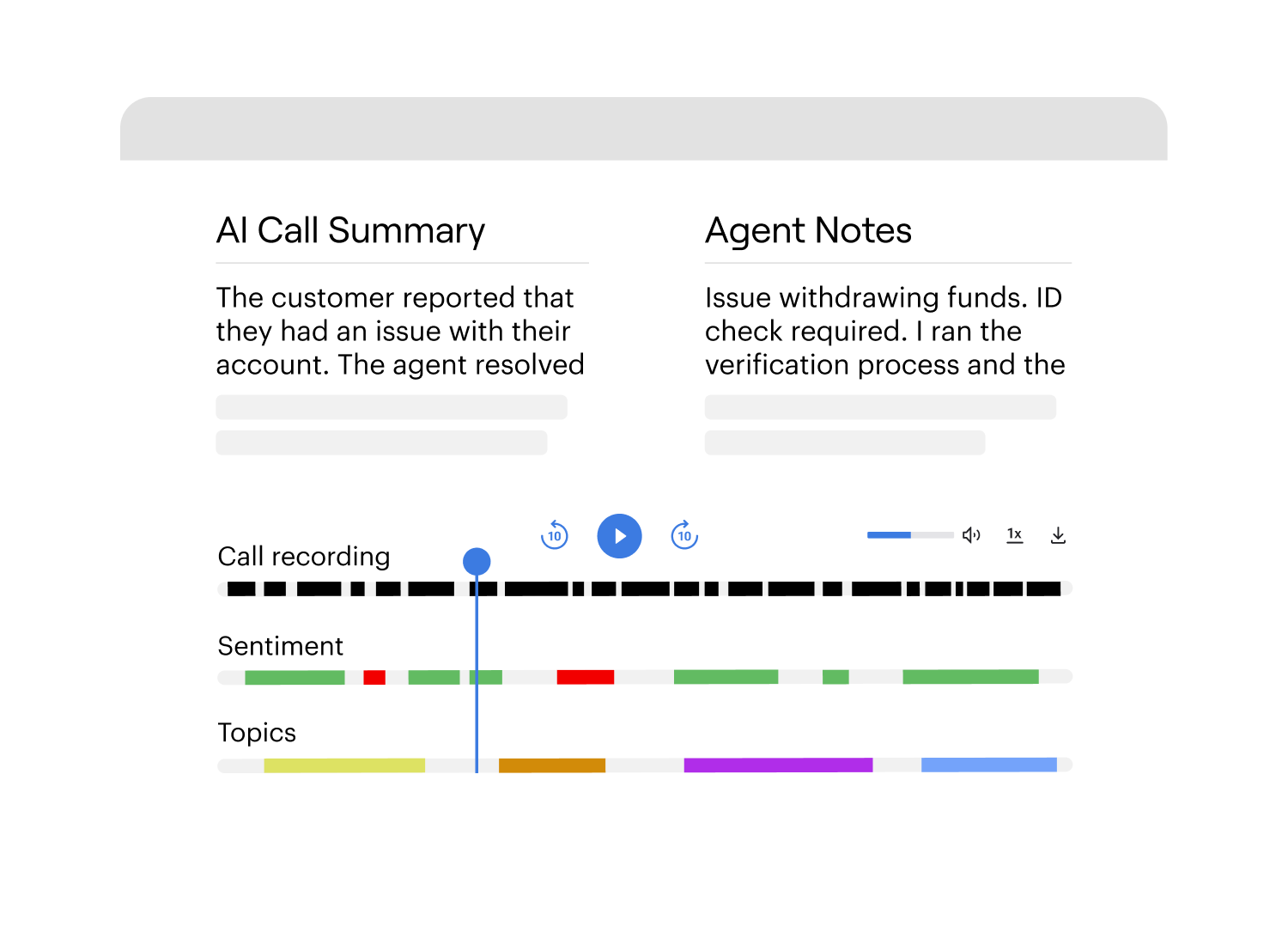
Analytics monitor routing effectiveness through detailed performance metrics. Call distribution patterns, resolution rates, customer satisfaction scores, and agent productivity data all provide insights into routing performance. These measurements guide optimization decisions based on actual results rather than assumptions.
Performance tracking reveals trends and opportunities for improvement that might not be obvious through casual observation. Perhaps certain routing rules work better during specific times of day, or maybe particular agent combinations produce superior results. Continuous monitoring helps identify these patterns for optimization.