




Call Back Software
No Hold. Just Call Back.
Let customers skip the wait and choose when to talk. Voiso’s callback system keeps queues short, schedules clean, and conversations on time, every time.


Your Callbacks, Your Way
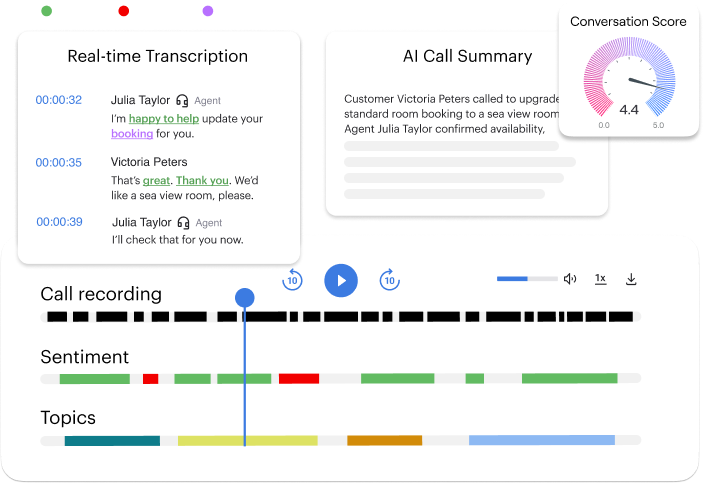
Customer-Centric Scheduling
Let callers stay in control, whether it’s “next available” or a chosen slot.
Voiso lets you define rules around timing, SLA compliance, and call type.
The result? Fewer missed opportunities, better-prepared agents.
CRM-Integrated Callbacks
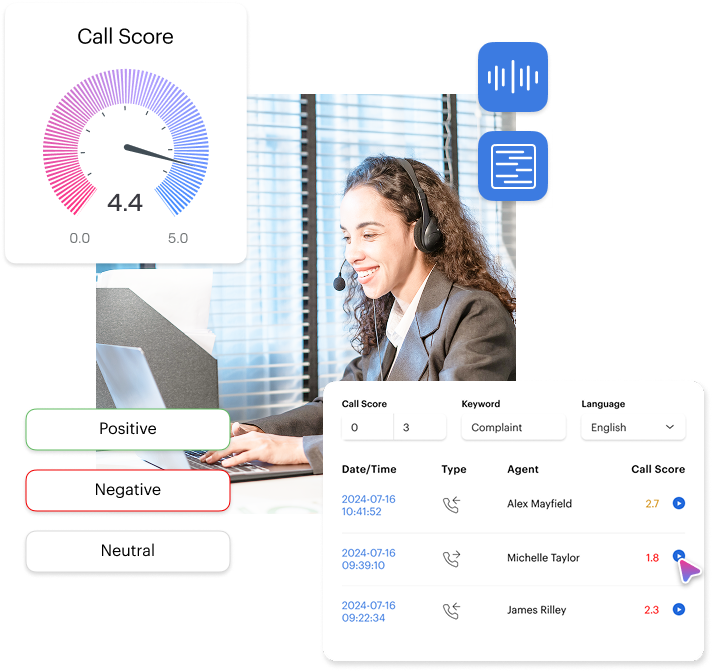
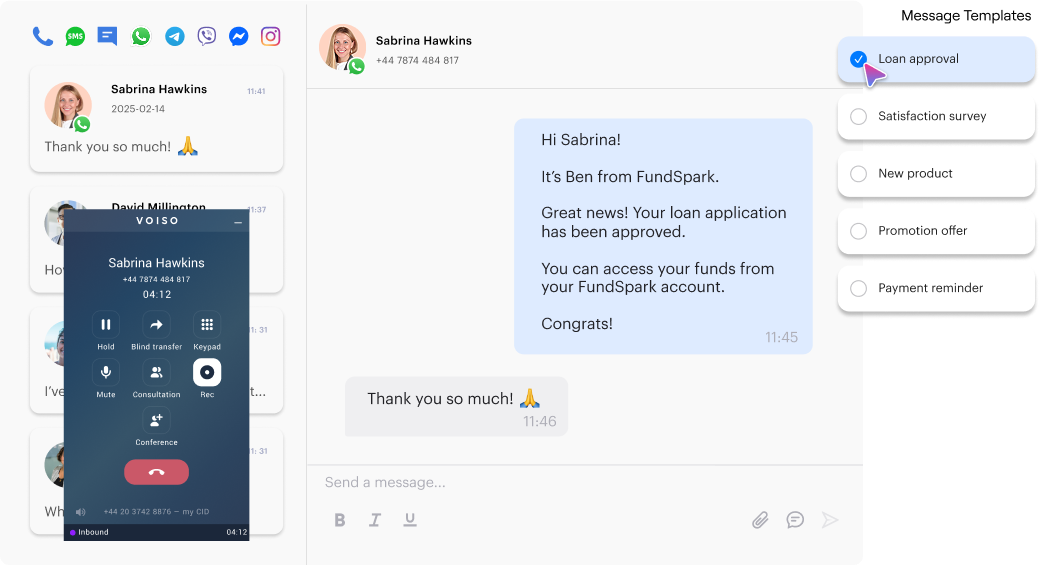
The moment an agent picks up a callback, all relevant history is preloaded.
Voiso syncs with Salesforce, Zoho, HubSpot, and more to add context before the first “hello.”
Customers feel heard, without repeating a word.
Flexible Routing + Failover
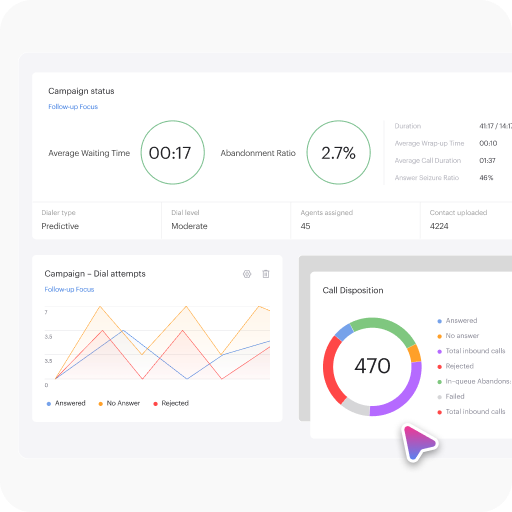
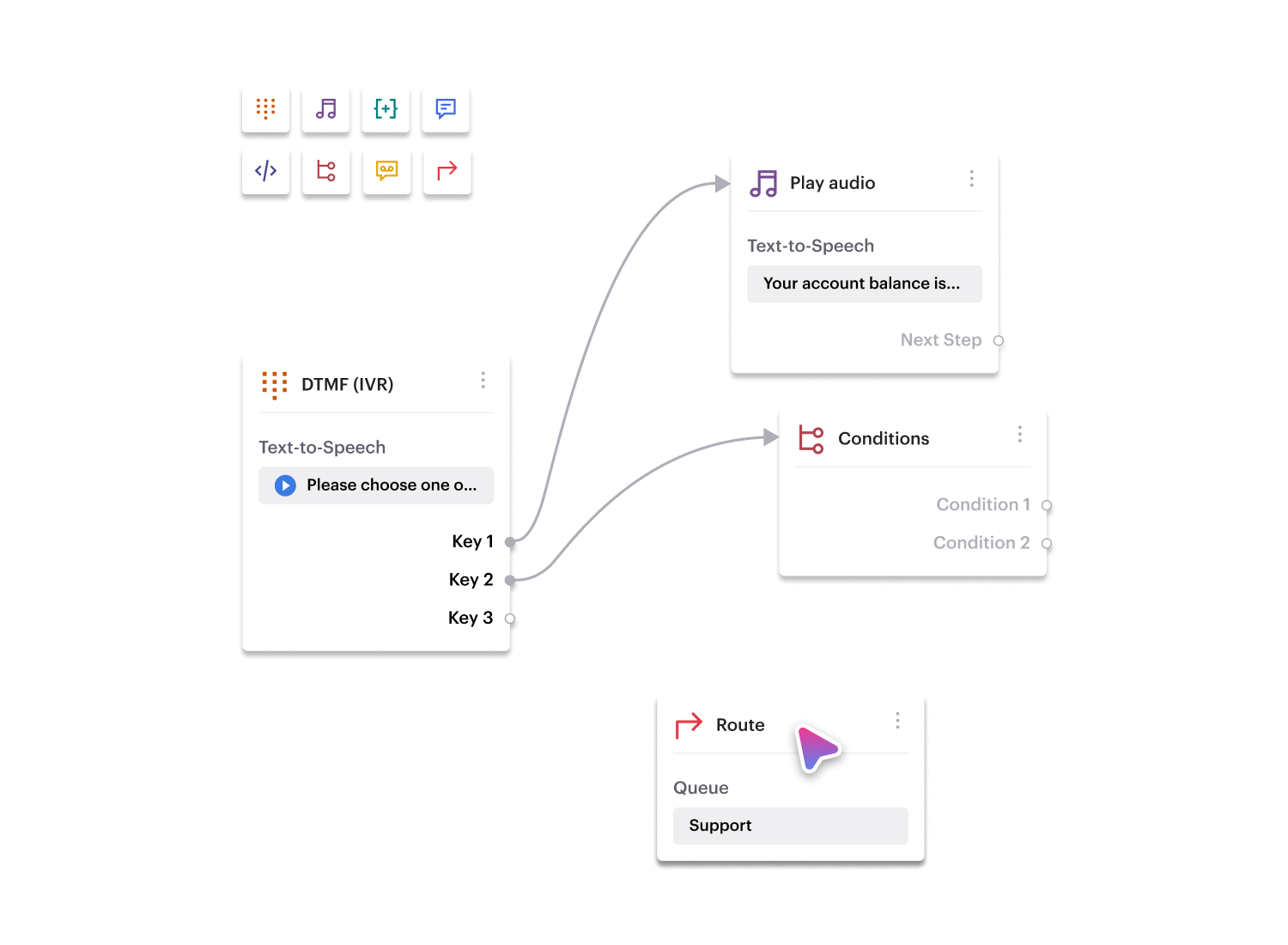
Voiso routes callback requests based on language, tier, region, or campaign.
If a call fails, retry attempts are logged, queued, and retried per your rules.
It’s more than just returning calls, it’s returning them well.
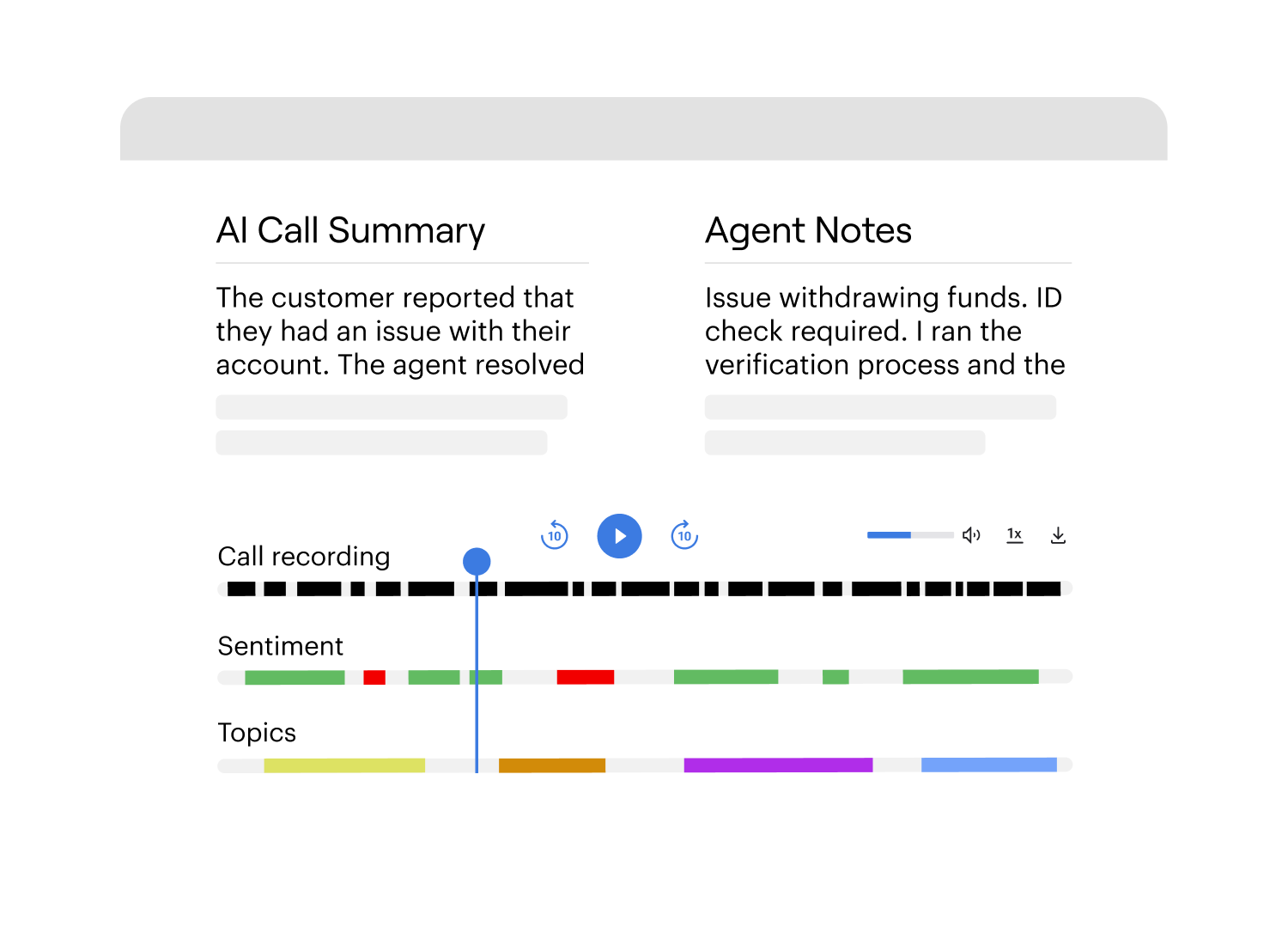
See What's Working and What's Not

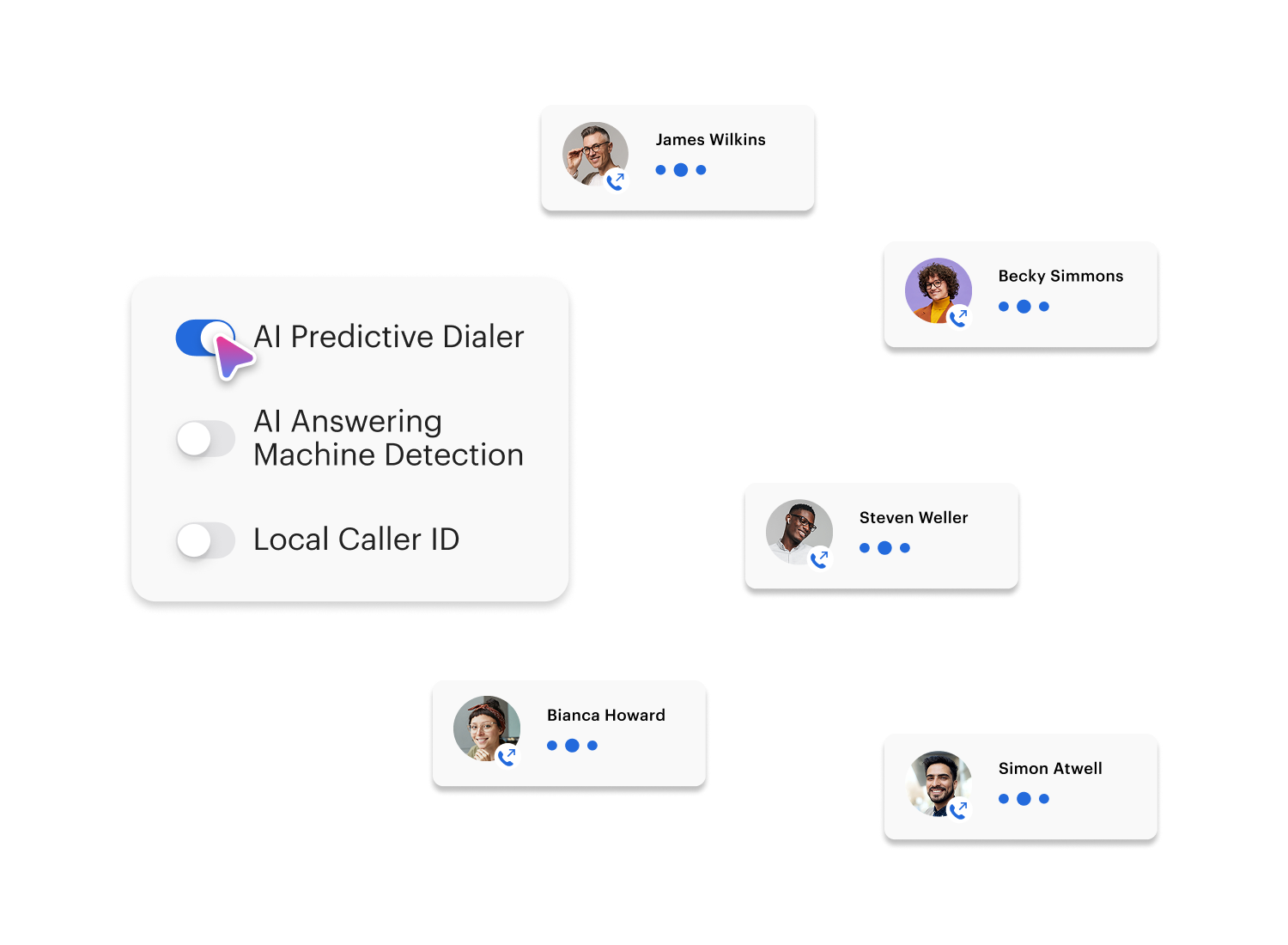
customers




Get started in less than 24 hours
FAQ
What’s the difference between a callback and a voicemail system?
The difference is subtle at first glance, but in practice, it’s massive. With voicemail, the burden is on the customer to explain their issue and hope someone calls back (eventually). A callback system flips that. It’s structured, requests are logged automatically, routed efficiently, and linked to a real-time communication queue. Plus, agents go into the conversation with context, not blind. It’s not just about calling someone back, it’s about doing it with intention, timing, and preparation. And when those things align, the experience changes. A voicemail feels passive. A callback feels like a promise.
How does call back software impact agent productivity?
It’s a fair question, because adding anything new to a contact centre workflow can seem like extra work. But callback systems, particularly cloud-based ones like Voiso’s, actually lighten the load. Agents aren’t constantly interrupted by random inbound calls. Instead, they get callbacks in structured queues. That means they can finish their current tasks before switching context. It also gives them a clearer idea of who they’re about to speak with, thanks to CRM data pulled in beforehand. Over time, it reduces burnout. The pace is just a little more manageable. No endless ringing. No abrupt surprises.
Are callback systems compatible with international call centres?
Yes, and it’s one of the underappreciated strengths of a good call back system. Because you can queue callbacks across time zones, you’re no longer tied to a single operating window. Customers in Europe can request a call during their day, and your US-based team can handle it when they’re available. Or vice versa. Some businesses even use this as a way to stagger workloads. It also helps with compliance, particularly in regions where calling customers without consent is heavily regulated. The callback is initiated by the customer, not you, so it’s generally safer from a privacy standpoint.
Can callbacks be integrated into my mobile app or website?
Absolutely. In fact, this is where the system feels most modern. You can embed a callback widget directly into your website or app interface. When a customer taps “Request a Call,” it triggers the same backend flow as a phone inquiry, but without the noise. They might pick a specific time or just select “next available.” Either way, their place in the queue is held. And if you want to customise the look and feel to match your brand? That’s totally possible. Fonts, colours, confirmation messages, it can all be styled to feel seamless. No popups. No third-party redirects. Just part of your customer flow.
What metrics should I track to measure callback effectiveness?
Some teams jump into callback systems without a way to measure impact, which, honestly, is a missed opportunity. At the very least, you’ll want to track: how many callback requests you get per day; how many are actually completed; how long it takes to return each one; and what the customer satisfaction rating looks like afterwards. You might also monitor things like agent first-contact resolution rates (FCR) on callbacks compared to live calls. Over time, you’ll notice patterns. For example, maybe callbacks at lunchtime result in happier customers, or sales callbacks outperform support ones. This kind of insight helps you fine-tune how the system works, not just whether it works.