




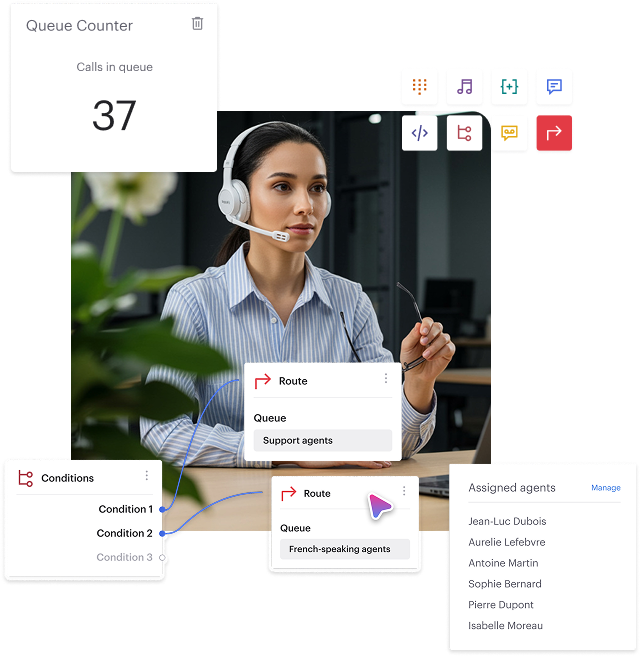
Automatic Call Distribution (ACD)
Route Smarter. Respond Faster.
Voiso’s Automatic Call Distribution (ACD) connects every caller to the right agent, based on skill, workload, or priority. Reduce wait times, eliminate misroutes, and handle peak traffic with calm, calculated precision.


Your System, Your Way
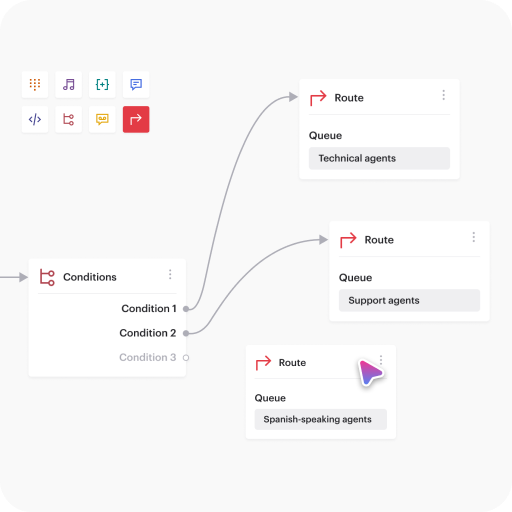
Flexible Routing Strategies
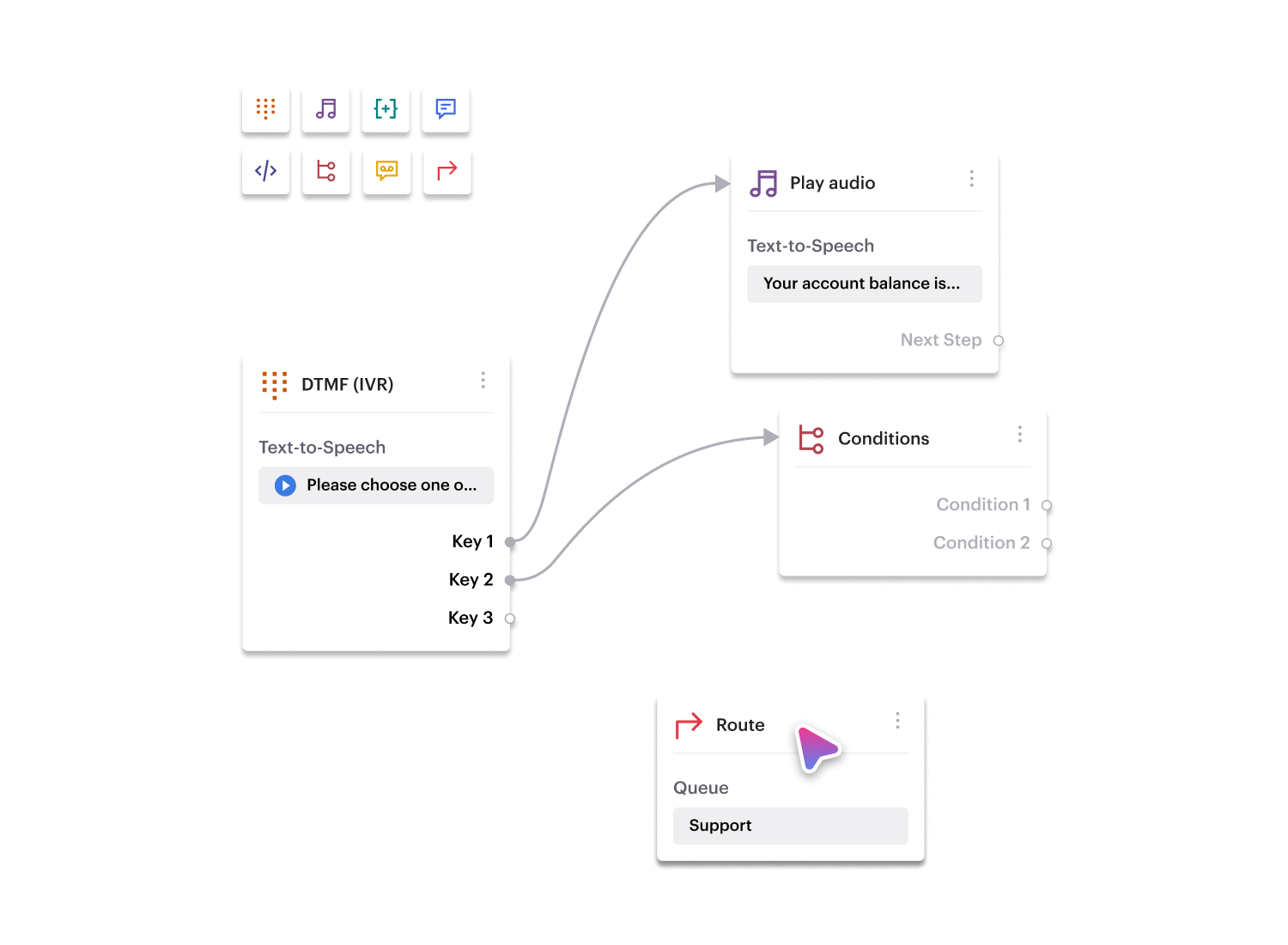
Set up routing logic that reflects your business priorities, skills, load, time, or value.
Combine multiple routing methods to fit each queue’s purpose, from technical support to high-velocity sales.
Your agents get the right calls, and your customers get faster, smarter service.
Campaign-Level Customization
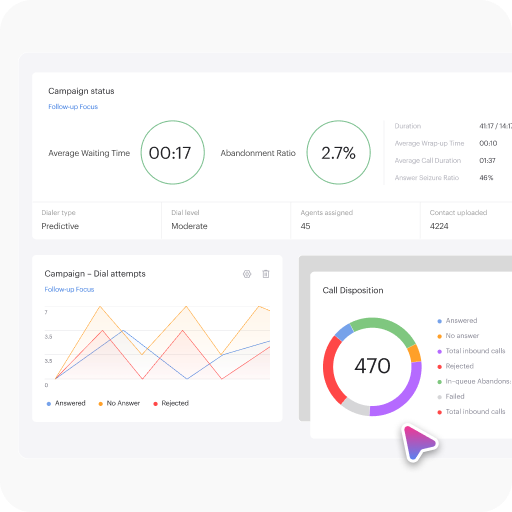
Build distinct ACD rules for each department, product line, or outbound campaign.
Treat VIPs differently from first-time callers, or escalate based on customer history.
With campaign-specific logic, you avoid bottlenecks and keep service levels high across the board.
Omnichannel & Global-Ready
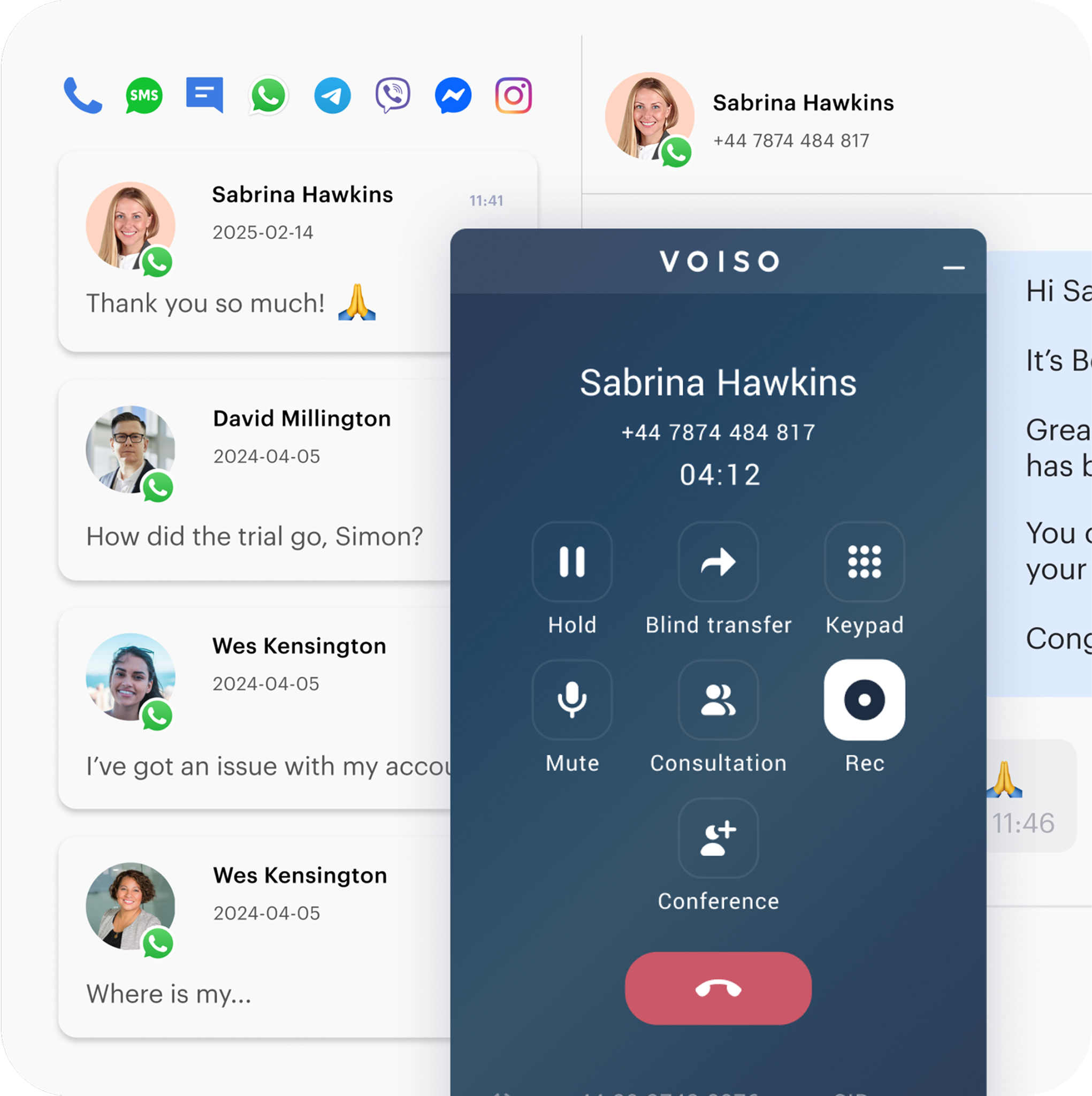
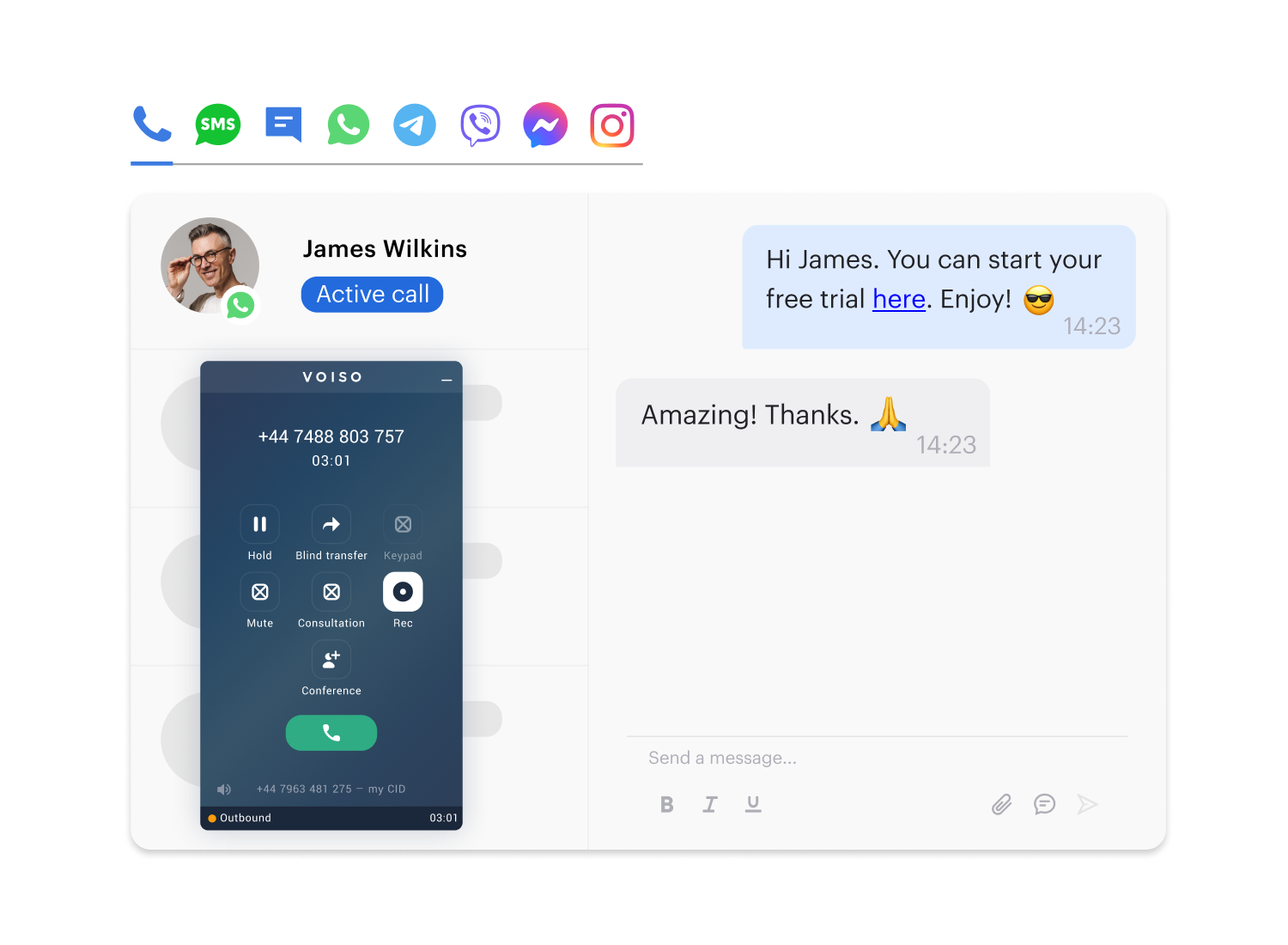
Voiso’s ACD routes not just voice, but digital channels like WhatsApp and web chat too, all using the same logic.
You can segment queues by language, region, or timezone to ensure follow-ups land with the right team.
No matter where your agents are, or how customers reach you, the experience stays seamless.
Performance That Speaks for Itself

customers




Get started in less than 24 hours
FAQ
What’s the biggest mistake companies make when setting up an ACD system?
A common misstep? Overcomplicating it too early, or worse, ignoring routing logic altogether. Some businesses set up an ACD and then leave it untouched, as if it’s supposed to magically handle everything from day one. But ACD systems, much like teams, benefit from calibration. If the routing rules aren’t based on actual performance data or customer needs, they might misroute important calls, delay urgent queries, or just create more internal confusion.
Another issue: trying to do too much at once. It’s tempting to implement skill-based routing, value-based queues, time zones, backup queues, overflow handling… all in one go. That sounds efficient, but in reality, if agents don’t understand why calls are routed to them, or the reporting gets messy, the system backfires. The best advice? Start simple. Route based on availability and skill, then layer in complexity once your team is comfortable and your reports tell a clear story.
Does ACD work well with remote or hybrid teams?
Yes, perhaps even better than in traditional office environments, if it’s configured thoughtfully. With remote teams, visibility into who’s available, who’s overloaded, and what the wait times look like is essential. ACD systems like Voiso’s offer real-time monitoring, so supervisors aren’t flying blind. They can see if a remote agent is taking too long between calls or if a queue is starting to stack up somewhere.
There’s also less guesswork. In a physical call centre, someone might shout across the room, “Who’s free to take this?” But with remote setups, the ACD system handles all that silently and fairly. It uses logic and live status to decide where to send the call. This helps eliminate bias, prevents favouritism, and balances the load more consistently. Just make sure remote agents have reliable connectivity, and train them to manage their availability status accurately. Otherwise, the whole system starts routing calls based on outdated or inaccurate data.
Can an ACD system route more than just phone calls?
Absolutely. Modern ACD platforms, including Voiso’s, have evolved well beyond simple voice routing. These days, customer communication happens across multiple channels: phone, email, live chat, SMS, even messaging apps like WhatsApp or Facebook Messenger. A robust ACD can route these too, using the same logic trees. For example, if someone sends a support ticket via email, the system can route it to the agent who last handled their account. Or if a live chat comes in during off-hours, it might get routed to a team covering that time zone.
It’s also worth noting that channel preference can play a role. Some customers prefer SMS over voice; others want immediate answers via chat. A good ACD system adapts to both agent availability and customer channel habits. The end goal is the same: get the query to the best person, as fast as possible, with the least friction.